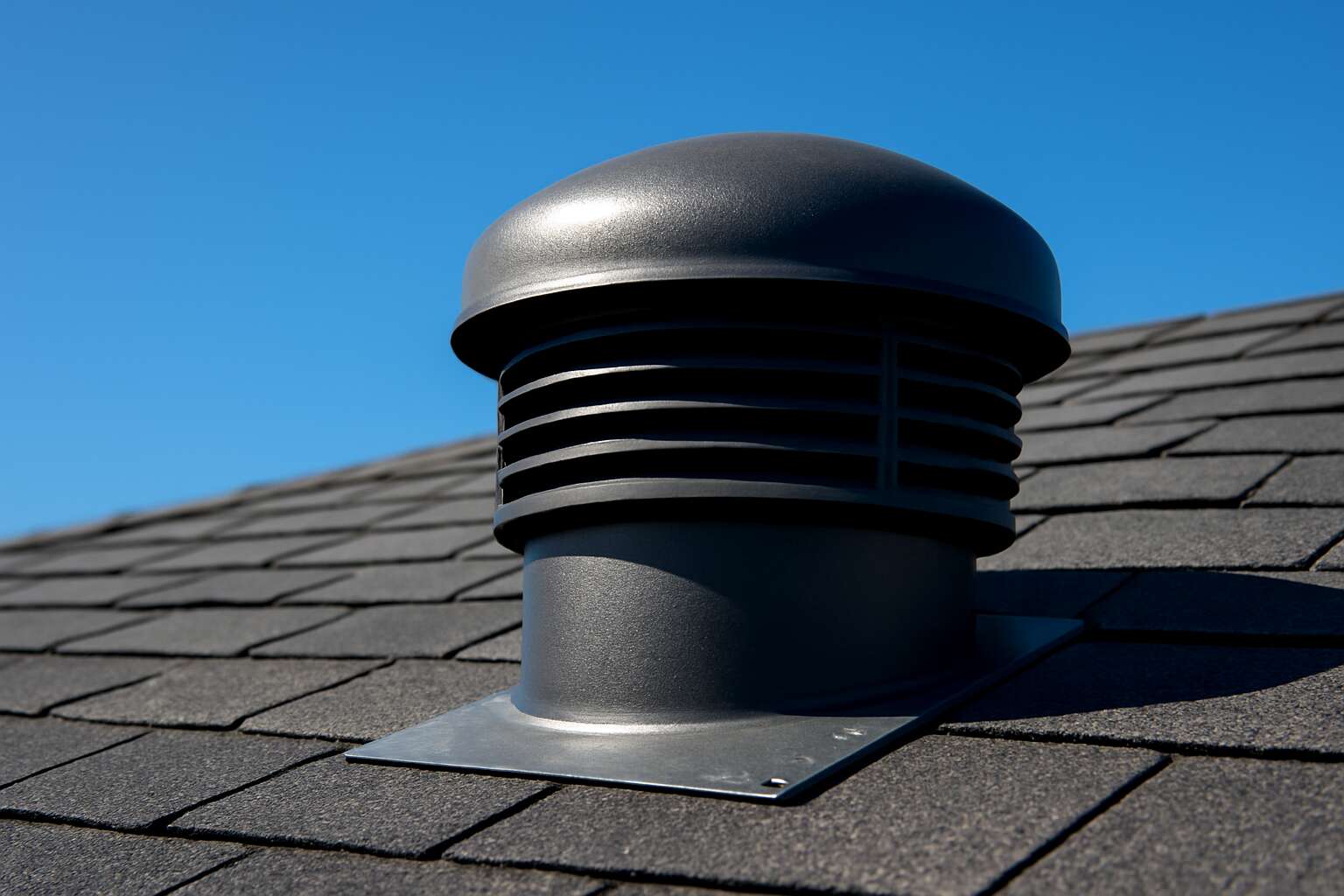
Understanding roof vent options
Types of roof vents
Sun-burnished roofs carry a memory—the way they breathe can tell you whether a home stays cool inside. In South Africa, proper roof venting can curb attic heat on hot days and trim energy bills. The roof vent 750 embodies this philosophy, a quiet guardian that works without fanfare.
Understanding the options means tasting both form and function. Passive vents sip the air; powered vents push it. The best fit depends on roof shape, climate, and how the attic is sealed. Here are common types that readers encounter when considering roof vent 750.
- Ridge vents running along the peak for steady airflow
- Soffit vents that invite air from the eaves
- Turbine vents that spin with the breeze
- Attic fans or powered vents for decisive air movement
Factors to consider when choosing a vent
South Africa’s blistering days demand honest breath for a roof. One study whispers that up to 40% of a home’s cooling load escapes through the attic, a secret furnace begging for relief. The roof vent 750 stands as a quiet guardian—I’ve watched it work, turning heat into hush and air into ease.
Understanding your options means weighing form against function. Climate quirks, attic sealing, and roof geometry shape the best match. Active movement and passive solace both have a part to play, but the goal remains the same: steady, balanced airflow that respects the house and budget. I’ve found the right vent earns its keep with quiet arithmetic.
Factors to consider include a careful mix of elements that govern performance, from wind exposure to insulation compatibility.
- Local climate and humidity
- Roof pitch and access for service
- Seal integrity and insulation compatibility
- Energy impact and potential cost savings
The choice is a quiet pact between shelter and breeze, a decision that shapes comfort long after the sun has set.
Durability and materials
South Africa’s furnace-like summers remind homeowners that a roof is more than shelter; it’s a delicate balance between heat and breath. A compelling stat suggests up to 40% of a home’s cooling load escapes through the attic, so the roof vent 750 stands as a quiet guardian, turning heat into hush and making air feel like a favour rather than a chore.
Durability and materials for roof vent 750 matter most when the sun blazes and the winds bite. Materials range from galvanised steel and aluminum to uPVC, with copper offering a long, patinated grace. Each choice carries UV resistance, corrosion tolerance, and a story about maintenance needs. The right option ages gracefully with the roof, while shoddy components shout for replacement.
- Material stability under SA sun and humidity
- UV resistance and corrosion tolerance
- Insulation compatibility and sealing performance
- Warranty and long-term maintenance
Installation considerations and safety
In SA’s furnace summers, the attic becomes a tough negotiator between heat and living space. The right vent can slash cooling loads and turn a stifling ceiling into a breeze, all while staying out of sight.
- Flashing compatibility and weatherproof sealing
- Roof pitch and wind uplift considerations
- Compatibility with insulation and vapour barriers
- Warranty terms and long-term maintenance expectations
Understanding installation considerations and safety means weighing how a vent interacts with roofing materials, flashing, and the roof’s slope, while keeping in mind local codes and manufacturer guidelines. The goal is durable performance rather than haste.
Ultimately, roof vent 750 blends discreet design with practical airflow, quietly guarding comfort without fanfare.
750 Series considerations for roof vents
Compatibility with common roofing profiles
South African roofs weather more than sun—they host a daily heat derby. A well-chosen vent can shave attic temps without turning the ceiling into a sauna. “A roof vent 750 that fits is a roof vent that lasts,” says a SA roofer.
750 Series considerations hinge on compatibility with the country’s common roofing profiles: concrete tiles, corrugated metal, clay tiles. The trick is a snug seal and an unobstructed airflow path that matches the profile. To illustrate typical fits:
- Concrete tile roofs
- Clay tiles
- Interlocking metal profiles
With those alignments, the roof vent 750 behaves like a quiet partner in climate control—visible outside, invisible in the wallet. In SA, heat and storms meet compatibility, not flair.
Standard dimensions and performance metrics
Under the relentless SA sun, the 750 Series proves itself as a practical ally for attic comfort. The roof vent 750 is engineered with a compact base and adjustable collar, delivering a snug seal across concrete tiles, clay tiles, and interlocking metal profiles. The airflow path stays clean and unobstructed, keeping heat from becoming a sauna even on peak days. Ingenious simplicity, that!
- Standard footprint and collar options designed to fit common South African roofing profiles
- Weather flashing tolerances and seal depths tuned for high winds and heavy rain
- Airflow performance and wind resistance metrics aligned with typical attic ventilation requirements
Sizing hinges on the datasheet’s standard dimensions and performance metrics for the 750 Series, letting specifiers match the vent to profile and climate. In this climate, those numbers translate to cooler summers and more durable roofs.
Aesthetic integration and curb appeal
A home’s silhouette deserves finesse. In South Africa’s sun-drenched suburbs, curb appeal isn’t vanity—it’s value. The aesthetic story of a roof begins at the vent, where lines, textures, and shadows work in concert to frame the house’s character.
The roof vent 750 is designed to fade into the roofscape: compact base, slim collar, and finishes that align with concrete, clay, or interlocking metal tiles. When color, finish, and profile harmonize, the vent becomes a quiet ambassador of style rather than a distraction.
- Match grille finish to roof profiles for seamless geometry.
- Opt for a low-profile collar to reduce visual clutter.
- Choose a color that echoes tile or fascia to blend.
Warranty and service life
In South Africa’s sun-drenched suburbs, the roof vent 750 can trim cooling chaos by up to 15%, turning airiness into an art form. This quiet sentinel shapes comfort and value with steadfast grace.
Warranty and service life vary by maker, but many SA options offer a decade or more for materials and workmanship, with overall longevity often 15–25 years depending on climate and care.
Key facets to consider:
- Scope of coverage: materials or workmanship defects
- UV and corrosion protection
- Conditions that affect validity, including correct installation
Used well, the roof vent 750 stands as a guardian of space and style for years, a durable companion in the home’s enduring saga.
Features and benefits of top roof vents
Airflow efficiency and ventilation rates
Heat clings to a South African roof like a stubborn shadow, and the roof vent 750 answers with a breath you can feel. Top roof vents weave airflow efficiency into the fabric of a home, turning heat into habit and speed into comfort. With steady ventilation rates, it moves warm air out and cool air in, regardless of the afternoon gusts.
That movement is more than sound and form; it is the quiet arithmetic of pressure and buoyancy, an ally for energy efficiency and damp prevention. The roof vent 750 arrives ready to perform, pairing a compact silhouette with a generous air path that resists weather and sag.
- Enhanced airflow efficiency for rapid attic relief
- Minimized static pressure to maintain consistent ventilation rates
- Weather-sealed, durable construction suited to SA climates
In practice, the top roof vent from the 750 family is the quiet heartbeat of the roof, harmonizing with coastal breezes and arid heat alike. Its design respects roofline aesthetics while delivering measurable air exchange that cools living spaces and staves off moisture rise—an understated hero of modern roofing.
Noise levels and vibration control
Heat clings to a South African roof, but the roof vent 750 answers with a breath you can feel. Top roof vents turn heat into habit, offering steady airflow that respects the rhythm of coastal breezes and arid sun. Its compact silhouette houses a generous air path that resists weather and sag.
Noise levels and vibration control are the unsung metrics of comfort. This unit prioritizes whisper-quiet operation and steady, low-vibration performance, so living spaces stay calm as air circulates overhead.
- Whisper-quiet operation that blends with outdoor soundscapes
- Vibration-damping mounting for smooth ceilings
- Low-profile design minimizing wind flutter
- Efficient motor and sealant systems reducing energy draw
In SA homes, this top vent becomes a quiet performer, delivering measurable air exchange without intruding on aesthetics or conversation. A synergistic choice that cools interiors and tames moisture rise, it feels almost like a small, confident breath released over a roofline.
Weather sealing and leak prevention
In South Africa, the sun writes its tale across corrugated roofs, turning heat into a stubborn companion. The roof vent 750 stands as a sentinel, offering a breath you can feel as cool air threads through, while rain and dust stay out. Its top-line design respects coastal breezes and arid heat, delivering steady airflow without drama.
Key features that make this top vent a steadfast ally include:
- Weather sealing and leak prevention that keep roofs dry during storms
- UV-stable seals and corrosion-resistant housing for longevity
- Rain-shedding hood and precise flange fit to minimize wind ingress
Together, these elements ensure measured air exchange that cools without intrusion, a quiet partner for rooms that deserve calm on hot SA days.
Energy savings and attic temperature management
Heat meets its match when the roof learns to breathe. In South Africa’s sun-baked homes, steady attic ventilation can trim cooling needs and comfort zones by a noticeable margin. The roof vent 750 embodies that breath—a quiet, steady flow that cools the space above without inviting weather inside.
- Reduces cooling load by easing heat transfer from attic to living spaces.
- Stabilizes attic temperatures, protecting insulation and roofing membranes.
- Supports quieter, more comfortable rooms during SA’s hot days.
Lower energy bills follow naturally when attic heat is kept in check—the steady exchange from a well-designed vent reduces heat soak and smooths temperature swings upstairs. The result is calmer living spaces and a more resilient roof assembly, ready for South Africa’s bright days and the occasional storm.
Materials and corrosion resistance
Top roof vents do more than move air; they orchestrate a quiet balance above living spaces. The roof vent 750 stands out with a dependable, low-profile flow that reduces attic heat buildup and staves off sudden temperature swings. In SA’s sun-baked climate, that breath makes interiors more comfortable and roofs more resilient—almost like a trusted ally watching over a home through the day’s piercing glare! I’ve seen that glow shift the rhythm of a house in real-time.
Materials designed to outlast South Africa’s weather include corrosion-resistant choices that keep performance steady. The right blend—stainless steel hardware, anodised aluminium bodies, and UV-stabilised plastics—ensures the vent resists salt, moisture and heat.
- Marine-grade stainless steel fasteners and hardware
- Anodised aluminium housing with protective coating
- UV-stabilised polymer grille for long life
Designed for enduring performance, these vents offer a stable, breathable roofscape even on stormy afternoons.
Installation and maintenance tips
Step-by-step installation basics for DIY and pros
Roof efficiency is practical, not poetic. In SA homes, a well-placed roof vent 750 can trim attic temperatures and cut moisture buildup, delivering real energy savings. This guide offers clean, step-by-step basics for both DIYers and pros—no fluff, just results.
- Inspect the roof area for clear clearance and confirm compatibility with your chosen vent location.
- Cut the opening, install underlayment and flashing, then mount the vent square to the ridge line.
- Seal joints with a suitable sealant and fasten securely; run a final leak test after rainfall.
Maintenance is vigilance. With the roof vent 750, check seals and flashings every season, clear debris, and re-seal after heavy rain. Regularly cleaning the intake and inspecting flashing keeps air flow steady and gutters clean, which helps long-term performance and curb appeal.
Roof types and mounting considerations
Across South Africa’s varied climate, a well-placed roof vent 750 can trim attic heat and tame moisture, quietly boosting cooling efficiency. For installation and mounting, start with roof types and mounting considerations—choose a location that avoids overhangs and aligns with the ridge line. Verify clearance, confirm compatibility with your chosen vent, then plan a square opening that works with your underlayment and flashing. A clean slit and secure fastening keep wind-driven rain at bay.
Maintenance is vigilance. With this vent, check seals and flashings each season, clear debris, and re-seal after heavy rain. Regularly clean the intake, inspect flashing for corrosion, and ensure steady air flow keeps attic surfaces and gutters in harmony. A well-kept vent remains a quiet partner in energy savings and home comfort.
- Inspect seals and flashings seasonally
- Clear debris from intake
- Re-seal after heavy rain
Maintenance schedules and cleaning tips
Meticulous homes deserve their quiet guardians; energy bills speak the truth louder than muzak. In fact, a South African study showed attic heat can surge by up to 30% without proper venting—proof that a well-chosen system is not a luxury but a public service.
Maintenance schedules and cleaning tips unfold like a well-trod culinary routine: predictable, reassuring, and stubbornly persistent. A sensible cadence keeps the air moving and the roofline dignified.
- Seasonal rhythm aligns with climate shifts in SA
- Visible signs of wear you won’t ignore
- Quiet, long-term efficiency and durability
With a little wit, these ideas read less like chores and more like a civic ritual.
With proper care, the roof vent 750 remains a discreet ally, tempering attic temperatures and smoothing moisture like a polite South African sunset.
Common issues and troubleshooting
Attic heat in SA sneaks up to 30% higher without proper venting, a veritable tax on comfort and bills. The roof vent 750 isn’t a cosmetic flourish; it’s a shield. Installations should respect roofing profiles and weather seals, and routine checks keep the airflow steady and the ridge line dignified.
For the roof vent 750, I monitor the dome, gasket seating, and mounting integrity—these quiet wear indicators point to maintenance needs before leaks arrive. Common issues and troubleshooting revolve around airflow, moisture, and noise, so spotting them early saves misery and money.
- Condensation or damp around the vent suggests seal or clearance issues.
- Rust or corrosion on housings and fasteners.
- Wind-driven whistling or vibration indicating loose mounting.
- Debris buildup blocking vents and reducing airflow.
Choosing the right vent for your home
Assessing attic ventilation needs and rules
Rooftops hold a quiet secret: proper airflow can trim cooling costs by up to 15% in hot South African summers! Choosing the right vent for your home starts with assessing attic ventilation needs and the rules that govern your area. The roof vent 750 line represents a balance of efficiency and durability, a product you’ll want to consider as you plan upgrades!
- Roof pitch and attic layout to match vent size
- Balance between intake and exhaust to avoid pressure pockets
- Material compatibility with local humidity and insulation schemes
When you map these needs to the rules for your roofing profile, you’ll understand how this vent can fit into a cohesive attic ventilation strategy that protects thermal performance and longevity across South Africa’s seasons.
Comparing vent models and price ranges
Choosing the right vent for your home isn’t just about a number on a box—it’s about comfort, climate, and long-term savings. The roof vent 750 earns praise for balanced airflow and rugged build, yet models vary in price and design across South Africa. A true fit speaks to your attic’s size, roof pitch, and how a vent harmonizes with insulation schemes.
In this landscape, the eye glides over a few quiet determinants that influence price and performance:
- Price range and warranty terms
- Airflow rating and static pressure
- Roof pitch compatibility and installation footprint
Across South Africa’s diverse climates, price bands range from approachable to premium, with corrosion resistance and warranty terms helping the vent endure coastal humidity and inland heat. The result is attic breath that keeps thermal performance steady, year after year.
Durability and warranty expectations
In South African homes, attic breath is the unseen engine of comfort; balanced airflow can trim cooling costs by up to 15%. The roof vent 750 stands out as a practical choice, blending dependable performance with a rugged build for many roofs.
Durability and warranty matter more than price. Look for corrosion-resistant materials and seals designed for coastal humidity or inland heat. A robust warranty—5 to 10 years with clear coverage—helps keep upkeep affordable. The roof vent 750 is built to endure SA conditions while staying reliable.
To decide, consider these determinants:
- Material quality and corrosion resistance
- Warranty length and terms
- Roof pitch compatibility and installation footprint
- Parts availability and service support
Choosing the right vent is about harmony with your attic’s footprint and climate, a tune that continues.
Installation cost considerations
On South Africa’s hottest days, an attic can feel like a hot room in the sun—temps can sit 10–15°C above the shade. Choosing the right vent for your home is a small decision with big payoff, especially when installation costs are clear. The roof vent 750 blends reliability with sensible price.
Cost considerations to weigh include upfront price, installation labour, and the potential for energy savings as attic air stays cooler. These factors shape the total cost and help you compare options without surprises.
- Upfront price and labour for the roof vent 750
- Estimated annual cooling savings in SA summers
- Warranty coverage and maintenance needs
Local service support and spare parts across SA communities make installation quicker and more predictable. The roof vent 750 is designed for easy mounting on common roofs, keeping energy bills steady and attics calmer.
Where to buy and after-sales support
South Africa’s heatwave reality: attics sit 10–15°C hotter than shade, turning cooling into a marathon. Choosing the right vent for your home pays back in comfort and efficiency, and the roof vent 750 stands out for reliability at a fair price!
Where to buy and how after-sales support looks should be clear: check for a nationwide service footprint, easy access to spare parts, and straightforward warranty terms. For this vent, you’ll notice strong local support networks across SA and practical maintenance guidance that keeps installation predictable.
- Local service networks across SA
- Ready spare parts and quick replacements
- Clear warranty coverage and responsive after-sales help
Choosing well today means a calmer attic tomorrow, without fuss or drama.

0 Comments