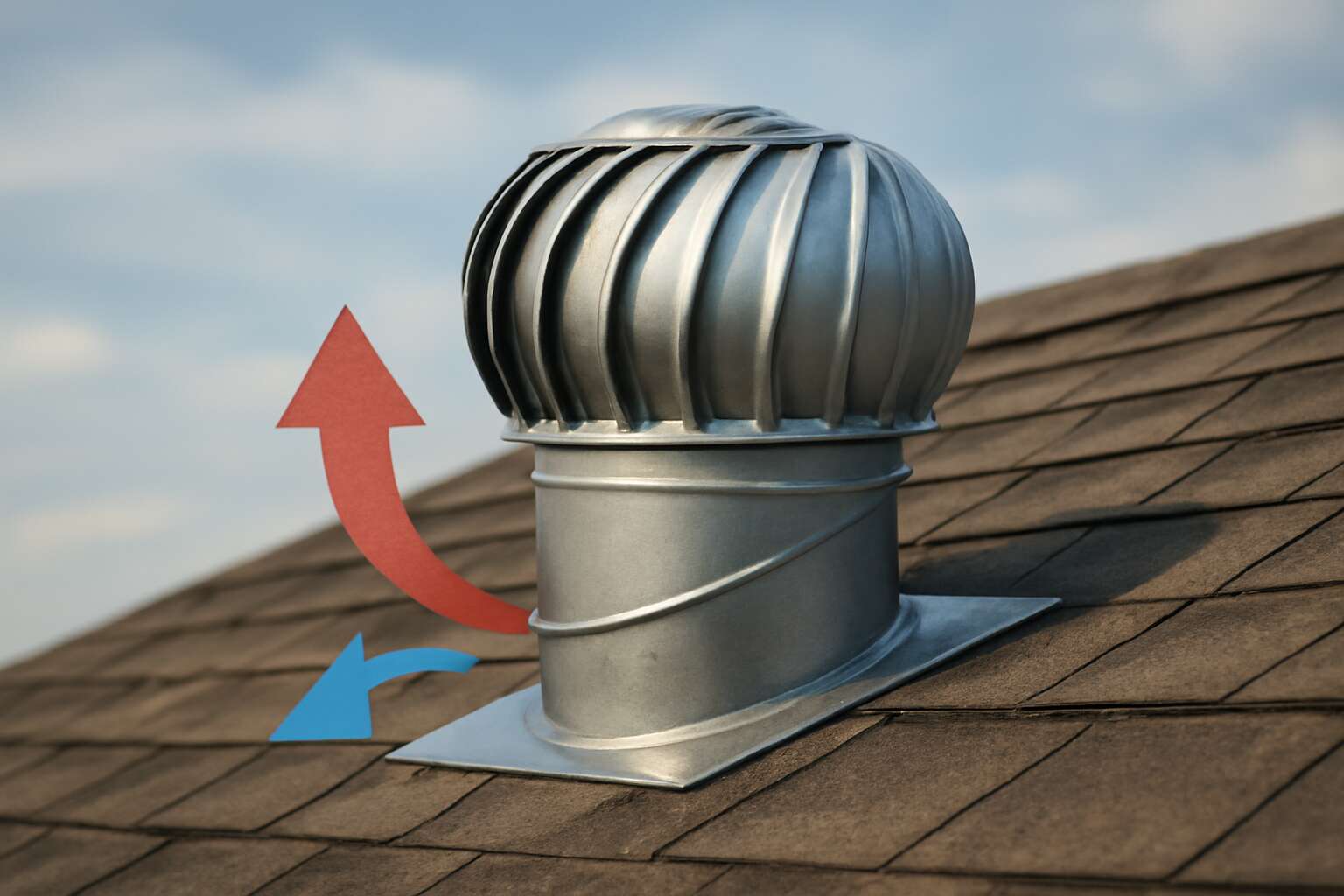
How Roof Ventilators Work: Core Principles
Ventilation Basics: attic pressure and air movement
A rooftop breath powers a home’s comfort, and on a hot South African afternoon the attic can feel like an oven—unless air finds its way out. The concept behind roof ventilator how it works is simple yet magical: hot air climbs, cooler air slips in, and the space becomes a steady, breathable haven.
- Buoyancy lifts warm air toward the peak while cooler air infiltrates from eaves.
- Attic pressure stays balanced, reducing heat pockets that fatigue timber and insulation.
- Natural convection is guided by wind and vent placement, creating a gentle upward current.
For builders, understanding roof ventilator how it works unlocks calmer roofs and a quiet, enduring rhythm through long South African days.
Key components: exhaust vents, intake vents, and fans
South Africa’s sun can turn an unventilated attic into an oven, but a well-tuned roof ventilator how it works reveals how air breathes and keeps the home comfortable. The essence is simple: heat escapes upward, cooler air slips in, and a steady draft balances the space from ridge to eaves.
Key components that make it work align with natural forces and a thoughtful layout:
- Exhaust vents at the peak give hot air a fast exit.
- Intake vents near the eaves invite cooler air to enter.
- Fans, whether passive or powered, help move air when wind is shy.
Together, these elements create a quiet, constant current that reduces damp heat and preserves timber and insulation against the South African heat. From years of observing roofs breathe, I’ve seen this quiet current calm interiors and extend roof life. This is the practical poetry of the roof’s breath.
Natural vs powered ventilation: when each works best
South Africa’s sun can turn an unventilated attic into an oven, yet a well-tuned system reveals how air breathes and keeps homes comfortable. I’ve watched roofs breathe on blistering afternoons, heat rising while fresh air slips in, balancing from ridge to eave.
Understanding roof ventilator how it works hinges on two forces: buoyancy and wind. Warm air climbs, cooler air rushes in, and a quiet current forms. Natural vs powered ventilation: when each works best.
- Natural ventilation relies on buoyancy and wind to move air with no moving parts.
- Powered ventilation uses a fan to guarantee air exchange when conditions stall.
- Placement matters: high exhausts with low intakes sustain a steady cross-draft from ridge to eaves.
Across SA homes, choosing between these modes shapes comfort, timber longevity, and insulation performance.
Thermal dynamics in roofing systems: heat transfer and humidity
South Africa’s summer sun can turn an unventilated attic into an oven! The heat climbs, and the roof becomes a channel for hot air that would rather stay inside. A well-designed roof ventilator changes that dynamic, slowing heat gain and keeping the ceiling cooler.
roof ventilator how it works rests on two forces: buoyancy and wind. When the attic air warms, it becomes lighter and rises; cooler air rushes in to replace it. A steady cross-draft from ridge to eave helps remove stale air and reduces humidity that can warp timbers and lines of insulation.
Core principles in practice include:
- Heat moves from warm to cool spaces, driving buoyancy.
- Wind pressure aids exhaust vents and intake placement.
- Humidity is carried out with the air, cutting condensation risk.
Types of Roof Ventilators and Their Functions
Static exhaust vents vs powered vents
South Africa’s sun can turn an attic into a convection oven; the right roof ventilator how it works can cut heat and humidity, saving on cooling costs. When choosing, two main types emerge: static exhaust vents and powered vents. Static options rely on natural airflow and buoyancy, while powered vents have dedicated fans that actively move air.
- Static exhaust vents (passive, no electricity)
- Powered vents (attic fans, turbine or ducted fans)
Static exhaust vents pull warm air out of the attic as it rises, creating negative pressure that pulls cooler air in from eaves or soffits. Powered vents, though more energy-hungry, maintain consistent airflow, reducing moisture and preventing condensation that can rot roofs.
Ridge vents, soffit vents, and turbine vents: where they fit
South Africa’s baking sun can turn an attic into a sweltering chamber, and the right roof design keeps temperatures in check. Understanding roof ventilator how it works unlocks a quiet, effective cool—without turning your roof into a wind tunnel.
Ridge vents lie along the roof’s peak, letting warm air escape as it rises.
- Ridge vents run along the roof peak to exhaust rising air and maintain a steady flow.
- Soffit vents sit under the eaves to draw cool air into the attic, feeding the ventilation loop.
- Turbine vents spin with the breeze, adapting to wind strength to pull air outward.
Together, these vents create a balanced breathing path from eaves to ridge, keeping attic humidity in check.
Imagine a roof that breathes!
Selecting the right type for climate and roof design
South Africa bakes its roofs, and attics can hit the mid-40s Celsius on scorching days. roof ventilator how it works is a quiet game changer: it lets hot air rise out and cool air sweep in, keeping temperatures honest without turning your roof into a wind tunnel.
Types and functions hinge on climate and roof shape. Here are practical options:
- Box vents (louvered) that slip into roof planes with minimal fuss.
- Gable vents for a simple, perpendicular air-path at the ends of the ridge.
- Powered attic fans that move air when sun and heat demand a little extra help.
This approach yields a balanced breath for the roof—calm and efficient.
How Roof Ventilators Improve Energy Efficiency
Reducing attic temperature: impact on AC load
South Africa’s summers push homes to the brink; attic heat can spike interior temps and drive air conditioning up. The roof ventilator how it works is a quiet ballet: hot air rises and escapes through upper vents while cooler air slips in from the soffits, lowering the attic’s temperature and easing the AC load.
- Lower attic temperatures reduce cooling demand and compressor cycling
- Less heat transfer to living spaces keeps interiors steadier
- Better humidity control supports comfort with less energy use
With a cooler attic, the conditioned space maintains its set point with fewer bursts of cooling, translating to tangible energy savings and longer equipment life.
Moisture control and mold prevention
South Africa’s summers push homes to the brink, and attic heat often translates into steamy living spaces and higher bills. The roof ventilator how it works is simple yet transformative: hot air rises, escapes through upper vents, and cooler air slips in, cooling the attic and easing AC demand.
- Moisture balance keeps attic humidity in check, reducing condensation on cold surfaces.
- Mold prevention by limiting damp, stagnant pockets that invite fungi and musty odors.
- Humidity stabilization supports interior comfort and protects insulation and timber from moisture damage.
When attic moisture stays in check, cooler, steadier temperatures reduce compressor cycling and extend roof system life. The attic breathes easier, a faint whisper of airflow guiding refreshment. The result isn’t just energy savings; it’s lasting comfort under South Africa’s heat.
Seasonal considerations and energy savings
South Africa’s sun-scorched summers push homes toward the edge of comfort, where attic heat becomes living-room heat. The roof ventilator how it works is simple: hot air rises, escapes through upper vents, and cooler air slips in, cooling the attic and trimming AC demand.
Seasonal considerations shape how you ride the breeze.
- Summer peaks: maximize exhaust and intake balance to combat blazing attic temps.
- Shoulder seasons: moderate airflow prevents damp pockets as nights cool.
- Wind patterns: prevailing breezes help or hinder depending on vent placement.
When the attic breathes easier, compressor cycling shortens, and energy bills quietly shrink, delivering lasting comfort under South Africa’s heat.
Cost vs benefit: ROI and payback periods
Across South Africa’s sun-scorched suburbs, the roof ventilator how it works is a quiet revelation: hot attic air escapes through upper vents while cooler air slips in, cooling the space and easing the AC burden. The payoff arrives as steadier indoor comfort and gentler electricity invoices, turning a modest investment into a long, cool sigh on the hottest days.
ROI drivers include lower cooling demand, longer compressor life, and improved humidity control in the attic.
- Slashed peak-load usage during scorching spells
- Reduced maintenance and longer life for HVAC equipment
- Lower risk of moisture-related damage and mold growth
In South Africa, payback periods commonly fall between two and five years, with higher electricity tariffs shortening the horizon.
Installation, Maintenance, and Safety
Proper placement and sizing calculations
Installation relies on keen placement and mindful sizing. I’ve seen roofs sag with vents that crowd the ridge, and others howl under wind when the openings misbehave. Here in South Africa, the heat can whisper through attic spaces; understanding roof ventilator how it works helps designers pair exhaust with attic currents, balancing pressure and moisture so heat drains away rather than seeping into the rafters.
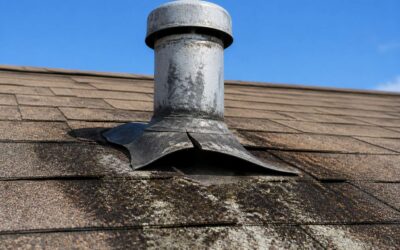
Maintenance is a quiet vigil: inspect seals, clear debris, and check the alignment between intake and exhaust. A well-kept unit resists corrosion and keeps humidity at bay, preserving roof life and interior comfort without screaming for attention from the clouds above.
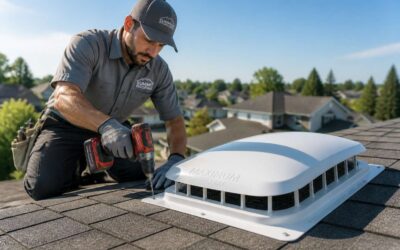
Safety should precede every bolt. Work in dry moments, wear fall protection, and respect the roof’s wear and tear. Proper placement and sizing calculations, treated with due reverence, shield occupants and the timber from hidden stresses that lurk in the attic’s shadows.
Electrical and wiring considerations for powered vents
Installation hinges on precise placement and solid mounting. The powered vent belongs where attic currents meet, not where heat lingers. Understanding roof ventilator how it works helps align exhaust with incoming air so heat escapes rather than ferments in rafters. In South Africa, the right placement calms the attic and lightens the cooling load.
Maintenance is a quiet vigil: seals stay tight, debris is cleared, and vibration remains minimal.
- Seals and housing
- Debris clearance
- Wiring and bearings
Safety and electrical considerations demand respect for dry conditions and fall protection. Weatherproof enclosures, grounding, and proper routing keep the system durable in SA’s climate.
Maintenance routines: cleaning, inspections, and replacement
Installation centers on locating the roof ventilator where attic currents meet, not where heat lingers. It sits firmly on a clean surface with flashing to prevent leaks. A quiet attic and a lighter cooling load come from smart alignment—understanding roof ventilator how it works.
Maintenance routines emphasize keeping seals intact and watching for wear so parts can be replaced when needed.
- Seals and housing: integrity and mounting security
- Debris clearance: keeping intake and exhaust clear of obstructions
- Wiring and bearings: status of connections and lubrication needs
Safety and electrical considerations demand respect for dry conditions and fall protection. Use weatherproof enclosures, grounding, and proper routing to prevent corrosion and risk in SA’s climate.
Safety tips during installation and operation
Installation focuses on placing the roof ventilator where attic currents meet, not where heat lingers. A clean surface with flashing stops leaks and keeps panels quiet. Understanding roof ventilator how it works helps installers choose spots that maximize airflow across South African roofs.
Maintenance keeps seals intact, debris cleared from intakes and exhausts, and bearings well lubricated. Regular inspections catch wear before it becomes a leak risk, and components can be replaced quickly to preserve performance.
Safety tips during installation and operation: work in dry conditions, use fall protection, and ground powered units. Use weatherproof enclosures and proper routing to prevent corrosion in SA’s climate.
- Always wear protective gear and use a fall-arrest system when on rooftops!
- Secure ladders and establish stable footing before starting
- Inspect wiring routing for moisture and corrosion risks

0 Comments