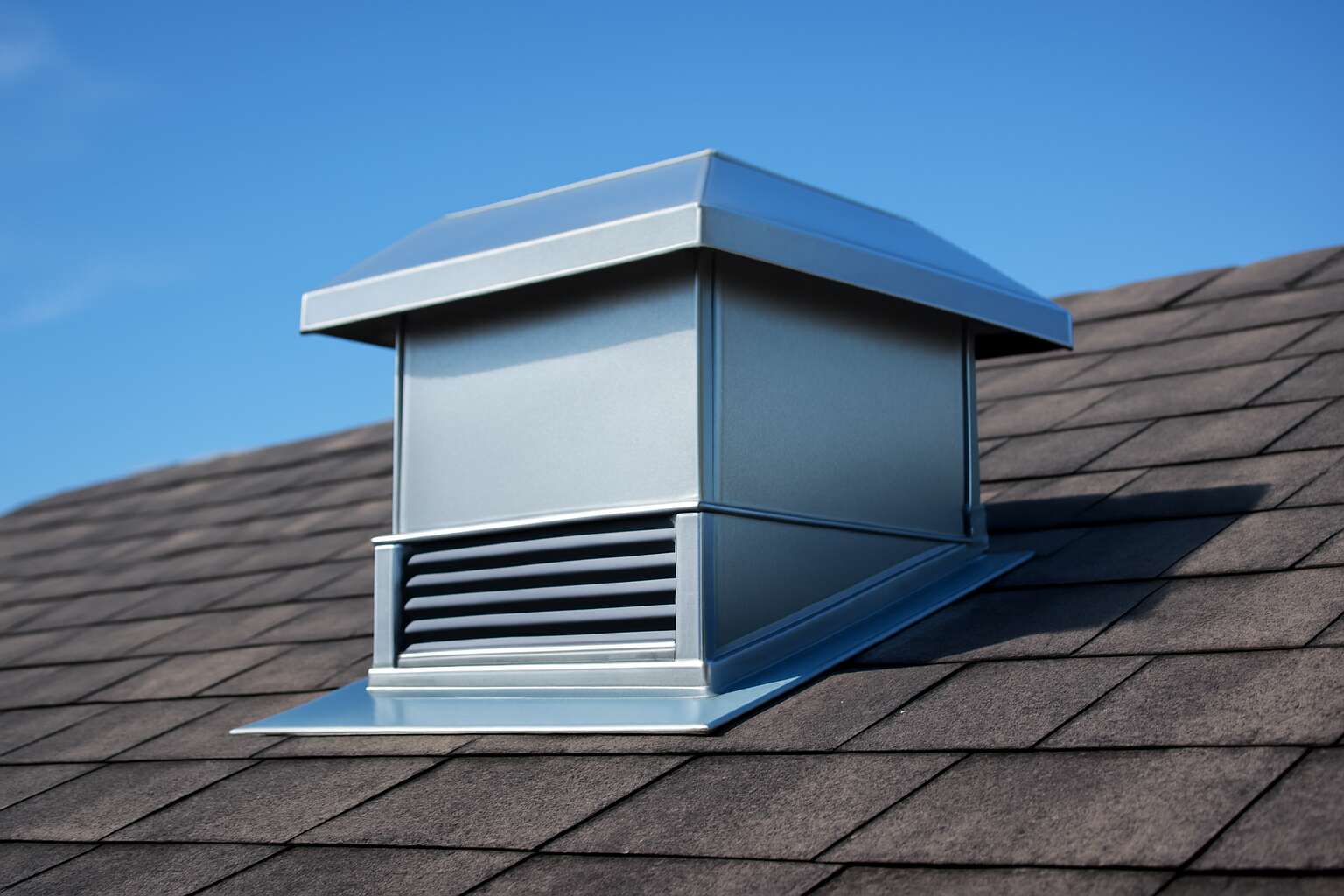
Understanding roof vent systems
What is a roof vent system?
Across South Africa, attic heat acts as a hidden energy thief, with cooling losses tracing back to stifled ventilation—up to a quarter of cooling bills can be tied to poor airflow. A roof vent system stands as a quiet guardian of comfort, exchanging hot indoor air for cooler outdoor air without fuss.
What is a roof vent system? It is a small, purposeful network that keeps air moving along the roofline: intake vents under the eaves, exhaust outlets at the ridge, and a roof vent unit guiding the flow. The following components work in concert:
- Intake vents under the eaves
- Exhaust outlets at the roof ridge
- A durable roof vent unit to channel airflow
Together, they deter moisture buildup, curb heat buildup in living spaces, and safeguard roof timbers—preserving value with quiet, steadfast efficiency.
Key components and how they work
Across South Africa homes, attic heat is a sly energy thief, gulping cooling budgets when airflow goes on holiday. A roof vent system isn’t flashy, but it quietly keeps air moving along the roofline, making comfort less guesswork.
Understanding the key components and how they work helps you read the system like a pro:
- Intake vents under the eaves draw in cooler outdoor air.
- Exhaust outlets at the roof ridge expel warm, moist air.
- A durable roof vent unit channels the airflow, acting as the brain of the operation.
With air cycling from intake to exhaust, moisture fades and timber stays happier, all while cooling losses stay polite rather than savage.
Materials and design considerations
Across South Africa, attic heat can climb 15–20°C above living spaces on blistering afternoons, quietly draining comfort and budgets. Understanding roof vent systems frames how this unseen furnace is tamed—the right system acts as a subtle conductor, guiding air along the roofline with quiet authority.
The materials and design choices matter as much as placement. Choose housings with corrosion resistance for coastal sites, UV-stable plastics for sunlit roofs, and gasket systems that seal against humidity. A well-conceived roof vent unit balances intake and exhaust, withstands wind pressures, and minimizes noise while staying discreet on tiles or metal.
- Durable, weatherproof housings suited to SA climates
- Thoughtful airflow paths that resist wind lift
- Easy maintenance access with insect protection
Impact on energy efficiency and moisture control
Across scorching South African afternoons, attic heat can sit 15–20°C above living spaces, quietly inflating the cooling bill. That heat isn’t just uncomfortable—it erodes energy efficiency and nudges moisture to linger where it shouldn’t. A well-matched roof vent unit acts as a quiet regulator, expelling hot air along the roofline while inviting cooler air to replace it, balancing intake and exhaust and resisting wind-driven backflow.
- Lower peak cooling loads by removing attic heat before it migrates indoors
- Enhanced moisture control reduces condensation and mould risk
- Protection for insulation and timber through stabilized attic humidity
Energy efficiency and moisture control hinge on airflow paths that harmonize with climate and construction. When the unit is tuned to local winds and humidity, it helps keep temperatures sensible and indoor air drier, quietly supporting comfort without soaring bills.
Building codes and installation guidelines
Across scorching South African afternoons, attic heat can sit 15–20°C above living spaces, inflating cooling costs. A well-chosen roof vent unit helps by expelling hot air along the roofline and inviting cooler air to replace it, balancing intake and exhaust. Understanding roof vent systems in local conditions sets the stage for performance.
Building codes and installation guidelines aren’t afterthoughts—they shape safety and results. In South Africa, comply with local energy and wind standards when selecting and placing a roof vent unit.
- Align with SANS 10400-XA energy guidance and wind loading for the roof vent unit
- Use proper flashing, seals, and weatherproof details around the roof vent unit
- Ensure correct sizing and location of the roof vent unit to prevent backflow
Sound installation means secure attachment to the deck, clearances from insulation, and mindful vent routing so the roof vent unit delivers steady airflow without drafts.
Comparing different venting solutions for roofs
Soffit vents vs ridge vents: performance overview
South Africa’s summers remind us that ventilation is a quiet engine of comfort. When roofs breathe, interiors stay cooler and moisture remains in check. In the debate between soffit vents and ridge vents, the best choice depends on climate, roof shape, and airflow patterns. A properly matched vent unit helps air reach where it belongs.
- Soffit vents supply cool air at eave level, feeding the under-deck zone.
- Ridge vents provide an exhaust path along the peak for hot air.
- Pairing methods can balance flow, but require precise sequencing with insulation and a roof vent unit.
Ultimately, the right setup aligns with attic design and local conditions. A thoughtful roof vent unit supports whichever path—soffit or ridge—offers the most reliable, energy-friendly performance for SA homes.
Turbine vents and powered options: when to use
SA summers turn rooftops into heat engines, and attics feel the burn. A recent SA homeowners survey suggests two-thirds notice hotter upstairs in summer, underscoring the roof vent unit’s quiet leverage. Turbine vents thrive on wind-driven exhaust, while powered options assure a constant pull when wind is shy. The right match depends on climate, insulation, and energy costs—no one-size-fits-all answer here.
Consider a concise trio within a well-tuned system:
- Turbine vents for low-profile, wind-assisted exhaust
- Powered roof vents for steady performance
- Hybrid or solar-assisted variants when electricity is a premium
With the attic designed around local conditions, airflow finds its proper path, and comfort follows.
Flat roofs and deck mounting: suitability and requirements
Heat climbs quickly on South African roofs, and two-thirds of homeowners report hotter upstairs in summer. When you’re evaluating venting options for flat roofs and deck mounting, the choice can determine comfort as much as cost. A thoughtful approach aligns airflow with roof exposure and moisture control, avoiding heat traps and damp corners.
In a well-matched system, a roof vent unit tailored for flat surfaces and deck connections offers straightforward installation and reliable exhaust. Consider these suitability factors:
- Flat roofs demand careful water sealing and pitch-aware flashing
- Deck-mounted vents require ballast or secure fasteners to resist wind uplift
- Maintenance access and insulation compatibility prevent future leaks
While turbine and powered options have their place, flat-roof and deck setups benefit from simple, robust designs. Look for low profile hardware, corrosion resistance, and proven weatherproofing that fits SA conditions.
Pros and cons and cost considerations
Heat climbs fast on SA roofs, turning venting into a comfort and cost concern. A well-matched roof vent unit balances exhaust with the building’s layout, reducing upstairs heat and damp pockets. When comparing options, I’ve seen airflow paths align with roof exposure, avoiding heat traps and damp corners.
- Pros: straightforward installation and durable weather performance in SA conditions
- Cons: airflow can be uneven on larger flat areas; requires careful flashing
- Cost considerations: higher upfront for robust seals, but potential long-term energy savings
Ultimately, the choice hinges on project specifics: roof layout, maintenance expectations, and climate pressures in the region.
Sizing and balancing for optimal airflow
Heat climbs fast on SA roofs, turning shade-seeking into a strategic game. A well-tuned roof vent unit can shave comfort-robing degrees from upstairs and curb damp pockets—think of it as the roof exhaling. “Let the roof breathe,” one installer often says.
When comparing options, sizing and balancing for optimal airflow matters. A properly sized vent configuration aligns exhaust with the house’s layout and roof exposure, minimizing heat traps.
- Roof footprint and attic volume
- Local climate and humidity patterns
- Wind exposure and prevailing air paths
- Flashing integrity and seal quality
- Maintenance expectations and access
Balancing airflow isn’t one-size-fits-all; the goal is a quiet, even draft that travels with the sun’s arc.
Installing a new roof vent system
Assessing attic space and airflow needs
“Ventilation is not a luxury; it is a building’s lifeblood,” says a veteran roofer, and the roof vent unit makes that truth feel tangible. Installing a new roof vent system reshapes heat and humidity into a steady, breathable rhythm that protects living spaces without fanfare.
Assessing attic space and airflow needs starts with quiet measurements and honest questions. Look at attic volume, insulation continuity, and moisture indicators to gauge how the roof vent unit will perform in South African summers and cool nights. Consider these factors:
- Attic volume and ceiling layout
- Insulation gaps and seal integrity
- Moisture and humidity levels
From this reconnaissance, the optimal vent system becomes a balanced partner, affirming comfort while preserving the home’s structural poetry.
Sizing and selecting the right vent type
A sharp breeze through the attic can trim cooling costs and steady the home’s climate, and a properly sized roof vent unit does just that. I’ve seen cramped attics loosen their grip on living spaces when the vent’s rhythm matches the house’s heartbeat.
Sizing and selecting the right vent type hinge on balancing airflow with resistance, roof geometry, and South Africa’s climate quirks.
- Roof pitch and deck layout compatibility
- Noise tolerance and fan speed options
- Compatibility with soffit or ridge ventilation strategies
When the match is right, the vent unit becomes a quiet partner—cooling summers and preserving the home’s quiet poetry.
Installation best practices and safety
Ventilation remains the silent ally of climate control; in SA homes, a correctly installed roof vent unit trims cooling costs and keeps attic heat from seeping into living spaces. The moment of fit matters just as much as the component itself—precise placement, clean sealing, and harmony with the roof’s silhouette.
Best practices and safety begin in planning. The following considerations help ensure a durable, efficient fit:
- Roof deck integrity, dryness, and load-bearing capacity are evaluated.
- Flashing and exterior sealants are specified to ensure a watertight transition.
- Airflow alignment is considered to preserve soffit and ridge ventilation paths.
Safety remains paramount: electrical work, if any, is isolated; fall protection and PPE are standard; and manufacturer instructions guide every fastener and flashing detail, protecting both installer and roof vent unit over years of heat and wind.
Vent placement, flashing, and weatherproofing
A roof vent unit may look modest, yet it is the quiet thermostat of a SA home. On blistering afternoons, attic air climbs and whispers heat into living spaces. A well-fit vent reduces that burden and makes cooling feel effortless. The moment of fit matters as much as the unit itself—precise placement shapes the breeze along the roof line.
Vent placement, flashing, and weatherproofing are the three pillars of a durable roof vent system. They kiss the roof with a watertight seal, guiding airflow along soffit and ridge lines!
- Alignment with soffit and ridge ventilation paths
- Flashing that seals the interface between vent and roof
- Weatherproof sealants suited to the roof’s pitch and material
This roof vent unit stands ready to serve as a quiet guardian against heat and moisture, turning another SA afternoon into a cooler, calmer chorus inside the home.
Common installation pitfalls to avoid
Installing a new roof vent unit in a South African home carries more weight than a simple add-on. A misfit can trap heat, invite moisture, or derail airflow when the sun blazes. A careful fit preserves comfort as seasons shift, turning the attic’s whisper into a cool, calm chorus.
- Misalignment with soffit and ridge ventilation paths
- Gaps or improper flashing that compromise the watertight seal
- Weatherproof sealants not suited to the roof’s pitch or material
Viewed through this lens, it becomes a quiet guardian, guiding air along the roofline and away from living spaces. When installation is approached with care, its performance stays steady through SA’s heat waves and sudden storms.
Maintaining and troubleshooting attic ventilation
Regular inspections and signs of trouble
A brisk attic breath is more than comfort—it’s the quiet guardian of a roof’s longevity. In South Africa’s climate, a properly functioning roof vent unit moves heat and humidity out, preserving insulation. A steady draft isn’t flashy, but neglect shows as higher energy bills and damp corners.
Regular inspections are a habit, not a luxury. If the attic feels warmer or damper with the seasons, that can signal airflow trouble in the roof vent unit. Watch these signs:
- Damp or musty smells in the attic
- Condensation on insulation or rafters
- Hot spots or uneven temperatures in the attic
- Debris clogging vents or sagging louvers
Troubleshooting isn’t about quick fixes; it’s about reading the building’s heartbeat. When changes arise, treat them as signals to call a professional who can balance airflow and check weatherproofing and flashing, keeping your roof vent unit functioning with integrity.
Cleaning and maintenance for efficiency
Maintenance of attic ventilation is more than routine; it’s a quiet oath to durability. In South Africa’s heat and humidity, the roof vent unit quietly moves heat and moisture toward the roofline, keeping insulation honest. It’s not flashy, but its work shows when drafts falter or the attic grows clammy.
Cleaning and maintenance for efficiency means stewarding balance, not chasing shortcuts. Consider routine checks as conversations with your roof’s interior climate. The rewards—
- Consistent airflow and balanced temperatures
- Dry insulation and reduced dampness
- Stable energy costs through efficient ventilation
Troubleshooting is reading the building’s heartbeat. When concerns arise, a trusted professional can assess the roof vent unit and its performance, ensuring weatherproofing and flashing hold steady and that airflow remains true.
Diagnosing common ventilation issues
“Ventilation is the quiet engine of comfort,” a veteran SA roofer likes to say. Diagnosing attic ventilation isn’t about drama; it’s about listening to the building’s heartbeat. In South Africa’s heat and humidity, the roof vent unit quietly moves heat and moisture toward the roofline, keeping insulation honest. It’s not flashy, but its work shows when drafts falter or the attic grows clammy.
- Unusual drafts in the living spaces below
- Warm patches near the eaves or apex
- Condensation or dampness on rafters
When concerns arise, a trusted professional can read the attic’s rhythm, assessing airflow balance, insulation integrity, and flashing to ensure weatherproofing remains stout and that the building’s climate remains civil.
Seasonally responsive maintenance tasks
Seasonal care keeps the roof vent unit singing through SA summers and stormy winters. “Ventilation is the quiet engine of comfort,” echoes in my mind as a reminder to listen for whispers of warmth near eaves and damp rafters. Each season asks for a patient, precise touch.
Seasonal checks that keep air moving are simple and precise:
- Spring: clear debris from soffit vents, inspect for moss or nibbling pests, and ensure openings breathe freely.
- Summer: test the attic’s airflow by feeling for a gentle draft near vent outlets, and reseal any frayed flashing around the base.
- Autumn: wipe down vents, remove dust, and check insulation ends near ducts for moisture creep.
When to call a professional
In SA homes, the attic breathes along with your cooling system, and a sluggish roof vent unit can turn comfort into a sauna. “Ventilation is the quiet engine of comfort,” and it earns its keep by moving air without fanfare. When the attic isn’t ventilating properly, you’ll feel it in hot evenings and damp rafters. A little routine maintenance keeps the system singing and your energy bills from screaming!
- Debris buildup blocking soffit or ridge vents shows airflow pathways
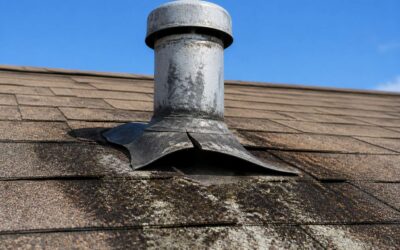
- Moss, staining, or damp insulation near the attic peak suggests moisture issues
- Unusual grinding, rattling, or whistling from the roof vent unit hints at mechanical strain
- Flashes and seals around vent base showing gaps indicate potential leaks
If problems linger after these checks, it’s time to call a professional who can assess airflow balance and fix flashing, ducts, or insulation edges without turning your roof into a DIY circus.


0 Comments