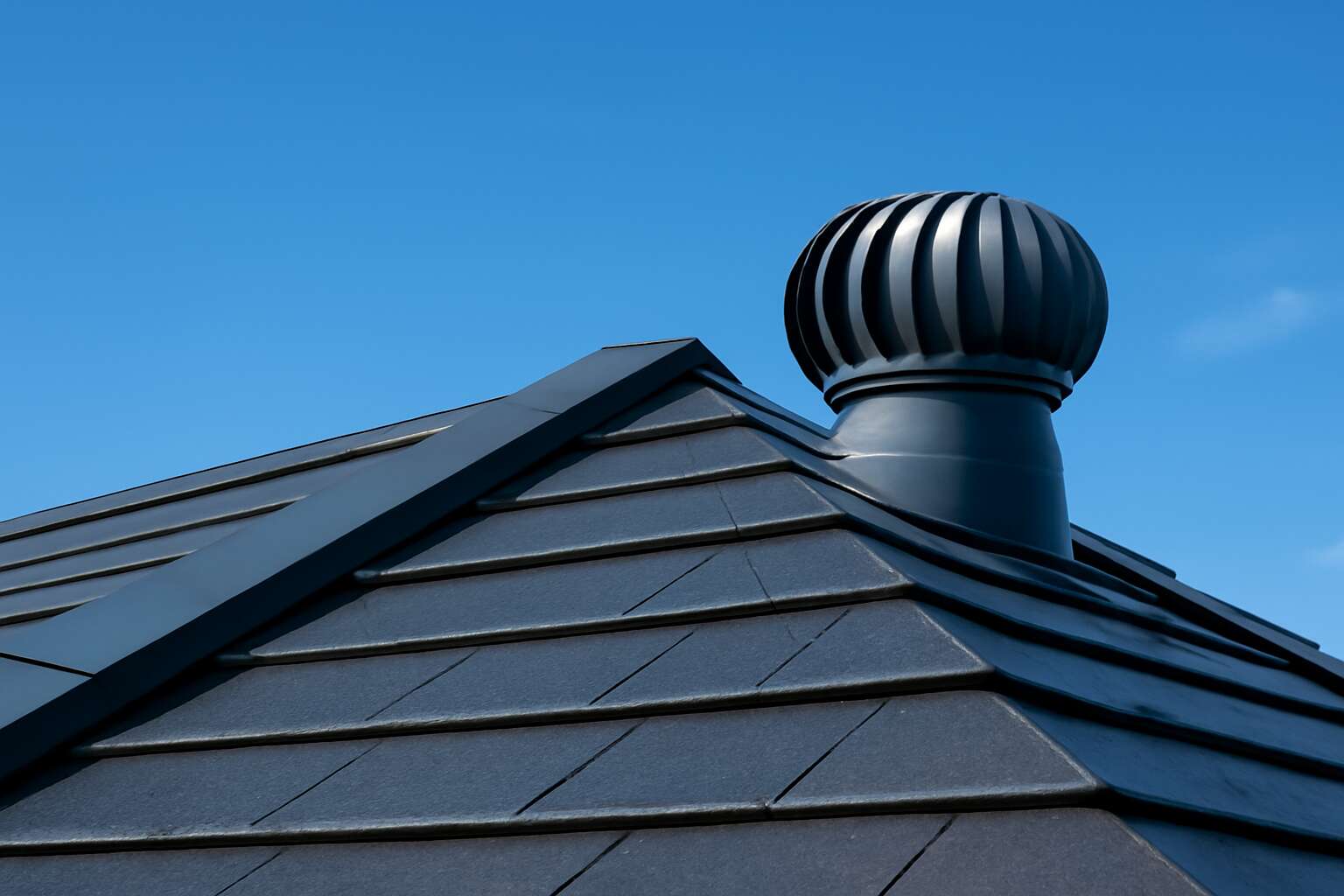
Roof Ventilation System Design Essentials
Fundamental Principles for Roof Ventilation
South Africa’s rooftops can feel like ovens in the afternoon; a well-tuned roof ventilator design keeps spaces cooler and trims the need for air conditioning. The principle is simple: harness stack effect, respect wind patterns, and avoid dead zones where hot air stagnates. No cape-wearing heroics, just smart drafting.
With a keen eye for movement and material fit, the roof ventilator design should pair intake and exhaust sensibly, letting cool air enter low and exit high. It’s about predictable airflow, durability, and quiet operation that doesn’t rattle the neighbors.
Key considerations include the following:
- Airflow path integrity
- Vent placement relative to prevailing winds
- Condensation and humidity control
Materials, Durability, and Performance of Vents
South Africa’s rooftops bake in the afternoon heat, and the right roof ventilator design can trim that burden without shouting. The aim is predictable airflow: hot air rises and exits, cool air slides in quietly at the edges!
Materials drive durability and value. For coastal SA and sun-warmed roofs, choose stainless steel, coated aluminium, or UV-stable polymers that resist corrosion and fatigue.
- Stainless steel alloys for long life
- Coated aluminium for light weight and rust resistance
Durability and performance are inseparable. Look for weather seals, quiet operation, and fittings that resist wind-driven rain and temperature swings, keeping condensation down and the attic calm.
Layout, Geometry, and Aesthetics of Roof Vents
On South Africa’s sun-drenched roofs, the attic is a secret chamber until ventilation unlocks it. A precise roof ventilator design determines how heat escapes and cool air slips in along the edges, delivering predictable airflow that keeps upstairs rooms calmer without shouting through the tiles.
Layout, geometry, and aesthetics are not just decoration—they shape volume, pressure, and perception. Consider how ridge and eave dynamics form quiet channels, how vent shapes reduce drag, and how color and profile harmonize with the roofscape so performance and personality coexist on the skyline.
- Layout choices that follow roof silhouette and airflow corridors
- Geometry that minimizes drag and enhances seal against wind-driven rain
- Aesthetic integration with tiles, metalwork, and colour
Let the roof breathe with quiet authority, a mystery solved by design rather than noise.
Compliance, Testing, and Maintenance
On South Africa’s sun-baked rooftops, a roof ventilator design that hums quietly becomes the house’s lifelike heartbeat. The attic, once a sealed chamber, loosens its heat with grace, and the upstairs rooms breathe easier. A well-crafted system aligns with national building regulations and SANS standards, proving that compliance and performance can walk hand in hand.
Testing and maintenance are not afterthoughts; they are the steady heartbeat behind assured airflow. Consider these pillars:
- Compliance with South Africa’s regulatory framework and SANS standards
- Validated testing regimes simulating wind-driven rain and solar gain
- Ongoing maintenance philosophy to keep seals and drainage effective
With the right roof ventilator design, the roof’s quiet authority remains intact, year after year, through changing seasons and urban grime. In my experience, the mystery stays solved by design, not by noise.

0 Comments