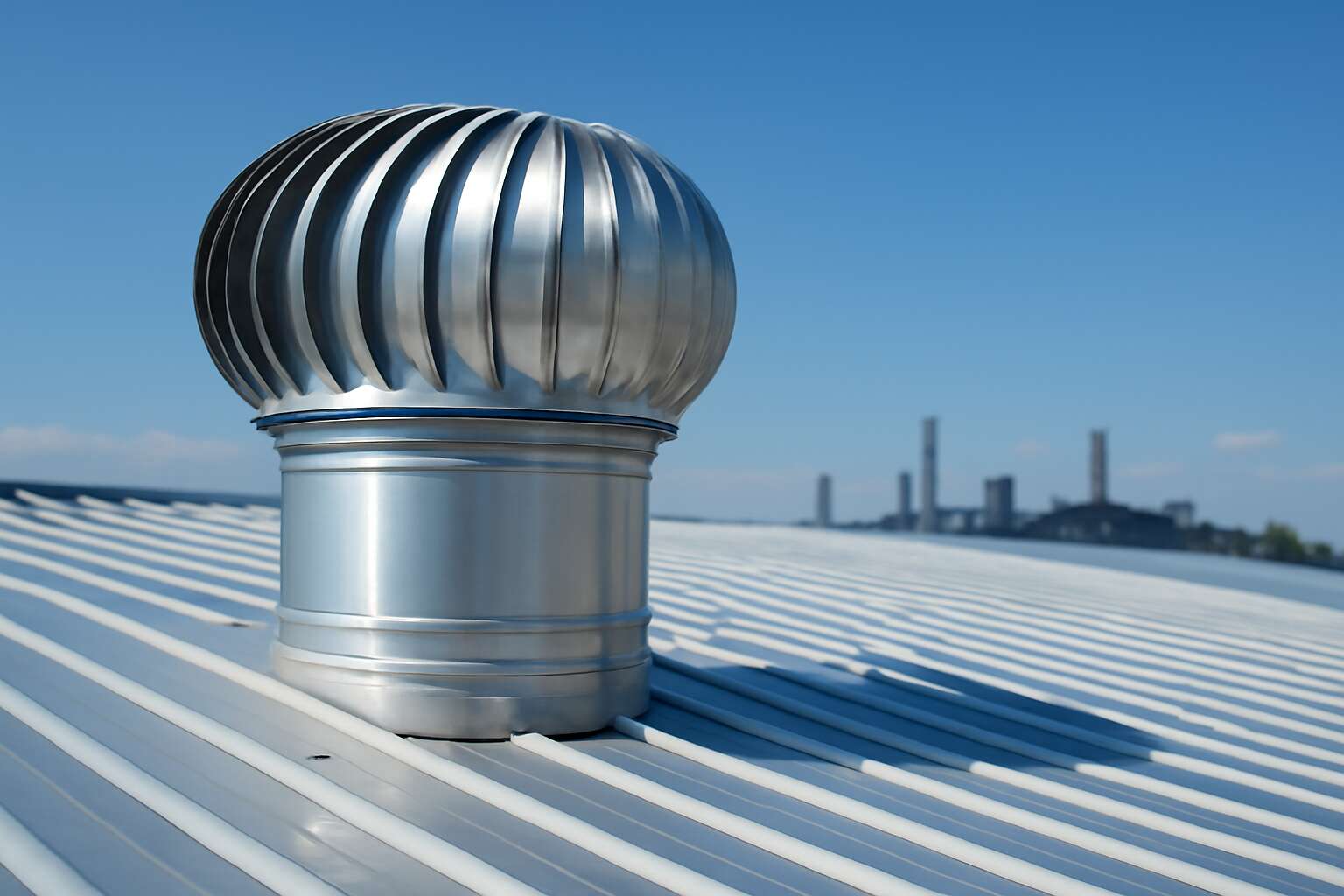
Overview of Industrial Roof Ventilation Systems
Definition and operation of an industrial roof ventilation device
In South Africa’s sun-drenched industrial bays, air is currency as much as oxygen. Proper ventilation can trim cooling costs by up to 20% at the height of summer—and that relief shows up in productivity and morale alike.
A roof-mounted industrial roof ventilator exhausts hot air and welcomes cooler air through designed openings. It relies on wind pressures and buoyancy, aided by variable-speed drives and simple controls, to keep spaces from feeling stifling.
- Exhaust capacity and air exchange
- Inlets, seals, and weatherproofing
- Controls and maintenance rhythm
Air moves with intention, and the industrial roof ventilator becomes a quiet partner in the pursuit of efficiency, safety, and human focus.
Key benefits: airflow, temperature control, and worker safety
Across South Africa’s sun-scorched industrial halls, air is currency as precious as ore. Even a modest breeze can transform cramped spaces: proper ventilation can trim cooling costs by up to 20% at the height of summer. Enter the industrial roof ventilator, a steadfast guardian of rhythm and relief.
The system’s benefits unfold in three tangible theatres on the shop floor:
- Airflow and air exchange rise, banishing stagnant pockets and spreading a refreshing sense of movement through the space.
- Temperature control keeps workers cool and equipment humming without the furnace-like glare of heat build‑up.
- Worker safety improves with steadier humidity levels, clearer sightlines, and fewer heat‑related symptoms during long shifts.
Tied to simple controls and routine maintenance, this rooftop ally becomes a quiet partner in the pursuit of productivity and comfort.
Types of industrial roof ventilation solutions: exhaust fans, roof vents, and air movers
In South Africa’s sunburnt factory aisles, clean air feels like an asset. An industrial roof ventilator is not decoration; it’s a rhythm-keeper that turns stagnant heat into a manageable breeze and helps keep the line moving when the sun is a drum solo on the roof.
There are three main flavors of industrial roof ventilation solutions that quietly do the heavy lifting:
- Exhaust fans who punch heat and fumes straight out of the building.
- Roof vents that act like passive lungs, drawing air in or letting it escape with little fuss.
- Air movers that shuffle air across workspace pockets, chasing pockets of stagnant air into the daylight.
Each option plays well with simple controls and routine upkeep, offering a modular approach to cooling, humidity and noise – without turning the shop floor into a wind tunnel. When paired with the right industrial roof ventilator strategy, volumes stay cooler and teams stay productive.
Important considerations before buying: capacity, climate, and building codes
Heat writes its patient, merciless rhythm across the South African factory floor, where the glare gnaws at the day. The industrial roof ventilator is no garnish; it is a rhythm-keeper that turns a furnace chorus into a bearable breeze, letting lines move with a steadier pulse even when the sun drums on the roof.
These devices arrive in silhouettes that pull heat outward, coax fresh air inward, or shuffle air through stagnant pockets, each carrying its own quiet gravity. Important considerations before buying:
- capacity and airflow requirements
- typical climate and humidity patterns
- building codes and safety standards
When the numbers align with the building’s bones, the space breathes cooler volumes, balanced humidity, and a steady cadence through the shift.
Design, Performance, and Energy Efficiency
Airflow metrics and CFM calculations
Design drives the quiet resilience of an industrial roof ventilator. In SA, a robust housing, corrosion-resistant finish, and a simple mounting system keep the unit performing without drama. The industrial roof ventilator should balance compact form with rugged reliability, ensuring serviceability through dry days and heavy rains.
Performance hinges on airflow metrics. CFM, or cubic feet per minute, is the yardstick; higher CFM means quicker air changes, yet real-world results suffer from duct losses and wind effects. Manufacturers publish performance curves showing how CFM evolves with speed and mounting conditions, helping engineers avoid under- or over-ventilating.
Energy efficiency ties power to CFM. Modern motors and fan blades optimize airflow with lower wattage, and variable-speed drives trim energy use without sacrificing requirements. For the SA climate, an energy-conscious design means dependable air changes while keeping annual kWh modest, especially when the industrial roof ventilator handles peak daytime heat.
Energy-saving technologies: EC motors and variable-speed drives
South Africa’s sun-baked afternoons demand more than function; they demand durability. A well-designed industrial roof ventilator offers a robust housing, corrosion-resistant finish, and simple mounting that stays reliable through dry days and heavy rains. In the end, durability is a quiet virtue!
Performance hinges on airflow metrics. CFM measures air changes per minute, but real results bend around duct losses and wind. Performance curves show how CFM shifts with speed and mounting, helping engineers avoid under- or over-ventilating.
Energy efficiency ties power to CFM. In SA, EC motors and variable-speed drives trim wattage while preserving required air changes, especially on peak daytime heat. Together with smart blades, they keep annual kWh modest for rugged settings.
- EC motors
- Variable-speed drives
- Smart controls
Noise, vibration, and mounting considerations
South Africa’s sun-scorched hours demand more than air; they demand resilience. A well-designed industrial roof ventilator balances form and flow, its rugged housing and sealed joints forming a quiet backbone of reliability. With simple mounting and sturdy finish, it endures dry days and heavy rains, turning potential clatter into a measured, musical hum.
Performance hinges on steady mounting and controlled vibration. When the unit is firmly set, airflow remains stable and noise stays low, even in gusts.
- Roof deck compatibility and weather sealing
- Vibration isolation with rubber mounts or springs
- Maintenance access and wind-resistance fastenings
Energy efficiency follows from smooth movement and damped resonance. An industrial roof ventilator that sits quietly on its mount consumes less energy per CFM, keeping SA heat at bay without excess noise!
Durability and weatherproofing for harsh industrial environments
Heat is constant on SA rooftops, but a thoughtful design shifts the balance! The industrial roof ventilator blends rugged housing with sealed joints, standing up to dust, heat, and rain. A carefully chosen unit delivers steady, predictable airflow.
Performance hinges on solid mounting and controlled vibration. When the base is true, airflow stays stable and noise stays low, even in gusts. We see quieter floors and steady throughput as a result.
Energy efficiency flows from smooth movement and damped resonance in an industrial roof ventilator. A quiet, efficient unit uses less energy per CFM, lowering operating costs in hot SA climates and keeping staff productive without excess disruption.
Durability and weatherproofing are non-negotiable in harsh environments. Key features include:
- Dust and water seals
- Powder-coated, corrosion-resistant housing
- Reinforced fastenings and vibration isolation
Applications by Industry and Environment
Factories, warehouses, and distribution centers
Factories in South Africa face heat and fumes that sap productivity. An industrial roof ventilator can cut peak temperatures and dial up air changes, helping workers stay alert and safe even on the hottest days.
For these environments, the solutions span from clean-room-adjacent plants to rugged warehouses and distribution centers. An industrial roof ventilator delivers reliable air changes with minimal footprint. Consider these common applications:
- Heavy manufacturing and metalworking plants
- Logistics hubs, warehouses, and distribution centers
- Food and beverage processing facilities
Cold storage, food processing, and cleanrooms
On South Africa’s hottest shifts, air becomes the quiet steward of safety and speed. As one plant manager put it, “Air is the line we do not see but cannot ignore.” An industrial roof ventilator dispels heat and fumes, turning sweltering shifts into hours of clearer thinking and safer work. It moves air with discreet elegance, boosting changes per hour without crowding the floor.
- Cold storage facilities
- Food processing facilities
- Cleanrooms
In cold storage, rapid air movement helps maintain product integrity and reduce condensation on packaging. In food processing, controlled air changes support sanitation and consistent temperatures. In cleanrooms, targeted ventilation aids particle control while keeping energy use sensible.
Climate-specific challenges: hot, dusty, and humid facilities
Across South Africa, the plant floor hums with potential and heat, and an industrial roof ventilator becomes a quiet strategist, orchestrating air movement across facilities that handle perishables, sterile processes, and precision assembly.
Applications by industry meet climate in a delicate balance: hot days, dusty spaces, and humid zones demand steady air turnover to stabilize temperatures, prevent condensation, and curb particulates. The industrial roof ventilator translates heat into clarity, guiding workers and processes with calm efficiency!
- Hot, sun-baked environments that raise ceiling temperatures and stress cooling systems
- Dusty, particulate-rich spaces that threaten equipment and product integrity
- Humid zones where condensation fosters corrosion and microbial growth
Acquisition, Installation, and Maintenance Best Practices
Sizing and selection guidelines for your facility
In South Africa’s industrial parks, heat spikes can push cooling loads up to 40% in peak shifts, making procurement a strategic move. When acquiring an industrial roof ventilator, align supplier reliability, lead times, and post-purchase support with your facility’s rhythms.
Installation and maintenance focus. Proper mounting, electrical safety, and durable sealing ensure longevity. Maintenance requires regular inspections, cleaning, and corrosion checks to sustain performance.
- Vendor support and service level agreements
- On-site electrical readiness
- Spare parts availability
Sizing and selection guidelines emphasize fit-for-purpose specs that withstand SA climate, occupancy heat, and dust, while prioritizing energy-efficient drives and durable motors. This approach reduces total cost of ownership and ensures dependable operation.
Installation tips: mounting, electrical connections, and safety
Acquisition is a rhythm as much as a decision. In South Africa’s industrial parks, heat spikes can push cooling loads up to 40% in peak shifts, so procurement timing matters. When procuring an industrial roof ventilator, align supplier reliability, lead times, and post-purchase support with your facility’s rhythms, and verify spare-parts availability and service commitments.
Installation should blend careful planning with clear records. Before mounting, confirm structural compatibility and vibration isolation.
- Mounting considerations: alignment, structural compatibility, vibration control
- Electrical considerations: conductor sizing, grounding, lockout-tagout readiness
- Safety considerations: fall protection, access clearance, weatherproof sealing
Maintenance is the ongoing discipline that preserves performance. Schedule regular inspections, cleaning, and corrosion checks to sustain airflow and extend the life of your industrial roof ventilator.
Maintenance schedules: inspection, cleaning, and part replacement
In South Africa’s industrial parks, heat spikes can push cooling loads up to 40% during peak shifts. Acquisition, Installation, and Maintenance Best Practices show that aligning supplier reliability, lead times, and post-purchase support with your facility’s rhythms makes the difference when sourcing an industrial roof ventilator. A timely decision helps uptime and worker comfort.
Installation considerations: structure compatibility, alignment, and vibration control matter just as much as buying quality. The right plan reduces noise and wear while easing future maintenance. Include a brief checklist below to frame your approach:
- Getting the physical fit right with the roof and structure
- Electrical readiness and safety protocols
- Secure sealing and safe access during service
Maintenance remains the steady drumbeat of performance—scheduled inspections, purposeful cleaning to prevent dust buildup, and timely part replacement to forestall failures. Document results, track wear, and ensure spare parts are available to reduce downtime.
Total cost of ownership: budgeting and ROI considerations
In South Africa’s bustling industrial parks, the real price of an industrial roof ventilator is measured over its entire life, not just the initial quote. A disciplined approach to acquisition, installation, and maintenance informs total cost of ownership and ROI in a way that price alone cannot. Budgeting should span upfront purchase, site preparation, ongoing energy use, routine maintenance, and eventual part replacement, giving management a clear view of value over years.
With ROI at the fore, align supplier reliability, lead times, and post-purchase support with your facility’s rhythms. A quality installation that respects the roof structure and minimizes vibration lowers noise and reduces maintenance surprises, protecting the industrial roof ventilator investment. Ongoing maintenance—documented checks, wear tracking, and ready spare parts—keeps downtime in check and life in force.
- Lifecycle budgeting elements
- Reliable supplier and after-sales support
- Spare parts and service readiness

0 Comments