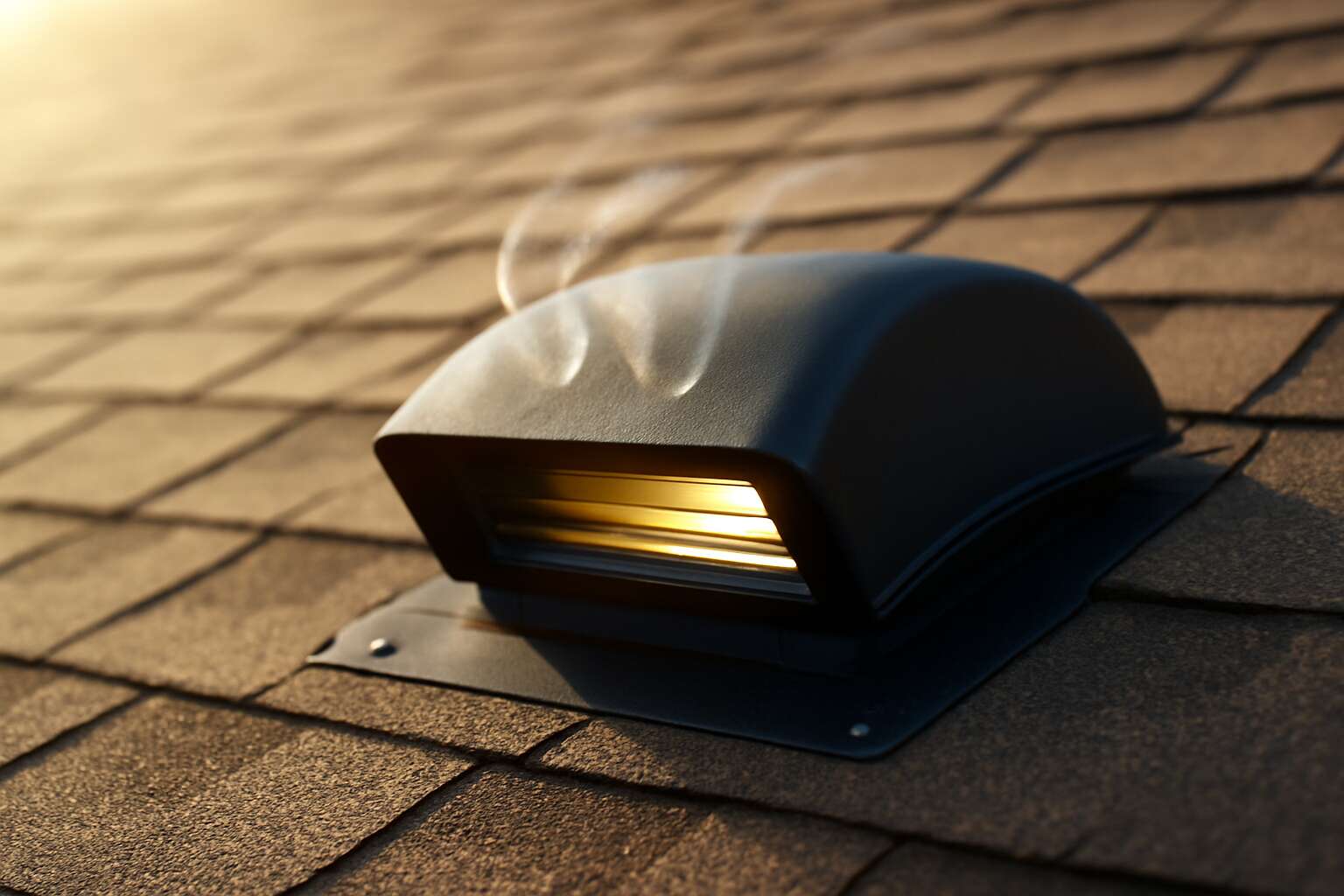
Understanding Odor Control for Roof Vents
Common causes of odors in roof vents
Across South Africa, around 1 in 5 homes report a persistent roof vent odor when moisture climbs. Odors drift from the attic into living spaces, a reminder that roofs are more than tiles. It’s a common issue!
Understanding roof vent odor control hinges on tracing signals to the usual culprits and how the climate shapes them. Common causes surface as damp insulation, animal activity, and blocked airflow.
- Moisture buildup in insulation and mold growth
- Animal activity, nests or droppings in vents
- Debris and stagnant air reducing airflow
These signals guide the path for diagnosis in SA homes. Odors creeping into living spaces highlight the need for mindful vent design and materials—a core tenet of roof vent odor control.
How roof vent design influences odor buildup
Attic whispers travel farther than you think when vent design drifts from its purpose. “The attic is a quiet furnace,” says a longtime roofer, and the downstairs rooms hear its choices—sometimes with relief, sometimes with a tinge of concern. Understanding how roof vent design influences odor buildup reveals why some homes stay crisp while others carry a subtle trace of the night air.
How air moves through a vent—its stack geometry, cap integrity, and how insulation meets the pipe—shapes odor potential.
- airflow pathways through the stack
- cap, flashing, and closure against weather
- insulation interfaces that seal or separate spaces
For SA homes, roof vent odor control hinges on designs that respect climate and occupant comfort.
Impact of ventilation type on odor control
In South Africa, up to 60% of indoor odor complaints trace to roof vents when airflow misbalances occur.
Understanding roof vent odor control begins with the lay of the land: the way air chooses its path through stack geometry, cap integrity, and how insulation meets the pipe writes the scent’s story. Different ventilation types write different chapters—natural convection, powered exhaust, and hybrid ensembles each sculpt how odors travel and settle.
- Natural stack ventilation invites swirls of air that can carry scents downward
- Powered exhaust protects living spaces by driving air outward
- Hybrid systems blend motion with restraint to balance aroma and air quality
When SA homes tilt toward cozy interiors, the precise choreography of vents, caps, and seals becomes a quiet guardian of comfort—one that makes the attic speak softly rather than shout through the night air.
When odors indicate a larger issue with ventilation
In SA, up to 60% of indoor odor complaints trace to roof vents when airflow misbalances occur. Odor is a messenger, not a mere nuisance. Understanding roof vent odor control starts with listening to that message and noticing how our breath and space mingle.
Odors ride currents carved by stack geometry, cap integrity, and how insulation meets pipes—the quiet choreography of air. We sense the balance first, but the mind translates scent into comfort, risk, and the insistence on clean, honest air.
- Air-path clarity keeps scents from looping back into rooms
- Seal integrity prevents spillage through tiny gaps
- Humidity and temperature shape how odors linger
Seen this way, stewardship of airflow becomes a quiet duty—subtle, ethical, and essential for SA living rooms at dusk.
Effective Methods for Managing Odor in Roof Vents
Regular inspection and cleaning routines
Odors creeping from roof vents signal more than a nuisance—it’s a warning about how air moves through a home. In South Africa, drafts and humidity swings amplify this problem. “Odor is a signal, not a mystery,” notes a building manager. Effective roof vent odor control begins with regular inspection and cleaning routines.
Regular upkeep matters because small blockages, moisture pockets, or organic buildup can intensify odors. Keeping vents clear and monitoring airflow helps maintain a balanced interior climate and protects roofline components from premature wear. This approach blends practicality with the pragmatism valued in South African homes.
- Regular inspections by a qualified professional
- Gentle debris removal and odor-neutral cleaning
- Monitoring moisture and sealing potential leak sources
Ultimately, steady attention to these details sustains comfort, keeps energy use from spiking, and avoids neglect that undermines a building’s ventilation story.
Deodorizing options compatible with vent systems
In South Africa’s climate, a whiff near a roof vent can reveal the home’s hidden airflow story. ‘Odor is a signal, not a mystery,’ a building manager reminds us. When viewed through that lens, deodorizing options compatible with vent systems offer a composed response to stubborn smells—an essential facet of roof vent odor control.
- Enzymatic HVAC cleaners designed to break down organic odours at their source.
- Vent-safe odor neutralizers or sprays that leave no sticky residue on grills or ducts.
- Activated carbon filtration inserts or cartridges tailored to roof vent housings.
- Moisture management and anti-mould treatments applied to attic interfaces that feed odours, compatible with vent systems.
These approaches respect airflow, avoiding heavy-handed remedies while preserving the integrity of roof vent odor control strategies that South African homes rely on daily.
Sealing leaks and addressing moisture
Roof spaces tell a story, and in South Africa’s climate a stubborn whiff near a roof vent reveals the home’s hidden airflow. A recent audit notes up to 40% of vent odors stem from moisture and leaks in the attic. Odor is a signal, not a mystery, and roof vent odor control works by listening to the building’s breath and guiding airflow away from living areas.
Sealing leaks and addressing moisture are the quiet conductors of this symphony. They curb damp hotspots that feed odours and keep mould in check at attic interfaces, preserving vent performance and long-term air quality.
- Attic moisture management that stabilises humidity
- Envelope integrity to curb unwanted ingress
Installing filters or screens to reduce odors
Odors escaping from a roof vent are not random—they are the breath of a building, revealing airflow patterns you can tune. In South Africa’s climate, moisture-laden attics amplify smells, and roof vent odor control hinges on listening to that breath. One clear method is filters or screens designed to trap odor-bearing particles before they mingle with living spaces.
Consider materials that resist SA heat and humidity and remain compatible with the system’s design.
- Reduces transfer of odors to habitable zones
- Supports steadier airflow by trimming back moisture-driven backdraft
- Protects vent components for longer service life
Used in concert with a broader moisture strategy, this approach strengthens overall odor control in the long run. The harmony between vents and living spaces is essential.
Ventilation upgrades to improve odor control
The attic breathes, and in South Africa’s heat that breath carries more than warmth. “Odor is the breath of the building,” a local HVAC expert says, a clue to airflow patterns you can tune.
Effective methods for managing odor in roof vents hinge on materials that endure SA heat and humidity and on designs that avoid moisture-driven backdraft. This is central to roof vent odor control. Choose corrosion-resistant metals or UV-stabilized plastics, and align components with the moisture strategy.
Beyond materials, odor control is harmony between vent and living spaces. A calm draft reduces smells traveling through ceilings.
- Material resilience to heat and humidity
- Compatibility with existing vent design and seals
- Integration with a broader moisture management plan
The result is a quieter home and cleaner air.
DIY vs Professional Odor Reduction for Roof Vents
Pros and cons of DIY maintenance
‘Odors never sleep,’ whispers the Cape roofer, and in the attic’s dim light the truth lands with cold weight. Odor control is more than maintenance; it’s the quiet shield that keeps a home from breathing its own shadows, especially under South Africa’s summer heat.
- DIY Pros: lower upfront costs and hands-on learning about the system
- DIY Cons: risk of incomplete sealing, leaks, and reduced long-term effectiveness
Professional odor reduction offers comprehensive diagnostics, proper sealing, and proven treatments that protect warranties and yield lasting relief. When odors persist or the system is complex, a pro is the more certain path for roof vent odor control in diverse SA climates.
Safety considerations for at-home work
Three in ten South African homeowners notice odors intensifying as the summer heat climbs; roof vent odor control becomes a quiet shield for a home’s breath. Odors ride the heat, curling through eaves and into living spaces, demanding attention rather than excuses.
DIY work carries safety stakes. Falls, electric hazards, and chemical exposure loom under a blazing South Africa sky.
- PPE, sturdy footwear, gloves, and eye protection
- Sturdy ladders, non-slip rungs, and fall restraint
- Turn off power, lockout circuits, and keep children away
- Check weather, avoid heat peaks, and postpone during rain or storms
Professional odor reduction offers comprehensive diagnostics, proper sealing, and proven treatments that protect warranties and yield lasting relief. When odors persist, the safer, smarter path is clear.
When to call a pro for odor issues
Three in ten South African homeowners notice odors intensifying as the summer heat climbs, and roof vent odor control becomes a quiet shield for a home’s breath. The attic’s whisper travels on hot currents, turning a harmless scent into a spectral presence at the pantry door.
DIY attempts tempt with a glimmer of courage, yet the night is long and hazardous—falls, electrical hazards, and moisture mischief can linger after a misstep! When the scent trails stubbornly despite a scrub or spray, it’s time to call a pro for odor issues. A skilled team can pinpoint hidden sources, seal weak points, and restore the home’s breath with care.
- Odors persist after basic cleaning
- Moisture or mould near vents appears or grows
- Unusual electrical smells or heat near the vent is detected
How to assess costs and warranties
A stubborn whiff can turn a sunlit kitchen into a cautious hallway, and roof vent odor control is rarely about fragrance. DIY attempts tempt with a spark of courage, yet safety risks and hidden moisture can linger long after the spray dries. For many South African homes, upfront costs and the promise of long-term relief push the decision toward a pro, who can map out the scent’s source and restore the home’s breath with care.
To assess costs and warranties, keep these in view:
- Upfront service call and assessment fees
- Costs for parts, labor, and any required repairs
- Warranty length, what it covers, and exclusions
- Manufacturer warranties on any installed components
- What is included in follow-up support or maintenance
With a professional approach, roof vent odor control often comes with clear quotes and peace of mind, a fair exchange for a home that breathes easy.
Choosing the right contractor for odor issues
One in three South African homes grapples with stubborn roof vent odor control that clings like morning fog after rain. DIY sprays promise quick relief, but the smell often returns, and safety or hidden moisture can linger long after the bottle is emptied. When the odor becomes more than a nuisance, the question shifts to who should tackle it: the at‑home sprayer or a pro who can trace the scent to its source and restore the house’s breath.
To guide the decision, consider these contractor criteria:
- Licensed and insured professionals with proven local experience in roof systems
- Clear, written quotes detailing assessment scope, component parts, and warranty coverage
- References or case studies from homeowners with similar homes
With the right partner, odor control moves from guesswork to clarity, offering peace of mind and a home that feels lighter and fresher!
Documentation and permits to expect
One in three South African homes battles stubborn odors from roof vents that cling like morning fog after rain. DIY sprays promise quick relief, yet the scent often returns and hidden moisture can linger long after the bottle is emptied. When the odor becomes more than a nuisance, the question shifts to who should tackle it: the at‑home sprayer or a pro who can trace the scent to its source and restore the house’s breath.
When weighing options, ask for documentation and permits to expect:
- Written assessment and scope of work
- Clear quotes detailing timelines and warranty coverage
- Permit and local compliance documentation (where required)
- Post‑work follow‑up and maintenance recommendations
For roof vent odor control, a licensed, insured pro who can trace the scent to its source offers clarity, documentation, and lasting peace of mind.
Choosing Products and Equipment for Odor Management in Roof Vents
Vent-safe odor neutralizers and deodorizers
In the quiet battle against lingering smells, the right product lineup is your strongest ally for roof vent odor control. Matching neutralizers to the source—moisture, decay, or airflow blockages—turns a stubborn whiff into a manageable note.
Choosing the right equipment means weighing safety, compatibility, and efficacy.
- Vent-safe odor neutralizers and deodorizers designed for ducts
- Enzyme-based cleaners that break down organic residues
- Low-toxicity deodorizing sprays with clear labeling
- Fragrance-free or mild-scent options to avoid masking the issue
For South African homes, seek products with low VOCs and materials compatible with common duct materials. Look for clear guidelines and warranties that support consistent performance without irritating odors or irritants.
Filters, screens, and traps to reduce odors
The hunt for effective roof vent odor control is more than chemistry—it’s discernment. Matching products to the source turns a stubborn whiff into a manageable note; moisture, decay, or airflow blockages each demand a different ally. The choices must balance safety, compatibility, and efficacy.
Look for duct-specific formulations: vent-safe odor neutralizers and deodorizers designed for ducts; enzyme-based cleaners to tackle organic residues; low-toxicity deodorizing sprays with clear labeling; fragrance-free or mild options that won’t mask the issue.
For South African homes, prioritize low VOCs and materials compatible with common ductwork. Clear guidelines and warranties support consistent performance without irritating odors. Choosing the right equipment for roof vent odor control is a quiet test of responsibility and precision.
Ventilation improvements to reduce odors
Performance over panic—that’s the motto for roof vent odor control. Getting the right products behind a roof line isn’t sorcery; it’s matchmaking between the source and a solution.
Market options span duct-specific formulations: vent-safe odor neutralizers and deodorizers designed for ducts; enzyme-based cleaners to tackle organic residues; low-toxicity deodorizing sprays with clear labeling; fragrance-free or mild options that won’t mask the issue.
- Duct-safe odor neutralizers
- Enzyme-based cleaners
- Low-VOC, fragrance-free sprays
For South African homes, prioritize low VOCs and materials compatible with common ductwork. Clear guidelines and warranties support consistent performance without irritating odors.
Choosing the right equipment for roof vent odor control is a quiet test of responsibility and precision.
Energy efficiency considerations when treating odors
Roof vent odor control isn’t about masking smells; it’s the art of matching the source to the right remedy while trimming energy waste. In South Africa’s climate, energy-conscious choices matter: field trials show homes with upgraded vent components report up to 20% fewer odor complaints.
Choosing products and equipment with energy efficiency in mind keeps performance steady without inflating bills. Look for options that work with existing ductwork and run quietly, so you don’t chase odors with louder fans or heavier energy use. Consider these energy-smart options:
- Low-VOC, fragrance-free formulations that minimize indoor air impact
- Duct-safe odor neutralizers designed to operate within standard duct systems without increasing fan load
- Enzyme-based cleaners that tackle organic residues at ambient temperatures, reducing energy needed for remediation

0 Comments