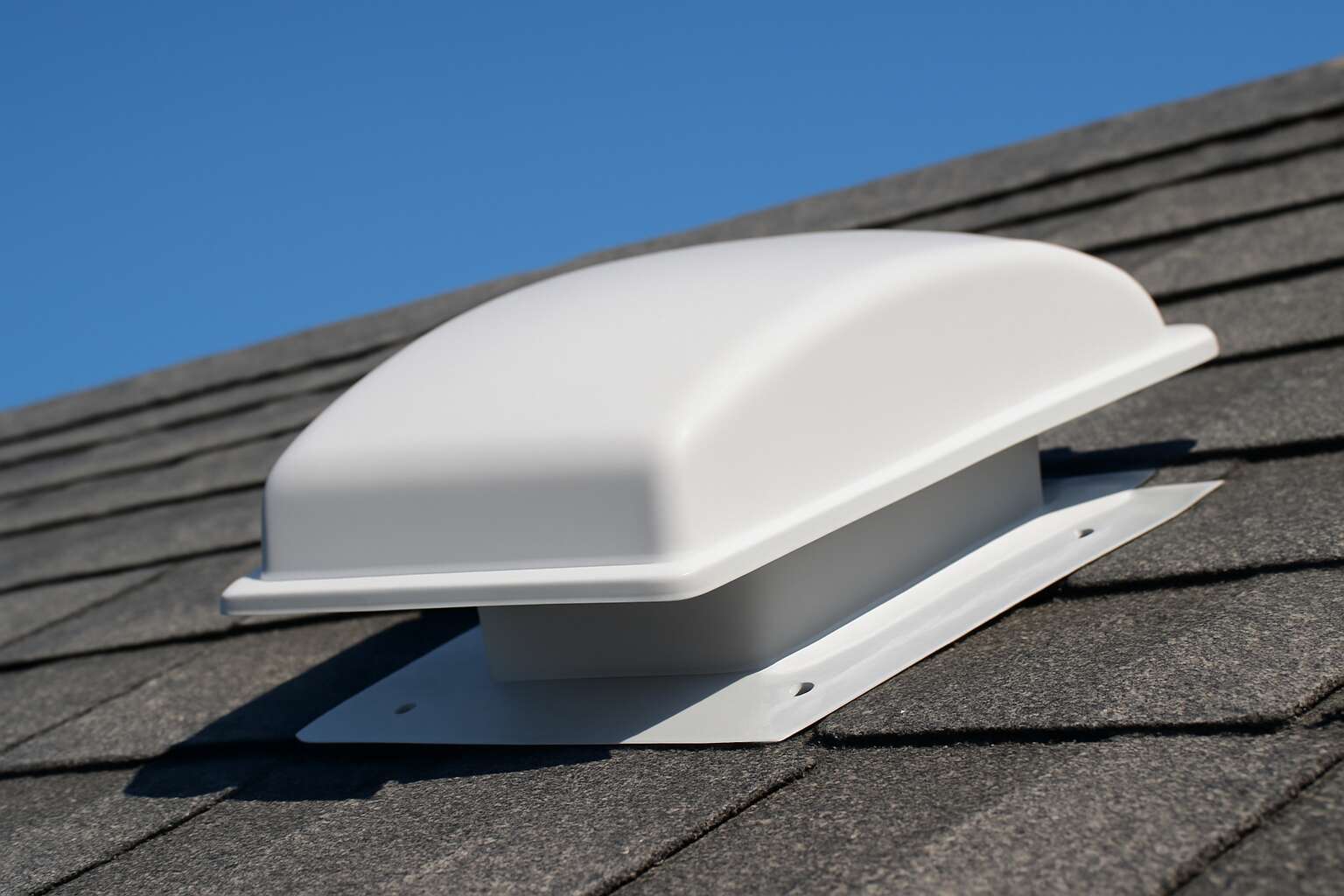
Understanding 7-Inch Roof Vents
What is a 7-Inch Roof Vent?
In a sun-baked Cape afternoon, a well-designed roof vent 7 inch can turn a steamy attic into a cooler, drier space. A roof vent 7 inch describes the diameter of the opening—an ideal balance that moves hot air out while drawing in cooler air, without inviting rain or pests. From Durban’s humid coast to Gauteng’s dry interior, this size often fits a wide range of roofs, delivering steady airflow without dominating the ridge line.
Key features include:
- Efficient cross-ventilation that reduces attic heat and moisture
- Weather-resistant cap with rain shield to withstand South Africa’s sun and storms
- Durable materials designed for long life under harsh UV exposure
In South Africa, 7 inch models come in UV-stable plastics or powder-coated metals, pairing well with tile and corrugated roofs while standing up to our climate’s sun, rain, and gusty winds.
Key Benefits for Attic Ventilation and Durability
Across South Africa, attic temperatures can soar well above outdoor heat, turning a sunny afternoon into a sweltering ceiling. A roof vent 7 inch plays the crucial role of steering hot air out and inviting in cooler breezes, smoothing the attic environment without inviting rain or pests.
Consider these benefits:
- Gentle, steady cross-ventilation that lowers attic temperatures and reduces moisture buildup
- A rain shield and weather-resistant cap that keeps drafts out during storms
- UV-stable or powder-coated materials that endure South Africa’s sun and wind
Durability hinges on thoughtful design and fit, with tile and corrugated roofs pairing well with a 7‑inch opening. This balance supports long-term performance and protects the roof structure from heat-related wear.
Common 7-Inch Vent Types and Their Uses
Across South Africa, attic heat can eclipse outdoor scorch by several degrees, turning a sunny afternoon into a furnace above the living space. A roof vent 7 inch acts as a measured breath—pulling hot air out and inviting a cooler current to circulate, all while staying unfazed by rain or pests. The design whispers rather than shouts, and its impact becomes clear when shade is scarce and roofs bear the sun’s memory.
- 7-inch static vent caps offer quiet, steady exhaust with minimal moving parts
- 7-inch turbine or whirlybird vents exploit wind to boost air exchange
- 7-inch weather-shield caps pair a rain shield with a durable cap for storms
For tile or corrugated roofs, a roof vent 7 inch opening strikes a balance between airflow and roof integrity, shaping durability and shielding the structure from heat-driven wear.
Choosing Between In-Line, Ridge, and Gable Installations
Across South Africa, scorching afternoons turn roofs into solar ovens, with attic temperatures often 5 to 10°C hotter than the shade outside. Understanding a roof vent 7 inch—and where to place it—can calm that heat with quiet efficiency. Between in-line, ridge, and gable installations, the choice shapes how air travels, how the roof breathes, and how long the structure lasts.
Here’s a simple way to weigh the options:
- In-line vents align with attic airflow and are straightforward to retrofit on many tile or corrugated roofs.
- Ridge vents run along the peak, delivering steady, cross-ventilation with minimal intrusion.
- Gable vents sit on end walls, offering quick relief for compact spaces and smaller roofs.
Whichever route you choose, the goal is a steady, quiet breath that keeps spaces cooler and roofs healthier through the seasons.
Sizing, Standards, and Compatibility
Measuring Your Roof for a 7-Inch Vent
Measuring for a roof vent 7 inch is a careful eye to airflow and comfort. When you size a roof vent 7 inch, align the opening with air paths, insulation, and the house’s rhythm. Start by mapping ridge length, existing openings, and rafters’ clearance to ensure the diameter fits without crowding.
- Opening placement and symmetry
- Rafter clearance and roof pitch
- Material compatibility and sealing
Standards matter. In South Africa, ventilation compliance flows from SANS 10400 and the installation manual. Choose vents that carry tested airflow and durable weatherproofing, guaranteeing reliable performance across seasons.
Compatibility matters too. Check that the roof vent 7 inch harmonizes with your roof type and insulation, and that flashing and sealant suit the material.
Vent Sizing Standards and Building Codes
Across South Africa, good attic ventilation can trim cooling energy by up to 15% in summer. A well-sized vent does more than move air—it preserves the home’s soul. A seven-inch model becomes a quiet conductor, guiding breath through rafters and insulation.
Sizing is a delicate balance between airflow paths and structure. When you consider a roof vent 7 inch, you weigh ridge flow, interior clearance, and surrounding components, so the opening breathes without crowding.
Standards and building codes steer every choice. In South Africa, SANS 10400 sets the framework, and vents with tested airflow and weatherproofing endure the seasons.
- Compliance under SANS 10400 and installation manuals
- Tested airflow ratings
- Durable weatherproofing for SA climates
Compatibility matters too. The roof vent 7 inch must harmonize with your roof type, insulation strategy, flashing, and sealant—so the whole system speaks the same language from eave to ridge.
Compatibility with Insulation, Attic Space, and Other Vents
Few home upgrades deliver energy savings with as much attitude as a well-sized roof vent 7 inch. When airflow respects rafters and insulation, your cooling load drops and the attic stops being a sauna. Sizing isn’t a guessing game—it’s a careful dialogue between ridge flow, interior clearance, and the vent’s performance envelope.
Standards and compliance steer the show. In SA, SANS 10400 lays the framework; look for tested airflow and durable weatherproofing designed for our climate. The aim is longevity and reliable operation through seasons, not fashion.
Compatibility touches insulation, attic space, and other vents. The seven-inch model should harmonize with your insulation layout, available headroom, and neighboring exhausts so the system breathes from eave to ridge without drama.
- Insulation fit and thickness
- Attic clearance around the vent
- Interaction with ridge, gable, or soffit vents
- Flashing and sealant compatibility
Installation Guide and Tools
Pre-Installation Planning and Safety Considerations
Plans whispered in the light of a roof void matter when the plank creaks. A vow to precision guides every addition, for the roof vent 7 inch must breathe with restraint and purpose. When alignment holds, daylight finds its way through the eaves and moisture stays where it should. I listen for the sigh of metal and the promise of dry walls!
Before you summon tools, chart the moment—sense the weather in SA’s climate, confirm access, and audit the roof’s frame. Safety begins with a calm mind and sturdy gear.
- Measuring tape
- Chalk line
- Sealant and caulk gun
- Cordless drill and appropriate bits
- Fall-arrest equipment and sturdy footwear
Keep your stance respectful of the roof’s age and the house’s secrets; guard against slips, clear debris, and respect electrical lines and skylights. A quiet, deliberate approach is your best ally in these rituals.
Required Tools, Materials, and Fasteners
The installation guide for a roof vent 7 inch treats each move as a careful decision rather than a rush. A clean cut, exact alignment with the roof line, and a weatherproof seal turn securing the vent into a breathing part of the home. In SA’s climate, where sun, rain, and wind collide, the vent should sit with restraint and purpose—quietly letting air in while keeping dampness at bay.
Tools, materials, and fasteners form the steady backbone of a professional install. The kit should offer reliable accuracy without drama:
- Measuring and marking equipment to confirm fit
- Weatherproof sealants and flashing compatible with the roof type
- Fasteners suited for the roofing material and 7 inch vent flange
- Cutting and drilling tools that deliver clean, precise work
Step-by-Step Mounting for Different Roof Surfaces (Asphalt, Metal, Tile)
On South Africa’s sun-scoured roofs, a roof vent 7 inch should glide into place with measured grace rather than haste. The aim is a breathing seam, steady against rain and wind. This guide treats installation as a quiet ritual—precision, respect for the roof line, and a lasting, weatherproof seal.
Considerations by surface shape keep the process graceful:
- Asphalt: sit true to the roof line, harmonize flashing with shingles, preserve the seal.
- Metal: align with panels, choose gasket-friendly flashing, and secure with corrosion-resistant fixings.
- Tile: accommodate tile offsets, use appropriate flashing, and avoid stressing fragile surfaces.
With the right tools in mind and care in place, I see the vent become a quiet guardian against the elements, a small hinge of air and shelter.
Cutting Openings, Flashing, and Weatherproofing
On a sun-scorched South African roof, the roof vent 7 inch becomes more than metal—it’s a quiet guardian against heat and rain. The cut, the seal, the final glaze—done with care, not haste, so the seam breathes and lasts.
Here’s a calm, practical flow to cut openings, fit flashing, and weatherproof the vent. For the roof vent 7 inch, precision starts with marking the opening—then the body follows.
- Mark the opening to fit the roof vent 7 inch precisely, using a chalk line and the vent’s flange as a guide.
- Cut along the line with a careful hand saw or rotary tool, avoiding damage to underlying roofing.
- Install flashing appropriate for your surface—metal, tile, or asphalt—and seal the joints to keep wind out.
- Secure seams with corrosion-resistant fasteners, test the seal, and apply a final bead of weatherproof sealant around the flange.
With patience, the vent becomes a steadfast ally to a roof that shelters a family and a homestead.
Sealing, Finishing, and Accessory Placement
Careful installation turns a roof vent 7 inch into a lasting shield against sun and rain. The right tools, the right materials, and a patient, measured approach ensure this vent performs for years on a South African roof.
- Chalk line and straightedge
- Utility knife or rotary tool
- Sealant gun with weatherproof sealant
- Appropriate flashing for surface
- Corrosion-resistant fasteners
Sealing and finishing deserve equal care. A continuous bead around the flange, neat cleanup of any excess, and thoughtful accessory placement—a rain cap, insect screen, and a simple bird deterrent—keep the system breathing while weather stays out. The final touch should harmonize with the roof’s profile and local climate, ensuring durability and quiet performance.
Performance, Ventilation, and Energy Efficiency
Airflow and Ventilation Rates for 7-Inch Vents
Performance for a roof vent 7 inch hinges on steady air movement without pulling conditioned air from living spaces. In South Africa’s hot summers, this size delivers practical exhaust without drafts, helping the attic stay cooler and reducing HVAC burden. When correctly installed, it balances intake and exhaust for a healthier roof space and more comfortable interiors.
Airflow and ventilation rates determine how quickly hot air exits and moisture leaves roof spaces. A well-chosen 7-inch vent maintains turnover, limiting condensation and attic heat buildup, translating into cooler rooms and less noise from cooling systems.
Energy efficiency follows from effective ventilation: cooler attics mean lower cooling demand and smaller energy bills. A clean roof vent 7 inch performs best across SA seasons!
Impact on Attic Temperature, Humidity, and Mold Prevention
Attics love a good breeze, and the roof vent 7 inch delivers. Performance hinges on steady air movement—enough pull to vent hot air but not so much that it drafts living spaces. In South Africa’s summers, this size keeps the attic cooler and cuts the HVAC burden.
Ventilation rate is the quiet workhorse: airflow in and out must turnover the space without stagnation. A well-chosen roof vent 7 inch moves hot air and moisture, balancing intake and exhaust for a healthier roof space.
- Lower attic humidity and fewer condensation cycles from a roof vent 7 inch
- Reduced mould risk from damp pockets
- Less heat transfer into living areas, boosting comfort
Energy efficiency follows: cooler attics lessen cooling demand and electricity bills, essential for SA homes. With roof vent 7 inch, you enjoy steadier attic temperatures, lower humidity, and diminished mould risk across seasons.
Noise Levels, Wind Resistance, and Durability
South Africa’s heatwaves demand a vent that acts, not a fantasy. A well-chosen roof vent 7 inch quietly moves hot air, lowering attic temperatures and easing the load on your air conditioner.
Performance hinges on consistent air flow. The 7-inch design delivers steady turnover, venting heat and moisture while keeping living spaces comfortable, not chilly. It’s a balance that avoids drafts but promotes reliable ventilation.
- Low noise even at higher air rates
- Wind-resilient design that stays steady in gusts
- Durable materials that resist UV and corrosion
Energy efficiency follows: cooler attics curb cooling demand, trimming electricity bills for SA homes. This vent stabilises temperatures across seasons, reducing humidity swings and mold risk, and helping HVAC systems run more consistently.
Energy Savings, Indoor Comfort, and Long-Term Costs
A roof vent 7 inch quietly moves hot air, preventing attic temperatures from creeping into living spaces. Its steady turnover keeps heat and moisture moving out, while avoiding drafts that disrupt comfort. The result is reliable ventilation you can feel, improving indoor comfort, not a fantasy.
Performance translates to tangible gains:
- Low noise even at higher air rates
- Wind-resilient design stays steady in gusts
- Durable materials resist UV and corrosion
Energy efficiency follows: cooler attics curb cooling demand, trimming electricity bills for SA homes. The vent stabilises temperatures across seasons, dampening humidity swings and mold risk, helping HVAC systems run more consistently. In the long run, the tough materials stay resilient against sun and rain, lowering maintenance and replacement costs while preserving attic structure and home value.
Maintenance, Troubleshooting, and Longevity
Routine Inspection, Cleaning, and Upkeep
In the heat of South Africa’s sun and the chill of mountain mornings, routine care for a roof vent 7 inch becomes a quiet guardian of home climate. I know regular inspection and simple cleaning keep airflow steady, preventing attic heat buildup and dampness that invite mold.
When trouble stirs—unexplained whistling, debris near the intake, or condensation on rare damp days—I approach with calm curiosity. Troubleshooting rests on a careful visual check: clear obstructions, verify seals, and ensure the grill remains aligned so air moves without resistance.
Longevity comes from a measured upkeep: periodic visual checks, light cleaning to lift dust, and seal upkeep that preserves weatherproofing. Over the years, professional assessments can confirm continued performance in South Africa’s varied climate.
- Visual seal integrity
- Debris-free passages
- Guard and flashing condition
Identifying Leaks, Obstructions, and Seal Failures
Maintenance for a roof vent 7 inch is the quiet guardian of a comfortable home. In South Africa’s sun and mountain mornings, a simple visual check and light dusting keep the airflow steady and the attic dry. Regular care pays off in long-term comfort.
Troubleshooting begins with calm observation. When a whistling note or stray condensation arises on damp days, I look for three things: obstructions at the intake, compromised seals, and a misaligned grill.
- Clear obstructions from intake passages
- Verify seal integrity around flashing
- Ensure the grill remains aligned for unobstructed airflow
Longevity follows measured upkeep and prudent sensing. The long view hinges on identifying leaks, obstructions, and seal failures before they ripple into attic humidity or damp patches. Routine checks and weatherproofing help this modest vent endure South Africa’s varied climate.
Durability, Materials, and Warranty Considerations
Maintenance keeps a roof vent 7 inch performing quietly through South Africa’s sun and mountains. I perform a quick visual check and light dusting to sustain steady airflow and a dry attic.
Troubleshooting starts with calm observation. On damp days, listen for a whistle and inspect obstructions at the intake, compromised seals, and a misaligned grill.
Longevity grows from measured upkeep: early leak detection, weatherproofing, and steady airflow to guard against humidity swings and damp patches.
- UV-stabilised plastics (high-grade polymer blends)
- Coated aluminium or stainless steel
- Durable seals and flashing accessories
Materials and construction emphasize durability. Look for UV-stabilised plastics, corrosion-resistant metals, and robust gaskets that tolerate SA summers and sudden downpours.
Warranty considerations cover installation integrity, flashing compatibility, and weatherproofing performance. A solid warranty reflects confidence in enduring, quiet comfort for years.


0 Comments