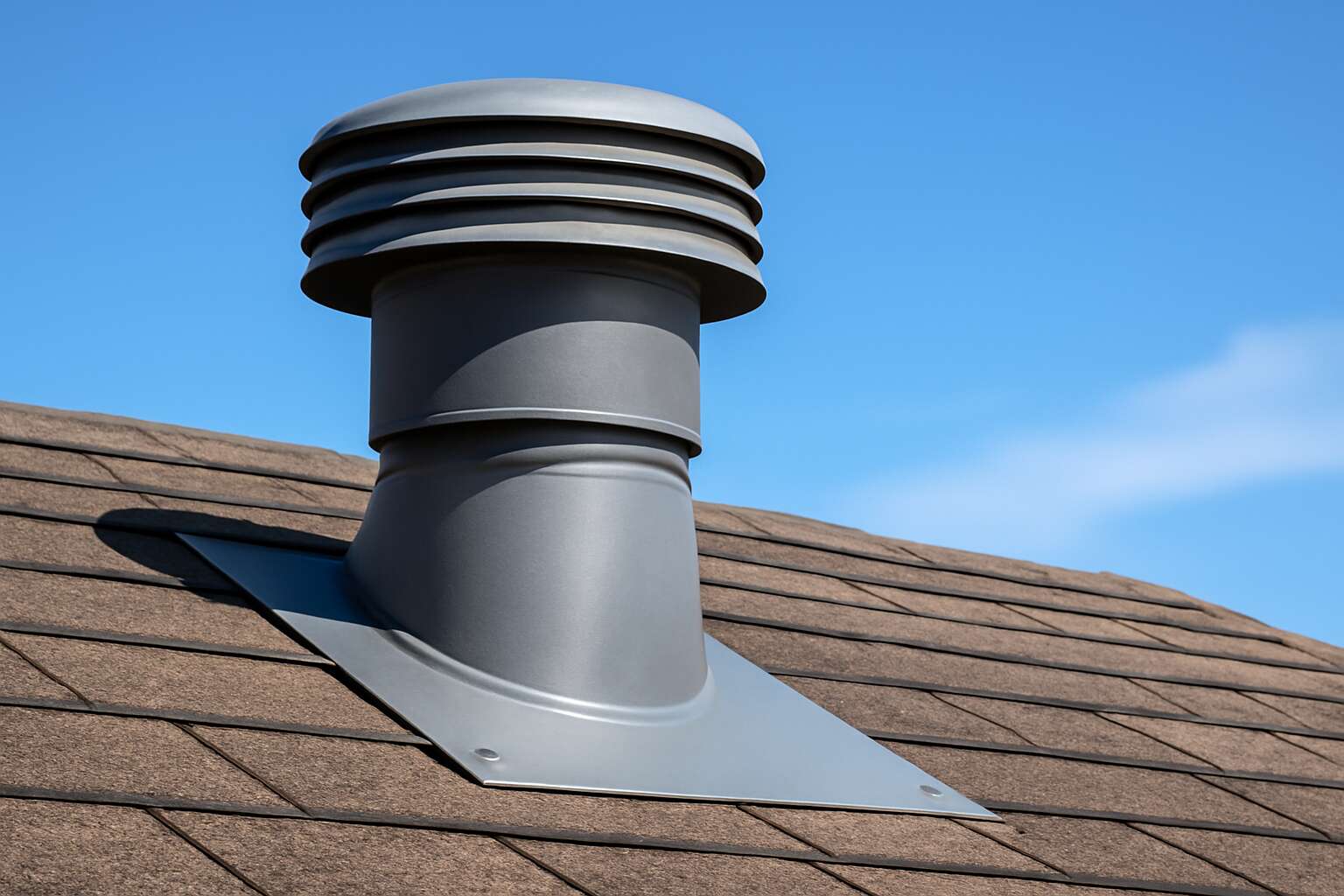
Ventilator base types and compatibility
Option compatibility and size
South Africa’s roofs breathe better when the roof ventilator base fits like a key to a quiet, cooler home. A well-matched base trims attic heat, and estimates hint that up to 30% of energy loss can vanish with proper ventilation. That small detail can reshape a season!
Here are the main base types and compatibility at a glance.
- Tile-ready base for terracotta and composite roofs
- Universal base that fits most profiles, including metal and composite
- Corrugated or standing-seam base designed for ribbed roofs
A correct roof ventilator base shapes airflow and longevity. Size matters in the subtle dance of airflow—base width, collar diameter, and roof pitch must mingle without friction. When sizing aligns, rain is kept at bay by sturdy flashing and a seamless seal that stands up to South Africa’s afternoon storms.
Roof structure and mounting considerations
South Africa’s summer sun can turn an attic into an oven, nudging comfort and bills upward. A well-chosen roof ventilator base channels air where it’s wanted, cooling ceilings and easing the load on your air conditioner.
Roof structure and mounting considerations demand respect for profile and weather. The base must seat cleanly, with flashing and seals that endure SA storms.
- Flashing compatibility with roof material
- Secure anchoring to rafters or purlins
- Durable sealants for coastal and inland climates
Choosing the right roof ventilator base pays off in long-term airflow and longevity, especially when it complements roof pitch and underlayment.
Integrated vs standalone bases
South Africa’s midsummer heat makes the attic feel like an oven, and the roof ventilator base you choose makes a real difference. A proper base shapes airflow, reduces heat transfer, and safeguards flashing during SA storms!
Integrated bases blend with the roof, sealing and flashing in a single package for a tidy install. Standalone bases skip the roof-line integration, offering flexibility with existing ductwork and retrofit projects. The choice affects ease of installation, maintenance access, and long-term durability.
- Integrated bases simplify flashing with a single seal.
- Standalone bases offer retrofit flexibility and reuse of existing ducting.
- Hybrid options balance streamlined appearance with service access.
When selecting, look for corrosion-resistant materials and compatible seals that stand up to coastal humidity or inland dryness. The right path blends performance with longevity for SA homes.
Seasonal performance and weather suitability
In South Africa’s blistering midsummer, an attic can feel like a forge. The roof ventilator base you choose isn’t just a cap; it’s the engine room for airflow, quietly steering heat away from living spaces and preserving roof integrity.
Seasonal performance and weather suitability hinge on how the base handles cycles of sun, wind, and rain. Coastal humidity tests seals and materials, while inland dryness calls for durable finishings. A well-matched roof ventilator base keeps venting steady through storms and scorching days alike, safeguarding flashing and prolonging longevity.
- Sealing performance against wind-driven rain
- Corrosion resistance for coastal environments
- Compatibility with existing ducting and retrofit opportunities
Ultimately, the right roof ventilator base blends airflow efficiency with robust construction, delivering consistent comfort for SA homes year after year.
Materials, durability, and weather resistance
Common base materials and their pros and cons
Heat on SA roofs can surge by up to 20°C in unvented attics during peak summer—a statistic that makes a sturdy roof ventilator base feel like a quiet ally against the sun. It ushers in airflow that cools spaces with steady, breath-like rhythm.
Material choices shape durability and performance. Common base materials offer different balances of weight, cost, and longevity:
- Aluminium: lightweight, corrosion resistant, but dents if hit hard.
- Galvanized steel: strong and affordable, yet prone to rust if coatings wear.
- Reinforced plastics (GRP): excellent UV stability and insulation, lighter; may crack under heavy impact.
In SA’s varied climate, weather resistance means more than sealing; it means sustained performance under sun, wind, and dust. A well-engineered base pairs with seals and coatings to withstand coastal salt, inland heat, and seasonal downpours, keeping the roof ventilator base reliable year-round!
Corrosion resistance and coatings
On SA roofs, unvented attics can surge by as much as 20°C on the hottest days—a statistic that makes a well-crafted roof ventilator base feel like a cool ally against the sun. It ushers in airflow with a calm, steady rhythm, turning heat into a breathable breeze.
Material choices shape durability and weather resilience. Aluminium keeps weight light and resists corrosion; galvanized steel offers rugged value; reinforced plastics blend UV stability with insulation. A well-engineered roof ventilator base, tailored for SA’s coastal and inland climates, stands up to salt spray, dust, and seasonal temp swings with quiet confidence.
Coatings and surfaces matter as much as the core material. Consider these corrosion defenses:
- UV-stable finishes that resist fading and cracking
- Salt spray resistant coatings for coastal sites
- Sealed joints and weatherproof sealants to deter infiltration
Thermal expansion and insulation compatibility
Heat is a thief; in South Africa, unvented roofs can rise by 20°C on the hottest days, making a well-chosen roof ventilator base a quiet savior.
Durability comes from materials that weather thermal cycles without warping. Aluminum keeps the weight light and corrosion at bay; galvanized steel stands firm; reinforced plastics blend insulation with UV stability.
Thermal expansion and insulation compatibility are not afterthoughts but the backbone of longevity. When a base flexes with the sun, seals stay intact and performance remains steady.
- Thermal expansion tolerance fit for SA temperature swings
- Insulation compatibility with roof cavities and attic air gaps
- Weatherproof seals and UV-stable finishes that deter infiltration
Coastal or inland, a well-engineered base proves elegant in function, quiet in operation, and steadfast against salt spray and dust.
Lifespan estimates and warranties
In the SA sun, a roof ventilator base grows quiet legends of endurance. I’ve learned that true durability isn’t a boast, but a carefully engineered backbone that resists warping under heat and keeps its breath through heavy rains. The right base navigates weather and moisture with poise, staying tight and dependable year after year.
Lifespan estimates and warranties reflect those habits of care and the quality of fit. Consider these typical ranges, depending on the brand and upkeep:
- Standard residential models: roughly 15–25 years of service
- Premium or heavy-duty variants: 20–30+ years with proper maintenance
- Warranties commonly span 5–10 years for basic components; up to 20+ years on high-end systems
Coastal winds or inland heat, the roof ventilator base you choose should feel like a quiet ally—robust seals, predictable performance, and a warranty that travels with you through seasons.
Installation guidelines and best practices
Site preparation and ventilation alignment
Heat climbs quickly in South Africa, and the right roof ventilator base is more than hardware—it’s breathing space for the home. In my years on roofs, it shapes airflow from eaves to ridge, reducing hotspots and helping cooler air do its work.
When preparing the site, look beyond the obvious. Clean, dry surfaces, assessments of rafters, and sealants all support performance. Ventilation alignment means the base sits so air moves along the intended path—ascending where it should and not against insulation or decking.
- Weather window considerations to keep surfaces dry and safe.
- A clean, dry mounting surface, free of debris, supports reliable seating.
- Airflow alignment with soffit or ridge routes to avoid short-circuiting the draft.
- Insulation and sealing materials that won’t trap heat or moisture around the base.
A well-executed roof ventilator base is not just metal—it’s resilience.
Roof deck compatibility and load considerations
On South African roofs, a steadfast roof ventilator base is the hinge between comfort and efficiency. As a seasoned roofer might say, “air knows its route—don’t mislead it.” Installation guidelines begin with respect for the deck: it must bear weight evenly and align with rafters that carry the system. The goal is a base that follows the roof’s rhythm and lets air rise freely, unimpeded by insulation or decking.
A few high-level checks guide proper seating:
- Roof deck integrity and framing support — ensure the surface seats the base firmly without flex.
- Load distribution and wind uplift considerations — even contact prevents stress concentrations.
- Fasteners, flashing, and corrosion resistance — choose materials suited to SA climates.
A properly chosen and seated roof ventilator base becomes a quiet partner in performance, delivering steady airflow without shouting for attention. In the South African heat, that partnership matters as much as the metal itself.
Fastening methods and sealant requirements
A snug, well-aligned roof ventilator base turns heat into strategy. On South African rooftops, installation that respects the deck translates into steadier airflow and fewer issues down the line. The roof ventilator base should sit true to the rafters, be free of gaps, and let air rise unimpeded—almost like a quiet, indispensable partner with the roof.
- Fasteners: corrosion-resistant stainless or coated steel chosen for SA heat and humidity, installed to secure the base without over-tightening.
- Sealant and flashing: UV-stable, flexible sealants that accommodate movement and weathering, paired with flashing that integrates with the roofing membrane.
- Surface and inspection: clean, dry mounting surfaces and ensure even contact across the base footprint.
Do this right, and the roof ventilator base becomes a steadfast ally in the climate—quiet, durable, and ready to sustain performance through seasons of sun and rain.
Safety and code compliance checks
On South African roofs, comfort rests on one small hinge: a properly installed roof ventilator base. In peak summer, attic temperatures can soar, but a well-seated base tames that surge, protecting membranes and interior climate. It’s the quiet partner that lets air rise smoothly, keeping the home grounded amid sun.
Installation guidelines call for clean, dry mounting surfaces and true alignment with the rafters, leaving no gaps that invite air bypass. Fasten with corrosion-resistant hardware suited to SA heat, seal with UV-stable, flexible sealants, and pair flashing with the roofing membrane to maintain a seamless interface.
Safety and code compliance checks remind us to respect local regulations and manufacturer instructions.
- Confirm anchorage and fall protection remain compliant with local regulations
- Ensure UV-stable materials and waterproofing meet SA standards
- Schedule a post-installation inspection for gaps, sealant integrity, and airflow path
Maintenance, troubleshooting, and longevity
Routine inspection and cleaning routines
Heat in South Africa can turn homes into greenhouses, but a well-tuned roof ventilator base can trim cooling loads on peak days by up to 20%. Regular inspection and cleaning keeps the system singing, extending its quiet life in all climates.
Small rituals yield big returns. Keep the base free from grit and corrosion and it will reward you with dependable airflow.
- Inspect seals for cracks and aging gaskets
- Clean debris from intake and exhaust fins
- Tighten mounting screws and check flashing
Troubleshooting without panic: if you hear rattles, feel reduced airflow, or see uneven ventilation, pause and examine for obstructions, encroachment, and loose fasteners. Addressing these quickly preserves efficiency and prevents costly repairs.
Longevity comes from mindful care and timely recalibration as seasons tilt. A yearly professional check, weather seals, and simple coatings guard the system against sway, corrosion, and fatigue; your rooftop’s quiet sentinel remains steadfast.
Common issues and diagnostic steps
Maintenance keeps the roof ventilator base whisper-quiet and steadfast through South Africa’s furnace summers. A clean cradle resists corrosion and keeps the air moving as if carried by a friendly zephyr. Mindful care becomes a ritual that guards comfort and efficiency year after year.
- Obstructions in intake or exhaust that choke airflow, a telltale sign of reduced performance
- Cracked seals or aging gaskets revealing air leaks or whistling noises
- Loose mounting screws or misaligned flashing that invite vibration or draftiness
Troubleshooting without alarm is part of the craft: rattles, uneven ventilation, or unexpected draft patterns invite a closer look at obstructions, encroachment, and loose fasteners.
Longevity comes from mindful recalibration across seasons; a yearly professional check, weather seals, and protective coating guard the rooftop unit against sway, corrosion, and fatigue; the rooftop sentinel remains steadfast.
Sealant and flashing maintenance
Even under South Africa’s relentless sun, a well-sealed roof ventilator base can turn a furnace into a whispering breeze. The sealant and flashing guard every seam, defying wind and weather so your interior stays calm and efficient.
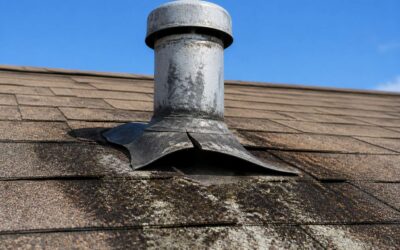
- Cracked, hardened, or peeling sealant at seams
- Gaps between flashing and the roof deck that invite leaks
- Corrosion or staining around flashing indicating water intrusion
- Loose or misaligned flashing that invites draft
Maintenance here is longevity in wait: UV-stable sealants, corrosion-resistant flashing, and periodic professional checks keep the rooftop sentinel steadfast through seasons.
Replacement and upgrade paths
In South Africa’s blistering sun, the roof ventilator base is the quiet sentinel—aging gracefully only with regular health checks that spot telltale signs of wear before they become costly problems. Thoughtful maintenance guards performance and quiet operation.
If you notice drafts, odd creaks, or damp near the eave, treat it as a signal to pause and assess. A trained eye can tell normal aging from something that warrants professional attention, saving you bigger headaches later.
- Age-related indicators and service history
- Design compatibility with newer roof profiles
- Warranty and after-sales support options
For longevity, replacement and upgrade paths include choosing roof ventilator base designs with modular components, higher resistance coatings, and options that suit changes in roof life cycles. With proper guidance, you can align with South Africa’s building standards while preserving energy efficiency.

0 Comments