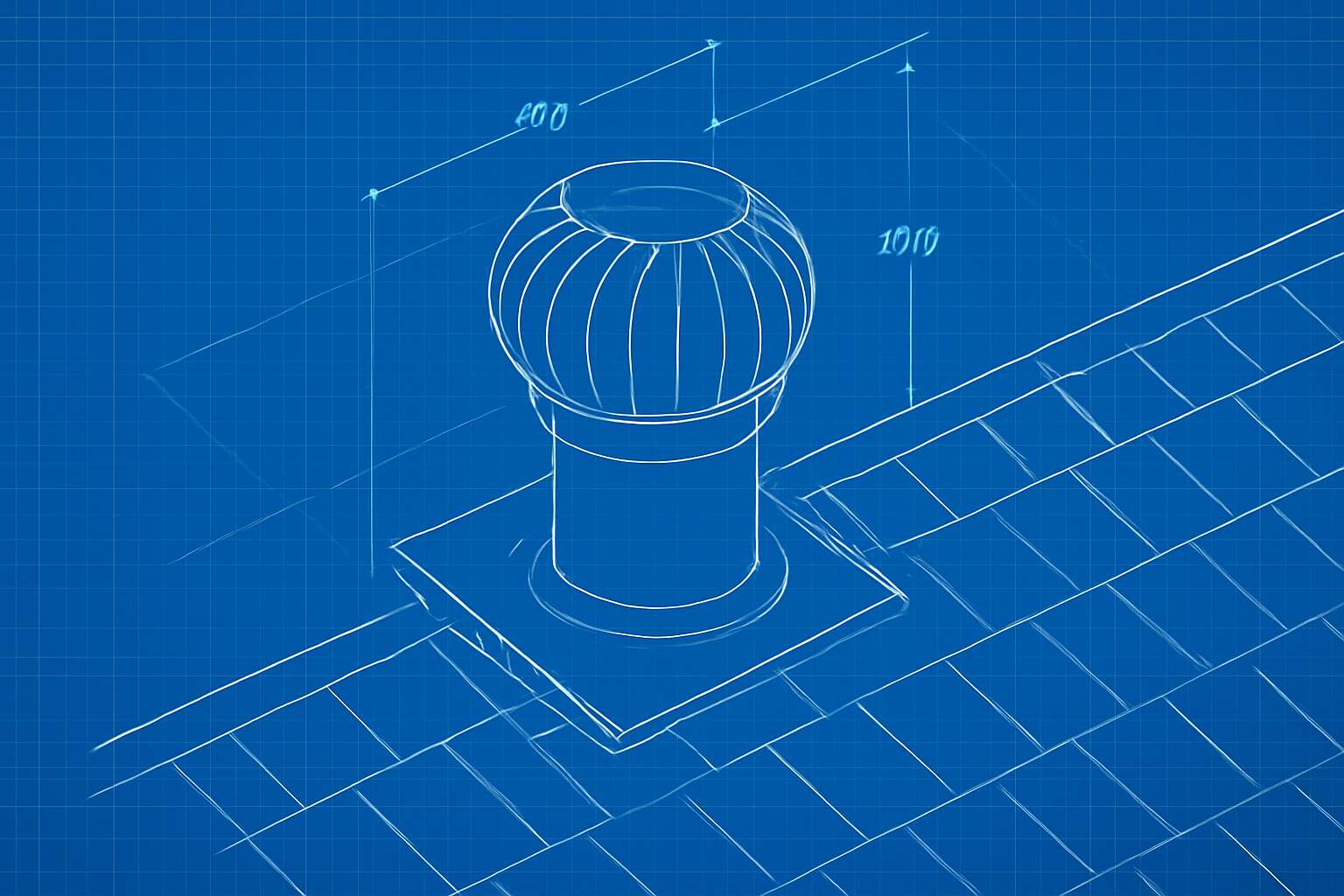
Understanding DWG files for roof ventilation
What a DWG file represents in roof ventilation design
Across South Africa, a well-ventilated roof can cut attic heat by up to 30%, a statistic that sharpens decisions on site. Understanding DWG files for roof ventilation is not mere paperwork; it is translating airflow ideas into a roof ventilator dwg that guides every install.
DWG is the digital voice of a construction plan. In roof ventilation, a DWG records dimensions, layer orders, and vent placements, while notes flag insulation clearance and wind considerations. When I read one, I trace how air travels from intake to exhaust and feel its quiet, practical poetry.
- Intake locations mapped
- Insulation clearance and service access
- Mounting heights and hardware specs
Key components found in roof vent drawings
In South Africa, attic heat can drop by up to 30% with proper roof ventilation—an ember of truth that guides every DWG-driven decision.
Understanding DWG files for roof ventilation reveals the key components that pilots rely on: intake locations mapped, insulation clearance and service access, mounting heights and hardware specs.
- Intake locations mapped
- Insulation clearance and service access
- Mounting heights and hardware specs
Read together, they form the cadence of a breathable roof—the airflow captured in a single roof ventilator dwg.
Layering, symbols, and annotation conventions in DWG files
A brisk statistic greets engineers in South Africa: attic heat can drop by up to 30% with proper roof ventilation, turning DWG-driven decisions into real comfort. Understanding DWG files for roof ventilation is like decoding a map where air finds its path—a map you can trust and reference as designs take shape.
Layering, symbols, and annotation conventions work in harmony to guide installers without guesswork. The roof ventilator dwg communicates how every piece fits, from intake locations to mounting heights, and keeps the workflow orderly.
- Layering reveals component hierarchy and positioning
- Symbols standardize vents, intakes, flashings, and hardware
- Annotations capture dimensions, scales, and clearances
In practice, a well-curated DWG speaks like a breath of wind across a dry savannah—precise, efficient, and quietly powerful. For South African roofs, the clarity of conventions in a roof ventilator dwg keeps teams aligned from draft to installation.
Software compatibility and viewing tips for roof ventilation drawings
South Africa’s summers bite; attic heat can drop by up to 30% with proper roof ventilation. Understanding roof ventilator dwg is like reading a wind map, a trusted compass as designs take shape. The DWG language preserves air paths, intake locations, and mounting heights in a single, precise diagram.
Software compatibility matters as the team moves from concept to construction. For viewing, a few trusted options keep everyone aligned:
- Autodesk AutoCAD and compatible editors
- Autodesk Viewer
- DWG TrueView or DraftSight for cross‑platform access
Viewed with care, a roof ventilator dwg communicates scale, spacing, and flow without ambiguity, letting South African crews breathe easier from draft to install.
Design considerations in roof vent drawings
Sizing and placement strategies in DWG plans
Designing for comfort atop a SA roof requires intuition; it needs a map. In changing weather, airflow can dramatically cut cooling loads, turning hot attics into breathable spaces. A well-crafted roof ventilator dwg guides choice and risk.
Design considerations in roof vent drawings balance wind, moisture, and material limits. Think curvature, flashing, and curb heights as characters in a story—each shaping performance, sealing against rain, and blending with cladding. The aim: durable, whisper-quiet airflow.
Sizing and placement strategies in DWG plans hinge on roof geometry and climate. Consider one of these guiding factors:
- Target daily airflow and peak load, matching vent size to space and insulation.
- Strategic placement near peaks and prevailing winds to maximize exhaust and minimize rain entry.
- Ensure compatibility with flashing, skylights, and screens to protect performance.
With imagination, the roof ventilator dwg becomes a compass—directing installers and inspectors toward a cooler roofscape across South Africa.
Integrating thermal performance and airflow data in drawings
Design considerations in roof vent drawings blend form with function, turning geometry into a living map of comfort. A well-crafted roof ventilator dwg captures anticipated thermal performance alongside airflow paths, ensuring attic heat bows to cooler air rather than pressing against the rafters. Curvature, flashing, and curb heights become characters in a quiet ballet—sealing rain, guiding exhaust, and harmonizing with cladding for a durable, whisper-quiet flow of air.
To weave performance into the DWG, anchor data to climate realities and show where temperatures shift with sun and wind. In practice, integrate these data sets:
- Thermal performance targets across climate bands
- Clear exhaust paths aligned with prevailing winds and peak loads
- Moisture management, flashing compatibility, and drainage coordination
This approach turns every plan into a compass for a cooler roofscape across South Africa.
Compliance with building codes and standards in vent drawings
Design considerations in roof vent drawings ground aesthetics in service of safety. A roof ventilator dwg must respect code-mandated clearances, setback, and load paths while preserving roof integrity. Compliance isn’t a constraint; it’s a compass—guiding curvature, flashing, and curb dimensions to meet rain, wind, and thermal expectations. In South Africa, that means aligning with local building regulations and standards while allowing for climate realities and project-specific constraints.
- Code-aligned sizing, placement, and clearances to maintain roof integrity
- Flashing, drainage, and moisture management harmonized with local standards
- Adequate exhaust paths, safety features, and insect/rain protection per regulatory guidance
With these checks in place, the roof ventilator dwg becomes a compliant blueprint that travels from plan to permit with clarity.
Tools, standards, and best practices for roof vent DWG
CAD tools and plugins for roof vent drawings
Across South Africa, precise roof vent detailing reduces rework and keeps projects on track. The roof ventilator dwg isn’t just a drawing—it’s a map of airflow, flashings, and penetrations that must survive on-site realities. When CAD files are clean and consistent, roofs breathe easier and builders move faster.
- Automatic spacing and sizing blocks for roof vents
- Symbol libraries and naming conventions for quick identification
- Penetration clash checks and export validation
Standards underpin every line. In South Africa, align with building regulations and SANS practices, maintaining clear metadata, consistent naming, and version control in every roof ventilator dwg workflow.
Best practices emphasize clarity and compatibility—keep metadata tight, use consistent layer and block naming, and support cross-team reviews so the roof ventilator dwg stays legible on site.
Layer naming conventions and standard drawing templates
Around South Africa, rework on roof openings can push a project timeline by as much as 20%. A tidy roof ventilator dwg is more than a drawing—it’s a living map of airflow, flashings, and on-site realities. When files stay clean, roofs breathe easier and crews move faster.
Tools and templates keep that flow.
- Standardized title blocks and border conventions
- Layer naming that mirrors function and location
- Concise metadata fields for revision tracking
Standards in South Africa guide every line—SANS, building regulations, and disciplined version control ensure the drawing stays legible on site. Clear naming, metadata discipline, and cross-team reviews turn quiet CAD files into shared understanding and smoother handoffs.
3D representations versus 2D DWG layouts for roof vents
Across South Africa, rework on roof openings can push a project timeline by as much as 20%. A well-structured roof ventilator dwg becomes a living map—clarifying airflow, flashings, and on-site realities that keep crews moving.
3D representations offer a tactile sense of how air moves, where ducts intersect, and how components clear each other in real-space constraints. 2D DWG layouts, meanwhile, translate that insight into precise fabrication instructions and on-site installation markers.
- 3D representations provide airflow visualization and clash detection before anything is cut!
- 2D layouts deliver exact dimensions, material lists, and sequential steps for shop drawing and field tagging
- Hybrid workflows fuse both realms to accelerate approvals and reduce rework
In a South African context, adopting a disciplined, interoperable toolchain ensures every vent opening is legible from workshop to scaffold. The best practice is a living model that informs decisions at every stage, not a static file on a server.
Redlining, version control, and project collaboration in DWG workflows
Across South Africa, roof openings are notorious for causing delay; rework can push timelines by up to 20%. A disciplined roof ventilator dwg workflow acts as a compass, aligning revisions with on-site realities before crews move.
Redlines must be precise, versioned, and auditable to keep teams in sync. The essential tools and standards include:
- Standardized markup conventions and color coding for quick reviews
- Version control with audit trails and formal approvals
- Cloud-based collaboration with time-stamped revisions and centralized access
An interoperable toolchain makes reviews seamless, approvals faster, and field tagging consistent from workshop to scaffold. In SA, this collaborative DWG workflow is what keeps projects moving and vents performing as designed. We see this approach turning revisions into shared momentum.
Applications and use cases for vent DWG files
Residential roof ventilation DWG applications
Ventilation is the heartbeat of a building, and in the roofscape it keeps heat at bay and moisture in check. A trusted line reminds us, “Ventilation breathes life into spaces.” The roof ventilator dwg becomes your map for intelligent air flow, guiding engineers and builders from attic to eave.
Residential roof ventilation DWG applications shine in design by clarifying where intake and exhaust must sit, how they connect with soffits and ridges, and how they perform under SA’s diverse weather.
- Planning and retrofitting an existing roof to improve attic ventilation
- Coordinating with insulation, waterproofing, and soffit placement
- Supporting permitting, tendering, and compliance checks for residential builds
Applications extend from boutique homes to larger suburbs where climate zoning varies; these drawings align with energy models, ensuring air paths stay clear through rafters and vents while keeping aesthetics intact.
Commercial and industrial roof vent DWG use cases
“Ventilation is the heartbeat of a building,” a line often whispered by engineers in South Africa’s sun-baked climes. The roof ventilator dwg translates that philosophy into clear strategy, mapping intake and exhaust across expansive commercial and industrial rooftops. It turns heat into coherent flow, guiding designers from eave lines to rooftop plenums and ensuring performance under SA’s diverse weather without sacrificing safety or comfort.
Across sectors, the commercial and industrial spectrum relies on precise, code-aligned vent layouts.
- Warehouses and distribution centers requiring reliable airflow to protect goods and equipment.
- Manufacturing facilities with high heat or process emissions demanding responsive exhaust paths.
- Office parks, retail centres, and data-intensive facilities where comfort and electronics safety hinge on controlled air movement.
Retrofit projects and integrating with existing building DWG archives
In South Africa’s blistering sun, optimizing roof ventilation can trim cooling bills by up to 20%, a statistic that makes design decisions tangible. The roof ventilator dwg becomes the map retrofit teams use to plot vents against an existing rooftop grammar, preserving structure while unlocking fresh airflow paths. It turns ideas into a precise, repeatable plan that coordinates intake and exhaust across long-span roofs.
Retrofit projects and archive integration unfold more smoothly when teams follow a clear sequence:
- Audit existing rooftop openings, equipment, and duct layouts
- Map data into the building archive, aligning with current templates
- Validate paths with simulations, codes, and safety checks
Archive-ready vent drawings empower facilities teams across warehouses, manufacturing floors, and data centers to upgrade without halting operations. In SA, continuity is priceless when weather swings or process updates demand nimble venting, delivering a harmonized, code-conscious toolkit for retrofit rollouts.
Sourcing, sharing, and file management for roof vent DWG
Finding high-quality DWG libraries for roof ventilation
Power lives in the file you choose. A single, well-curated DWG can speed approvals and keep bidding drama at bay. For roof ventilator dwg libraries, quality means clean geometry, accurate scales, and dependable metadata—enough to weather South Africa’s shifting sun and storms without breaking a sweat.
- Precision of geometry and scale
- Clear layer naming and standardized blocks
- Transparent licensing and reuse rights
- Regular updates and robust revision history
Sharing and file management become a ritual. Store files in a controlled cloud space, enforce access controls, and apply consistent naming conventions. Tag drawings with project IDs and ensure a central index tracks versions and archival copies so the next team member can pick up where you left off, undaunted.
Secure sharing and collaboration on DWG assets
An industry pulse survey shows that 68% of project delays in South Africa trace to mismanaged DWG assets. When the asset in question is a roof ventilator dwg, that lag can stall approvals and ripple across sites. Sourcing and sharing clean, well-labeled files becomes a quiet, strategic act that keeps projects breathing easy under South Africa’s intense sun.
Secure sharing and collaborative access mean more than convenience—it preserves context. In a controlled cloud environment, roof ventilator dwg files benefit from consistent metadata and clear references, helping the next team pick up where the last left off, undaunted. Clear metadata and standardized references reduce rework and protect design intent against weathering changes.
With disciplined file management, teams move faster from concept to sign-off, and DWG assets remain dependable under changing codes and climates.
Organization, backups, and versioning for DWG file management
Across South Africa’s sun-scorched rooftops, 68% of project delays trace to mismanaged DWG assets. When the asset in question is a roof ventilator dwg, that lag ripples from approvals to on-site coordination, stalling airflow calculations and specifications. The quiet discipline of clean, labeled files becomes a practical lifeline under the African sun.
Source, share, and store like a careful custodian. In a controlled cloud, these DWG files gain consistent metadata, clear references, and a traceable history.
- Unified naming conventions for DWG assets
- Regular, automated backups in a geo-redundant cloud
- Clear version labels to preserve design intent
Versioning isn’t merely marks on a PDF; it’s a narrative of progress that resists the weathering of change. In SA projects, disciplined file management lets decisions carry forward, even when teams shift or climates shift—quietly keeping the roof ventilator dwg story intact.
Licensing considerations and usage rights for DWG drawings
Across South Africa’s sunlit rooftops, 63% of project delays trace back to mismanaged DWG licenses. When the asset in question is a roof ventilator dwg, licensing governs every handshake—who may source the file, how it can be shared, and how revisions may be reused in future designs. The stakes are not merely legal; they ripple into approvals and on-site coordination, where a single rights hiccup can stifle airflow calculations and performance assumptions.
Sourcing rights vary: vendor subscriptions, perpetual licenses, or client-owned rights; verify scope for construction drawings, fabrication, and modification. In SA, alignment with local licensing terms and cloud-hosting policies matters, and license metadata should be woven into your DWG library for easy reference.
- Source legitimacy and license type for roof ventilator dwg assets
- Scope of use including internal design, client deliverables, and regulatory approvals
- Sharing permissions, including cloud collaboration and external consultants
With auditable rights and clear metadata, the roof ventilator dwg journey travels from draft to delivery with a quiet, confident rhythm—every revision carrying its license like a compass through the heat of the day.



0 Comments