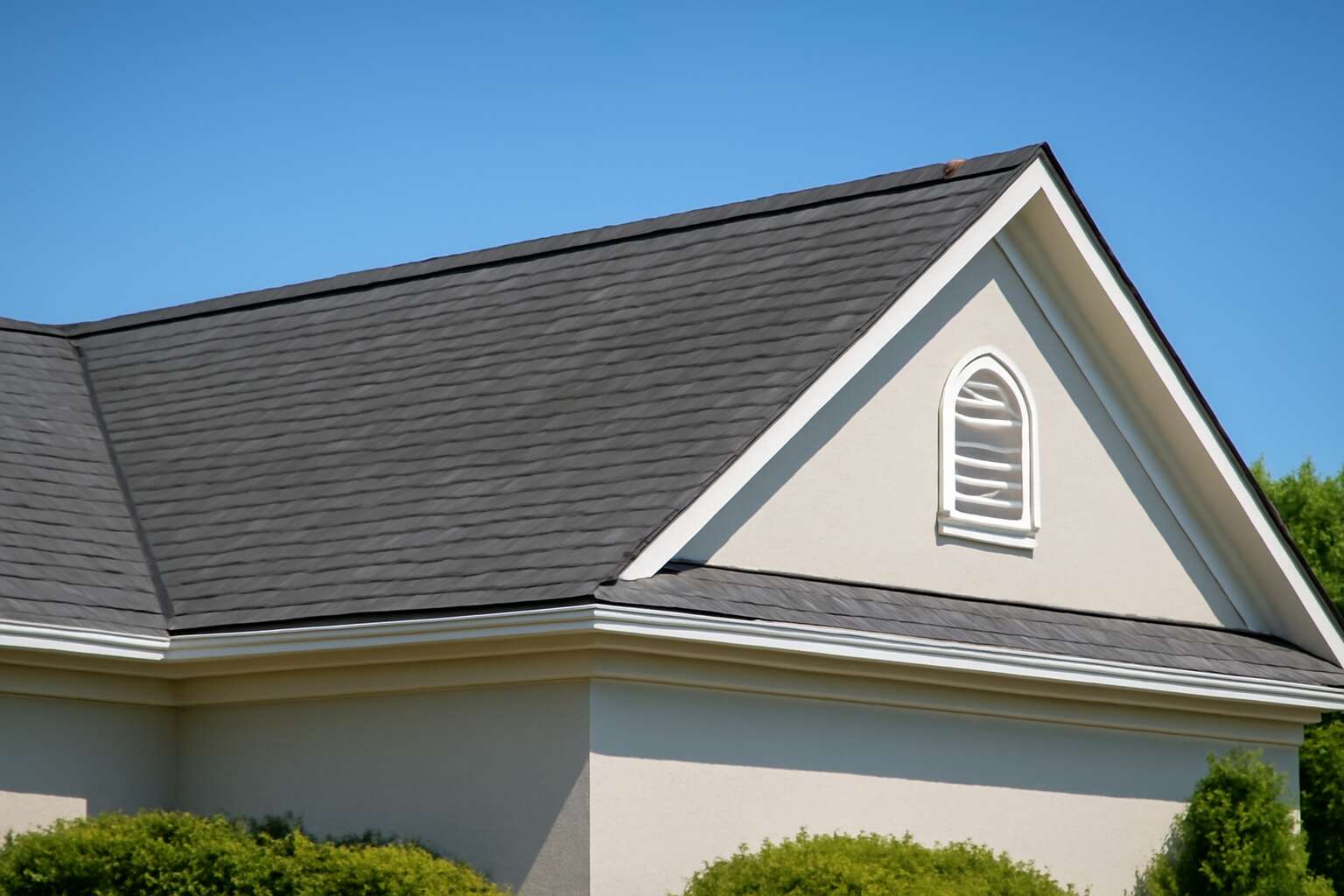
Comprehensive guide to residential roof ventilation options
Ventilation basics and definitions
Heat leaks through the roof quietly push cooling bills in South Africa. A well-ventilated attic is not a luxury—it shields living spaces from the heat. This piece compares roof vent vs gable vent without jargon.
Comprehensive guide to residential roof ventilation options—this is ventilation basics and definitions in plain language. Ventilation basics describe how air moves: hot air rises and exits through vents while cooler air enters from intakes. Common terms include intake vents, exhaust vents, ridge and soffit vents, and passive versus powered systems. The goal is steady, balanced airflow that reduces heat buildup. When comparing roof vent vs gable vent, the choice hinges on attic size and roof design.
Common residential options include:
- Ridge vents that sit along the peak
- Soffit or trough vents to admit air
- Gable vents for quick exhaust in modest spaces
- Rafter vents and baffles to smooth the flow
Performance, efficiency, and climate considerations
In South Africa’s blistering summers, attic heat can lift cooling bills by as much as 30%. The choice between roof vent vs gable vent is more than style—it’s a breath pattern for your home, a way to keep temperatures honest and materials happier. I watch roofs breathe, turning an overheated attic into a steady draft that travels to cooler rooms.
A practical guide to residential roof ventilation options reveals several paths:
- Ridge vents
- Soffit vents
- Gable vents
- Rafter vents and baffles
Performance and climate shape the balance. In temperate to scorching climes, airflow must be steady yet gentle, pushing heat outward while inviting cooler air in. Think of the roof as a living diaphragm that responds to sun, wind, and shade.
Aesthetics, architecture, and home value
Comprehensive guide to residential roof ventilation options reveals that aesthetics, architecture, and home value are tied to how a roof breathes. In South Africa, where sun and sea breeze sculpt each season, a ventilated roof is not just utility—it’s design punctuation. The attic becomes a quiet engine that preserves materials, supports shade lines, and lets the house stand taller in the heat.
Choosing between roof vent vs gable vent is a study in balance; form meeting function, light meeting shade, value meeting longevity. A quiet observation reveals how one well-placed option keeps the interior cooler without shouting. Options range from ridge vents and soffit systems to dedicated gable openings and rafters with baffles, each tuned to climate, style, and budget.
- Ridge vents
- Soffit vents
- Gable vents
- Rafter vents and baffles
Installation, maintenance, and cost considerations
Ventilation, in the end, is a design feature that pays back your energy bill and your rhythm of life. In South Africa, properly vented roofs keep attic temps comfortably lower and roofs healthier, cutting cooling demands by up to 12% on heatwaves. When you weigh roof vent vs gable vent, the decision hinges on airflow, moisture control, and budget—without turning your ceiling into a wind tunnel!
- Professional assessment of roof geometry and climate.
- Durable materials and coatings suited to SA sun and coastal humidity.
- Seasonal maintenance for debris, seals, and insect checks.
Choosing wisely today, whether you favor roof vent vs gable vent or a hybrid approach, saves heat, noise, and budget headaches tomorrow!


0 Comments