Architectural Ventilation Visuals for Roofs
Foundations and Key Concepts
Air travels with intent, and a ventilation diagram makes it sing. In South Africa’s scorching summers, attic heat can surge, but a well-designed diagram can cut cooling loads by up to 20% and keep spaces breathable.
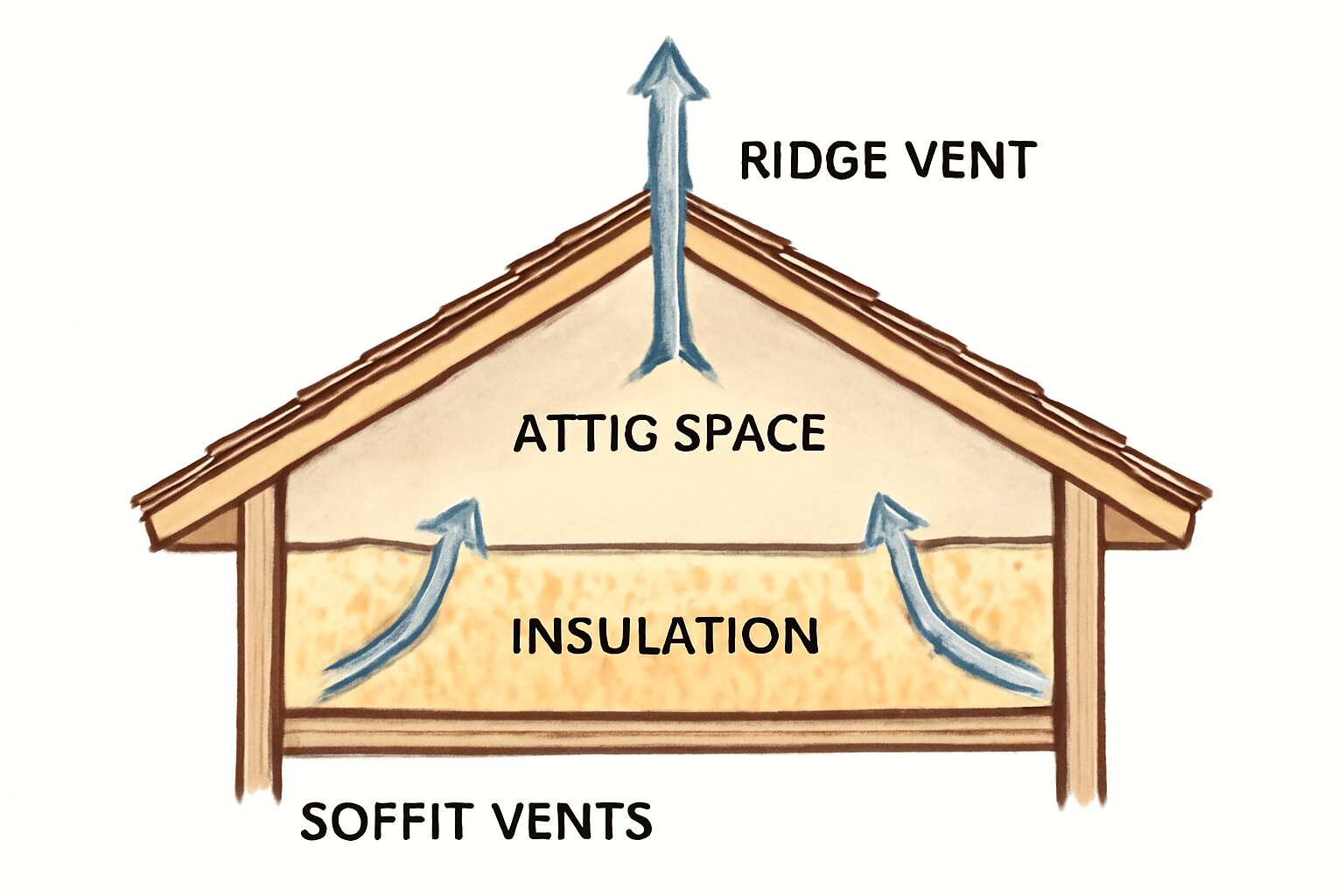
Architectural ventilation visuals turn complex airflow into a clear story, guiding both form and function. The roof vent diagram highlights peaks, soffits, and the steady currents that protect foundations and roofs alike.
- Ridge vents and soffit intakes for balanced flow
- Wind-driven turbines as visual cues
- Moisture paths and condensation controls
- Foundation crawl space vents and soil interface
Used with care, these images become a professional’s compass, a mythical map of air that lengthens lifespans, lowers costs, and quiets the climate inside.
Types and Placement Basics
Heat in South Africa can bend daylight into a furnace; a roof vent diagram can trim cooling loads by up to 20% on scorching days. It reveals how air threads through peak channels and under eaves, turning a roof into a living system rather than a cold, inert shell. The right visuals convert complex airflow into a legible story that architects, builders, and clients can read at a glance.
Architectural ventilation visuals distill invisible currents into form—peaks, soffits, and wind cues become lines and colors guiding design intent and fabric choices. The basics emphasize balance: outlets near the apex, intakes near the eaves, and a measured dialogue with prevailing winds.
- High-crest outlets and low-eave intakes as anchors
- Wind cues rendered as readable movement
- Color-coded moisture paths hint at condensation
- Soil-to-roof interfaces shown for crawl-space exchange
These visuals render the roof as a living system, inviting clarity and quiet across spaces.
Reading Symbols and Legends
South Africa’s sun can turn rooftops into a heat engine, but a well-read roof vent diagram can cut cooling loads by up to 20% on the hottest days. This diagram does more than map vents; it translates air currents into a narrative of peaks, soffits, and wind cues that designers can read at a glance. Reading Symbols and Legends helps move from abstract airflow to concrete design language, letting professionals weigh form and fabric as a single living skin rather than separate layers.
With readable symbols, color-coded paths, and clear legends, the roof becomes a canvas of movement—air entering near eaves, exiting at the apex, moisture routes shading spaces. This visual atlas aligns architecture with climate, site, and client aspirations.
- Arrows indicate airflow direction across components
- Color gradients reveal moisture risk and condensation paths
- Legend keys map crawl-space interfaces and exterior-to-interior transitions
Practical Diagram Examples by Roof Type
Heat climbs through South Africa’s attic spaces, and the hottest days demand a smarter narrative for airflow. A roof vent diagram can trim cooling loads by up to 20%, turning heat into an air-managed ally rather than a stubborn adversary.
I read these visuals as a shared language, where arrows map movement and color gradients whisper moisture risk. The diagram becomes the compass that guides decisions across flat, pitched, and hybrid roofs, preserving human scale and the tactile feel of space.
- Flat roofs: prioritize cross-ventilation at parapet levels and overnight cooling.
- Gabled roofs: channel air along the ridge while shedding moisture via eaves.
- Hip roofs: balance wind pressures to maintain stable ventilation across faces.
Designed with care, these visuals fuse climate, site, and client vision.




0 Comments