Understanding Roof Vent Caps and Their Role
What a vent pipe cap does for your roof
In a storm-washed suburb of Cape Town, a tiny vent cap keeps watch above the tiles—quiet, unassuming, and utterly essential. Understanding its quiet role, it turns a rooftop edge into a guardian, fending off rain, wind and wandering creatures with a calm, steady presence.
That cap does more than decorate the skyline. A roof vent pipe cap channels rain away from the vent opening, blocks vermin and debris, and guards the ventilation pathway from gusts and dust. It protects attic dryness and preserves insulation during SA summers.
Consider these subtle roles that a cap performs, layer by layer:
- Rain, wind, and debris blocking of the vent opening
- Pest and animal deterrence protecting the loft
- Preservation of ventilation efficiency and moisture balance
For South African homes facing varied climates—from arid Karoo nights to humid coastlines—the right cap blends resilience with quiet magic, a steadfast guardian above the ridge.
Vent cap designs and how they differ
Cape storms breathe down roofs with a metallurgic hush, and yet a cap keeps watch! That roof vent pipe cap is a quiet sentinel over damp rafters, turning a rooftop edge into a shelter rather than a hazard.
Vent cap designs vary to suit climate, airflow, and the rhythm of rain.
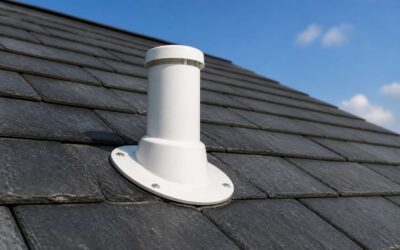
- Standard cap blocks debris while allowing venting
- Rain-cap hood sheds water away from the opening
- Turbine or vented types draw air with wind energy
Some marry function to storm-season aesthetics, others merely endure.
Materials and shapes matter in SA heat and coastal winds. Aluminum resists rust, while plastic stays lighter; copper ages to a living patina. The stem height and mesh size tune airflow and pest protection without choking the breeze.
Choose a cap that breathes with the roof, not against it. A well-chosen roof vent pipe cap becomes a quiet guardian, preserving dry lofts and steady insulation.
Materials and durability considerations for vent caps
South Africa’s storm season makes roofs earn their keep, and the key is a tiny guardian you rarely notice: the roof vent pipe cap. In some coastal towns, up to 30% of attic moisture issues trace back to a compromised cap. It breathes where it should and blocks when rain pushes in—humorously efficient, like a bouncer for your rafters.
Durability hinges on climate-fit materials and a sensible silhouette. Aluminum shrugs off coastal salt and heat; copper patinas with character but costs more; UV-stable plastics save weight and money. A well-sized mesh keeps pests out without strangling airflow, and a taller stem adds clearance for thick insulation.
- Aluminum: corrosion resistance, light
- Copper: longevity, patina
- UV-stable plastic: budget-friendly, low weight
Choosing the Right Vent Cap for Your Roof
Key factors to consider when selecting a vent cap
On every South African rooftop, a roof vent pipe cap stands as a quiet sentinel against moisture, dust, and wandering pests. A single well-chosen cap can tame winds, condense the night, and protect timbers from damp fate—a truth that haunts the attic and rewards the careful builder with lasting calm.
Consider these key factors when choosing a roof vent cap:
- Size and fit with your vent type
- Weatherproofing against rain and wind
- Pest deterrence with screens or flanges
- Material and UV resistance for SA climate
- Aesthetic harmony with your roofline
In my experience, the right choice balances function and form, safeguarding the roof while preserving a quiet silhouette against the skyline. Consider climate, wind exposure, and correct compatibility with your system—the arch of a good vent cap should feel inevitable, not intrusive.
Sizes, fitment, and compatibility
Size and fit aren’t afterthoughts; they’re the hinge on which a roof breathes. On South African rooftops, the right roof vent pipe cap slips into place with quiet precision, sealing joints while leaving room for wind and temperature swings. The goal is compatibility without fanfare.
Common sizing helps you pair cap and vent cleanly:
- 50 mm (2″)
- 75 mm (3″)
- 100–110 mm (4–4.5″)
Above all, true compatibility means the cap’s base design matches the vent sleeve and roof profile, preserving airflow and a clean silhouette against the SA skyline.
Common vent pipe materials and how they affect cap choices
On SA rooftops, a well-chosen roof vent pipe cap isn’t a luxury—it’s a quiet regulator of heat and moisture. It breathes with the roof, not against it, sealing joints while allowing for wind and temperature swings. A properly matched cap keeps airflow steady and silhouettes clean.
Common vent pipe materials drive cap performance. Plastic and PVC-based sleeves pair with UV-stable caps, while metal vents demand corrosion-resistant finishes and compatible seals. The choice affects seal longevity, wind resistance, and heat tolerance in our SA climate.
- Plastic PVC/ABS sleeves pair with UV-stable caps for long life.
- Aluminium or stainless caps suit metal vents but require compatible gaskets.
When selecting, assess not just size but how the base design sits on the vent sleeve and roof profile—the quiet ballet that preserves airflow and a clean silhouette. The right combination reduces backdrafts and weather ingress, even during storms.
Installation and Maintenance Best Practices
Overview of installation steps for a vent cap
They say, “The last mile of weatherproofing hides in the cap.” In storm-prone South Africa, the roof vent pipe cap stands as a quiet sentinel against damp and decay.
A well-chosen roof vent cap, crafted for longevity, rides out sun and rain. When it fits the vent precisely and weatherproofing seals the flange, moisture stays outside and the interior breathes easier. The roof vent pipe cap offers durability across South Africa’s climates.
In broad terms, these categories steer installation and maintenance:
- Fitment and compatibility with the venting system
- Surface preparation and weatherproofing considerations
- Post-installation inspection and maintenance planning
Protection lives in steady maintenance: regular checks for cracks, corrosion, and blockages, plus timely resealing after storms. When it stands true, the house breathes easier, and the rafters whisper.
Flashing and sealing tips to prevent leaks
Storm-worn roofs remind us that quiet protection is the hardest to see. ‘The cap is the first line of defense against damp mess,’ as a seasoned roofer likes to say! In SA homes, the roof vent pipe cap shoulders that duty with dignity.
Flashing and sealing around the vent should flow with the roof’s contours, forming a continuous water-shedding saddle. Choose durable, UV-stable materials and compatible sealants that tolerate heat and rain. A well-integrated cap keeps interior air honest and exterior moisture at bay.
- Flashing integration with the roof plane
- Sealant longevity and compatibility
- Post-storm inspection cadence
In short, the best practice rests in thoughtful design and gentle, steady care.
Ongoing maintenance to prevent blockages and wear
“A well-kept roof vent cap is the quiet guard against damp,” a veteran roofer likes to say, and in storm-worn SA homes that calm is priceless. The cap stops drift and critters before they knock at your drywall, turning maintenance into peace of mind.
Ongoing maintenance to prevent blockages and wear starts with regular visual checks and a gentle clear-out of debris that can accumulate. A bright, sunlit morning is perfect to observe for UV drying, deformation, or loose fittings. Your roof vent pipe cap should ride the ridge line with the roof, guiding moisture away and keeping interior air honest.
To keep the system singing, consider these design and upkeep touchpoints:
- Debris-free crown and proper drainage
- UV-stable materials and sealant compatibility
- Secure mounting and intact flashing
In South Africa, robust, well-fitted caps minimize wear and extend the life of the venting system, letting the roof breathe freely rather than harbor dampness.
Signs it’s time to replace or upgrade your vent cap
Storm-worn roofs remind me that a small roof vent pipe cap can hold back a mountain of damp. In South Africa, neglecting that cap translates into unseen leaks and costly repairs—protection that’s practical, even poetic, in a sunburnt landscape.
Signs it’s time to replace or upgrade your roof vent cap include the following indicators:
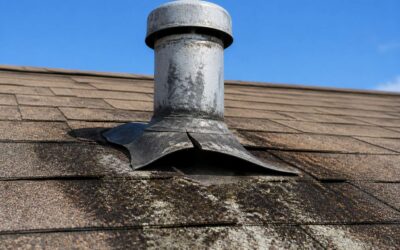
- Visible cracks, warping, or UV fading on the cap
- Loose fittings or rattling during winds
- Rust, corrosion, or degraded flashing around the vent
- Damp spots or pests near the vent area
When you see these signs, it’s a signal that the vent cap may be due for a replacement, with a unit built for South African roofs ensuring a snug fit and long life.
Troubleshooting and Cost Considerations
Common vent cap issues and quick fixes
One stubborn issue behind leaks is a faulty roof vent pipe cap. A cracked or loose cap lets rainwater and pests into the vent stack, quietly chewing at the attic for months. As a local saying goes, prevention beats repair every time. Troubleshooting focuses on sealing, corrosion, and blockage—without diving into DIY steps, professionals weigh flashing integrity and cap condition to decide the next move.
- Corrosion and cracks
- Poor seal against flashing
- Debris and blockages in the vent
- Freeze-thaw damage in colder SA regions
Cost considerations in South Africa hinge on material choice, cap size, and labour. Replacing a cap can range from affordable to moderate, depending on roof access and urgency, with longer-term savings from avoiding leaks. Budget for a professional inspection to confirm if a cap upgrade is warranted.
When to DIY vs when to hire a pro
Troubleshooting a stubborn roof vent pipe cap centers on three issues: sealing against flashing, corrosion, and debris. A professional won’t rush DIY fixes; they assess flashing integrity and the cap’s condition to decide the next move, keeping rain and pests from turning the attic into a slow, creeping problem.
Cost considerations in South Africa hinge on material choice, cap size, and labour. Replacing a roof vent pipe cap can range from affordable to moderate, depending on roof access and urgency, with longer-term savings from avoiding leaks. Budget for a professional inspection to confirm if a cap upgrade is warranted.
- Limited roof access or height concerns
- Visible corrosion or loosened flashing from the cap
- Urgent weather or risk of ongoing leaks
Cost ranges for parts and labor and budgeting tips
A stubborn drip from a roof vent pipe cap can turn a quiet home into a suspenseful soundtrack. I’ve seen it—one stubborn drip, and the attic starts humming. In South Africa, replacing this cap generally runs from affordable to moderate, depending on roof access and urgency—yet the payoff is steady rain protection and peace of mind.
- Material choice and finish
- Cap size and compatibility
- Access height and safety requirements
- Weather window and urgency
Budgeting tips: expect parts to cost a few hundred rand and labour to cover site work; plan for roughly R500–R2500 total, with higher figures for difficult access. Always budget for a professional inspection to confirm if an upgrade is warranted.


0 Comments