Attic Venting Fundamentals
Why Attic Ventilation Matters
South Africa’s blistering summers turn roofs into ovens, and the attic is the thermostat that decides comfort. Proper attic ventilation can trim cooling loads by up to 30%, turning heat worries into measured relief and saving homeowners a surprising sum on energy bills.
At its core, attic venting is physics with patience: warm air rises and must escape; cooler air replaces it. The roof vent outlet acts as the exhaust, while lower intakes coax fresh air through soffits or gables, creating a quiet breeze that respects the roof and the home.
Key effects of well-vented attics include:
- Moisture control that slows mould and rot
- Reduced strain on insulation and HVAC systems
- Longer roof life and fewer temperature swings
In South Africa, this understated choreography speaks volumes about care for the home and the guests who rely on it—quiet, efficient, and almost scandalously sensible.
Common Roof Vent Shapes and Functions
Breath, not blaze, is the clockwork of a roof. Attic venting fundamentals unfold as a quiet anatomy: warm air rises, cooler air slips in, and a roof vent outlet stands as the final exhale. In the South African glare, every breeze matters, shaping comfort with almost sacramental precision. I’ve watched attics breathe easier when the venting lineup feels balanced.
- Ridge vents — low-profile channels along the ridge, savoring every breeze.
- Soffit vents — intake under the eaves, inviting fresh air upward.
- Turbine vents — spinning outlets that answer gusts with quiet grace.
- Gable vents — openings in the gables for cross-ventilation.
- Static vents — discreet caps for calm, constant heat release.
Each shape plays a function, guiding air with patience and restraint. When the ensemble works, mould retreats, insulation endures, and the roof vent outlet remains balanced, with fewer chills and creaks.
How a Vent Outlet Affects Airflow
“Breath for the roof, life for the home” — the attic breathes best when airflow is balanced! SA summers demand it, because heat climbs fast if a vent outlet stalls. A roof vent outlet acts as the attic’s exhale, pushing warm air out and inviting cooler air in through the eaves.
Critical factors shaping that flow include:
- Pressure differences between the attic and living spaces
- Vent size and placement for efficient exhaust
- Insulation quality and sealing around penetrations
When intake and exhaust align, moisture stays in check, wood stays stable, and the roof line breathes a touch easier, even on gusty days.
Key Terms in Attic Venting
Attic venting hinges on a handful of fundamentals that keep homes cool when the SA sun blazes. The roof vent outlet serves as the attic’s exhale, pulling hot air up and out so living spaces stay comfortable. In my work with country homes, the right terms make conversations with builders feel steadier and more grounded.
Key terms to know help everyone speak the same language about airflow:
- Intake
- Exhaust
- Soffit vent
- Ridge vent
- Baffles
- Static pressure
- Air barrier
These terms remind us that the exhaust point on the roof is part of a living system, welcoming cooler air and patient warmth into a home.
Choosing venting Components for Your Roof
Soffit, Ridge, and Gable Vents: Types and Roles
A roof vent outlet is the quiet regulator of your attic climate, turning muggy heat into a steady breeze that tames SA summers and damp mornings alike. “Ventilation is the unsung hero of a healthy home,” notes a seasoned builder, a truth that resonates in South Africa’s unique climate.
Choosing venting components hinges on three roles: soffit intake, ridge exhaust, and gable cross-flow. The trio works in concert to remove heat and moisture without inviting unconditioned air inside. Consider these core components:
- Soffit vents (intake) feed cool air into the attic
- Ridge vents (continuous exhaust) carry hot air away at the peak
- Gable vents (cross-flow paths) provide rapid relief and balance
- Optional turbine or powered vents—active exhaust when wind is light
With a thoughtful blend, a roof vent outlet guards timber, insulation, and living comfort across SA’s seasons.
Material and Durability Options
“Ventilation is the quiet engineer of comfort,” a seasoned SA builder often says. A well-chosen roof vent outlet does more than cool an attic—it preserves timber, keeps insulation dry, and tailors indoor climate across South Africa’s varied seasons. When selecting venting components, consider your roof material: metal sheeting, concrete tiles, or terracotta, and choose fittings that accommodate that surface while letting the air move freely.
Durability hinges on material and finish. For SA’s salty coast and sun-drenched inland, pick corrosion-resistant housings with UV stability and reliable seals.
- Aluminum or stainless-steel housings for longevity
- UV-stabilized plastics with weatherproof seals
- Powder-coated or galvanised finishes to resist rust
- Sturdy flashing and gasket systems for airtight performance
Ultimately, the roof vent outlet should be unobtrusive yet steadfast, quietly protecting timber and insulation while maintaining comfort through SA’s shifting seasons.
Energy Efficiency: Reducing Heat and Moisture
SA homes know heat—the attic can feel like a sauna before you brew coffee. A well-chosen roof vent outlet quietly reduces that burden, letting your attic exhale and your living spaces stay cooler.
Choosing venting components means matching surface reality to airflow theory. For metal sheeting, concrete tiles, or terracotta, pick fittings that sit flush, seal well, and resist weathering.
- Surface-specific fittings for metal, concrete, or terracotta
- UV-stable seals and weatherproof gaskets
- Corrosion-resistant housings with durable flashing
With the right mix of intake and exhaust, the roof vent outlet stays unobtrusive yet steadfast, quietly guarding timber and insulation as SA’s seasons pirouette.
Aesthetic and Roofing Compatibility
Choosing venting components blends the roof’s dark poetry with practical function. In South Africa’s bright mornings and sudden storms, the roof vent outlet should cradle the line of the roof rather than threaten it, a quiet seam that completes the silhouette. Material, finish, and flashing all pay homage to the roof’s character, ensuring the vent remains a subtle punctuation rather than a shout in the eaves.
- Flush alignment with roof surface for metal, concrete, terracotta
- Weatherproof seals and robust flashing for longevity
- Corrosion-resistant housings with UV-stable components
The roof vent outlet stands as a quiet sentinel, balancing airflow with beauty so the home breathes without visible drama.
Recommended Vent Counts by Attic Size
Choosing venting components for your roof is a balance of function and restraint. The roof vent outlet should breathe with the attic, whispering rather than shouting from the eaves, so the space remains alive without drama.
Recommended vent counts by attic size:
- Attic area 10–15 m2: 1 vent
- 15–25 m2: 2 vents
- 25–40 m2: 3 vents
When selecting, consider roof pitch, climate variability, and insulation. In South Africa, abundant sun and sudden showers demand robust weatherproofing, ensuring the system works in harmony with the silhouette while delivering steady air exchange. The vent sits as a quiet sentinel—disposing air without disturbing the mood of the roof!
Installation, Sizing, and Compliance
Measuring Your Attic to Determine Vent Needs
“Ventilation is the quiet backbone of a cool, durable roof,” a local roofer says. Installing a roof vent outlet means placing it to suit the attic and South Africa’s heat. Proper installation prevents leaks and keeps airflow steady without rattles or drafts.
Sizing starts with measuring the attic volume and existing openings. A practical target is roughly one square foot of vent opening per 150 square feet of attic floor, adjusted for climate. This balance supports effective exhaust while keeping the living space comfortable.
- Attic floor area
- Vent balance with intake openings
- Local climate and humidity
Compliance centers on aligning with local building standards and manufacturer specs. A roof vent outlet should work with flashing, weather sealing, and wind-rating requirements common in SA projects. Have a licensed professional review to ensure code conformity and long-term performance.
Installation Steps for Popular Roof Styles
Installation for a roof vent outlet must respect every roof style—gable, hip, or flat—while standing up to South Africa’s fierce sun and seasonal storms. Sizing remains rooted in attic volume and climate, ensuring the outlet exhausts air without creating drafts in living spaces. Compliance with local standards and manufacturer specs is non-negotiable; a well-placed roof vent outlet seals leaks and delivers steady airflow, not rain-induced noise.
- Choose a compatible location for the roof vent outlet on the chosen roof style, aligning with flashing footprints to maximize proper airflow.
- Install flashing and weather sealant, then mount the outlet and secure with screws suitable for the roof type, ensuring wind resistance is built in.
- Seal all joints, test for watertightness, and have a licensed professional confirm conformity with local building standards and manufacturer specs.
Code Requirements and Permits
That humble roof vent outlet is the quiet hero of a comfortable SA home, especially under scorching sun and sudden storms. Placement matters: it should sit where flashing footprints align to maximize airflow while sealing against rain and wind.
Sizing follows attic volume and climate: a misfit can cause drafts or wasted energy. The roof vent outlet should harmonize with the space it serves, exhausting stale air without pulling conditioned air from living areas.
Compliance is non-negotiable in South Africa. Check the National Building Regulations and local by-laws, plus SANS 10400 guidance, and obtain any required permits before penetrations. A licensed professional should confirm adherence to standards and manufacturer specs.
- Municipal permit requirements for roof penetrations
- Flashing and weather sealant spec compliance
- Manufacturer installation clearances and standards
Flashing, Sealing, and Weatherproofing Best Practices
Across SA heatwaves, attic temperatures can climb 20–30°C above outdoor air, turning roofs into stoves where heat seeks escape. A roof vent outlet is the quiet hero that keeps air moving and comfort intact. The triad—installation, sizing, and flashing integrity—shapes its performance.
Installation and Sizing: choose a roof vent outlet size that harmonizes with the attic volume and climate; over-venting wastes energy, under-venting invites moisture. Position the unit so the flashing footprints align with the roof’s planes, and ensure the opening sheds wind and rain away from living spaces.
Flashing, Sealing, and Weatherproofing Best Practices: Together, these steps protect the roof vent outlet from wind-driven rain.
- Use flashing materials that flex with temperature and integrate with the roof plane.
- Apply weather sealant that remains flexible in SA sun and rain cycles.
- Respect manufacturer clearances and avoid gaps that invite leaks.
Maintenance, Troubleshooting, and Longevity
Seasonal Inspection Checklist
Maintenance is the lullaby that keeps a roof vent outlet singing through summer heat and winter chill. In South Africa’s capricious climate, a tidy cap and unobstructed crown guard the attic from creeping damp and noisy drafts. A watchful eye on rust, loose seals, and worn flashing preserves steady airflow.
When the rhythm falters, the culprit hides in plain sight: a whine, a sigh of moisture, or a stubborn seal. Listen for odd whistles, clear debris with care, and scan for condensation halos. If air flow wanes, the outlet calls for a closer look.
Longevity is cadence, not luck. A seasonal inspection keeps this vent resilient as sun and storm pass. Note wear, inspect seals, and ensure clearance around peaks and eaves so air can glide unhurriedly.
- Seasonal wear indicators
- Seal and flashing integrity
- Vent clearance and access
Identifying Blockages and Water Damage
In South Africa’s heat, a roof vent outlet acts as a lung for the attic—breathable air means cooler rafters and less mold risk. When it’s clear and unblocked, the space stays drier and the entire roof system breathes easier.
Maintenance is about noticing wear and keeping seals, flashing, and the roof vent outlet in good shape. A tidy, unobstructed outlet preserves steady airflow through scorching summers and damp winters.
Troubleshooting begins with listening for odd whines or sighs and watching for moisture halos around the vent. Listen for odd whistles—these signs point to blockages or degraded seals:
- Leaves, dust, or debris clogging the grille
- Bird nests or nesting material
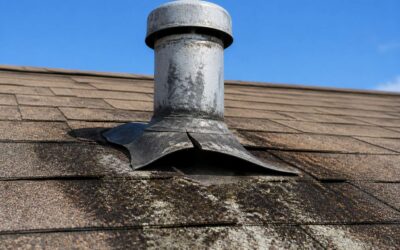
- Rust, loose seals, or worn flashing
Longevity hinges on consistent checks of corrosion, seal integrity, and clearance around peaks and eaves. A vent system that preserves cadence adapts to sun and storm.
Cleaning and Preventative Care
Maintenance is the quiet weather forecast for your roof. In South Africa’s furnace of a summer, a well-kept roof vent outlet keeps attic air moving, like a lung that never tires. When seals hold and the grille is clear, rafters stay cooler and the dampness retreats, letting the whole roof breathe easier.
Troubleshooting begins with attentive listening for signs of strain. Odd whistles, sighs, or moisture halos around the vent reveal mischief high above. Consider these cues, subtle as a whisper:
- Grille blocked by leaves and dust
- Nests or nesting material
- Rust, loose seals, or worn flashing
Longevity rests on cadence: regular checks of corrosion, seal integrity, and clearance around peaks and eaves. A vent system that breathes with sun and storm endures, while cleaning and preventative care guard the attic’s balance.
When to Upgrade or Replace Vents
Maintenance keeps the roof vent outlet breathing easy through South Africa’s long summers. Regular cleaning and gentle checks around the grille prevent heat pockets and damp in the attic. A well-tended system moves air efficiently, reducing strain on roofing fabric and prolonging life.
Troubleshooting begins with listening for changes. If a whistle or a shift in airflow occurs, or moisture appears near the vent, pause for inspection. A compromised seal, corrosion, or loose flashing can sap performance and invite hidden trouble above the ceiling.
- Airflow resistance at the intake
- Unusual drafts or noises from above
- Wear on fasteners or flashing
Longevity comes from cadence: periodic checks of seals, corrosion, and clearance around peaks. A roof vent outlet that breathes with sun and storm endures longer. When components show rust, cracks, or poor sealing—and after 15 to 20 years for many models—it’s time to upgrade or replace.
Common Myths About Roof Venting
Two degrees cooler in the attic can feel like a lifetime during South Africa’s scorchers, and the roof vent outlet is the quiet hero behind that relief. Maintenance here is about balance—recognising when airflow feels off and respecting the roof’s weathered rhythm rather than chasing flashy fixes.
When something changes—an unfamiliar whistle, a new draft, or dampness near the vent—pause before jumping to conclusions. These signals point to seals, flashing, or internal pathways needing attention, not failure. Subtle shifts can ripple through the ceiling and insulation.
- Bigger is not always better for venting.
- More noise does not guarantee improved airflow.
- Maintenance is not optional between seasons.
Longevity emerges from cadence, not bravado. Many vents endure 15 to 20 years, a reminder that size alone rarely rescues performance. Common myths about roof venting—larger is better, noise means efficiency—fade when airflow finds its natural equilibrium with the building.


0 Comments