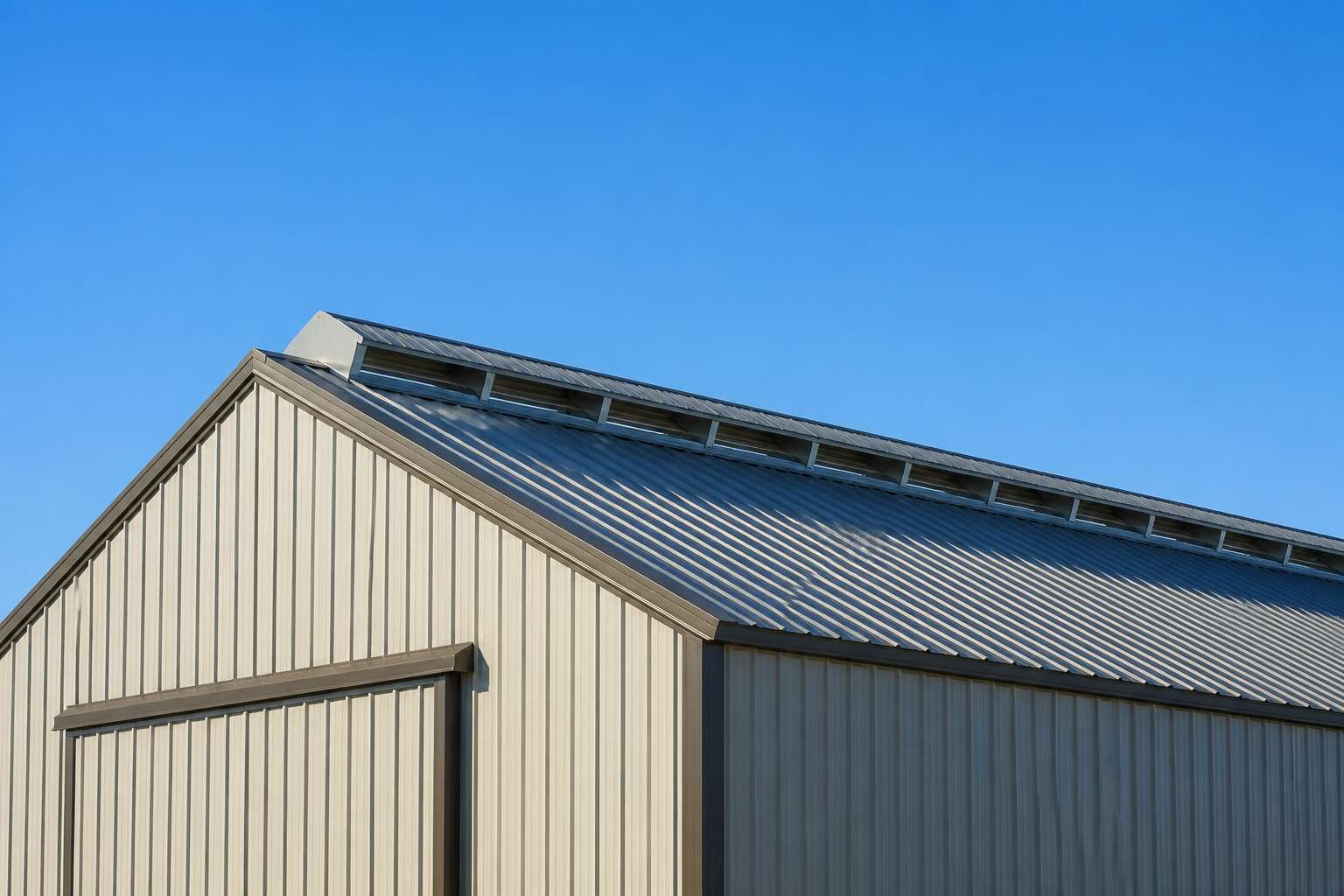
Understanding Roof Ventilation in Metal Buildings
Did you know that an unventilated metal building can trap enough heat to raise internal temperatures by over 15 degrees Celsius, turning your workspace into a foundry? That invisible pressure builds as the sun hammers the corrugated steel. A roof vent metal building system acts as the lungs for this airtight shell, allowing trapped thermal energy to escape and fresh air to flow through the structure.
It is a quiet choreography of physics. Hot air naturally gravitates towards the apex of your roof, seeking an exit. Without a proper ridge vent, this hot air simply marinates in your upper trusses, shortening the lifespan of your insulation and coating every surface with a sticky film of condensation. The result is a damp, oppressive environment that is hard to work in, and even harder on your machinery.
Think of the specific worries you have down here in the Karoo or up in the Highveld, where the sun is relentless. A good system tackles all of them:
1. Reduces internal condensation which warps drywall and corrodes steel frames.
2. Lowers cooling costs by lessening the workload on industrial fans and air conditioners.
3. Prevents the roasting effect that makes walking into the building during February an endurance test.
You want the space to breathe easily. The metal shell is merciless; it reflects the heat during the day, but the radiant heat inside needs a doorway out. This is why you must consider the placement of your exhaust vents carefully, ensuring they are high enough to capture the rising thermals. Striking that balance is the difference between a storage shed and a sanctuary.
Types of Roof Vents for Metal Buildings
Ever walked into a metal workshop on a Highveld afternoon and felt the heat hit you like a wall? That suffocating pressure isn’t just uncomfortable; it is the enemy of your equipment and your concentration. A roof vent metal building system is the silent workhorse that fights this daily battle, but choosing the right one requires more than picking the cheapest unit off the shelf.
The choice hinges on your specific structural needs. For most agricultural or storage facilities, static turbines are the reliable standard. They spin with the wind, actively drawing hot air out without using a single watt of electricity. Conversely, if you are housing sensitive electronics or livestock where temperature consistency is critical, a powered exhaust unit offers precise control that passive systems simply cannot match.
Let us break down the options you will typically encounter:
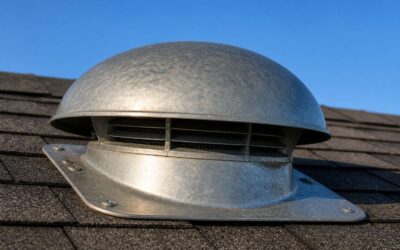
- Turbine Vents: Cost-effective and zero-energy, but they only work when the wind blows.
- Ridge Vents: These run the length of the peak and offer a clean, low-profile finish that is excellent for modern barns.
- Powered Exhaust Fans: These provide aggressive airflow for large spaces or areas with poor natural cross-ventilation.
Before you commit, consider the pitch of your roof. A steep pitch reacts differently to wind loads than a shallow one, so the flashing kit must match your panel profile precisely. Getting this wrong invites leaks, which quickly turn a simple vent into a rust factory. Ultimately, the best system is the one that balances your climate zone with your daily usage patterns. A little time spent on this calculation now protects your structure from premature corrosion and keeps your interior breathable for years to come.
Installation Best Practices for Metal Roof Vents
A metal building without proper ventilation becomes an oven or a condensation trap. A roof vent metal building system solves both problems, but only when installed with care.
Start with the placement. The vent must sit high on the roof plane, near the ridge. This position captures rising hot air and moisture. Placing it lower reduces its effectiveness. You also need to consider the building’s orientation. Aim for a position that avoids prevailing wind pressure, which can force rain into the vent.
Before cutting the panel, lay out the opening precisely. Measure twice. A single misaligned cut weakens the structural integrity of the sheet. Use a jigsaw with a fine-tooth blade, or aviation snips for thinner metal. Never use a grinder; it overheats the metal and burns the protective coating, which leads to rust.
Here are the critical steps for a watertight seal:
– Cut the opening smaller than the vent base, not larger.
– Apply a high-grade butyl sealant tape around the entire perimeter of the opening.
– Use self-tapping screws with EPDM washers, and drive them straight in. Over-torquing crushes the washer and creates a leak point.
The flashing is where most installs fail. The bottom flange must overlap the shingles or panels below it, while the top flange slides under the upper panels. This shingling effect directs water over the vent, not behind it. If you are installing on a screw-down panel system, secure the flashing with the same roof screws. On a standing seam roof, use the correct clips, not screws through the seam.
Finally, check the interior. A roof vent metal building system often requires a curb or a gasket to bridge the gap between the vent and the purlin. This prevents warm, moist interior air from escaping into the insulation and condensing. Secure the base to the curb, then seal the joint with a non-hardening mastic. Do not rely solely on caulk; it degrades in UV light and temperature swings. The right sequence, the right sealant, and the right screws turn a simple vent into a permanent part of the roof.
Common Mistakes and Maintenance Challenges
The roof vent metal building wears its age quietly. Over time, a common mistake becomes a persistent ache: ignoring the seal where the vent meets the corrugated iron. That joint must breathe, but not weep. When it fails, water travels along the hidden purlins.
Maintenance challenges collect like dust in a forgotten hall:
- Rusted screws that no longer bite into the steel frame.
- Compressed foam tape, brittle and useless after two seasons.
- A warped damper that rattles and lets heat escape.
Each failure turns a simple roof vent into a source of dread. You cannot fix it once and forget it. The metal remembers every shift in temperature, every storm’s pressure, and it demands vigilance.
Benefits, Costs, and Energy Efficiency Considerations
Here is the article, written to your specifications.
—
The Breath of the Building: Why Roof Ventilation Matters
Your metal building is a fortress against the elements. It shelters your tools, your inventory, or your workspace with unyielding strength. Yet, without a breath of fresh air, that same fortress can become a hotbox, a pressure cooker, and a moisture trap all rolled into one. We often focus on the walls and the frame, but it is the space above your head, specifically the ventilation, that dictates the true comfort and longevity of your investment.
Consider this: an unvented metal structure can easily see internal temperatures soar past 50 degrees Celsius on a sunny South African afternoon. That kind of heat isn’t just uncomfortable; it’s destructive to your equipment and your productivity. The sun beats down on that steel skin, and without a proper escape route, the heat radiates into every corner of the building. A well-placed roof vent metal building system, however, changes the entire dynamic. It allows that superheated air to rise and escape, drawing cooler air in from the lower levels. This natural, passive flow is the simplest and most cost-effective way to keep your space habitable.
But the benefits go far beyond simple comfort. Think about the science of temperature differentials. When warm, moist air meets a cold metal surface, condensation forms. In an enclosed building, this leads to rusting panels, degrading insulation, and a constant dripping that damages stored goods. A roof vent metal building setup works around the clock to equalise the temperature, minimising the risk of condensation and the subsequent corrosion that plagues so many structures. It is the difference between a building that merely stands and a building that truly lasts.
Installing the right system is not a luxury; it is a necessity for the serious owner. You must consider the “stack effect”. Hot air is buoyant; it wants to rise. By creating a high point of escape, you harness a natural force that never tires. There are various options, from static turbines that spin with the wind to powered exhaust fans for those days when the air is still. The choice depends on your specific needs, but the principle remains the same: you need a clear path for that stale, hot air to exit. It is a simple equation of physics that yields massive dividends.
Furthermore, you are not just protecting the building envelope. You are protecting yourself. Fresher air means a more pleasant working environment, which translates directly into better focus and fewer health complaints related to heat stress. It also keeps insects and pests out, as a well-designed vent is typically screened to block unwanted visitors.
So, when you look at your metal building, do not just see a shell. See a living system. Give it the ventilation it deserves, and it will repay you with decades of reliable, comfortable service. This is not an afterthought; it is the key to unlocking the full potential of your space. Plan for it, invest in it, and let the building breathe.


0 Comments