Understanding Roof Vents for Range Hoods
Vent Types and Configurations
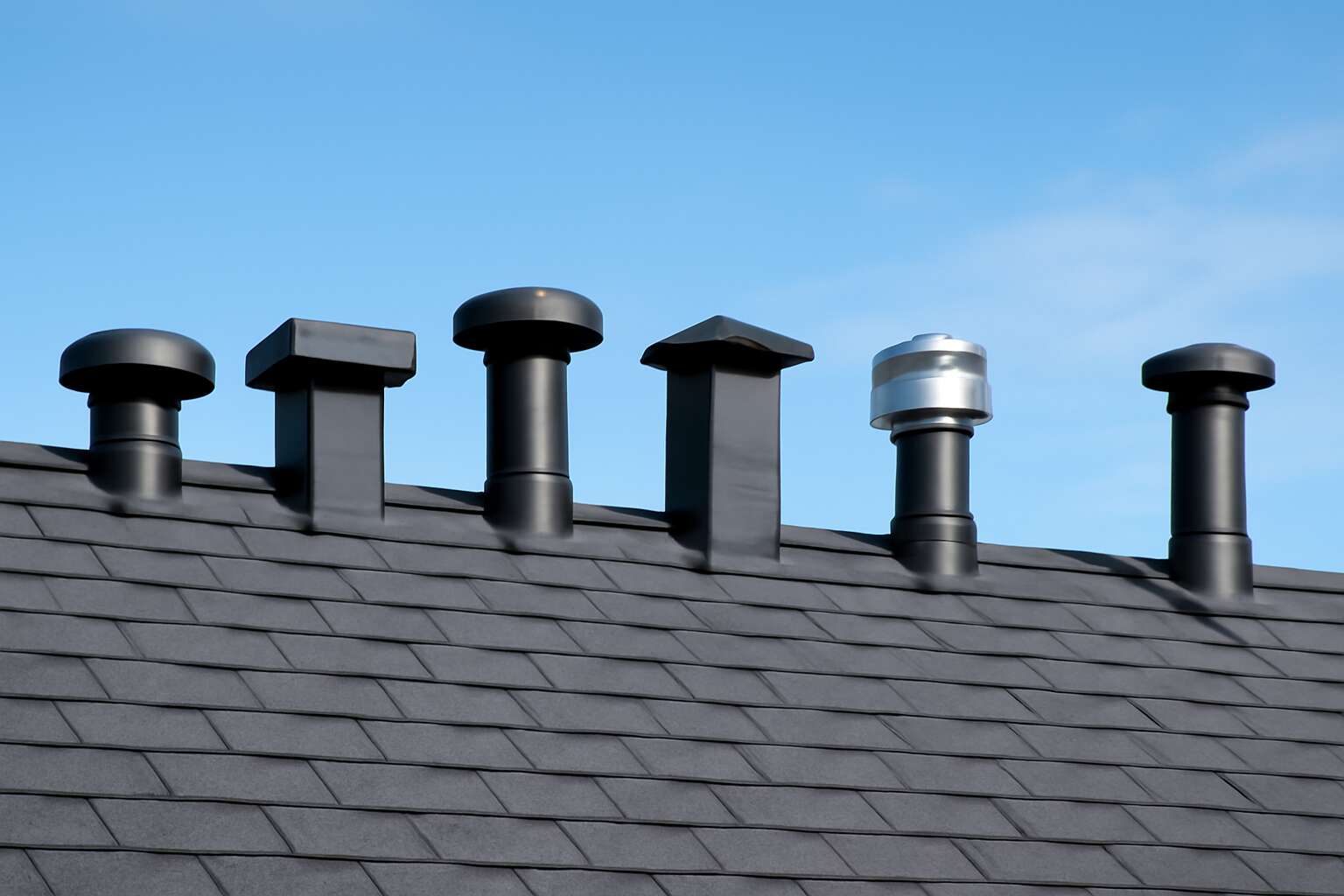
Kitchens hum with steam and drama, and the right roof vent for a range hood plays the lead. A sharp stat: proper ventilation can cut kitchen odors and humidity by roughly 40% in SA homes, turning sizzling pans into applause rather than drama. The market offers a spectrum of 7 roof vent for range hood choices, each with its own quirks and style. Understanding vent types and configurations keeps smoke outside, not lingering in the living room.
Vent types and configurations come in several flavors:
- Through-roof vents exit directly to the outside
- Wall vents suit compact spaces with shorter duct runs
- Inline fans push air through discreet ducting to an exterior exit
Spaces, ceiling height, and weather influence choices; SA kitchens often favor low-profile options. The goal is a clean exhaust path that avoids backdrafts and keeps the hood efficient. The 7 roof vent for range hood lineup balances form and function for SA realities.
Key Differences Between Roof and Wall Vents
In SA kitchens, a well-ventilated hood is the unsung hero, trimming odors and humidity by roughly 40% during dinner chaos.
Understanding the roof vent vs wall vent differences matters when choosing the 7 roof vent for range hood lineup, especially in SA homes where space and weather shape the decision.
- Location and exposure: roof vents sit on the roof, braving rain and wind; wall vents stay on exterior walls but can be harder to seal cleanly against kitchen smells.
- Duct length and efficiency: roof setups can accommodate longer runs with proper insulation; wall paths are shorter but may force closer proximity to living spaces.
- Weatherproofing: roof penetrations require flashing and seals to guard against leaks; wall penetrations hinge more on wall material and flashing details.
Choosing between these options hinges on ceiling height, weather, and the practical dance of backdraft prevention, balancing form and function for SA realities.
Impact of Roof Vents on Kitchen Ventilation
In South Africa’s kitchens, proper ventilation isn’t a luxury—it’s daily relief. A well-tuned roof vent for a range hood can cut cooking humidity and lingering odours by as much as 40%, turning chaotic dinners into calmer, cleaner moments.
Roof vents lift heat and steam straight up and out, shaping airflow around the stove and reducing backdraft. The right configuration withstands SA weather, from storms to scorching afternoons. The 7 roof vent for range hood can offer a balanced compromise between long duct runs and roof penetration, especially where space is tight.
Consider these factors when we weave roof vent choices into the kitchen’s design:
- Rafter height and ceiling clearance
- Flashing and weatherproof seals
- Insulation compatibility for longer runs
In the end, the heart of SA homes beats in the kitchen’s breath—light, hot, and honest. A roof vent that works with the season and the space keeps families cooking without compromise!
Codes, Standards, and Safety Considerations
In South Africa, the kitchen’s breath can make or break a meal. A striking 68% of SA kitchens report lingering humidity after cooking due to inadequate venting. Understanding the 7 roof vent for range hood isn’t merely a choice—it’s a quiet act of safety, a weatherproof promise, and a design decision that shapes every supper. This look at codes, standards, and safety considerations grounds your decision in reality, not guesswork.
- South African National Building Regulations and local by-laws govern roof penetrations and ductwork.
- Fire safety standards require proper duct materials, fire-rated sleeves, and sealed transitions to prevent smoke spread.
- Electrical safety covers weatherproof connections and suitable motor enclosures for outdoor use.
- Weatherproof flashing and insulation compatibility ensure the vent withstands storms and heat.
Above all, safety means thinking about rain, insects, and condensation—quiet barriers that keep the kitchen breathable without drama.
Common Installation Challenges and Solutions
Understanding roof vents for range hoods means facing SA realities: storms, insects, and roof geometry that shape airflow. The 7 roof vent for range hood is more than a name—it balances suction, weatherproofing, and easy maintenance. When well planned, it keeps humidity down and cooking smoother!
Common installation challenges come from the roof line and duct layout. Here are real-world realities and quick remedies for SA homes:
- Long or winding duct runs reduce airflow; keep routes short and straight.
- Inadequate flashing invites water and pests; use proper flashing and seals.
- Condensation at transitions; seal with appropriate sleeves.
Choosing the right approach in SA means balancing looks with function and local climate realities.
Sizing, Fit, and Compatibility
Measuring for the Right Roof Vent
In South African kitchens, right roof vent for range hood acts as a guardian against smoke and steam. Sizing isn’t guesswork; it’s alignment—duct, roof opening, and airflow moving as one to prevent backdrafts and noise. The 7 roof vent for range hood line responds to roofs, not specs.
Sizing, fit, and compatibility start with basics: duct diameter, roof opening, and attic clearance. The aim is a smooth air path with minimal bends, keeping pressure low and performance high.
Here are quick checks to verify compatibility before you buy.
- Consider duct diameter alignment with the hood outlet
- Evaluate flashing and boot compatibility with the roof type
- Check that roof opening dimensions align with the vent flange
- Assess attic clearance for the vent’s height and slope
Seal and route the exhaust for efficient breathing—your kitchen will thank you when the air moves cleanly and quietly, even on a stormy SA afternoon.
Duct Size and Range Hood Compatibility
In South Africa’s kitchens, a poorly matched vent can turn cooking steam into a lingering shadow. The 7 roof vent for range hood approach treats sizing as alignment, not guesswork: duct diameter, roof opening, and attic clearance must move as one to keep backdrafts and noise quiet.
Sizing, fit, and compatibility start with basics: ensure the duct diameter matches the hood outlet, the roof flashing fits the roof type, and the roof opening lines up with the vent flange. The aim is a smooth air path with minimal bends, keeping pressure low and performance high.
- Check duct diameter alignment with the hood outlet
- Verify flashing and boot compatibility with the roof type
- Confirm roof opening dimensions align with the vent flange
Seal and route the exhaust for efficient breathing—your kitchen will thank you when air moves cleanly and quietly, even on a stormy SA afternoon.
Material Durability and Weather Resistance
Dark kitchens hide a statistic: poor vent fit can steal 20% of airflow. Sizing, fit, and compatibility are not guesses—they are guarantees. The 7 roof vent for range hood demands a precise match: duct diameter, roof flashing, and attic clearance syncing to keep backdrafts quiet and performance high.
Material durability and weather resistance are the armor that South Africa’s climate demands. Choose corrosion-resistant metals and robust coatings because wind, rain, and heat test every seam. A reliable vent withstands storms and stubborn sun, preserving air quality without a whisper of fatigue.
- Galvanized steel or stainless steel for corrosion resistance
- Powder-coated aluminum for outdoor durability
- Sealed joints and reinforced flashing for weatherproofing
When you pair the right materials with proper fit, the system breathes easier.
Noise, Vibration, and Performance
Sizing, fit, and compatibility aren’t guesses—they’re guarantees. The 7 roof vent for range hood aligns with real-world homes, from Cape winds to southern heat, delivering steady airflow and a whisper-quiet performance when the fit is right.
Noise, vibration, and performance hinge on a precise match with the duct diameter, roof flashing, and attic clearance. A good fit keeps the unit calm and the air moving.
- Secure mounting reduces vibration
- Rigid flashing maintains airtight seals
- Continuity through joints sustains performance
When the fit is precise, the system breathes easier, resisting wind and heat while keeping backdrafts quiet and performance buoyant.
Choosing the Right Roof Vent for Your Kitchen
Assessing Kitchen Needs and Ventilation Goals
Behind every calm kitchen in a South African home lies a vent doing quiet, hidden work. The right roof vent can turn sweltering steam into a breeze and banish lingering odours, especially in warmer seasons. The 7 roof vent for range hood is more than a name—it signals a deliberate approach to airflow that respects both kitchen needs and the architecture around it.
To assess kitchen needs and set ventilation goals, consider how you cook, the room’s layout, and the local climate:
- Cooking load and odour intensity
- Ceiling geometry and roof access
- Wind exposure and attic insulation
With these factors in mind, the aim is a system that moves air efficiently while preserving quiet operation and durability across seasons. A thoughtful roof vent aligns performance with style, proving that ventilation can be both practical and discreet in SA homes.
Performance Ratings and Energy Efficiency
In South Africa, a well-tuned roof vent acts like a quiet sentinel, turning kitchen heat into memory. A properly vented hood keeps summers manageable and aromas contained. The 7 roof vent for range hood isn’t a label—it signals a thoughtful airflow path.
Performance ratings and energy efficiency matter most. Seek a CFM that suits your cooking load, a quiet motor, and weatherproof construction that lasts through seasonal swings. A well-rated vent minimizes energy waste while delivering reliable airflow, year after year.
To compare options at a glance, focus on these indicators:
- CFM aligned to kitchen load
- Low-noise performance
- Weather-resistant design
That approach keeps climate and comfort in balance—quietly.
Vent Cap Styles and Aesthetic Options
South African kitchens deserve more than function—they deserve an airflow that feels almost architectural. Choosing the 7 roof vent for range hood is more than a purchase—it’s a design decision that threads air and atmosphere. Studies hint that well-sized, quiet exhaust can trim energy use by up to 30% while keeping aromas in check.
Cap styles and aesthetics can harmonize with roof shapes and home character. Consider how the vent cap sits against the roofline, or how metallic finishes catch the late afternoon sun. For a quick visual cue, these options can guide a cohesive look:
- Flat, low-profile caps that disappear on metal or tile roofs
- Curved or domed caps that soften sharp angles
- Louvered or slotted caps that hint at industrial chic
Materials matter as much as form—galvanised steel, copper patina, or powder-coated aluminium endure SA summers. Choose a cap that resists wind-driven rain and aligns with your home’s palette while keeping the kitchen’s heart quietly temperate.
Roof vs Other Venting Options
South Africa’s kitchens are the heartbeat of the home, and the vent that keeps the air honest should be both practical and poetry. A recent energy study shows well-sized, quiet exhaust can trim cooling loads by as much as 30%, turning air flow into a silent, strategic ally.
Choosing the 7 roof vent for range hood isn’t just a purchase; it’s a design decision that threads air with atmosphere. Roof vents offer a clean silhouette and can sit discreetly above tiled or metal roofs, contrasting with wall or ceiling options that shape different sightlines and rhythms.
Consider how the vent cap harmonises with your roof line and palette. Materials—from galvanised steel to copper patina—need to endure SA summers and wind-driven showers without shouting. Your choice should balance aesthetics with resilience, letting air feel almost choreographed with the home.
- Architectural cohesion with roof forms
- Weather-resilient finishes for SA summers
- Low-profile profiles that respect rooflines
Budgeting, Value, and Warranty Considerations
South Africa’s kitchens demand air that feels effortless and eternal. A well-chosen vent can trim cooling loads by up to 30% and hum with a note of quiet confidence. For the 7 roof vent for range hood, budgeting isn’t just about price—it’s about long-lasting performance that ages gracefully with the home.
Start with the long game: consider upfront costs, installation complexity, and the warranty that travels with the unit. Look for weather-resistant finishes, like galvanised steel or copper patina, and a warranty that guards corrosion and seal life in South Africa’s summers and gusty showers. This is where value reveals itself: a well-built roof vent reduces maintenance and keeps the kitchen poetry intact.
- Upfront cost vs. long-term savings
- Warranty duration and what it covers
- Local service availability and installation support
- Maintenance requirements and parts availability
Choose a brand with credible South Africa distributors and a robust service network, and let the right roof vent meet your kitchen’s rhythm with grace.
Installation, Maintenance, and Troubleshooting
Installation Basics and Preparation
Airflow is the unsung hero of South African kitchens, and the 7 roof vent for range hood is its conductor. A precise install reduces heat and humidity, extending appliance life and keeping air fresh. The roof interface, cap, and duct routing shape performance, turning a simple vent into a reliable ally!
Maintenance keeps the system singing, especially in dusty climates. Regular cleaning of grease-prone surfaces and checking seals helps maintain efficiency and prevent leaks. I’ve found that attention to the roof vent cap and outer hood face pays dividends.
- Grease buildup and seal wear are common performance indicators
- Cap integrity and duct path influence efficiency
- Debris at the cap can block airflow
Troubleshooting Installation Basics and Preparation begins with a calm audit: confirm the roof interface is weather-tight, duct segments are straight, and bends are limited. If airflow falters, look for leaks, joint heat, or cap blockage. Preparation makes the difference.
Sealing, Flashing, and Weatherproofing
The roof is the unseen stage on which every kitchen performs; when the seal sings, the room breathes easier. In South Africa’s climate, a misbehaving vent wastes heat and invites humidity. The 7 roof vent for range hood keeps air moving and longevity intact, turning a simple cap into a trusted ally.
For proper sealing, flashing, and weatherproofing are non-negotiable. Storms, dust, and sun wear at joints; gaps invite leaks.
- Sealing integrity at joints
- Quality flashing around the roof interface
- Weatherproof cap seals and outer hood protection
Maintenance remains a quiet ritual—regular cleaning of grease-prone surfaces and checking seals helps. Debris at the cap and wear on the duct path often reveal themselves as reduced airflow.
Cleaning and Maintenance Schedule
Installation for the 7 roof vent for range hood isn’t just about securing a cap—it’s about architecture meeting kitchen needs. In South Africa, a harsh sun and sudden storms test the roof line, so a sturdy mount and a clean duct path matter. The payoff is longevity and quieter, more reliable exhaust.
Maintenance pays dividends. Regular exterior cleaning, watching for corrosion, and keeping the duct path clear preserve airflow and reduce stress on the venting system. With the 7 roof vent for range hood, a light touch now keeps performance steady long into the future.
Troubleshooting and a practical maintenance cadence avoid surprises. Monitor airflow, listen for unusual sounds, and note moisture at the cap. Schedule: annual check, with a mid-year quick audit after storms or heavy cooking.
- Reduced airflow or odd odours
- Visible wear on the cap or seals
- Moisture or rust around the roof penetration
Troubleshooting Common Issues
In South Africa, where the sun is fierce and storms roll in, the 7 roof vent for range hood is more than hardware—it’s architecture that keeps air moving and noise down. Installation should prioritise a sturdy mount, reliable flashing, and a clean duct path so performance endures and calm returns quickly to the room.
Maintenance is a quiet investment: regular exterior cleaning, watching for corrosion, and keeping the duct path clear preserve airflow and reduce strain on the system. With thoughtful upkeep, the exhaust stays steady through long days of cooking and stormy evenings alike.
Troubleshooting — Common Issues:
- Reduced airflow or odd odours
- Visible wear on the cap or seals
- Moisture or rust around the roof penetration
Tips to Prolong Roof Vent Lifespan
7 roof vent for range hood is a quiet sentinel on SA roofs, especially where the sun tests every seam and sudden storms arrive unannounced. A sturdy mount, reliable flashing, and a clean duct path keep air moving and noise down!
Maintenance is a quiet investment: regular exterior cleaning, watching for corrosion, and keeping the duct path clear preserve airflow and reduce strain on the system. In our climate, a little upkeep yields steady exhaust through long cooking days and stormy evenings alike.
Troubleshooting tips to prolong roof vent lifespan: common issues surface with time, but they’re manageable. Here are quick signals to watch:
- Reduced airflow or odd odours
- Visible wear on the cap or seals
- Moisture or rust around the roof penetration
Compliance, Safety, and Longevity
Building Codes and Permits
Compliance isn’t glamorous, but in South Africa a proper permit is the difference between a kitchen that breathes and one that merely pretends. For the 7 roof vent for range hood, building codes treat mounting, flashing, and fire safety as non-negotiables, not afterthoughts. Local councils ensure every seam keeps weather out and air moving, even when the ridge wrestles with the weather!
- Local permits and inspections
- Adherence to SA building standards
- Proper flashing and weatherproofing
- Safe electrical connections and fire separation
- Correct duct routing and termination
Choosing a compliant configuration ensures the 7 roof vent for range hood becomes a lasting ally—quiet, durable, and law-abiding. Longevity follows from respecting codes, not bravado; the roof’s breath stays clean, the kitchen stays serene.
Fire Safety and Insulation Considerations
South Africa’s kitchens breathe easier when a properly installed vent is treated as a safety feature, not a cosmetic flourish. The 7 roof vent for range hood is more than a vent—it’s a guardian against smoke, moisture, and weather. Compliance with local permits and building standards keeps weather out and air moving, even when the sky wrestles with the ridge.
Fire safety and insulation considerations include the following high-level elements:
- Fire-rated flashing and duct segments to resist heat transfer
- Sealed joints with non-combustible insulation around the duct
- Adequate distance from attic insulation and electricals to maintain safe separation
When these principles are honored, longevity follows: fewer leaks, stronger weather resistance, and longer life for the roof vent, while the roof’s breath stays clean and the kitchen remains serene.
Material Choices and Longevity Tips
South Africa’s kitchens deserve more than a decorative cap—they deserve a guardian. The 7 roof vent for range hood stands as a sentinel against smoke, steam, and weather, turning a busy roof into a quiet engine of wellness. Proper installation can cut indoor pollutants by up to 60%.
Compliance with local permits and building standards keeps weather out and air moving, even when the ridge wrestles the sky. When these rules are honoured, the vent becomes a safety feature woven into the home, not a cosmetic flourish.
Material choices that endure include:
- Stainless steel housings with durable finishes
- Corrosion-resistant alloys for humid climates
- Non-porous seals and gaskets
Longevity blooms where durability is engineered into the product: sturdy mounting, weather-resistant finishes, and resilient design. When these principles guide selection, leaks stay rare and performance remains steady, keeping the kitchen calm and the roof’s breath clean.
DIY vs Hiring a Pro: When to Seek Help
South Africa’s kitchens deserve guardians, not garnish. The 7 roof vent for range hood can cut indoor pollutants by up to 60% when it’s installed to code, turning a busy roof into a quiet engine of wellness.
Safety counsel favors hiring a pro when uncertainty creeps into the job. DIY can escalate fire risk, electrical mistakes, and unseen leaks that invite mould and humidity into the kitchen.
- Permits and municipal inspections
- Complex flashing or roof repairs
- Electrical or ductwork beyond simple fixes
- Roof condition and safe access
Longevity depends on durable finishes, weatherproof sealing, and solid mounting. DIY enthusiasm can void warranties and compromise long-term performance. When permits, electrical work, or roof integrity are in question, seek professional help.

0 Comments