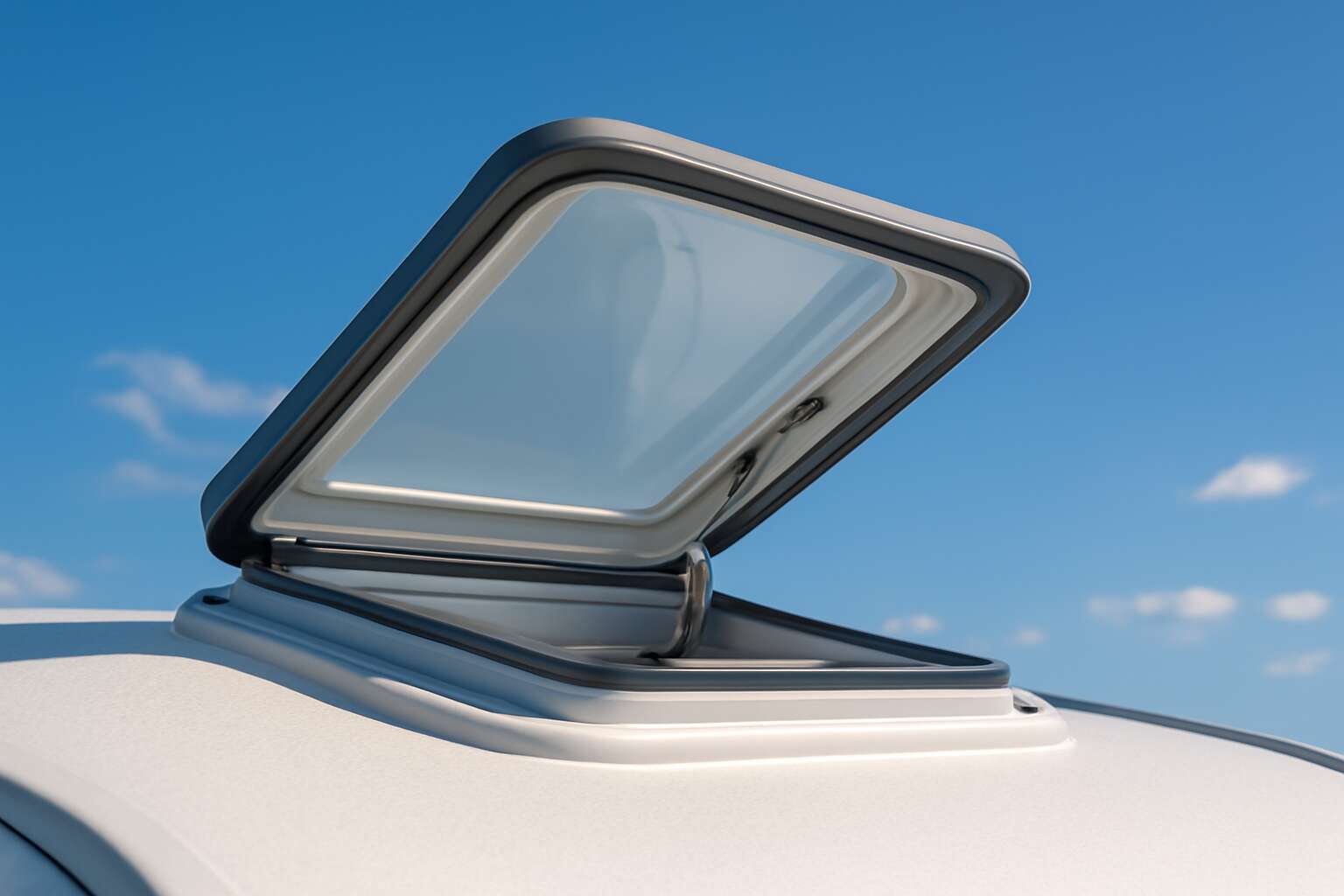
Understanding caravan roof vents: types, sizes, and compatibility
What is a caravan roof vent and how it works
South African caravanners know that a good breath of air can turn a long journey into relief after a hot day on the road. On a scorching afternoon, a well-placed roof vent can feel up to 10–15°C cooler inside, a small comfort with big payoffs.
Understanding caravan roof vents means weighing types, sizes, and compatibility. There are passive vents that rely on moving air and powered vents that actively exhaust heat. Sizes range from compact to larger footprints, with caravan roof vent 360 x 360 in mind becoming a popular standard because it fits many roofs while maintaining watertight seals. Different mounting methods and weather guards affect compatibility with your caravan’s skin and roof thickness.
- Static vents
- Powered exhaust vents
- Rain guards and screens
Types of caravan roof vents: static, rotating, and exhaust
Understanding caravan roof vents blends engineering with the romance of the road. Static vents sip air without power; rotating vents chase breezes; exhaust designs pull stale air from the cabin. Sizes span compact domes to broader footprints, with the caravan roof vent 360 x 360 proving a popular compromise for many roofs. In South Africa, the sun can turn a cabin’s interior scorchingly fast, so fit and weather guards matter, as do roof thickness and mounting options.
- Static vents: passive, rely on moving air, simple seals
- Rotating vents: actively chase breezes and adjust direction for more intake
- Exhaust vents: pull hot air out, often paired with rain guards
The flow between size, mounting and compatibility shapes a comfortable journey across SA’s routes.
Key compatibility factors to check before buying
In SA, the sun can turn a cabin’s interior scorchingly fast—airflow matters more than ever. The caravan roof vent 360 x 360 sits at a thoughtful intersection of size and performance, offering ample airflow without overpowering a slim roof line. Before buying, consider how mounting, weather guards, and roof thickness will shape fit and longevity. A well-chosen vent becomes part of the journey, a quiet ally when the heat climbs and the breeze is scarce!
Key compatibility factors to check before buying include:
- Roof thickness and curvature to ensure a snug seal
- Mounting hardware and compatibility with existing cutouts
- Weather guards, rain sealing and UV resistance
- Electrical needs or manual operation and battery considerations
- Vent weight, wind load, and roof structure integrity
With these checks, you’re not chasing trends—you’re inviting a smoother, cooler ride wherever the road takes you.
Common sizing considerations for caravan vents
SA summers turn caravans into saunas in minutes—a test of airflow and comfort! Understanding caravan roof vents helps you pick a design that breathes without shouting. The caravan roof vent 360 x 360 sits at a balanced footprint, offering adequate airflow for compact roofs.
Size matters: measure existing cutouts and consider roof curvature, whether the vent sits flush, and how much sealing is needed against rain. Footprint, height, and frame design all shape how well it seals and functions over years of travel.
Common sizing references to keep in mind include:
- 280 x 280 mm
- 360 x 360 mm
- 400 x 400 mm
Pros and cons of different vent designs
South Africa’s summers can turn a parked caravan into a greenhouse in minutes, making ventilation a comfort issue. Understanding caravan roof vents helps you choose a design that breathes without shouting. The caravan roof vent 360 x 360 footprint sits neatly on compact roofs, delivering steady airflow without dominating the skylight. Designs vary in how they move air, seal against rain, and tolerate wind—factors that matter on routes from the coast to the Karoo.
Different vent designs trade airflow for rain sealing, noise, and durability. For a 360 x 360 setup, compatibility hinges on roof curvature, frame, and seal options. Consider how a unit sits flush and what sealing you’ll need for SA rain showers.
- Efficient airflow from a compact footprint suits smaller caravans.
- Rain sealing and wind resistance depend on frame design and installation quality.
- Noise levels vary; some models run quietly at highway speeds.
Sizing and fit: choosing the right roof vent for your caravan
Measuring your roof opening accurately
Across South Africa’s sunlit highways, a roof vent that fits just right can turn a rattling night into a restful one. 37% of vent complaints stem from misfitting openings, where a tiny mismatch becomes a loud chorus. Sizing and fit aren’t afterthoughts; they’re the quiet compass guiding comfort, and when the caravan roof vent 360 x 360 sits ready to blend with the roof’s rhythm, I hear the sigh of relief.
- Opening width and length align with the roof opening, screw-hole footprint included.
- Roof curvature and mounting surface shape flush seating.
- Gasket and flange compatibility protect weather seals for the caravan roof vent 360 x 360.
Measure conceptually rather than by quick guesses; verify external footprint and internal clearance, ensuring a seamless dialogue between vent and van. The right fit preserves airflow and serenity across the South African skies—delightful in its quiet efficiency!
Understanding mounting options: fixed frame vs. universal fit
Across South Africa’s sunlit routes, a properly sized opening turns restless nights into restful ones. In fact, 37% of vent complaints stem from misfitting openings. Sizing and fit aren’t afterthoughts; they set the rhythm of airflow and weather sealing. For the caravan roof vent 360 x 360, ensure the external footprint aligns with the hatch while the internal clearance leaves room for a gasket to sit flush and a screw-hole footprint that won’t compromise stability.
- Fixed frame: steady, weather-tight performance for a permanent mount
- Universal fit: adaptability across a range of openings
- Flange adapters: bridge minor roof irregularities without leaks
Understanding mounting options is essential. These choices influence fit, seal, and serviceability, ensuring the vent sits true to the roof’s rhythm on South Africa’s varied roofs.
Weight, wind load, and roof strength considerations
Across South Africa’s sun-kissed routes, 37% of vent complaints stem from misfitting openings. Sizing and fit aren’t afterthoughts; they set the rhythm for airflow, weather sealing, and midnight comfort in a caravan.
When you’re eyeing the caravan roof vent 360 x 360, weigh weight, wind load, and roof strength. A lighter unit may be buffeted by gusts; a heavier one can strain the roof structure and gasket seating.
- Weight rating and overall ballast on the roof
- Wind load tolerance and potential sail area
- Roof deck thickness and structural integrity
With these factors balanced, the vent sits true to the roof’s rhythm, preserving seal and airflow across South Africa’s varied terrains.
Getting a proper seal: seals, gaskets, and flashing compatibility
Sizing isn’t a compromise; it’s the heartbeat of your caravan’s comfort on South Africa’s sunlit roads. For caravan roof vent 360 x 360, the right fit becomes a pact between quiet nights and dependable weather sealing. A misstep here invites drafts, leaks, and that uneasy feeling when the wind picks up.
Getting a proper seal hinges on three essentials: seals, gaskets, and flashing compatibility. I’ve found that a well-chosen kit matches the opening geometry, withstands SA sun and dust, and works with the roof’s flashing profile.
- Seals that match the opening geometry and frame
- Gaskets that resist UV, heat, and dust
- Flashing compatibility with the roof membrane and overlapping seams
With these elements aligned, the vent preserves airflow and weather protection across South Africa’s varied terrains—and that’s the quiet confidence I chase when planning a caravan journey.
Assessing roof material and insulation impact
“Sizing is everything,” says every seasoned caravan roamer when the SA sun blazes and the dust settles. The right vent size governs comfort more than gloss, especially for the caravan roof vent 360 x 360.
Assessing the impact of roof material and insulation is pivotal. A roof that swallows heat or traps humidity will undermine even the finest airflow, while insulation levels can recalibrate cooling expectations.
- Opening geometry and frame compatibility
- Roof material, thickness, and potential flex
- Insulation levels and interior climate expectations
Ultimately, correct sizing creates a balance between airflow and weather protection, gifting you that rare calm on South Africa’s roadways.
When to consult a professional for fitting
Sizing the right roof vent isn’t a peripheral detail; it’s a climate decision. Across South Africa, where the sun bites and dust swirls, the caravan roof vent 360 x 360 becomes a turning point between stifling heat and a breeze that feels like mercy. The correct fit respects opening dimensions, roof structure, and the way air moves over the curved surface, gifting true comfort on long highway days. I’ve learned these choices travel with you.
Consider these facets as you size and choose:
- Structural compatibility with roof framing and thickness
- Wind load, seal contact, and mounting finish
- Warranty implications and service availability
When to consult a professional for fitting becomes obvious when roof thickness varies or contours are unusual, or mounting holes don’t align. A qualified technician helps ensure a dry seal and reliable airflow, especially in SA’s scorching summers.
Performance, features, and energy efficiency
Airflow efficiency: CFM and ventilation rates explained
In the South African sun, airflow is a quiet lifeline. The caravan roof vent 360 x 360 moves air with intention. Air exchange is measured in CFM, cubic feet per minute, showing how much air the unit can pull through. A higher CFM refreshes space faster and controls moisture better, especially in compact caravans.
Performance and energy efficiency walk hand in hand. Modern units use efficient motors and blade design to deliver meaningful ventilation without a heavy power draw. Two-speed control lets you balance airflow and noise, so the interior stays comfortable whether you’re cruising the coast or parked in shade.
- Efficient, quiet operation that respects night-time peace
- Rugged housing designed for tough SA campsites
- Smart features like auto-close on rain
Weather sealing and leak prevention in adverse conditions
South Africa’s sun can test any caravan roof, but the caravan roof vent 360 x 360 rises to the challenge. It moves air with intent, delivering steady ventilation while sipping power, a crucial balance for off-grid trips. Quiet enough to linger in the night yet responsive when the day heats up, it’s the quiet lifeline that keeps moisture down and comfort up in compact spaces.
Key capabilities at a glance:
- Efficient, quiet motor design
- Two-speed control for flexibility
- Auto-close on rain to protect interiors
Weather sealing and leak prevention are baked into the build with gasketed edges, robust flashing, and a rugged housing that shrugs off wind-driven rain. The result is a unit that stays dry and retains warmth during chilly SA evenings, even when weather tests the campsite.
Noise level and comfort in a moving caravan
South Africa’s summer can push caravan interiors into the steamy zone, making airflow a top priority. The caravan roof vent 360 x 360 moves air with purpose, balancing ventilation with energy use on long off-grid trips.
Performance and features are tuned for real-world caravanning. It offers efficient airflow, a quiet motor, and two-speed control, plus auto-close on rain to protect interiors.
- Low power draw for off-grid stays
- Compact, sturdy build for roof integrity
Noise stays deliberately low, so conversations and rest aren’t disrupted on the move. The caravan roof vent 360 x 360 keeps wind impact manageable, delivering steady comfort and drier cabins even as the miles roll by.
Ventilation controls: manual, passive, and automatic options
“Heat follows us on the road,” a seasoned caravaner notes, and in South Africa that heat bites quickly. The caravan roof vent 360 x 360 is built to tame it with purpose.
Performance is tuned for real-world touring: steady airflow that cools cabins without waste. Its compact, rugged housing preserves roof integrity, while a durable seal keeps dust and moisture at bay.
Ventilation controls adapt to the moment, offering manual, passive, and automatic options to suit speed, weather, and shade.
- Manual: hands-on dialing for exact airflow.
- Passive: natural convection when stationary.
- Automatic: rainfall sensing and interior protection.
Energy efficiency means low power draw, so off-grid stays feasible. Quiet operation keeps conversations intact as miles roll by.
Energy usage and battery considerations for off-grid caravans
The South African sun is relentless, but your caravan doesn’t have to suffer. The caravan roof vent 360 x 360 is designed to chase heat with steady, quiet airflow, keeping the living space cooler and more comfortable on long journeys!
Performance and features blend rugged practicality with roof safety: a compact housing, a robust seal against dust and moisture, and airflow that cools cabins without waste. This unit harmonises with the roof line while shrugging off wind gusts with silent efficiency.
- Low power draw supports off-grid stays
- Quiet operation preserves in-vehicle conversation
- Dust and moisture resistance for SA climates
Energy considerations stay light on the ledger: the unit’s modest draw preserves battery capacity for extended off-grid escapes, while quiet operation keeps the cabin atmosphere calm even through dusk.
Integration with other vent accessories
South African caravanners know heat can be a stealthy opponent. The caravan roof vent 360 x 360 delivers steady, whisper-quiet airflow that cools the cabin without waking the road. Its compact housing hugs the roof line, shrugging off wind gusts while staying dust-tight and reliable.
It integrates gracefully with other vent accessories to form a cohesive roof system. Energy-conscious users will appreciate the low power draw and quiet operation, preserving battery reserves for long stretches off-grid.
- Dust and moisture resistance
- Quiet, steady airflow
- Seamless sealing with flashing compatibility
With these strengths, the caravan roof vent 360 x 360 becomes a trusted companion on SA roads, cooling living spaces while easing energy demands and supporting reliable off-grid adventures.
Installation, maintenance, and safety
Step-by-step installation basics for DIYers
A 2023 survey found 62% of caravan owners rate weatherproofing as the single biggest upgrade after purchase. A well-chosen caravan roof vent 360 x 360 can turn bluster into breeze, making the interior feel like a sunlit sigh. For DIYers, this is a doorway to confidence and comfort.
Here are step-by-step basics that keep projects practical, precise, and safe.
- Turn off power and inspect the work area, then dry-fit the unit to confirm alignment with the opening.
- Secure the mounting frame to the roof structure using the manufacturer-recommended hardware.
- Seal the perimeter with the proper flashing and gasket, applying a continuous bead of sealant as directed.
- Power on, test airflow and water spray from a hose to check for leaks, re-tighten if needed.
Maintenance and safety go hand in hand: inspect seals every season, wipe debris from the flashing, and check that the vent still opens and closes smoothly. A quick ritual of care keeps air moving and leaks at bay on South Africa’s roads.
Sealing techniques: choosing sealants and flashing
Weatherproofing remains the quiet workhorse of any caravan upgrade. In fact, 62% of caravan owners named it the top improvement after purchase. During installation, a well-chosen caravan roof vent 360 x 360 can turn bluster into breeze, keeping the interior bright and comfortable on South Africa’s roads.
Maintenance and safety go hand in hand. Seals are checked seasonally, flashing debris is wiped away, and the vent’s operation remains smooth.
- Butyl tape
- Silicone sealant
- EPDM or metal flashing
Sealing techniques hinge on compatible materials and weather. For caravan roof vents, consider gaskets and flashing that resist sun, rain, and temperature swings, ensuring a continuous, pliable seal across the opening.
Maintenance schedules to extend vent life
In the blistering South African sun, a quiet roof vent can be the difference between stifling heat and cool comfort. A caravan roof vent 360 x 360 isn’t just hardware; it’s a guardian of airflow—I’ve seen how it quietly extends the life of your interior by enabling a steady, reliable breeze on long trips!
Installation, maintenance, and safety form a single lineage. After fitting, the upkeep hinges on respectful handling and attentive checks. Seasonal seal assessments, debris-free flashing, and ensuring the vent still operates smoothly keep the system lean and the ride serene.
Maintenance schedules to extend vent life rely on gentle reminders rather than forceful routines. To streamline this, consider:
- Seasonal seal and gasket condition checks
- Flashing cleanliness and debris removal
- Vent mechanism operation review
Common installation mistakes and how to avoid them
The caravan roof vent 360 x 360 is more than hardware; it’s the quiet guardian of airflow on a long haul. In the South African sun, a properly installed vent cools interiors and preserves battery life. Common installation missteps—misalignment, mismatched flashing, or unsuitable sealants—sneak in when speed takes precedence. The cure is simple: choose components that suit your roof and follow manufacturer guidance to ensure a neat, leak-free seal.
Maintenance and safety hinge on steady behavior and respectful handling. Keep the path free of debris, listen for any binding in the mechanism, and never force movement. A vent that’s treated with care stays quiet, reliable, and ready for the next open-road moment.
Safety precautions during installation and use
The caravan roof vent 360 x 360 is the quiet guardian of airflow on long hauls. During installation, align the cutout with the roof opening, choose flashing that matches your roof material, and lay a continuous bead of the recommended sealant for a neat, leak-free seal. In the South African sun, a proper fit cools interiors and preserves battery life.
- Power off electrical connections before handling.
- Follow manufacturer tolerances; use the suggested sealant and flashing.
- Ensure frame is square, screws are evenly tightened, and surface is clean.
Maintenance relies on steady care: wipe away debris, lightly lubricate the hinge with the approved product, and test the mechanism without forcing movement. The caravan roof vent 360 x 360, kept clean and well-sealed, stays quiet, reliable, and ready for the next open-road moment.
Buying guide and value: how to choose and what to expect
What to look for in build quality and materials
Across South Africa’s sun-scorched plains, the caravan roof vent 360 x 360 is more than a vent—it’s a threshold between stifling heat and the night’s cool breath. Choose wisely, and you harvest steady airflow, durable materials, and fewer leaks on a long gravel road. Value here is measured in resilience against Cape winds and relentless UV, and in the quiet assurance that your shelter will hold fast when weather gnaws at the edge of comfort.
Look for build quality and materials that endure, not just look good in a brochure. Check the following:
- UV-stable housing and corrosion-resistant metals
- Reliable seals, gaskets, and flashing compatibility
- Solid mounting hardware and true frame fit
- Balanced airflow with acceptable noise level
- Solid warranty and service support
For the caravan roof vent 360 x 360, value is realized in watertight performance and long-term ease of maintenance.
Warranty, service, and spare parts availability
Across South Africa’s sun-scorched routes, a vent isn’t just ventilation—it’s a climate ally. The caravan roof vent 360 x 360 delivers steady airflow while standing up to Cape winds and relentless UV. Value emerges where durability meets dependable warranty and ready spare parts, turning a long road into a manageable journey.
Warranty, service, and spare parts availability define real peace of mind. In SA, a robust after-sales network means fewer surprises when seals age or parts wear. Consider these essentials:
- Warranty length and coverage (who, what, and for how long)
- Local service network and response times
- Access to genuine spare parts compatible with this model
- Clear documentation and supported channels (phone, email, in-country partners)
Quality expectations align with market support—the best outfits offer nationwide spares, quick returns, and mindful aftercare, ensuring your shelter keeps its cool on every gravel road.
Brand comparison: popular caravan vent options
Ventilation on South Africa’s open roads is more than comfort—it’s a quiet act of self-preservation. “Ventilation is life on the road,” echoes the seasoned caravanner who knows heat, dust, and glare can turn a trip into a test. When buying, value matters as much as price. The caravan roof vent 360 x 360 can be a steadfast starting point, delivering steady airflow without inviting a gale into the caravan.
Brand comparison reveals a spectrum of options that suit different budgets and needs:
- Budget picks with basic airflow control
- Mid-range designs with improved seals and sturdier materials
- Premium models featuring automated shutters and enhanced wind resistance
For fit and expectation, look for compatibility with roof type, mounting style, and seal technology. The caravan roof vent 360 x 360 often relies on universal frames or fixed mounting, making installation smoother and maintenance predictable. In SA, local parts availability and service networks translate to quicker support when seals age or components wear.
Ultimately, the choice blends airflow, durability, and peace of mind, shaping a journey where comfort meets resilience.
Price ranges and value for money
“Ventilation is life on the road,” a seasoned caravanner tells me as the SA sun hammers the cabin. The caravan roof vent 360 x 360 can be the quiet anchor of a long journey, delivering steady airflow without inviting a gale. It turns heat into breathable space and lets fatigue melt away as miles roll by.
Value on the open road starts with price versus performance. In SA, you’ll typically find three tiers:
- Budget: Under R500 — simple airflow, basic seals
- Mid-range: R500–R1500 — sturdier shells, better seals, smoother operation
- Premium: Over R1500 — automated features, wind resistance, longer life
Expect durable construction, reliable airflow, and predictable maintenance as the core value. Local availability of seals and spare parts in South Africa translates to less downtime and steadier horizons.
Where to buy and how to verify compatibility with your model
<pAcross South Africa’s open routes, heat can bite harder than a corrugated wind. In this buying guide, a dependable airflow matters more than you think. The caravan roof vent 360 x 360 acts as a quiet anchor on long journeys, turning stifling cabins into breathable spaces as miles roll by!
- Measure your roof opening precisely and confirm the vent’s footprint fits your caravan’s vent cutout.
- Check mounting style and gasket compatibility with your roof material to ensure a sound seal.
- Confirm power needs and control options align with your caravan’s electrical system.
Where to buy in SA? Look to authorised caravan retailers and regional suppliers who stock caravan roof vent variants, with local seals and replacement parts so maintenance downtime stays short—and peace of mind lasts for the long haul.


0 Comments