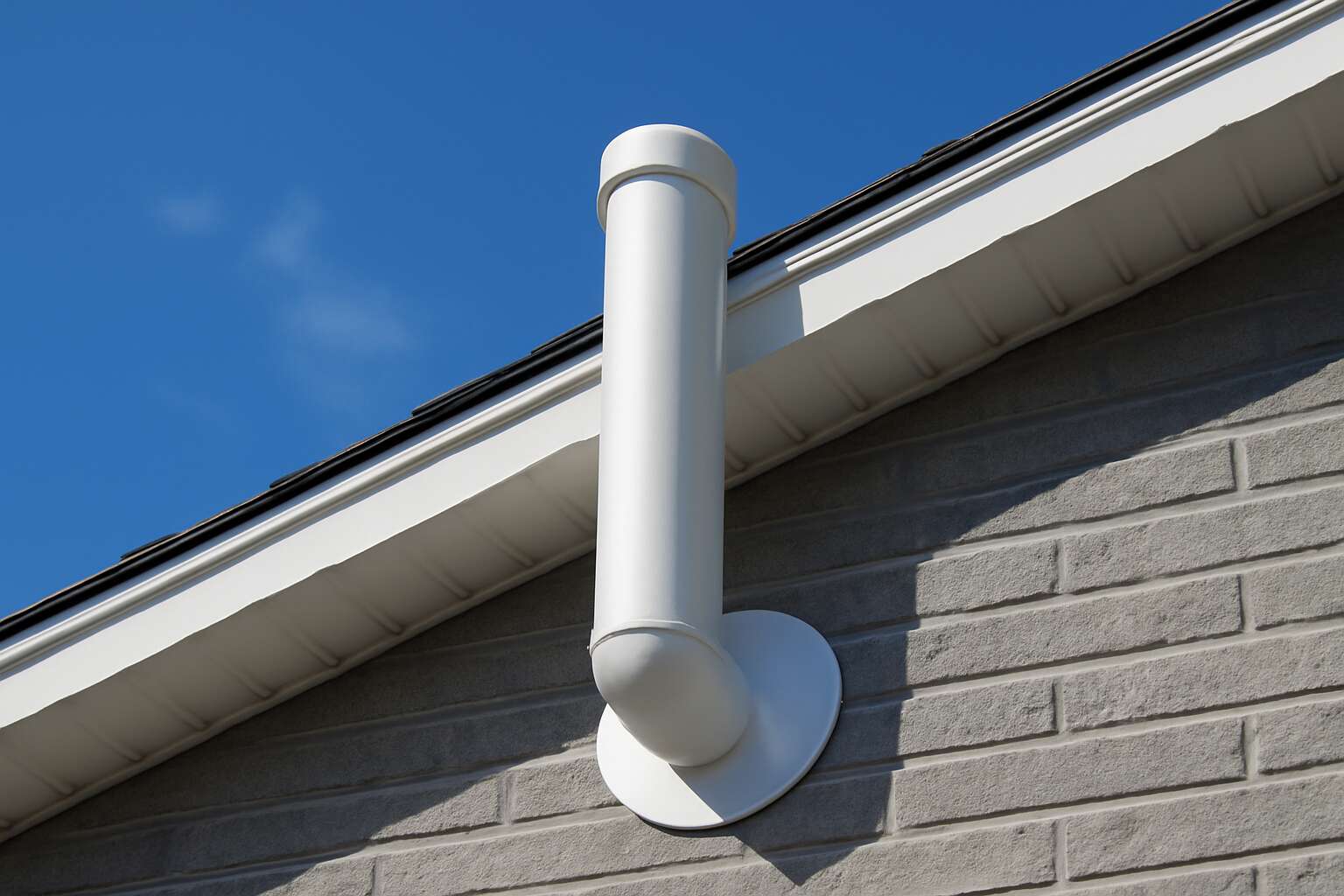
Wall to Roof Vent: SEO Outline
Section Types and Applications
Across South Africa’s sun-scorched towns, a wall to roof vent acts as the quiet breath of a well-tuned roof. “Ventilation is the breath of a safe home,” one craftsman declared, and his words still echo through modern design. In this section, we explore the SEO-friendly types and practical applications that give this vent its power—balancing airflow, moisture control, and energy efficiency for both cozy houses and busy workspaces.
- Residential dwellings needing attic cooling and moisture management
- Small commercial premises requiring steady air exchange
- Agricultural outbuildings where simple, durable venting matters
Types range from subtle, low-profile designs to robust, high-vent configurations, each chosen to fit roof geometry and prevailing winds. Applications span retrofit projects and new builds, where correct sizing and placement safeguard comfort while reducing strain on cooling systems. The result is a harmonious roofline and a healthier interior—all hallmarks of thoughtful South African architecture.
Materials, Design, and Sizing
In South Africa’s sun-scorched towns, the wall to roof vent is its quiet heartbeat. Ventilation shapes comfort as surely as memory shapes space—balancing heat and humidity across rooms and roofs. This section explores how materials, design, and sizing give it power.
Materials, design, and sizing shape how this vent performs through seasons. For SA conditions, choose corrosion-resistant alloys or UV-stable plastics, with weather seals and insect screens. Here are core options:
- Galvanised steel or aluminium for longevity
- UV-stable plastics for hooding
- Insect screens and robust seals
These choices harmonise with roof geometry and prevailing winds, keeping a tidy silhouette along the eaves while promoting balanced airflow and moisture control.
Installation and Integration
Across South Africa’s heat, comfort hinges on one quiet ally: the wall to roof vent. It moves air through the attic and living spaces, cutting heat pockets and damp spots as the sun climbs. In modern homes, it quietly sustains balance.
Installation and integration matter. The wall to roof vent should align with roof lines and seal tightly against wind and rain. Consider these essentials!
- Respect roof geometry and prevailing winds when locating the vent
- Use weather seals and insect screens to protect airflow
Once in place, the vent contributes to a broader climate approach—balancing moisture, supporting insulation, and keeping interiors comfortable through SA’s seasonal swings.
In SA projects, this vent is not mere hardware; it breathes with the building, shaping comfort year round.
Maintenance, Troubleshooting, and Longevity
In SA’s blistering days, the wall to roof vent is the attic’s quiet exhale. It dissolves heat pockets and damp shadows, keeping living spaces sane while the sun stalks the tiles. A silent guardian, utterly essential!
Maintenance rests on robust seals and proper alignment with roof lines. When seals falter, wind and rain find their way; when screens fail, pests drift through. The wall to roof vent deserves steady, observant care.
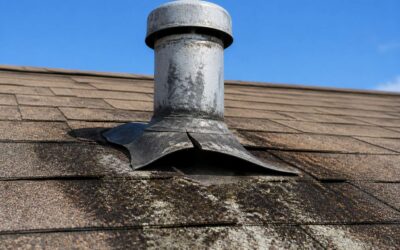
- Corrosion on the vent housing warns of aging.
- Gaps around flashing compromise airflow.
- Blocked screens invite moisture and pests.
Troubleshooting whispers through texture and smell. If airflow wanes, attic corners warm, patches linger near the vent, or an odd odor drifts downward, listen—these are the signs of aging.
Longevity blooms where care meets climate. In South Africa’s changing seasons, a well-kept vent endures, a quiet promise that the home’s breath stays even and true.
Cost, ROI, and How to Choose a Provider
South Africa’s sun can feel relentless, yet the wall to roof vent is a quiet artisan of airflow, turning an overheated attic into a measured exhale. Sized and positioned with care, it reduces heat pockets and steadies the climate.
Cost outlines hinge on size and roof type, but the wall to roof vent often pays for itself through cooler interiors and a lighter AC load. ROI emerges as steadier bills and a longer roof life.
To choose a provider, seek local experience, proper licensing, and transparent quotes. A qualified installer will assess roof line, flashing, and attic airflow to fit the right wall to roof vent.
- Licensing and insurance
- Clear, itemized quotes
- Warranty and service
- Local climate expertise
Choosing the right wall to roof vent provider invites a steady breath into the home.


0 Comments