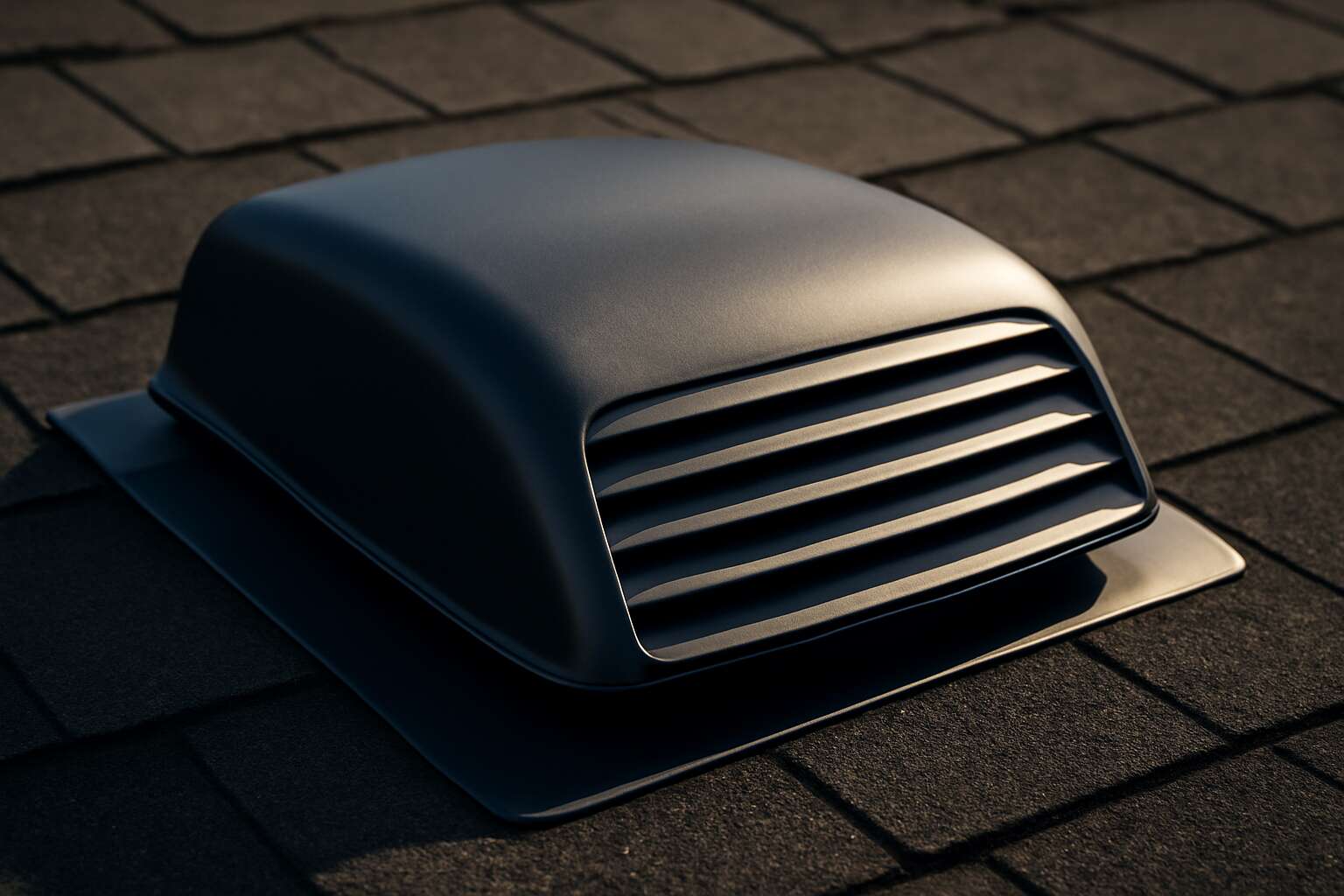
Understanding Roof Ventilation
Why Roof Ventilation Matters
Breathable roofs act as quiet climate control for the home. In South Africa’s heat, a well-ventilated attic lowers ceiling temperatures and reduces heat transfer into living spaces. When air moves freely, moisture is carried away instead of seeping into timber and insulation. The idea behind roof vent 14 is simple: a single vent can steer comfort and longevity with understated efficiency.
- Regulated attic temperatures and lower cooling loads
- Moisture control that reduces mould and rot
- Extended roof life by preventing condensation damage
Understanding roof ventilation means watching the balance between intake and exhaust. In practice, the South African climate rewards an approach that blends ridge and eave airflow, a philosophy echoed in roof vent 14 that respects both science and craft.
That balance shapes how a home feels when the day cools—silent, stable, and ready for whatever weather brings!
Types of Roof Vents
In South Africa’s heat, the attic is the quiet engine of comfort. A well-placed vent does more than move air; it shapes how a home feels as the sun crawls across the ceiling. Roof vent 14 stands as a reminder that balance breeds efficiency and calm.
Understanding roof ventilation means recognizing the types of roof vents that work in harmony. Typical choices include:
- Ridge vents for steady exhaust
- Soffit or eave vents for fresh intake
- Turbine vents that adapt to wind
- Box or static vents for targeted relief
These options can be combined to suit cottage and farmhouse roofs alike, balancing intake and exhaust across the day. In South Africa’s climate, a thoughtful mix of ridge and eave airflow keeps ceilings cooler and timber healthier, and roof vent 14 sits at the heart of that quiet efficiency.
How Roof Ventilation Works
In South Africa, the attic is the quiet engine of comfort, a room where heat barges in and cool leaves. I’ve learned that a single, well-placed vent can redraw a ceiling’s mood—the roof vent 14 sits at the heart of that exchange.
Understanding roof ventilation means tracing air’s natural choreography: warm air climbs, finds its way out through ridges; cooler air slips in from eaves; wind nudges turbines to turn and hum!
- Intake from soffit or eave vents creates fresh corridors for air
- Exhaust through ridge vents balances the flow
- Wind-activated options add adaptability without sacrificing quiet efficiency
In our climate, a thoughtful mix of exhaust and intake preserves timber, moderates humidity, and keeps living spaces perceptibly cooler. This balance helps maintain equilibrium across the day and into the evenings.
Common Roof Vent Problems and Solutions
Heat clings to attics like sunscreen on a Durban day, and healthy airflow is the SPF. In South Africa, a well-ventilated roof helps curb upstairs heat—roof vent 14 sits at the center of that cooling ballet. Common issues show up as damp timber, musty corners, or loft heat.
- Blocked intake chokes airflow; result: stifling attic heat and damp pockets.
- Ridge exhaust stalls on calm days; remedy: balance with fresh intake.
- Condensation and mould thrive in uneven ventilation; balance fights it.
- Leaks from vents and flashing threaten timber; durable seals protect.
When intake and exhaust dance in harmony, timber stays true and living spaces stay cooler without shouting for attention.
How to Choose the Right Roof Vent
Factors to Consider
A well-ventilated attic is the quiet diplomat of a comfortable home. In South Africa, up to 30% of energy used for heating and cooling can slip through the roof, a statistic that makes even the most stoic homeowner perk up and take a closer look.
To choose the right option, weigh climate quirks, roof pitch, insulation, and wind resilience. The roof vent 14 lineup often appeals for its blend of airflow and discreet appearance, yet its fit hinges on context.
- Local climate and seasonal humidity
- Vent size and attic footprint
- Compatibility with insulation and moisture control
- Wind uplift resistance and ease of maintenance
Done well, the choice reads as pragmatic elegance rather than a gimmick, delivering comfort without fanfare!
Size and Style Guide
Air is more than weather; it is the home’s quiet conscience. In South Africa, up to 30% of energy used for heating and cooling slips through the roof, a truth that nudges even the most stoic homeowner to listen to the attic. The right size and style hinge on climate quirks, roof pitch, insulation, and wind resilience. The roof vent 14 lineup blends airflow with discreet elegance, a choice that respects context.
- Attic footprint and intake area
- Roof pitch and aesthetic harmony
- Insulation compatibility and moisture control
Let the attic breathe and the home carry its quiet calm, a pact between comfort and craft.
Material and Durability
Across South Africa’s sun-drenched roofs, a well-chosen vent does more than move air; it preserves the quiet of a good night. Up to 30% of heating and cooling energy slips through the ceiling, a fact that nudges even the most stoic homeowner to listen to the attic.
Material choice isn’t about flash, it’s about enduring weather, wind, and heat. Consider these options:
- Aluminium: light, corrosion resistant, and weather-ready
- Galvanised steel: sturdy, affordable, and long-lasting
- UV-stabilised plastic: low maintenance, resistant to sun-fade
- Copper: elegant and durable, with a long life
Durability means wind resilience and moisture control inside the attic’s shadow. The roof vent 14 lineup pairs airflow with a discreet profile that fits most roofs, ready for coastal gusts or inland heat.
Installation and Optimization
Preparations and Safety
Ventilation is the quiet engine behind a durable roof, and roof vent 14 earns its keep in every South African home. “Ventilation is a moral choice,” a veteran roofer reminds us, and the logic is simple: better airflow equals longer life for timber and insulation.
Installation and optimization preparations hinge on understanding your roof’s layout, potential air gaps, and the rhythm of the attic. When you consider placement, balance, and compatibility with existing systems, you unlock performance without inviting damp or heat.
The following considerations guide a safe, lasting installation:
- Licensed expertise for assessment and fitting
- Structural compatibility with the roof deck and flashing
- Weather and timing to protect interior spaces
Safety must be non-negotiable: proper fall protection, PPE, and adherence to code requirements are as crucial as the vent itself. roof vent 14 stands as a testament to thoughtful design when care accompanies craft.
Step-by-Step Installation Overview
Installation and optimization start with a practical plan that respects the roof’s rhythm and the attic’s breath. In South Africa’s heat and seasonal rains, airflow must be predictable, not flashy. roof vent 14 demonstrates what careful design looks like when the aim is durability—quiet, effective, and straightforward! The goal is to coordinate placement, flashing compatibility, and timing with the weather so damp and heat stay out of living spaces.
- Assess the site from a safe ladder, securing the work zone and minimizing disruption.
- Measure, mark, and align openings with roof lines and existing vents.
- Seal flashing, install the vent snugly, and verify a tight fit against the deck.
- Test airflow under construction conditions and seal any gaps after a weather check.
The result is a balanced, low-maintenance setup that supports timber and insulation while keeping interior spaces comfortable year-round.
Integrating Vents with Attic Insulation and Roof Deck
Breath is the building’s unglamorous heartbeat. I picture the attic as a patient space, speaking softly through seasons. In South Africa’s furnace summers and sudden, soaking rains, the attic must speak softly—neither surrendering heat nor inviting dampness into living spaces. The art is integration: airflow that respects insulation, roof deck, and the timber that holds it all together.
Integrated design treats the attic as a single chamber, where insulation and deck converse in a careful dialogue. Vents align with rafters, flashing keeps moisture on the weather side, and airflow glides without creating drafts below. roof vent 14 embodies this principle; this model of quiet durability shows how roof vent 14 can perform.
When placement kisses the weather window and materials meet a long horizon of seasons, the result is a balanced, low-maintenance system that protects comfort—quietly, persistently, and all year round.
Venting Best Practices for Different Roof Types
Ventilation is the quiet heartbeat of a South African home, where blistering summers meet sudden rains. A properly breathing attic reduces humidity spikes by as much as 40%, letting living spaces stay cooler and drier.
As installation and optimization unfold across roof types, roof vent 14 proves its versatility. When the geometry shifts—from pitched to flat roofs—the flow must remain calm, consistent, and unobstructed.
- Pitched / gable roofs with clear eave lines
- Flat or low-slope roofs where wind patterns require thoughtful intake and exhaust
- Hip and complex roofs that benefit from staggered venting to balance pressure
Designed to complement insulation and decking, this approach keeps warmth out and dry air in, year after year.
Maintenance, Troubleshooting, and Longevity
Regular Cleaning and Inspection Schedules
Heat in South Africa is the stubborn houseguest that never leaves. A well-kept roof vent 14 can slice attic temperatures and trim your cooling bill—industry chatter cites up to 40% energy savings when airflow isn’t a joke. Maintenance pays off with quieter summers and fewer fluttering surprises on stormy nights!
Regular cleaning and inspection schedules keep the vent singing rather than squeaking. The aim is to catch debris, corrosion, or wear before they become performance issues—especially for roof vent 14 in SA’s coastal winds or baking interiors. It’s about maintaining airflow and avoiding damp drama.
Troubleshooting tends to reveal itself in signs rather than binary fixes: reduced airflow, unusual attic heat, or telltale rust that looks offended by sunlight. When these symptoms appear, treat them as a message from the roof—air needs a clear runway, not a clogged cul-de-sac.
Longevity comes to those who respect materials and climate. UV-hard plastics, galvanised metal, and proper seals resist SA’s sun and occasional seaside salt. With diligent upkeep, a roof vent 14 remains a quiet, dependable ally for decades, long after the breeze stops pretending to be polite.
Detecting and Fixing Leaks and Blockages
Maintenance keeps roof vent 14 humming under South Africa’s sun. Regular cleaning clears dust, coastal salt, and spider webs from intake to exhaust. Check seals for cracks, tighten screws, and watch for paint bubbling that hints at corrosion. The goal: steady airflow and quiet operation.
Troubleshooting shows itself in signs rather than quick fixes: reduced airflow, attic heat, or rust that looks offended by sunlight. Start with a visual sweep for debris, verify seals, and listen for whistling on gusts. If problems persist, call a professional to assess hidden leaks and dampness.
Longevity comes from durable materials and proper seals, especially in SA’s sun and sea spray. A roof vent 14 that’s looked after can last decades. Detecting leaks and blockages is about staying alert to moisture staining, damp rafters, and odd attic odors; fixes belong to trained technicians who reseal and restore airflow.
Seasonal Adjustments and Upgrades
Maintenance hinges on staying ahead of wear. In SA’s sun and sea spray, seals, fasteners, and coatings deserve periodic attention. Durable materials and proper sealing keep airflow steady and the exhaust quiet, preserving efficiency through the seasons.
Troubleshooting focuses on cues, not quick fixes. If the attic suddenly feels warmer, airflow shifts, or unexpected odors drift in, look for deeper issues beyond the surface. A professional should assess hidden dampness and interactions with the vent system that may arise over time.
Seasonal adjustments and thoughtful upgrades extend roof vent 14’s life. Consider protective finishes, corrosion-resistant hardware, and compatible accessories designed for SA’s climate. With prudent choices, a well-maintained vent can endure decades while keeping indoor comfort in check!
When to Replace Vents and How to Recycle
Maintenance in SA’s sun and sea spray requires quiet vigilance. roof vent 14 benefits from seals, corrosion-resistant hardware, and coatings that endure salt spray. When finishes stay intact and fasteners hold, airflow remains steady and the exhaust stays quiet, preserving efficiency through the seasons.
Troubleshooting should listen to cues, not chase quick fixes. If the attic feels warmer, airflow shifts, or unexpected odors drift in, seek deeper issues beyond the surface. A professional can assess hidden dampness and how roof vent 14 interacts with the attic envelope.
Longevity hinges on thoughtful choices about when to replace vents and how to recycle. If corrosion or performance declines, replacement may be prudent. In SA, recycling roof vent 14 components supports metal recovery and greener outcomes.


0 Comments