Understanding Solar Roof Ventilation
How Solar Attic Fans Work
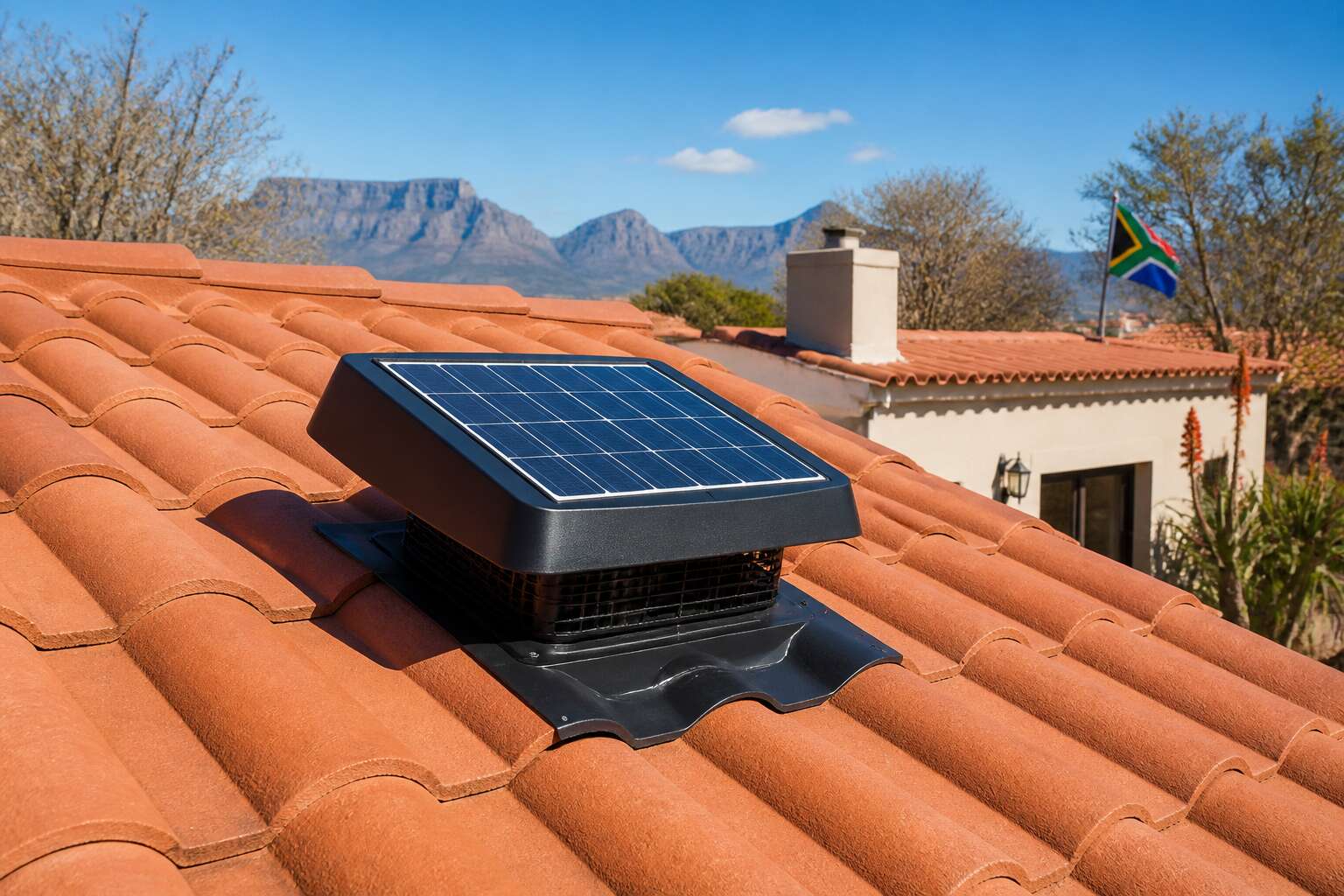
Sixty percent of the heat that accumulates in a South African home rises to the attic. Without ventilation, that trapped warmth forces cooling systems to work harder. A solar roof vent south africa intercepts this problem at its source. A photovoltaic cell on the unit captures sunlight, converting it into direct current electricity. This powers a low impedance motor that silently rotates the impeller blades.
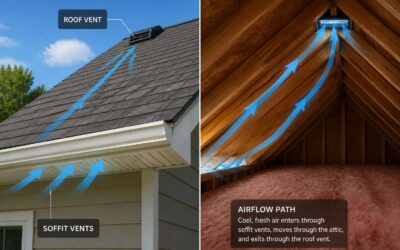
The spinning impeller expels superheated air through the vent opening. Simultaneously, a natural pressure differential pulls fresher air in from the soffits. The cycle continues as long as the sun shines, requiring no grid connection. This self contained mechanism operates with minimal friction and no fuel cost. I find that elegantly functional!
Key Benefits for South African Homes
A South African roof cavity can reach 60 degrees Celsius on a summer afternoon. That heat bleeds into living spaces for hours after sunset. A solar roof vent south africa counters this at the point of origin. The result is a cooler home and less strain on your cooling system.
Consider the secondary effects of chronic attic heat:
- Roof trusses and timber battens become brittle under prolonged exposure
- Warm, stagnant voids invite pest infestations
- Electrical wiring insulation degrades faster at elevated temperatures
The financial argument is straightforward. A solar roof vent south africa lowers energy consumption during peak demand. It also shields the roof substructure from thermal degradation.
Comparing Solar vs Electric Ventilation
Attic ventilation design splits into two philosophies. Electric fans offer raw force, but they consume electricity during peak tariff hours. A solar roof vent south africa answers with silent autonomy, using free sunlight to push hot air outward. The tradeoff is predictability; solar depends on irradiance. Yet for Cape Town summers, that dependence becomes an advantage.
- Electric roof fans add up to R800 per year in running costs.
- Solar models have no operating charges after installation.
During load shedding, electric systems stop working. The solar unit continues as long as the sun shines. That distinction matters for homeowners who want passive relief without grid exposure.
Relevant Factors in Local Climate
South Africa’s high solar radiation index creates a unique thermal environment. The Cape Peninsula alone receives over 3,000 hours of sunshine annually, which means attic temperatures can exceed 60°C by mid-afternoon. This is not a situation where small interventions matter; it demands decisive thermal management tailored to regional specifics.
Altitude transforms the calculation. Johannesburg’s Highveld sits at 1,750 metres, where thin air allows intense ultraviolet radiation and rapid daytime heating, followed by sharp evening cooling. A solar roof vent south africa addresses this diurnal swing by expelling superheated air during the exact hours the sun does its harshest work.
- Coastal humidity in Durban increases moisture retention in insulation, reducing its R-value.
- Interior Karoo conditions feature extreme thermal oscillation, with 20°C differences between noon and sunset.
- Wind patterns in Cape Town’s south-easter season affect passive vent performance, favouring systems that operate independent of draft direction.
Rainfall seasonality further complicates ventilation timing. The Western Cape receives winter precipitation, creating damp, cool attics where stagnant air breeds mould. The summer-dry provinces face the opposite problem; their attic air becomes desiccated and combustible. The relevance of a solar roof vent south africa emerges from this contradictory climate, where one solution must reconcile wet winters with scorching summers.
Why South African Homeowners Are Switching to Solar Ventilation
Combating Extreme Summer Heat
In a South African summer, attic temperatures can reach 60°C while the living room sits at 28°C. That trapped heat radiates downward all evening. Homeowners are now choosing a solar roof vent south africa to interrupt this cycle before it begins.
The switch is practical. A single vent operates exactly when the sun is strongest, pulling scorching air out of the ceiling void. I have seen homes in the Free State become noticeably cooler by late afternoon without a single rand spent on electricity.
The reasons are straightforward:
- Attics stay cooler throughout the day
- Bedrooms lose that oppressive late-evening warmth
- The roof structure suffers less thermal stress
This is why a solar roof vent south africa is becoming a standard feature in new builds and retrofits alike, a quiet response to an increasingly brutal heat.
Reducing Reliance on Eskom Power
Eskom’s load shedding schedule has a way of dictating which comforts remain possible. A ventilation system that depends on Eskom stops working exactly when the heat demands it most. The solar roof vent south africa removes that dependency entirely, running on sunlight that arrives without a schedule.
The shift is visible in suburbs from Pretoria to Cape Town. Homeowners are choosing hardware that asks nothing of the national grid. My own installation has worked through every stage of load shedding, which is more than I can say for the kettle.
- No generator switching during outages
- No surprise spikes in the monthly bill
- No backup battery to maintain
This independence matters. The grid will remain fragile for years. Choosing a solar roof vent south africa keeps the attic ventilated regardless of what Eskom decides.
Protecting Roof Structures from Moisture
Roof timber can rot for years before anyone notices. Moisture collects silently inside unventilated attics. Warm air rises from living spaces, meets the cold underside of the roof, and condenses into water droplets that soak into rafters and ceiling boards. Over time, this trapped dampness rots timber, rusts nail plates, and compromises the insulation’s R-value. A solar roof vent south africa changes that outcome by continuously exchanging humid interior air with drier outside air.
The corrosive conditions found in coastal provinces accelerate this damage. Without mechanical ventilation, mould and wood-rotting fungi proliferate inside the roof void, weakening structural members from within.
- Persistent condensation on roof sheeting
- Peeling paint on ceilings
- Musty odours in rooms below
These symptoms often signal an unchecked moisture problem. Installing a solar roof vent south africa creates a steady airflow that flushes humidity before it can settle. That constant motion keeps the timber dry and the structure intact.
Lowering Electricity Bills
Electricity tariffs have an annoying habit of climbing when you least expect them. Meanwhile, the humble attic fan sits there, quietly converting expensive grid power into lukewarm air. Switch that job to a solar roof vent south africa, and the monthly bill stops noticing the attic entirely. I’ve seen the difference on my own statement.
The savings stack up without ceremony:
- No electricity drawn during peak daylight hours
- No inverter or battery maintenance expenses
- No contribution to the household’s annual consumption spike
Run the numbers for any Durban or Johannesburg home and the pattern is unmistakable. Homeowners who switch stop feeding the meter every time the sun bakes their roof tiles. A solar roof vent south africa turns wasted sunlight into free, continuous airflow. That is the smartest tariff avoidance strategy I know.
Environmental Impact and Sustainability
Each kilowatt of sunshine that slips through a roof tile is a small opportunity. South African homeowners are answering it by installing a solar roof vent south africa for both comfort and conscience. The environmental benefit accumulates quietly.
Every rotation of the turbine blade removes heat without drawing a single unit of municipal power. Fewer coal-fired electrons from Eskom’s grid mean a lighter carbon footprint for the household. This solar roof vent south africa runs on photovoltaic cells that convert abundant African irradiance into movement, with no combustion and no emissions.
Within the broader sustainability picture, this natural airflow supports healthier insulation and extends the life of roof materials. The simplicity is the sustainability: fewer components, less waste, decades of service from the sun’s own energy.
Choosing the Right Solar Roof Vent for Your Home
Assessing Roof Size and Pitch
Selecting the correct solar roof vent south africa demands a survey of your home’s geometry. A sprawling Cape Dutch gable holds far more trapped heat than a compact suburban box, so measure the attic’s square footage before anything else. The pitch, that slant of rafters toward the sky, determines how effectively convective currents flow upward.
For steep pitches, I place the vent near the ridge to capture rising warmth. For shallow angles, set it lower to avoid stagnation. Consider these factors when estimating your needs:
- Roof orientation relative to midday sun
- Obstructions like chimneys or dormers
Each roof presents its own requirements, and only a patient assessment reveals them.
Evaluating Airflow Capacity and CFM Ratings
Most homeowners fixate on wattage or blade size, but the only number that matters is CFM. A solar roof vent south africa rated at 800 CFM can exchange the air in a standard attic every few minutes. That airflow determines whether your ceiling boards stay cool or become a heat sink.
When evaluating options, consider static pressure from long ducting or complex roof geometry. Each bend reduces effective airflow. I always check the manufacturer’s test conditions, because some ratings are measured without resistance!
- Look for free air delivery ratings, not maximum motor speed.
- Verify the CFM at 0.1 inches of static pressure.
- Match the rating to your attic’s volume.
A properly sized unit keeps timber dry and living spaces cooler. Understanding CFM turns a simple purchase into a sound investment.
Material Quality and Durability
A flimsy plastic housing can crack within two years of South African sun exposure. I have seen cheap units fail even faster when the polycarbonate lacks UV stabilisers. The material grade decides whether your solar roof vent south africa survives a decade or becomes a recurring expense.
UV-stabilised polycarbonate resists yellowing and brittleness. Powder-coated aluminium offers better corrosion defence, especially along the coast where salt-laden air accelerates rust. Stainless steel fasteners stop oxidation from reaching the roof deck. Housing thickness matters more than most buyers realise. Thin flanges flex during thermal expansion, opening gaps for moisture. The hinge mechanism on vent dampers takes repeated stress from daily temperature swings. Sealant near the flashing must stay pliable through intense heat cycles. Manufacturers who downgrade the plastic resin or reduce aluminium gauge create units that fail prematurely.
Warranty and After-Sales Support
A warranty reveals what a manufacturer thinks of their own product. A solar roof vent south africa that comes with a five year promise but excludes solar panel degradation is a polite way of saying you are on your own. I once inspected a unit where the claim form required a notary signature.
- Local stock of replacement fans and thermostats.
- Clear claim procedures that do not involve faxing documents.
After-sales support is the real test. Compare a supplier in Johannesburg who answers calls during load shedding versus a chatbot from another continent. Pay for service, not just hardware.
Installation, Maintenance, and Cost Considerations
Professional Installation vs DIY
Installing a solar roof vent south africa requires more than enthusiasm. The roof pitch, rafter spacing, and flashing procedure determine whether your ceiling stays leak free. I have seen homeowners overlook these details, only to face water stains within months. Professional installers understand the local building standards, which is why many choose their expertise for the initial setup.
Maintenance remains simple, but cost considerations still vary. DIY units save on labour, yet you need the right sealant and an annual inspection. The risk of climbing a steep roof outweighs the apparent savings for many owners! A professional installation typically costs more upfront, but it protects your warranty and spares you from costly repairs.
Before deciding, verify these points:
- Your roof warranty’s stance on unlicensed modifications.
- The vent’s accessibility for future cleaning.
- Whether the manufacturer backs a DIY install of this solar roof vent south africa model.
Positioning and Placement Best Practices
The sun’s arc does not pause for your convenience. A solar roof vent south africa must sit where morning light strikes first, not where the afternoon heat lingers. Positioning a solar roof vent south africa is an exercise in reading the roof’s own geometry. The vent should face north to capture maximum daylight, yet the core requirement is placement relative to the highest point. A vent tucked low on the slope creates a dead air zone, while one too close to the ridge risks insulation blockage. Place it halfway along the ridge to allow cross flow. Consider these checks:
- Obstructions like chimneys or trees within two metres
- Roof pitch above 25 degrees for proper rain run-off
- Clearance of 300 millimetres from any ridge cap
The exact location changes with each home, but the principle remains. A poorly placed vent works against the roof’s natural convection, pulling stale air from a single truss bay. Observe the shadow patterns for a full day before committing to the cut.
Routine Cleaning and Seasonal Checks
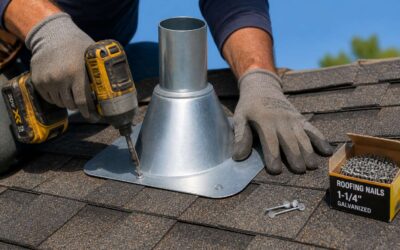
Installation of a solar roof vent south africa takes a morning, but details decide lifespan. I have seen installers skip the flashing kit, and a ceiling stain follows within months. The base must seat properly, membrane must seal, and fasteners must bite into rafters. Use stainless steel screws; coastal salt air corrodes steel in a season.
Maintenance stays simple. Twice a year, wipe the panel with a cloth and check the mesh screen for nests. Blocked intakes restrict airflow.
Cost hinges on total installed price, not shelf price. A reputable solar roof vent south africa with a brushless motor, a 25 year panel warranty, and professional installation lands between R8,000 and R15,000. Cheap units fail fast.
Routine cleaning and seasonal checks follow this rhythm:
- Spring: clean the panel and check airflow.
- Autumn: clear debris from the flashing and reseal cracks.
A vent that passes these checks outlasts its warranty.
Upfront Costs and Long-Term Savings
Most buyers fixate on sticker price. That is a mistake. A cheap solar roof vent south africa dies in three summers, while a proper one still spins silently in year fifteen. The difference is engineering, not magic.
Installation governs lifespan. A professional fitter sets the base with full membrane coverage and butyl tape. The better crews avoid silicone entirely, since it breaks down under UV within two summers. This distinction separates a dry roof from a mystery stain.
Maintenance is sparse but deliberate. Quarterly, lift the lid and inspect the wiring junction box for corrosion, then vacuum the intake mesh. Ten minutes per quarter.
Upfront costs run R8,000 to R15,000 for a quality solar roof vent south africa installed. Long term, a working vent drops bedroom temperatures by 5 to 8 degrees Celsius, cutting aircon runtime dramatically. Monthly electricity savings of R600 to R1,000 recover the outlay within two years. The warranty outlives the payback. That is the real math.
Available Rebates and Incentives
South African homeowners often overlook the rebates attached to energy efficiency. While the solar roof vent south africa qualifies for certain municipal incentives, the paperwork deters most applicants. A local installer usually handles the submission for a small fee, making the process manageable. Installation requires a certified electrician for the solar connection and a roofer for the flashing. Maintenance stays simple: wipe the panel and check the bearing annually. Cost considerations beyond the purchase price include the mounting kit and possible structural reinforcement.
Available incentives vary by municipality. Some offer a rates rebate, others a direct cashback. Check the local council’s energy office before committing.
- Cape Town’s solar rebate program covers ventilation fans.
- Johannesburg allows a property rates reduction.
- eThekwini offers a once-off installation subsidy.
Always confirm current thresholds. The solar roof vent south africa pays for itself faster with these offsets, but they change yearly.
Common Installation Mistakes to Avoid
Many homeowners assume any handyman can fit a solar roof vent south africa, then discover the consequences of an imperfect seal. The cost of correcting these errors often exceeds the original quote.
Common mistakes include:
- Installing the unit too low, where runoff collects
- Angling the panel poorly, which invites premature bearing wear
- Reusing old flashing or compressing new gaskets
Proper installation demands a certified electrician for the solar connection and a roofer familiar with your tile profile. Maintenance remains minimal: annual panel wipe, bearing check. Inspect the flashing after severe storms, because a cracked seal voids the warranty.
Budget for the mounting kit and structural reinforcement in older homes. These hidden costs are unavoidable, but cheaper than fixing water damage later.
Frequently Asked Questions About Solar Ventilation
How Much Hot Air Can a Solar Vent Remove?
A solar roof vent south africa typically removes between 800 and 1,200 cubic feet of hot air per minute under full sun. That volume translates to replacing the air in a 100 square meter attic roughly every five minutes. In my experience, this action can lower ceiling temperatures by up to 15 degrees Celsius on a typical Highveld afternoon. The exact figure depends on several variables:
– Solar irradiance at your specific location in South Africa
– The vent’s blade design and motor efficiency
– Roof pitch and the angle of the vent relative to the sun
– Obstructions like ridges or nearby trees that block airflow
On overcast days, output may drop by half. A shaded vent removes considerably less hot air. This is why placement and direct exposure matter more than the CFM rating alone. South African summers demand honest expectations. A vent purges the hottest layer near the ridge, not the entire living space. For a standard 50 square meter roof, you need roughly 900 CFM to maintain equilibrium. Measure your attic height and width, then calculate air changes per hour. Most systems achieve between 10 and 15 changes, which you feel as a persistent, cooling movement across your skin.
Will a Solar Vent Work on Cloudy Days?
Many homeowners ask if a solar roof vent south africa becomes useless when clouds roll in. The honest answer is no, but output does drop. A typical vent under heavy overcast might deliver only 40% of its rated airflow. That still moves warm air out of your roof cavity.
What matters is how the vent is built. Some models use hybrid panels that capture diffuse light. Others need direct sun to spin the blade at full speed. On a drizzly Joburg morning, you might notice:
- Slower turbine rotation than on a clear day
- Less pronounced cooling in the ceiling space
- Battery assisted models maintain steady performance
Cloudy weather reduces effectiveness, yet it does not eliminate function entirely. The tempered performance still offers relief compared to a sealed roof.
Does a Solar Roof Vent Require Electrical Wiring?
Many homeowners assume a solar roof vent south africa still needs some form of grid connection. It does not. The photovoltaic panel generates DC power directly at the point of use, converting sunlight into airflow without any cables running back to your distribution board. This eliminates the expense of hiring a certified electrician and removes the risk of faulty wiring hidden inside your roof cavity.
The system is entirely self-contained. The panel sits on the roof, the fan lives in the vent housing, and a short weatherproof cable joins them. Most units use plug and play connectors, so installation involves no wire stripping or junction boxes.
If you are replacing an older electric vent, the existing wiring can remain dormant. Cap it safely, or have a professional confirm it is isolated. Either way, your solar roof vent south africa functions as an independent appliance.
What Is the Life Expectancy of a Solar Attic Fan?
A solar roof vent south africa is built for the long haul, but “long” depends on the parts you choose. Most brushless DC motors run reliably for 15 to 20 years of continuous use. The photovoltaic panel degrades slowly, losing less than 1% of its output per year, so airflow stays strong well into the second decade.
What shortens lifespan is the environment. Coastal salt air corrodes cheap metal fittings. Intense Highveld UV radiation turns brittle plastic housings into cracked shells. A unit with marine grade fasteners and a powder coated aluminium body will outlive a budget model by a wide margin.
Here is a realistic component breakdown:
– PV panel: 25 years or more
– Brushless motor: 15 to 20 years
– Polycarbonate housing: 10 to 15 years
– Aluminium housing: 20 plus years
You will not face a sudden failure. Airflow fades gradually, giving clear warning when replacement draws near.
Are Solar Roof Vents Noisy?
You expect the roof to stay silent. A solar roof vent south africa delivers that, with most units producing less than 30 decibels at two metres. Softer than a whisper, quieter than a refrigerator.
The secret lies in the brushless DC motor. No carbon brushes to scrape, no vibration to transmit through the ceiling. What remains is a faint rush of air exiting the roof cavity. On a windy day, you hear nothing. On a still afternoon, the sound resembles a gentle exhale.
Compare that to the electric fans you might have used before. Those grind and hum. A solar roof vent south africa does not announce itself. It simply works, leaving the only noticeable sound to be the relief of your cooling bill.

0 Comments