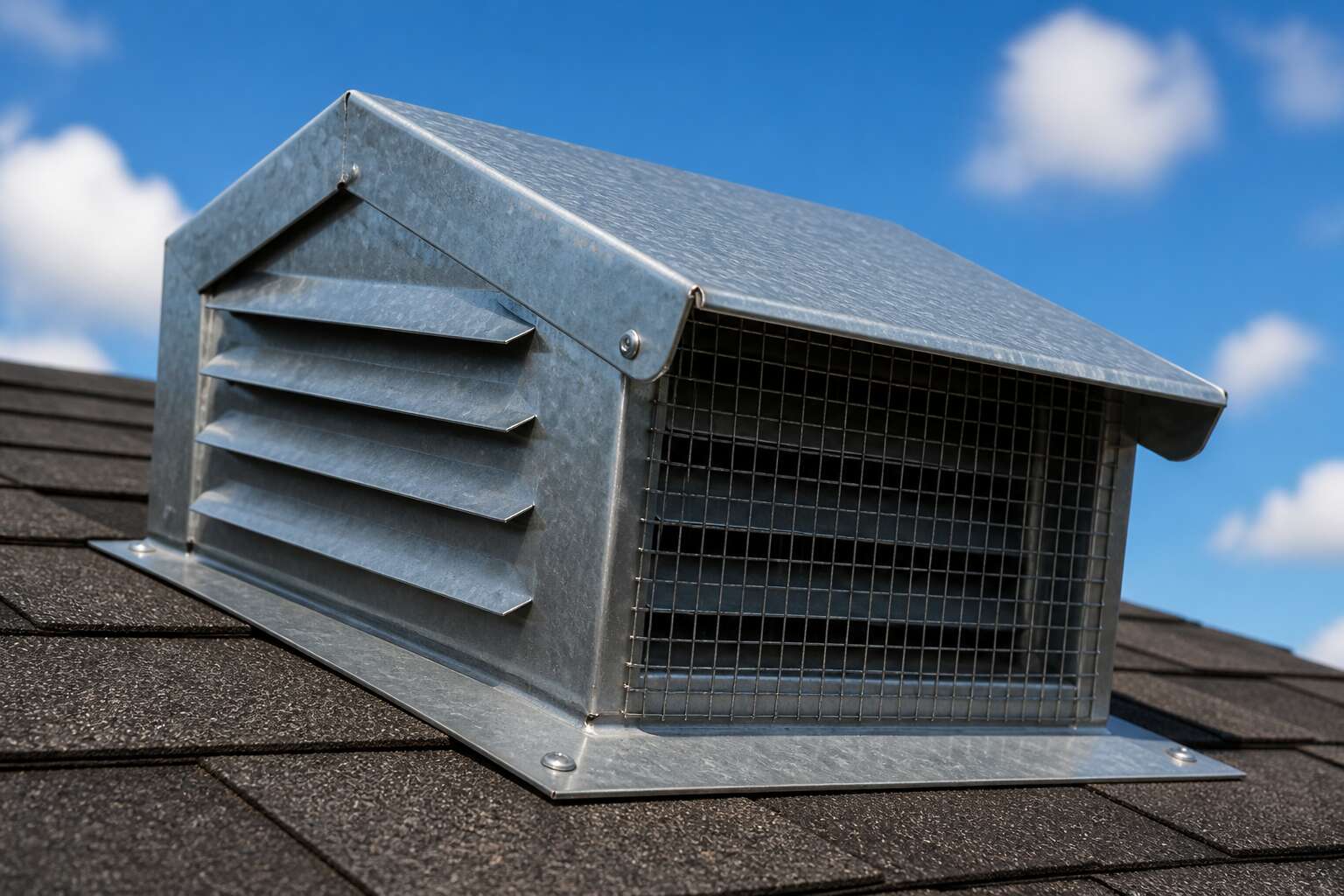
Ventilation Cap Fundamentals
In South African homes, attics can reach 60 degrees Celsius on a summer afternoon. That heat needs an escape route! The roof vent hood cap provides one, acting as a weatherproof exit for rising hot air. This small component controls the airflow balance of your entire roof cavity.
Without a proper cap, rain and debris slip through the vent. The cap deflects moisture while allowing hot air to escape. It also stops birds and rodents from nesting. Every roof vent hood cap needs a secure base, a mesh screen, and a sloped cover.
- Clear leaves and webs regularly
- Inspect the mesh for rust
- Confirm the cover sits above the roofline
These fundamentals matter because a blocked cap creates backdraft. Moist air then gets trapped, leading to timber rot and mould. A well maintained cap keeps your home dry and your energy bills lower.
Choosing the Right Exhaust Vent Cover
Choosing an exhaust vent cover deserves more attention than a quick glance. The roof vent hood cap you select influences attic ventilation and long term roofing health. In South Africa, weather patterns vary widely.
A flimsy cover may rattle in Cape Town’s southeaster or tear under a Gauteng hailstorm. So, what should you inspect?
- Gauge of metal, heavier steel resists deformation
- Seam construction, welded or crimped edges matter
- Filter mesh size to block insects without restricting airflow
I always tell clients to match the cover to their existing pipe diameter. A mismatched vent cap defeats its purpose. Take time to measure twice. The difference between a leaky nuisance and a dependable fixture is that careful assessment.
Installation and Replacement Best Practices
I once counted over forty roof vent hood caps on a single suburban street and only one was doing its job. That is not a statistic, just a Sunday drive. Most failures come down to two mistakes before the cap is even mounted: wrong position and weak sealing.
Place the roof vent hood cap near the ridge, not halfway down the slope where airflow stalls. Secure it with flashing that matches the roofing profile, galvanised or aluminium, depending on what you have up there. Then spend real time on the sealant. A lazy bead of silicone is a leak waiting for a rainy Wednesday.
- Check the hood orientation against wind direction
- Use a spirit level to confirm the base sits flat
- Replace all fasteners instead of reusing corroded ones
The painful truth is that a roof vent hood cap only earns its keep when the rest of the system stays unclogged. Keep the mesh, wire and foam gaskets free of debris, or you will pay for a plumber later.
Maintenance and Performance Optimization
A neglected roof vent hood cap can turn your attic into a sauna. My own unit once housed a bird family, and the airflow went from breezy to nonexistent. Performance optimization starts with clearing debris, which means leaves, twigs, and the occasional feather collection.
Common failure signs are easy to spot:
- Reduced airflow from the extraction fan.
- Water stains developing on ceiling boards.
- Rattling noises when the wind picks up.
Each symptom points to a specific problem, from blocked mesh to loose fasteners. In South Africa’s climate, storms shift suddenly, so a secure roof vent hood cap prevents water ingress during those afternoon downpours. Thirty minutes of inspection now saves you a call to the roofer later.
Troubleshooting Common Exhaust Vent Issues
Most homeowners don’t think about their roof vent hood cap until the bathroom fog won’t clear. By then, the problem has been building for weeks. A failing exhaust vent whispers through paint bubbles, condensation trails, and a faint stale smell after every shower.
Start troubleshooting at the cap itself. The damper flap often sticks shut after a season of dust and soot. If it won’t open, no fan power will push air through. Watch for nesting material too. Birds and geckos love a warm, sheltered outlet.
Common culprits I find on South African roofs:
– A corroded flashing seal that lets rainwater pool around the duct
– A vent hood cap sized smaller than the duct opening, restricting flow
– Leaves and spider webs clogging the mesh screen
Sometimes the cap is simply loose and rattling. That vibration stops the fan from building pressure. Most vent failures trace back to that single roof vent hood cap, not the fan or ductwork.
Cost Considerations and Lifespan
The cost of a roof vent hood cap is rarely the price on the receipt. The real expense hides in the details: the sealant quality, the flashing type, the gauge of metal. A cheap cap saves you R200 today and costs you a leaking ceiling tomorrow.
I have seen homeowners agonise over a R500 difference while their rafters rot. A galvanised cap might stretch fifteen years. A stainless steel unit can outlive the roof itself. Coastal salt air corrodes cheap metal quickly, and once the protective coating fails, the cap is done.
Here is the honest breakdown:
- Galvanised steel: 10 to 15 years, moderate cost.
- Powder coated aluminium: 15 to 20 years, higher upfront price.
- Stainless steel: 25 years plus, the premium choice.
Pay for longevity or face the cost of replacement. The roof vent hood cap is a small component with an outsized consequence.

0 Comments