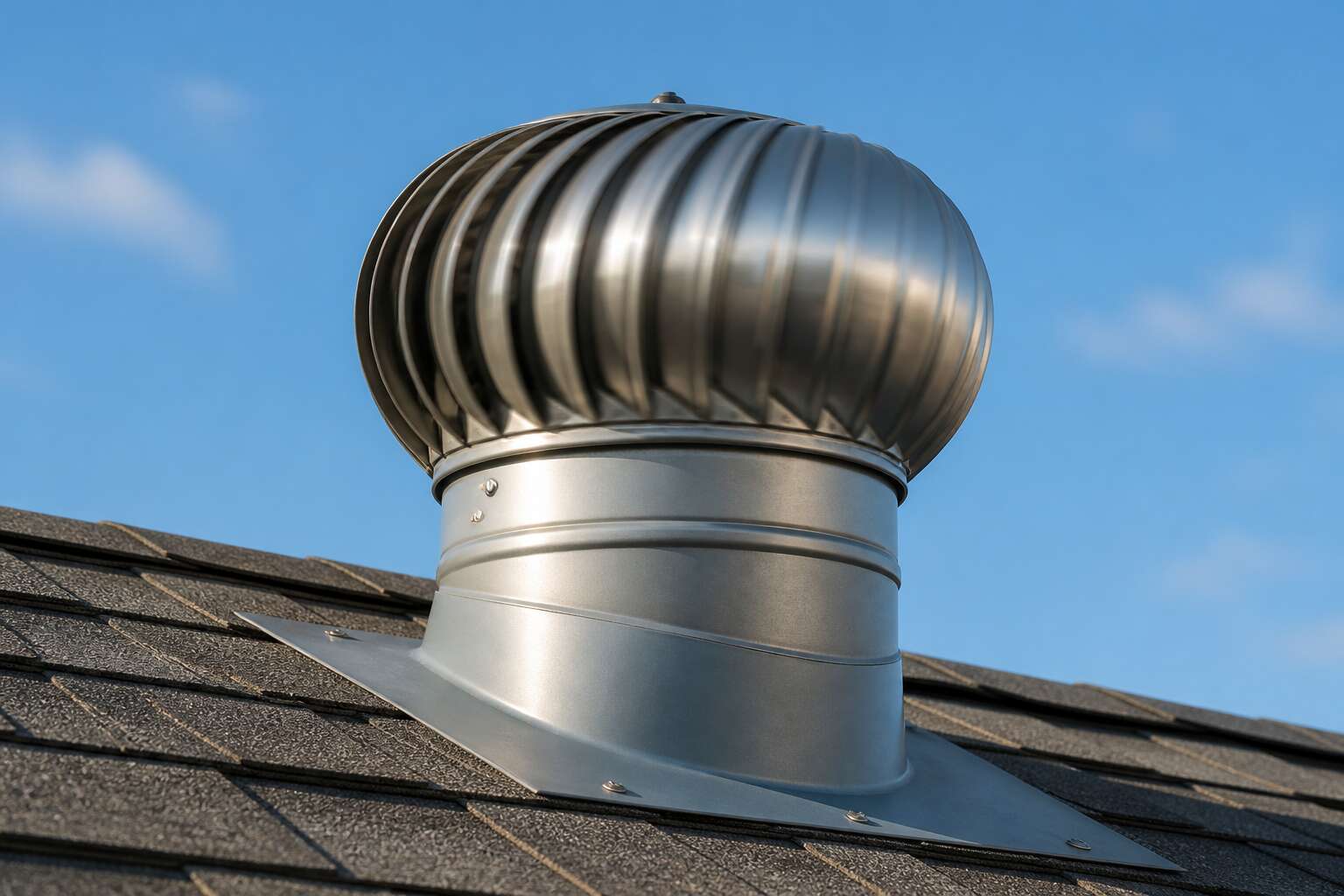
Why Proper Roof Ventilation Matters
The Role of Attic Ventilation in Home Health
A home’s attic can become a furnace during a South African summer, with temperatures climbing past 60 degrees Celsius. Without proper roof ventilation, that trapped heat radiates into your living spaces, forcing air conditioners to work harder and driving up electricity bills!
Attic ventilation also protects the structural integrity of your home. When warm, moist air from cooking, bathing, and laundry rises into an unventilated attic, condensation forms on rafters and insulation. Over time, this moisture breeds mould and wood rot, which compromises your family’s respiratory health and your home’s stability.
Balanced intake and exhaust vents keep air moving, preventing these problems before they start. If you suspect your current system is inadequate, searching for a roof ventilator near me connects you with specialists who assess your attic’s specific needs.
Common Signs Your Roof Ventilation Is Failing
Every summer, South African homeowners watch their electricity meters spin faster as the afternoon sun beats down on the roof. The space beneath the tiles traps superheated air, and without a way out, that heat seeps into every room below. Proper roof ventilation gives the hot air an escape route, which means your cooling system does not have to fight the ceiling above your head. The result is a home that stays comfortable without demanding constant attention from the thermostat, which is why many homeowners begin their search for a roof ventilator near me once the heat arrives.
Ventilation also extends the life of your roofing materials. When trapped heat accumulates, the structure expands and contracts more than it should, and over time, that stress leads to cracks, warping, and premature deterioration. A steady flow of air keeps the temperature in the roof space closer to the outside environment, reducing the strain on every component. Homes with balanced airflow consistently show fewer signs of wear, and a roof ventilator near me that is correctly specified for the attic size and roof pitch will perform far better than a generic solution.
How do you know if your ventilation has already failed? The warning signs often appear gradually, and many homeowners mistake them for other problems. An upstairs bedroom that refuses to cool down, a spike in the electricity bill, or an attic that stays hot on a mild day are all signals that the air is not moving. A specialist who evaluates roof ventilator near me options can identify whether the issue is blocked intake vents, undersized exhaust vents, or an imbalance between the two.
- Rooms on the upper floor stay warm long after the sun goes down.
- Electricity bills climb during summer months without a corresponding change in usage.
- Paint on the exterior walls begins to blister or peel near the roofline.
- You notice a stale, musty smell when you open the attic access door.
Each of these symptoms points to a space where air is not moving the way it should. A hot upstairs room is a direct indication that heat is accumulating above your living space. Peeling paint near the roofline suggests that moisture is trapped in the roof cavity, which will eventually compromise the wood and insulation. Over time, the cost of repairing structural damage far exceeds the cost of addressing the ventilation itself. A professional assessment measures the actual airflow in the attic, taking into account the pitch of the roof, the type of tiles, and the prevailing wind patterns, and this is where the search for a roof ventilator near me becomes a practical step rather than a vague concern.
Energy Efficiency and Utility Savings
The afternoon sun in South Africa is relentless, and the cavity beneath your roof absorbs every degree of it. When that heat has no escape, your air conditioner cycles more often, drawing current and inflating the municipal bill. A properly specified roof ventilator near me changes that dynamic.
It pulls superheated air out before it radiates downward. Your cooling system runs fewer hours, the compressor wears less, and the monthly statement reflects the difference. Local insulation installers report that balanced roof airflow can cut cooling loads by nearly a third. That is not a marginal gain.
Warm air rises, and a ventilator positioned at the ridge creates negative pressure that draws cooler air through the eaves. The cavity temperature drops, and so does the strain on your HVAC equipment. Search for a roof ventilator near me once, and the savings repeat every summer.
Moisture Control and Mold Prevention
A South African roof cavity holds more than a litre of water vapour on a warm, humid day. When temperatures drop at night, that vapour condenses onto nails, trusses, and the underside of your ceiling boards. The resulting dampness drives mold growth, timber decay, and that musty smell in bedrooms.
Mold does not need standing water. It thrives on the microscopic film of condensation that forms when warm, moisture-laden air meets a cold surface. A roof ventilator near me removes that humid air continuously, so condensation never forms. This is why a roof ventilator near me is essential for coastal homes and Highveld summers, where humidity spikes are sudden.
- Keeps structural timber dry and free of fungal rot
- Preserves the thermal performance of ceiling insulation
- Prevents allergens from circulating into living spaces
Without airflow, the moisture has nowhere to go. It soaks into insulation, rusts metal fixings, and creates conditions that are expensive to repair later.
Types of Roof Ventilation Systems
Static vs. Powered Vents
A static vent and a powered vent both move air, but they operate under entirely different conditions. Static systems, such as ridge outlets and spinning turbines, rely on wind pressure and rising heat. Powered units use electric or solar fans to expel hot air on demand, which matters when the breeze dies down.
Your local climate in South Africa dictates the better fit. Coastal regions near Cape Town get strong winds, so static turbines perform well. Highveld summers with low wind and intense heat often call for a powered option. When you search for a roof ventilator near me, you should compare both mechanisms before spending on installation.
Common static components:
- Ridge vents: slim, unobtrusive, free to operate
- Wind turbines: move air when the wind blows
- Soffit vents: support intake rather than exhaust
Powered systems add a thermostat or humidistat that switches them on only when needed. That control can save energy compared to a constantly spinning turbine. Solar powered models avoid wiring costs entirely, and the decision ultimately comes down to your local wind patterns.
Ridge Vents and Soffit Vents
Ridge vents run along the peak of the roof, hidden from street level. They use the natural stack effect, pulling warm air upward through a continuous opening. Soffit vents sit beneath the eaves, drawing in cooler outside air. Together, they create a passive flow that works without electricity!
In South African homes, the right pairing depends on the roofline. Tiled roofs often require a careful layout, while metal roofs accept ridge vents easily. Soffit vents need unobstructed intake space to function.
When you search for a roof ventilator near me, consider how these two elements work as a team. One without the other leaves the system incomplete.
Turbine and Solar Options
Look up on a windy Highveld afternoon and you might spot the spinning metal vanes of turbine ventilators. I have watched these wind driven units use the prevailing breeze to create a suction effect, drawing hot air from the roof cavity even after sunset. They need no wiring and keep working through load shedding, a benefit for South African homes.
Solar powered systems follow a different rhythm. Photovoltaic panels drive a low wattage fan that exhausts heat during the hottest daylight hours, when attic temperatures peak. Hybrid models switch to mains or battery during cloud cover.
When you search for a roof ventilator near me, the local wind climate and roof orientation shapes your choice. A roof ventilator near me using turbine power suits a property with steady seasonal breezes, while solar units suit a sunny, sheltered site with minimal wind.
- Turbines stop spinning on still days
- Solar fans lose output during long overcast stretches
- Hybrid units cost more upfront but offer year round reliability
Choosing the Right Vent for Your Climate
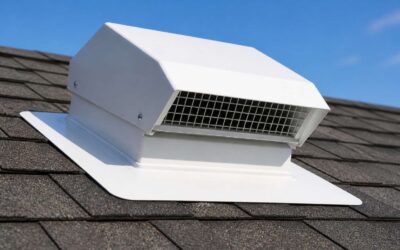
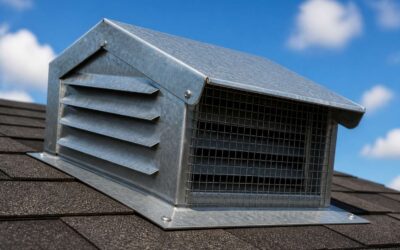
Your roof does not care about aesthetics. The Highveld’s gusty afternoons scream for turbines, while the Cape’s soggy winters demand a system that handles both heat and damp. That is where the humble gable vent or a simple box vent enters. No moving parts, no electricity, zero drama.
Your local climate dictates the ratio. I have seen too many homes with a single turbine that sulks all summer. For a roof ventilator near me, aim for balance. Mix a ridge vent with a gable vent, or pair a solar fan with static louvres.
- Turbines: for windy Highveld.
- Solar fans: for sunny, sheltered spots.
- Gable vents: cheap, silent, reliable.
Type “roof ventilator near me” into your phone and you will find installers flogging their favourite product. Ask them to solve your roof orientation instead. Weigh your options with a local eye.
Ventilation Codes and Best Practices
Roof ventilation systems fall into two broad families: intake and exhaust. Intake vents, like soffit and fascia baffles, pull cool air into the attic. Exhaust vents, such as box vents or eyebrow vents, push hot, humid air out. The trick is pairing them correctly. A roof ventilator near me that exhausts without a matching intake path will stall.
South African building practice leans on SANS 10400. The 1:300 rule still holds: one square metre of net free area for every 300 square metres of ceiling area. Balance matters more than volume.
- Keep insulation 100 mm clear of soffit intake vents.
- Position exhaust vents high, near the ridge, to maximise stack effect.
- Never mix powered and passive systems on the same roof plane.
When you search for a roof ventilator near me, ask the installer for their ventilation ratio calculation. A house in Durban’s humidity demands a different balance than one in Kimberley’s dry heat.
How to Identify a Reliable Local Roofing Contractor
Licensing, Insurance, and Certifications
Verifying a contractor’s license, insurance, and certifications is the only way to trust their work on a roof ventilator near me. I insist on seeing these documents before any project begins! A valid license proves they understand local building codes. Comprehensive insurance covers accidents that could damage your home. Manufacturer certifications show they have training for specific ventilation systems.
In South Africa, check if their license matches the municipal register. Ask for proof of public liability and workman’s compensation. Confirm they hold installer status from the vent brand. I once met a contractor who produced these papers from a worn leather folder. That gesture impressed me more than any pitch. His crew then installed a static vent system without a single hiccup.
Reading Reviews and Asking for References
One review is a whisper. Fifty reviews form a chorus. When searching for a roof ventilator near me, I read every response, especially the negative ones. A contractor who answers criticism with honesty reveals more character than a hundred perfect ratings ever could.
References matter just as much. I ask for three recent clients and call each one. I want to know if the crew cleaned up, if the vent placement made sense, and if the work survived a full rainy season.
- Repeated praise about communication
- Complaints that mention the same issue twice
- Reviews from verified local homeowners
I once drove past a reference’s house to see the finished ventilator myself. The homeowner waved me over and showed me the attic. That conversation told me more than any online profile.
Getting Accurate Quotes and Estimates
A reliable roofer answers questions about a roof ventilator near me with specifics, not vague assurances. When I request quotes, I ask each contractor to itemize every component. One local expert in Pretoria sent a breakdown including flashing, bird screen, and sealant. Another gave a single lump sum. Guess which one earned my trust!
A proper estimate should include:
- The exact vent model and airflow rating
- Removal and disposal of old roofing
- Permit fees and inspection costs
- A payment schedule tied to milestones
That clarity protects both sides. I also compare quotes for the same job beyond the final number. A cheap price often hides thinner gauge metal or skipped underlayment. Ask how they handle unexpected rot or damaged decking. Contractors who write contingencies into the estimate show they have seen real attics.
Warranty and After-Service Support
A warranty for your roof ventilator near me is only as good as the person who answers the phone when it fails. I once chased a contractor for three weeks over a faulty motor. He finally responded with a link to a YouTube repair video. That is not after service, that is abandonment.
Reliable contractors treat support as part of the job. They answer calls, they schedule visits, and they put everything in writing. Before you sign, ask how they handle warranty claims. A solid warranty covers parts and labour, not just the vent itself. Check if it transfers if you sell your home. That single detail separates confident roofers from fly by night operators.
- Response time for service calls
- Clear list of covered components
- Exclusions for storm damage or neglect
One Pretoria roofer handed me a warranty card with his cellphone number on it. That was five years ago. He still picks up.
The Installation Process Explained
Initial Inspection and Attic Assessment
Before any blade turns or vent is seated, the real effort begins in the attic’s dim recesses. The true work for a roof ventilator near me starts with a meticulous inspection, measuring airflow, checking insulation depths, and hunting for moisture stains that betray past failures.
This attic assessment follows a deliberate sequence
- Map the existing ventilation points and their condition.
- Calculate the net free area required for your specific roofline.
- Probe for blockages in soffit channels or ridge gaps.
Each step exposes a clue, whether a nest or a collapsed baffle, that would otherwise doom the new system. Only after this forensic review does any installation begin.
Calculating Ventilation Requirements
Calculating ventilation requirements demands precision, not guesswork. The formula rests on a simple ratio: one square foot of net free area for every 150 square feet of attic floor space. I measure the roofline’s footprint, then divide by the vent’s effective area rating. This number, expressed in square inches, determines how many units you need. A roof ventilator near me installed without this math will underperform or create excess airflow.
The installation itself follows a clear sequence:
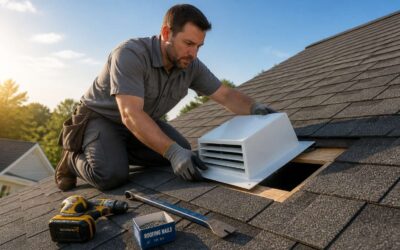
- Mark the cutout position between rafters.
- Remove shingles and decking carefully.
- Seat the vent base with flashing and sealant.
- Wire powered units to a dedicated circuit.
Each step requires precise alignment. A skewed flange invites leaks. In South Africa’s highveld, where summer thunderstorms arrive abruptly, proper flashing matters more than blade size. This is why a roof ventilator near me demands both calculation and careful craft.
Step-by-Step Installation Overview
Installation transforms ventilation calculations into working hardware. A roof ventilator near me requires the same care whether it sits on a Johannesburg suburb or a Cape Town seaside home.
The sequence follows a logical order:
1. Snap chalk lines across the roof deck to mark the opening.
2. Drill a pilot hole and cut along the perimeter with a jigsaw.
3. Slide the flashing skirt beneath the surrounding shingles.
4. Drive galvanized screws into the rafters, not just the decking.
5. Apply sealant around the flange edge for powered units.
What happens afterward matters just as much. I always walk the roofline and inspect the flashing from below. Check for gaps where water could travel. A unit that looks fine from the street may still leak inside the attic. The best installations are invisible from the living room but flawless in the roof cavity.
Potential Challenges and How Experts Handle Them
Every roof presents its own cutting challenge. A roof ventilator near me might sit over twisted rafters, hidden cables, or metal sheeting installed in place of timber. Contractors measure twice and still leave a margin for error. They use a pilot bit before the jigsaw bites, and they support the flashing with a backer plate when the decking is thin.
Weather shifts without warning. Rain can arrive minutes after the opening is exposed, so experts stage tarpaulins and fasten temporary caps. They verify the vent’s base sits flush against the ridge line, because a single millimetre of lift invites leaks. Wiring for powered units adds another layer. Professionals run separate circuits and ground everything properly. They test airflow before sealing the roof cavity completely.
Post-Installation Maintenance Tips
Once the cutting and wiring are done, the fitting requires precision. The base is bedded onto a high quality sealant, then screwed through the flashing into the rafters. A roof ventilator near me must sit level, so installers use a spirit gauge. They also verify the blade clearance for powered units.
After installation, maintenance keeps the system honest. Inspect the vent twice a year, especially after storms. Clear debris from the mesh and louvers. Here are the routines that matter:
- Check for corrosion or cracked seals.
- Lubricate moving parts on turbine models.
- Listen for unusual noise from the motor.
Address small issues before they spread. I have seen a roof ventilator near me last decades with basic care. Give it that attention!
Cost Factors and Return on Investment
The installation process for a roof ventilator near me demands more than a drill and a ladder. Each vent must align with the rafters, and powered units require a dedicated circuit. The actual labour takes a few hours, but the cost factors extend beyond the callout fee. Materials vary widely, and you pay for pitch complexity and access difficulty.
- Vent type, static or powered, alters the price.
- Quality sealants and flashing add to material costs.
- Electrical wiring for motorised models requires a qualified electrician.
That upfront investment pays off through reduced cooling loads. A roof ventilator near me improves attic airflow, cutting indoor temperatures by several degrees. In South Africa’s climate, this shortens air conditioner runtimes, and the savings typically cover the installation within four years. Warranties on quality units extend past a decade, so the return on investment grows with every summer.
Questions to Ask Before Hiring
What Experience Do You Have With Ventilation?
One poorly installed vent can undermine an entire roofing system. When you search for a roof ventilator near me, the contractor’s experience with ventilation specifically matters more than their general roofing years. Ask pointed questions about their project history.
How many ventilation retrofits have they completed? Which vent types do they handle daily? Do they understand the airflow dynamics for your region’s humidity? A vague answer signals trouble.
- Request a log of recent ventilation jobs
- Ask about manufacturer-specific training
- Inquire how they handle unexpected attic conditions
Their response to these questions reveals whether they can deliver a functional system. The right experience ensures your ventilation system works efficiently from day one.
Can You Provide a Detailed Written Estimate?
Before any work begins, ask every contractor for a detailed written estimate. A verbal quote for a roof ventilator near me leaves too much room for misunderstanding. The document should break down material costs, labour, ventilation calculations, and disposal fees separately.
A detailed estimate also reveals how thoroughly the contractor has assessed your attic. Look for line items that reference specific vent types, required intake areas, and the expected timeline. If the estimate only lists a single lump sum, that is a warning sign.
- Itemise the cost per vent
- Include the removal of old equipment
- State the warranty terms in writing
Ask whether the estimate remains valid for a set period. Prices for materials shift quickly, and a reputable contractor will anchor their numbers to a clear date.
How Do You Handle Unexpected Issues?
Even a meticulously planned installation can meet surprises. A rotten rafter, a hidden bird’s nest, or a sudden Highveld thunderstorm can change the day’s trajectory. The contractor’s response to these moments reveals more than any portfolio. Ask directly about their contingency protocol and whether they pause to seek approval before altering the scope.
Some crews will quietly patch a problem and bury the cost in the final invoice. Others will stop mid job, phone you, and wait for a decision. Neither approach is inherently wrong, but you deserve to know which one you are hiring. For a roof ventilator near me, the most reliable firms document each unexpected issue, propose a clear solution, and confirm the price before proceeding. That habit protects your budget and your trust, and it separates a professional operation from a series of expedient fixes.
Do You Offer Maintenance Plans?
A maintenance plan separates a contractor who builds from one who disappears. Ask a roof ventilator near me provider what happens six months after installation. Do they return to check the flashing, retighten the brackets, or clear the mesh after a windy Highveld season? Some crews offer an annual service schedule. Others will only return when the phone rings with a complaint.
A solid maintenance plan typically covers:
- Seasonal inspection of the vent cap and base seal
- Clearing of leaves, pollen, or bird debris from the housing
- Lubrication and belt checks on any motorised components
The honest answer tells you how they treat long term relationships. A roof ventilator near me that comes with a documented maintenance agreement gives you confidence that the next storm will not leave you climbing a ladder with a torch. That peace of mind is worth the extra question.

0 Comments