Understanding roof vent plugs
What are roof vent plugs?
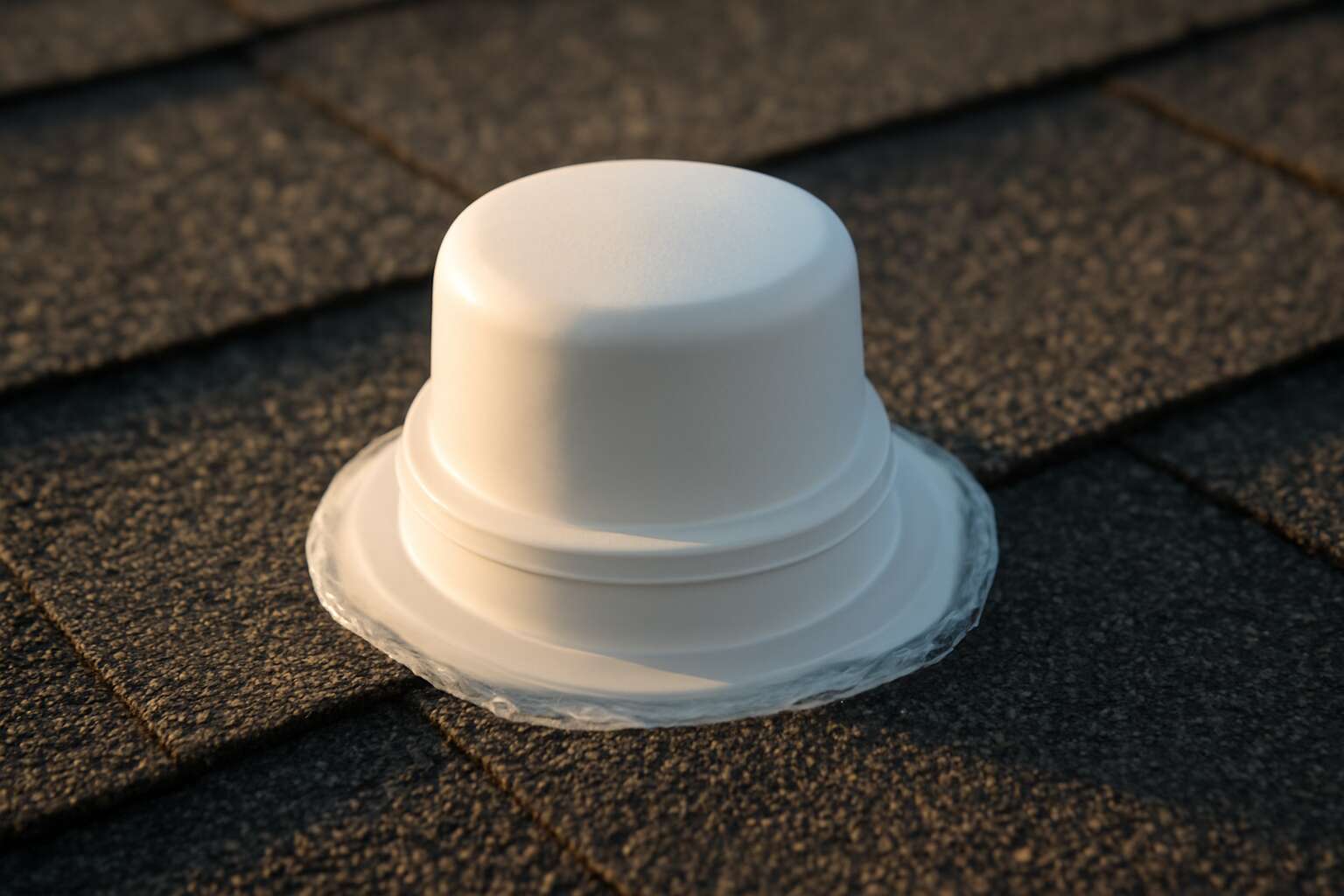
On a sun-smacked South African afternoon, a modest roof vent plug stands as an inconspicuous guardian of the home. What are roof vent plugs? They are small caps or stoppers that seal unused or exposed vent openings, letting the house breathe while keeping rain, wind-borne debris, and curious critters at bay. A tiny act of engineering, yet a quiet miracle in the roofscape.
Understanding their role is to crown an opening with a weather-ready seal. They endure UV, heat, and sudden gusts, standing firm through the seasons—a soft-spoken shield for your attic and its memories!
Consider a few practical facets of roof vent plugs:
- Material options: silicone, durable rubber, or plastic
- Vent shape compatibility: round, square, or oval openings
- Seal integrity and moisture control: UV resistance matters
In this quiet partnership between weather and architecture, roof vent plugs perform their duty with a quiet, almost magical efficiency.
Common uses of vent plugs
On a sun-baked South African afternoon, a simple roof vent plug proves its quiet worth. Understanding roof vent plugs starts with their core job: sealing unused or exposed vents while letting the home breathe. It’s a small cap, but a steady shield.
Common uses unfold in everyday life. They are handy during renovations, deterring pests in rarely used spaces, and protecting open vent openings from debris during storms.
- Sealing dormant attic vents during renovations
- Blocking off vents in seldom-used rooms to deter pests
- Temporary protection during roof cleaning or storms
Options span silicone, durable rubber, or plastic, each shaping to round, square, or oval openings. In South Africa, UV resistance and moisture control are essential, ensuring the seal holds through heat, rain, and pitched winds. These roof vent plugs blend utility with a discreet, weather-ready fit.
Materials and construction
A sun-burnished roof in a rural South African afternoon reveals the quiet workhorse above our heads: roof vent plugs. These little caps are built to seal unused vents while letting the home breathe, and their construction matters as much as their shape. In regions where heat, rain and pitched winds test every seal, choosing the right material is a quiet act of resilience.
Material choices balance flexibility, durability and age-resistant properties. Consider these common options:
- Silicone for heat tolerance and a soft seal
- Durable rubber for wind and moisture resistance
In construction terms, the plug features a rounded, square or oval profile with a sealing lip that grips the opening and keeps moisture out while allowing airflow. UV inhibitors help it endure the South African sun, keeping its shape year after year. Ultimately, roof vent plugs embody quiet resilience for local homes.
Key benefits and limitations
Sealed, quiet, and unsung, roof vent plugs do the heavy lifting on a South African roof. “Seal today, sleep easier tomorrow,” a veteran roofer says, and it’s true—these tiny caps keep heat where it belongs and damp out trouble.
Understanding the upsides helps you gauge value. Benefits include moisture control, a lighter cooling load, and a basic pest shield—no drama, just a calmer attic and steadier indoor climate.
- Moisture control
- Lower cooling load
- Pest exclusion
- Low maintenance
Limitations creep in when sizing, UV exposure, or wind mis-match undermines seals. Some plugs can restrict airflow if not fitted properly, and aging materials may crack under harsh sun.
- Vent size compatibility
- Seal durability under sun
- Maintenance needs
On South African roofs, the right roof vent plugs are a small act of prudence that keeps living spaces comfortable without drama.
How vent plugs differ from other roof vents
Attic heat climbs fast on a South African roof, and a tiny cap can cut that rise. “Small cap, big difference,” a veteran roofer says, and the effect is real when you step into a cooler room.
Understanding roof vent plugs means seeing what sets them apart. They are not active exhaust devices. They are passive, purpose-built pieces that sit over an opening to seal it while maintaining controlled breathability. In short, roof vent plugs calm the attic without the drama of traditional vents.
- They seal, not push air in and out
- Fit matters for airflow and moisture control
- Minimal maintenance compared with moving parts
On South African roofs, the right roof vent plugs translate prudence into comfort, quietly guarding heat, moisture, and pests.
Types of roof vent plugs
Plastic vent plugs: features and drawbacks
Heat, wind, and ageing roofs don’t mix with loose seals. Plastic vent plugs are a common choice for many South African roofs—one option among roof vent plugs. They’re lightweight, affordable, and install quickly, making them a practical fit for standard vent openings. They resist basic corrosion and stay flexible in moderate temperatures, helping a straightforward seal stay intact.
Here are the essentials to weigh:
- Lightweight and affordable
- UV stability varies; some plastics crack in strong sun
- Size compatibility affects seal reliability
- Not ideal for extreme conditions
Durability depends on the plastic grade and climate. In South Africa’s sun, UV resistance and finish often define performance more than price.
Foam vent plugs and expanding foam options
Foam vent plugs bring a different rhythm to sealing—an expanding dialogue between opening and edge. For roof vent plugs, foam variants offer a forgiving seal that can adapt to irregular shapes and minor movement in the roof structure. I’ve watched them fill gaps where rigid plugs fall short, turning a jagged opening into a quiet, secure seam.
In practice, foam options exist in several forms, but they share one trait: the ability to fill awkward volumes and irregular margins with minimal fuss.
- Expansion control prevents overfill and undue pressure on seals
- UV exposure and moisture demand protective coatings or trims
- Best suited for irregular openings and aging substrates
Yet, these materials demand careful application and periodic inspection. When finished well, foam can deliver a flexible, weather-tight solution that keeps roof vent plugs performing across seasons.
Rubber and silicone vent plugs
Roofs don’t negotiate; they endure. In SA, a stubborn wind can turn a minor opening into a major drama—until the rubber and silicone vent options step in. Roof vent plugs, when well chosen, seal quietly and adapt to movement without fuss.
Rubber and silicone vent plugs offer flexible, weather-ready choices for irregular openings. They are well suited to these variants, adapting to small shifts in the deck, resisting UV and moisture, and remaining easy to remove for inspection.
- Excellent elasticity for irregular openings
- High UV and moisture resistance
- Removable for periodic checks
With a touch of SA pragmatism, these materials bring a balance of reliability and discretion. They pair with older substrates and modern membranes, ensuring the seal holds through seasons. They stand up when other seals falter, a quiet testament that roof vent plugs can endure the seasons.
Weatherproof and UV resistant options
SA winds know how to turn a tiny draft into a headline. Weatherproof and UV resistant options for roof vent plugs offer a calm counterpunch: they seal snugly, flex with deck movement, and shrug off sun and rain.
Look for these durable choices:
- EPDM rubber variants that shrug off temperature swings
- Fluorinated silicone or UV-stable blends that resist coastal sun
- Neoprene-based plugs designed for high-wind SA conditions
These options pair well with older substrates and modern membranes, quietly reliable through all seasons.
Vent plug sizes and compatibility
Energy experts say small roof penetrations can account for up to 15% of a building’s cooling load, a sobering reminder that tiny vents carry big consequences. “Small gaps, big consequences,” a veteran roofer likes to say. Types of roof vent plugs come in configurations to fit diverse roofs and membranes, offering quiet reliability in South Africa’s climate.
Vent plug sizes and compatibility vary to fit different vent collars and deck substrates, all under the umbrella of roof vent plugs.
- 2-inch variants for slim vents
- 3-inch standard for most domestic installations
- 4-inch and larger for larger penetrations or older substrates
These choices ensure a snug fit without stressing the surrounding roofing.
Beyond size, compatibility with vent collar and deck substrate influences performance. In South Africa’s mixed climates, roof vent plugs must seal without compromising the membrane and remain flexible through seasonal shifts. The right balance of form and function keeps roofs quiet and weather-ready.
Installation and sealing best practices
Preparing the roof and identifying vent pipe location
Storms arrive with a whisper, but the consequences of a loose vent can roar through the eaves. “Water finds the path of least resistance”—and that path often begins at a mislocated vent pipe. When installing roof vent plugs, precision is the first line of defence against leaks and damp.
Preparing the roof in South Africa’s climate—where sudden downpours are not uncommon and solar exposure is fierce—requires a clean, dry canvas and careful marking. A map or trace of existing footprints helps locate the axis of each vent, guiding the mind toward a coherent layout without shouting at the moisture-laden air.
Sealing best practices require patience: allow cure time, avoid direct sun on sensitive plastics, and ensure flashing integrates smoothly with the pitch. With meticulous preparation, roof vent plugs perform as designed, protecting both structure and comfort.
Proper drilling and fitment guidelines
Installation demands a quiet, intentional hand. In South Africa’s climate, sudden squalls can turn a small misalignment into a flood. The right roof vent plugs sit flush, seal cleanly, and respect the roof’s curvature. Precision and thoughtful fit guide every decision, turning potential failure into quiet confidence.
- Preserve surface integrity by seating the plug on a clean, dry plane.
- Ensure flashing and the roof’s pitch create a smooth transition without gaps.
- Choose compatible sealants and allow cure time away from direct sun to avoid softening.
Patience in sealing pays off.
Sealants, tapes, and flashing compatibility
In SA homes, up to 40% of roof leaks begin at poorly sealed vents. The stubborn truth is that proper installation demands a quiet, deliberate hand. The right roof vent plugs sit flush, seal cleanly, and respect the roof’s curvature.
Sealants and tapes must suit the roof substrate—silicone for metal, polyurethane where movement is expected—and flashing must mouth the vent plug’s profile. Apply primer if required and let cures complete in shade to prevent softening.
Key considerations in this phase include:
- Sealant compatibility with substrate
- Flashing profile alignment
- UV resistance and appropriate cure conditions
Patience in sealing pays off, turning potential leaks into quiet confidence.
Curing times and inspection tips
In SA homes, installation of roof vent plugs demands a quiet, deliberate hand and an eye trained to nuance. Aim for a flush seat that follows the roof’s natural curvature, never a forced fit. When the flashing is coaxed to kiss the plug’s profile, you’ll avoid micro-leaks and wind-driven seepage. A patient approach turns a simple seal into lasting confidence.
Curing times vary with the sealant but the rule remains: patience pays. Allow the product to cure in shade where possible and keep traffic off the area until it hardens. On inspection day, run a gentle touch along joints, check for edge lift, and verify there are no gaps that could betray moisture or UV rays.
Common installation mistakes to avoid
Installation of roof vent plugs demands a quiet, deliberate hand and a clean, dry surface. Do a dry fit first—let the plug sit flush with the roof’s natural curvature rather than forcing it into an awkward angle. When the flashing kisses the plug’s profile, the seal forms a quiet, durable bond. In South Africa’s changeable weather, patience at this stage pays off as wind and sun press less on the joint.
- Over-tightening or forcing a misaligned plug
- Skips surface prep and debris removal
- Using sealants or flashing that aren’t compatible
End with a gentle check: confirm flush seating, no visible gaps, and a clean, dry surface before any traffic returns.
Maintenance and durability of vent plugs
Signs of wear, damage, and failure
That tiny seal can decide a roof’s fate! Roof vent plugs stand as silent sentinels—a line of defense against rain, drafts, and heat loss. Their durability hinges on fit and the test of time; when they stay snug and pliable, moisture stays out and the attic stays comfortable.
Signs of wear, damage, and failure rarely announce themselves with fanfare.
- Cracking, hardening, or a brittle edge
- Looseness or wiggle under wind gusts
- Fading colour, chalking, or surface degradation
- Moisture intrusion around the pipe collar or interior condensation
These cues highlight the critical role of roof vent plugs in a dry, well-sealed roof.
Across SA roofs, the balance between ruggedness and adaptation matters. In the end, durability is about resilience against sun, rain, and time—an everyday miracle performed by roof vent plugs.
When to replace vent plugs
Tiny guardians, roof vent plugs, bear SA’s sun and wind with a stubborn quiet. In this climate, their grip matters more than gloss—the longer they stay snug, the drier and more comfortable the attic feels. A compromised plug can tilt comfort and energy efficiency off balance.
Consider these influences on roof vent plugs longevity:
- UV exposure and material fatigue from relentless summers
- Temperature cycles that test pliability and fit
- Salt spray in coastal regions or dust inland
- Debris or pests disturbing the pipe collar
When roof vent plugs no longer fit snugly or show UV chalking around the collar, replacement becomes a prudent choice to preserve a dry, well-sealed roof. The aging curve varies with climate and roof design, but resilience remains the silent goal of SA homes.
Impact of weather and solar exposure
Wind is a conspirator and the sun a patient judge. “A seal is a roof’s quiet promise,” says a seasoned tradesman, and that promise is inscribed into the life of roof vent plugs. In South Africa’s climate, the right plugs endure blazing summers and salty air, keeping attics dry and comfortable longer!
Weather and solar exposure slowly rewrite a plug’s edges. The delicate balance between flexibility and rigidity is tested by days of heat, nights of chill, and relentless wind. When the surface dulls and the seal loses its bite, the attic no longer breathes as it should, and the quiet guardian reveals its true age.
Cleaning and preventing clogging
Maintenance and durability of roof vent plugs are the quiet sentinels of a dry attic. A well-kept plug resists wind, salt air, and sun, keeping humidity from creeping into the rafters. “A seal is a roof’s quiet promise,” a seasoned tradesman once told me, and that promise ages with care. In South Africa’s blistering summers, that care means regular, attentive observation rather than blind trust.
Consider these focus areas to keep roof vent plugs singing through the seasons:
- Debris and blockage assessment
- UV exposure and material wear
- Seal integrity and edge flexibility
- Vent alignment with pipe and flashing compatibility
With each inspection, the attic breathes easier; in SA’s climate, the right maintenance defies time, and roof vent plugs become a tale of endurance.
Troubleshooting leaks around vent plugs
In the quiet crawl of an attic, roof vent plugs stand as sentinels. South Africa’s sun and sea-salted breeze test them, yet a well-kept plug can ride out the seasons with stubborn grace. A seal is a roof’s quiet promise, and that promise ages with care.
Maintenance and durability reveal themselves in subtler ways than newness. A plug that endures keeps its edge flexible, resists chalking, and dries quickly after storms, so leaks around roof vent plugs stay at bay. Troubleshooting leaks around roof vent plugs begins with keen observation: damp spots, streaks along the pipe, and faint odors where heat and humidity collide.
- Moisture trails around the flange
- Salt bloom or mineral deposits near flashing
- Warped edge or softened seal on the cap
In SA’s climate, these signs are boons—proving the plug’s endurance and the attic’s health.
Buying guide and cost considerations
How to choose the right size and material
A trusted SA roofer once said, “The smallest plug can stop the biggest leak.” This resonates when evaluating roof vent plugs, where buying choices ripple through longevity and total cost. Consider fit, material resilience, and warranty—three anchors for a sensible purchase.
- Fit and compatibility with your vent pipe
- Material durability under South Africa sun and weather
- Warranty, supplier reliability, and local availability
From a cost perspective, these plugs sit along a spectrum—from economical plastics to premium silicone. Prices vary by size and supplier, often catalogued in Rand, so balance upfront spend with expected lifespan and maintenance. In practice, the right choice keeps leaks out and asset value in, even as seasons change.
Budget ranges and value for money
A small price tag can mask a big problem—nearly half of recurring roof leaks trace back to vent fittings and the plugs that seal them. When buying roof vent plugs, three anchors matter: fit with the vent pipe, material durability under South Africa sun and weather, and warranty terms. A careful balance of upfront spend and expected lifespan keeps water out and asset value in as the seasons turn.
- Economy plastics: lowest upfront cost for roof vent plugs, shorter lifespan but effective protection.
- Mid-range options: rubber or silicone blends with better UV resistance and longer service life.
- Premium silicone/EPDM: top longevity and solid warranties, ideal for harsh SA conditions.
Prices vary by size and supplier, catalogued in Rand, so upfront spend should be weighed against lifespan and maintenance. In practice, the right choice reduces calls to the roofer and preserves roof integrity, especially when local availability and a reliable warranty are in place. Choosing the right roof vent plugs now saves costly repairs later.
Warranty, certifications, and brand reliability
On a sun-scorched SA afternoon, a good warranty is the quiet guardian against creeping leaks—precisely what you get with the right roof vent plugs. They seal your roof like a whispered promise, resilient against wind, rain, and season after season.
When comparing options, the warranty terms matter as much as the price. Look for length, what’s covered, and whether coverage travels with the product across property transfers. A longer warranty can offset a higher upfront cost by reducing future maintenance.
- Warranty length and coverage specifics
- Certifications and standards (SABS, UV exposure, weatherproof testing)
- Brand reliability and local support network
- Return, replacement, and service policy
Brand reliability and service networks ensure fixes are swift, keeping the roof in graceful form through every SA season. The right roof vent plugs carry clear certifications and dependable after-sales support, turning a purchase into lasting peace of mind.
Where to buy and what to look for in reviews
“A roof is only as strong as its quietest seal,” a line I carry into every SA build. When you invest in roof vent plugs, you’re funding a silent guardian against scorching afternoons and sudden downpours. The right plug seals, shrugs off wind, and keeps interior warmth and moisture where they belong—outside. This is the kind of detail that echoes through the roofline and through your wallet, in a good way.
Where to buy and what to look for in reviews matters when budgeting for roof vent plugs. Here’s a practical buying map:
- Local hardware chains (Builders, Mica, CTM) with in-store advice
- Online marketplaces (Takealot, Loot) offering consumer reviews
- Direct from manufacturers or roof-specialty suppliers for warranties
In reviews, seek evidence of accurate sizing, straightforward installation, and durable weather resistance. Honest reviewers share photos, note compatibility with common vent pipes, and reveal long-term performance—details that save time and money on a SA roof.
Installation service considerations and DIY viability
A roof is the quiet battler against SA’s sun and sudden downpours, and roof vent plugs can be the unsung heroes you rarely notice—until the first rain arrives. “The best seal is the one you forget is there,” a South African architect once told me, and that wisdom guides every buying choice here.
Buying guide and cost considerations: roof vent plugs span budget-friendly plastics to durable silicone blends. In SA, price reflects UV resistance and stock availability, whether you pick single plugs or bulk packs. Budget for longevity, compare warranties, and value the brand’s after-sales support. Quick snapshot:
- Price ranges and value for money
- Warranty length and brand reliability
- Delivery lead times and support
Installation service considerations and DIY viability: Simple retrofits may be feasible for accessible vent pipes, while tiled roofs or complex flashing benefit from a professional. Local roof specialists can advise on flashing compatibility and sealants, and many offer installation warranties that travel with the product.


0 Comments