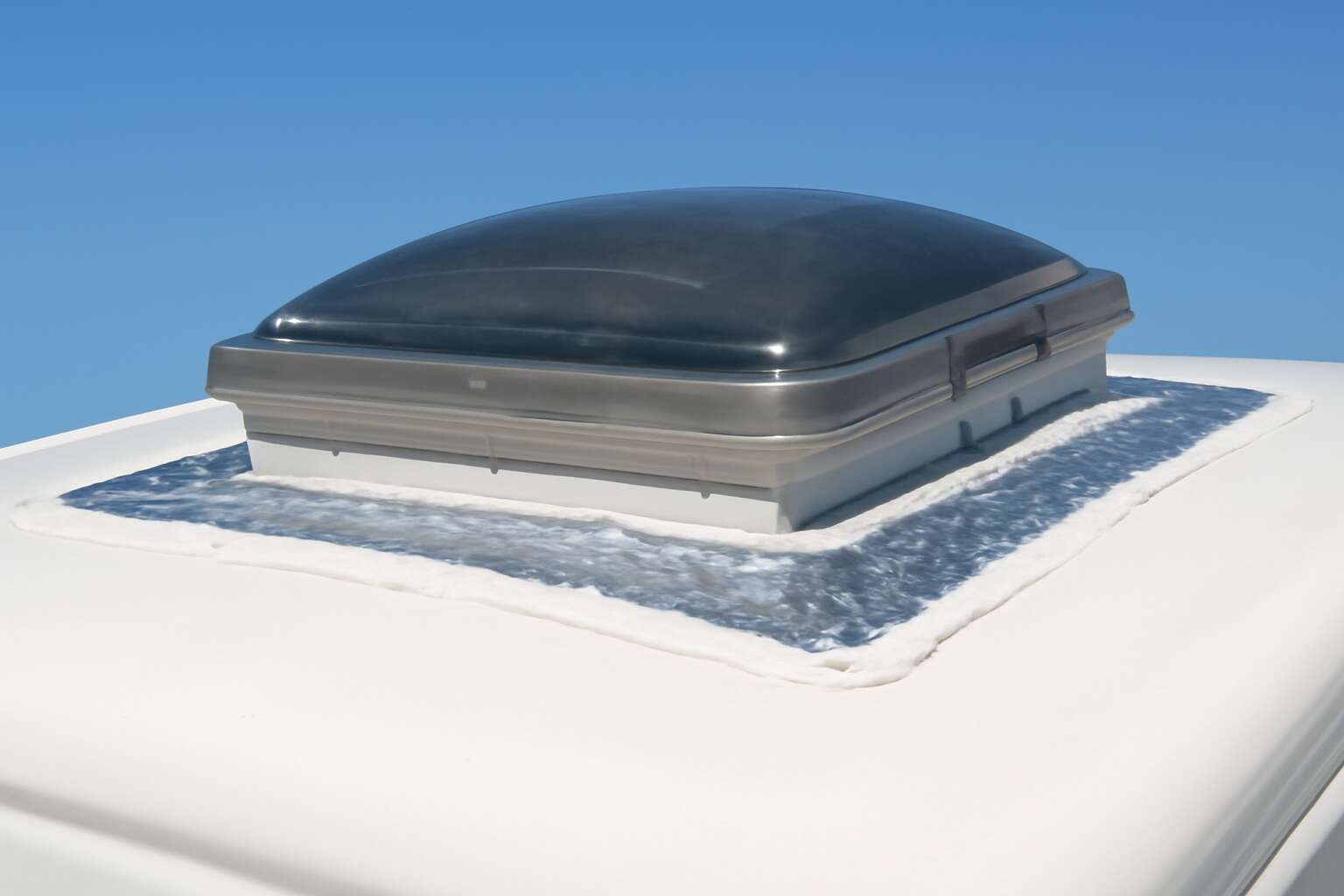
RV Roof Vent Insulation: A Comprehensive Outline
Understanding the role of insulation and venting in RV roofs
Heat loss and humidity in a moving home are not mere inconveniences; they’re social missteps that tag along from Cape Town to the Karoo. A recent survey suggests 40% of energy escapes through the roof, so the right approach matters: insulation rv roof vent.
Insulation and venting are not rivals but partners on an RV roof. Good insulation keeps the cabin comfortable when the sun booms and the nights bite, while thoughtful venting nudges moisture away, preserving the integrity of seals, fabrics, and that prized-smelling retro fridge.
- Reduces heat transfer and keeps living spaces stable
- Controls condensation and damp without shouting for attention
- Supports efficient operation of appliances and reduces wear
Choosing insulation materials for RV roofs
Roofs in Sub-Saharan climates are stages and witnesses to heat’s theatre, with up to a third of cooling energy slipping through the ceiling. The right insulation rv roof vent approach turns glare into shade and humidity into quiet, forging a shelter that lasts longer than winter and summer alike.
Choosing materials is a conversation with physics: rigid polyiso delivers lofty R-values, fiberglass batts are light and manageable, spray foams seal every seam, and mineral wool resists both flame and damp. For insulation rv roof vent schemes, the trick is compatibility with seals and vent penetrations, preserving airflow while curbing heat transfer.
- R-value versus weight and UV stability
- Moisture resistance and breathability
- Vent and seal compatibility
Momentum arises when design meets weather with patient deliberation.
Vent design, placement, and airflow optimization
Heat is a quiet thief—on brutal Sub-Saharan days, up to a third of cooling energy slips through the RV roof, turning a cool night into a pale memory. A well-tuned insulation rv roof vent strategy keeps glare outside and humidity at bay—like a quiet guardian.
Vent design, placement, and airflow optimization become a science of shelter: you want seamless seams, smart vent angles, and predictable drafts that move air rather than stall it.
- Vent alignment with living spaces to maximize crossflow
- Seals around penetrations and breathable membranes to prevent leaks
- Strategic vent placement for prevailing winds and shade in SA climates
In South Africa’s diverse climates, compatibility with seals and vent penetrations is as vital as the vent’s own blade. The right mix preserves airflow and curbs heat transfer, turning your RV into a moving refuge from the glare.
Installation best practices for roof vents and insulation
Heat creeps across the Sub-Saharan horizon and into the RV like a thief in the attic. In South Africa, the sun can turn a dimly lit interior into a furnace unless the roof is a disciplined shield.
A comprehensive outline for installation best practices weaves roof vents and insulation into one breathing system. The insulation rv roof vent should be treated as one unit, coordinating seals, membranes, and blade angles to curb heat transfer.
- Seals around penetrations and breathable membranes to prevent leaks
- Strategic vent alignment with living spaces for crossflow
- Considerations for prevailing winds and shade in SA climates
In SA’s diverse climates, compatibility with seals and penetrations is as vital as the vent’s own blade; this harmony—insulation rv roof vent included—keeps airflow steady and heat transfer in check.
Maintenance, inspection, and troubleshooting
On a scorching SA afternoon, interior temps can swing 4–6°C when a roof vent isn’t sealing right. That’s where insulation rv roof vent becomes more than a component—it’s a quiet shield you tend against sun and heat. A well-balanced roof line invites rest, even on dusty backroads.
Maintenance, inspection, and a touch of troubleshooting weave this shield into daily life. Treat the vent as part of a single breathing system, and look for harmony between seals, membranes, and blade movement. Safe, high-level checks keep the roof singing in tune with the living space:
- Seals and penetrations integrity
- Breathable membranes condition
- Vent blade mechanics and alignment
In SA’s climate mosaic, this harmony preserves airflow, reduces heat transfer, and lets you enjoy shade-rich evenings with a touch more peace.
Cost, safety, warranties, and ROI
South Africa’s sun can turn a parked RV into an oven in minutes. A well-designed insulation rv roof vent does more than quiet the roof—it’s a shield that locks in cool and blocks out heat! It’s a quiet investment, delivering comfort now and easing energy bills later on dusty backroads and long trips.
When weighing insulation rv roof vent options, cost, safety, warranties, and ROI matter. Here’s a quick frame to compare:
- Cost: upfront price versus long-term savings on cooling and HVAC wear.
- Safety: material fire ratings, non-toxicity, and proper sealing.
- Warranties: coverage length, inclusions, exclusions, and service terms.
- ROI: energy bill reductions, comfort, and resale value over time.
This approach aligns with SA’s climate mosaic—durable, quiet, and easy to maintain. The result is steady airflow, lower heat transfer, and evenings that finally feel shaded even when the day has burned off.

0 Comments