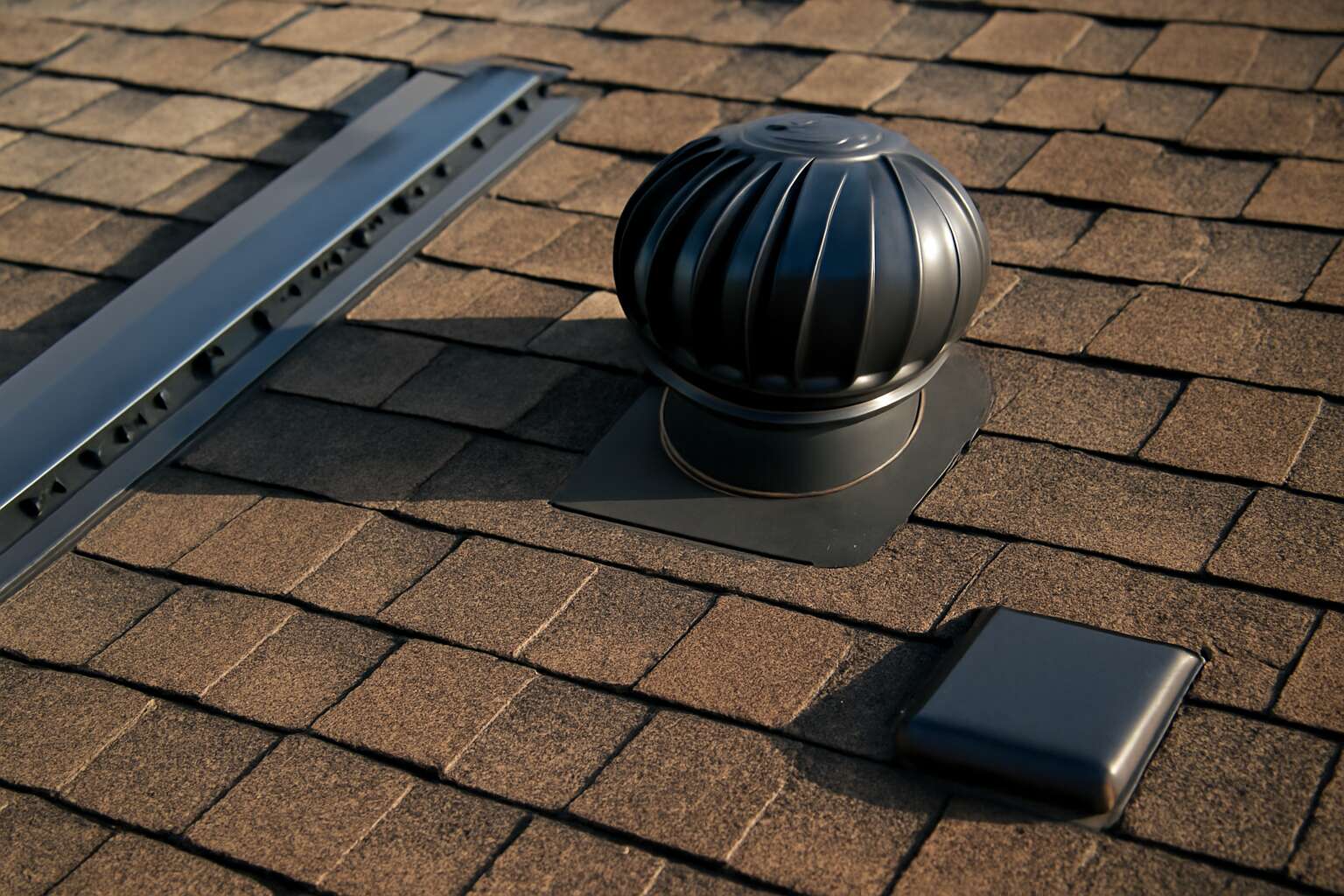
Overview of Vent Material Types for Roofing
Common vent material types
Ventilation is the unsung weather-witch of the roof, turning heat into ease and moisture into memory. In South Africa, the right roof vent materials shape comfort, longevity, and the attic’s quiet hum under sun and storm.
Metal vents such as aluminum and galvanized steel deliver durability, while UPVC plastic keeps costs down. Hybrid blends try to marry resilience with ease. A thoughtful selection keeps a roof breathing rather than rattling.
- Aluminum vents — light, corrosion-resistant, ideal for coastal SA towns.
- Galvanized steel vents — budget-friendly, robust against wind-driven rain.
- Plastic or UPVC vents — affordable, easy to install, UV-stable in sunny climates.
Coatings and finishes extend life in SA’s sun and sea air. The magic lies in matching material to roof and climate, letting the roof breathe with dignity.
Costs and availability
In South Africa, the attic is a small furnace or a cool sanctuary depending on the choice of roof vent materials. A deft blend of price, availability, and performance turns everyday heat into comfortable air. Costs align with production methods and local supply chains, and thoughtful buyers weigh long-term savings against upfront spend, especially under the sun-drenched seasons.
- Local manufacturing vs import costs
- Delivery times and stock cycles
- Warranty and service networks
The magic lies in balancing upfront cost with durability, noise, and ease of installation, ensuring the roof remains healthy and quiet—an unseen ally among SA rooftops. The right roof vent materials let a house breathe with dignity, even when the cape winds howl.
Regulatory and code considerations
Across South Africa, a roof vent is more than an opening—it’s a breath that keeps heat at bay and daylight from washing out life inside. The choice of roof vent materials shapes heat flow, wind resilience, and quiet comfort, all under the watchful eye of the code.
Regulatory and code considerations walk in step with performance standards. Here are the essentials:
- SANS 10400 guidelines on roof penetrations and ventilation.
- Wind uplift ratings and coastal exposure allowances.
- Fire resistance and material class for roofing areas.
- UV resistance and corrosion suitability for SA climates.
- Warranty standards and approved service networks.
Choosing materials that align with regulation and performance keeps roofs healthy, and the air inside quietly dignified—these components meet the letter and the breath of the land.
Environmental impact and sustainability factors
South Africa’s sun and wind demand thoughtful ventilation. The right roof vent materials shape heat flow, extend roof life, and keep indoor comfort steady under coastal glare or highveld heat alike. Sustainability isn’t a trend; it’s a performance measure baked into every choice.
Here are categories and their environmental notes:
- Metal alloys (aluminium, galvanised steel, copper) – durable and highly recyclable, with attention to embodied energy.
- Thermoplastics and composites (PVC, polycarbonate, fiberglass-reinforced polymers) – lightweight and formable; UV stabilisers matter for longevity.
- Natural blends and wood-derived options – renewable and locally sourced, but require protective finishes for climate resistance.
- Hybrid or recycled-content options – lower embodied energy and better circularity when sourced nearby.
Across SA climates, the environmental impact and sustainability profile of roof vent materials intertwine with coastal exposure and heat resilience, guiding choices that quietly sustain homes and communities.
Performance and Durability by Material Type
Material compatibility with roofing systems
Across South Africa’s blazing summers and brisk coastal mornings, the choice of roof vent materials shapes comfort and economy. The right vent material can cut attic heat and curb wasted energy, a truth that comes alive when performance and durability are weighed together.
Material type dictates how a vent behaves under sun, wind, and rain. Metal vents—galvanized steel or aluminum—offer strength and long life but need coatings in salty air. UV-stable plastics such as PVC or polypropylene resist heat yet must be rated for weathering and expansion.
To illustrate compatibility with roofing systems, remember these dynamics:
- Metal roofs pair best with corrosion-resistant vents
- Tile or concrete roofs benefit from flexible flashing
- Flat membranes tolerate low-profile, UV-stable vents
Choosing roof vent materials is about balancing performance, durability, and system harmony—an approach that protects homes while honoring local character.
Lifespan and weather resistance
In the SA heat, roof vent materials must earn their keep! Performance and durability go hand in hand, shaping how well attic temps are kept in check year after year. Metal vents—galvanized steel or aluminum—offer rugged life, often 20 to 40 years with proper coatings in coastal air. UV-stable plastics like PVC or polypropylene resist heat but need weathering-rated formulations and predictable expansion.
Key durability profiles by material include:
- Metal vents: long lifespan, strong resistance, but corrosion risk near salt spray unless coated
- Plastics: lightweight, heat-tolerant; watch for UV degradation if not certified
- Flashings: flexible options ensure a tight seal across tiled or concrete roofs
When matched to the system, expect harmony, fewer leaks, and steadier energy use.
Heat resistance and UV stability
South Africa’s sun wears a fierce crown, and attic temps rise fast if venting isn’t up to the task. With roof vent materials, heat resistance and UV stability aren’t extras—they’re the core of dependable performance, shaping comfort and energy use year after year.
Metal vents—galvanized steel or aluminum—tolerate high temperatures and endure for decades, yet they demand coatings to fend off coastal corrosion.
- Metal vents (galvanized steel or aluminum): robust heat tolerance and long life, but coastal salt spray demands coatings.
- Plastics (UV-stable PVC or polypropylene): lightweight and heat-tolerant, but rely on weathering-rated formulations to prevent UV degradation.
When installed with care, these roof vent materials sing in harmony with the roof system—fewer leaks, steadier energy use, and year-round comfort under SA skies.
Moisture management and condensation control
On South Africa’s roofs, attic humidity can ride the heat to feverish levels—summer days push interior temps well above the shade, turning dew into a silent threat. The right roof vent materials guide moisture away before condensation takes hold, transforming a latent risk into steady, comfortable living space. In this arena, performance is restraint and precision, not bravado!
Metal vents (galvanized steel or aluminum)—classic roof vent materials—offer rigid channels that resist warping under humidity, preserving seal integrity around flashing. When coated for coastal spray, they shepherd condensate along predictable paths, delivering decades of reliability amid South Africa’s capricious skies.
- Metal vents (galvanized steel or aluminum): durable channels, clear moisture paths, but coastal zones demand coatings.
- Plastics (PVC or polypropylene): lightweight and moisture resistant, yet performance hinges on weathering-rated formulations.
- Ensure fittings and flashing are compatible to prevent hidden pockets that trap humidity.
Wind resistance and noise considerations
Wind is the silent judge of roof vent materials: a single gust can expose weaknesses temperatures never reveal. Performance and durability hinge on seal integrity and the acoustic footprint. Metal vents—galvanized steel or aluminum—offer rigid channels that resist warping and preserve flashing seals, while plastic options stay light but can whistle in strong winds if fittings aren’t tight.
- Metal vents: strong wind resistance and stable seals; quieter when installed with proper flashing.
- Plastics: lightweight and moisture resistant but can flex and whistle in gusts; ensure weathering-rated formulations.
- Coatings and finishes: coastal zones demand corrosion protection to keep the channel clean and quiet.
Across South Africa’s varied climates, the best choice balances endurance with quiet operation. Material selection shapes airflow consistency and attic comfort long after the storm passes!
Maintenance, Installation, and Compatibility
Installation best practices by material
Maintenance matters in South Africa: many roof woes stem from neglected vents rather than shingles. roof vent materials benefit from simple checks—spot-cleaning, seal inspection, and periodic replacement of worn gaskets—keeping airflow steady and moisture at bay in hotter seasons.
- Metal vents: check for corrosion and seal integrity.
- Plastic/Vinyl vents: monitor UV wear and brittleness.
- Ceramic or clay vents: inspect for cracking and settling.
Installation essentials vary by material. In my experience, matching fasteners to substrate and using compatible sealants makes sense, while aligning with roof contours. For a seamless fit, consult the vent manufacturer’s compatibility notes and verify flashings suit your roofing system—your roof’s longevity will thank you.
Maintenance and cleaning requirements
A striking stat: more than half of roof leaks start at the vent seal. In SA heat, maintenance matters for roof vent materials. Spot-cleaning, seal inspection, and replacing worn gaskets keep airflow steady and moisture at bay.
Installation essentials vary by material. I’ve learned to match fasteners to substrate and use compatible sealants, while honoring roof contours. For a seamless fit, consult the vent manufacturer’s notes and verify flashings suit your roofing system!
Compatibility matters in our climate. Roof vent materials should resist UV and heat, work with your roofing system, and tolerate SA winds. Consider substrate compatibility, sealants, and flashings to avoid misfits.
- Substrate compatibility
- Sealants and flashings compatibility
- UV exposure and heat tolerance
Vent replacement and upgrade guidance
That stat still stings: more than half of roof leaks start at the vent seal. In SA’s blistering sun, maintenance matters because even mighty roof vent materials can falter under heat and wind. I treat every upgrade as a shield against moisture and ruin!
When replacing or upgrading roof vent materials, I match fasteners to substrate and pair sealants with the roofscape. The manufacturer’s notes guide a seamless fit, and I honour the roof contours to keep airflow steady.
In the spirit of careful compatibility, consider these checks:
- Substructure fit for the chosen vent material
- UV/heat tolerance suited to SA conditions
This approach preserves performance through SA’s winds and sun.
Cost, Availability, and Environmental Impact
Upfront costs and long-term value
Across South Africa, inefficient roof vent materials can waste up to a quarter of conditioned air, turning cool evenings into costly battles against heat gain. That reality frames every choice in this category: upfront costs, availability, and how the environmental footprint stacks up over time.
Upfront prices for roof vent materials vary widely—from economical plastics to durable metals—driven by local stock and supplier networks. Availability in SA can tilt pricing and lead times, nudging projects from seamless to delayed.
- Upfront cost vs lifespan
- Local stock and delivery times
- Warranty and after-sales support
Environmentally, options with recycled content or recyclable end-of-life reduce the footprint, while durable designs lower replacement frequency. In the long arc, the best picks balance budget with a lighter environmental touch, preserving roof integrity and indoor comfort without excess waste. For roof vent materials, recycled content and end-of-life options matter.
Sourcing and regional availability
Across South Africa, up to a quarter of conditioned air can slip away if roof vent materials aren’t chosen with care. The upfront price matters, but long-term value—lower energy use, less maintenance, and fewer replacements—often tells the real story behind roof vent materials. It’s about balance, not bragging rights.
Availability in SA shifts pricing and timing. Local stock and delivery times can turn a smooth installation into a delay. When choosing roof vent materials, factor in regional supply networks—convenience today saves headaches tomorrow.
On the environmental front, options with recycled content or recyclable end-of-life reduce the footprint. Durable designs mean fewer replacements in a SA climate; regional manufacturing can lower transport emissions and support local jobs. When you weigh roof vent materials, the sourcing and end-of-life story matters as much as the price.
Sustainability and recycled content
Across SA, up to a quarter of conditioned air can slip away if roof vent materials aren’t chosen with care. The upfront price matters, but long-term value—lower energy use, fewer replacements, and less maintenance—tells the real story.
Availability in SA shifts pricing and timing. Local stock and delivery times can turn a smooth installation into a delay. Factor regional supply networks—convenience today saves headaches tomorrow.
On the environmental front, options with recycled content or recyclable end-of-life reduce the footprint. Durable designs mean fewer replacements in a SA climate; regional manufacturing can lower transport emissions and support local jobs. When you weigh roof vent materials, the sourcing and end-of-life story matter as much as the price.
- Recycled content options reduce virgin material use
- End-of-life recyclability simplifies disposal and aligns with circular economy
- Nearby manufacturing lowers transport emissions and supports local jobs
Certifications and rebates
Cost isn’t just the sticker price. For roof vent materials, the upfront outlay matters, but the real payoff is lower energy bills, fewer replacements, and quieter operation across SA’s climate. The best choice balances initial spend with long-term value—like a rooftop optimization plan you actually want to read.
- Local stock levels and replenishment speed
- Regional distribution networks reducing transport time
- Transparent lead times for standard versus custom sizes
Availability is a moving target here. Local stock and delivery windows can make or break a project, so check regional suppliers and shipping calendars before you commit. Flexibility pays off when timelines tighten and your fair-weather self nods in agreement.
Environmental impact certifications and rebates offer the green premium. Look for roof vent materials with recycled content or end-of-life recyclability, and certifications that verify low footprint. In SA, rebates from energy schemes and local councils can sweeten the deal when the product carries credible environmental credentials.
Energy efficiency implications
In SA’s climate, heat climbs like a dragon over the ridge, and the difference between a bargain and a smart choice shows up in energy bills. The right roof vent materials can trim cooling losses and extend equipment life, turning upfront spend into steady comfort and quiet operation.
Availability is a moving target. Check:
- Local stock levels and replenishment speed
- Regional distribution networks that reduce transport time
- Transparent lead times for standard versus custom sizes
Environmental impact certifications and rebates offer the green premium. Look for recycled content, end-of-life recyclability, and low-footprint credentials. In SA, energy schemes and local council rebates can sweeten the deal when products carry credible environmental credentials.
Disposal and recycling of old vents
Heat climbs like a dragon over the ridge, and the difference between a bargain and a smart choice shows up in energy bills. Cost matters when you’re weighing roof vent materials in SA. The upfront tag sets the scene, but the real drama unfolds in cooler summers, quieter operation, and fewer compressor cycles. A well-chosen vent turns a one-time spend into enduring comfort and lower bills.
Availability is a moving target. Check:
- Local stock levels and replenishment speed
- Regional distribution networks that reduce transport time
- Transparent lead times for standard versus custom sizes
Environmental impact disposal and recycling of old vents: In SA, end-of-life routes for roof vent materials matter; look for recyclability, take-back programs, and compliant disposal to avoid landfill. Salvage value and local council programs can sweeten the deal without compromising performance.

0 Comments