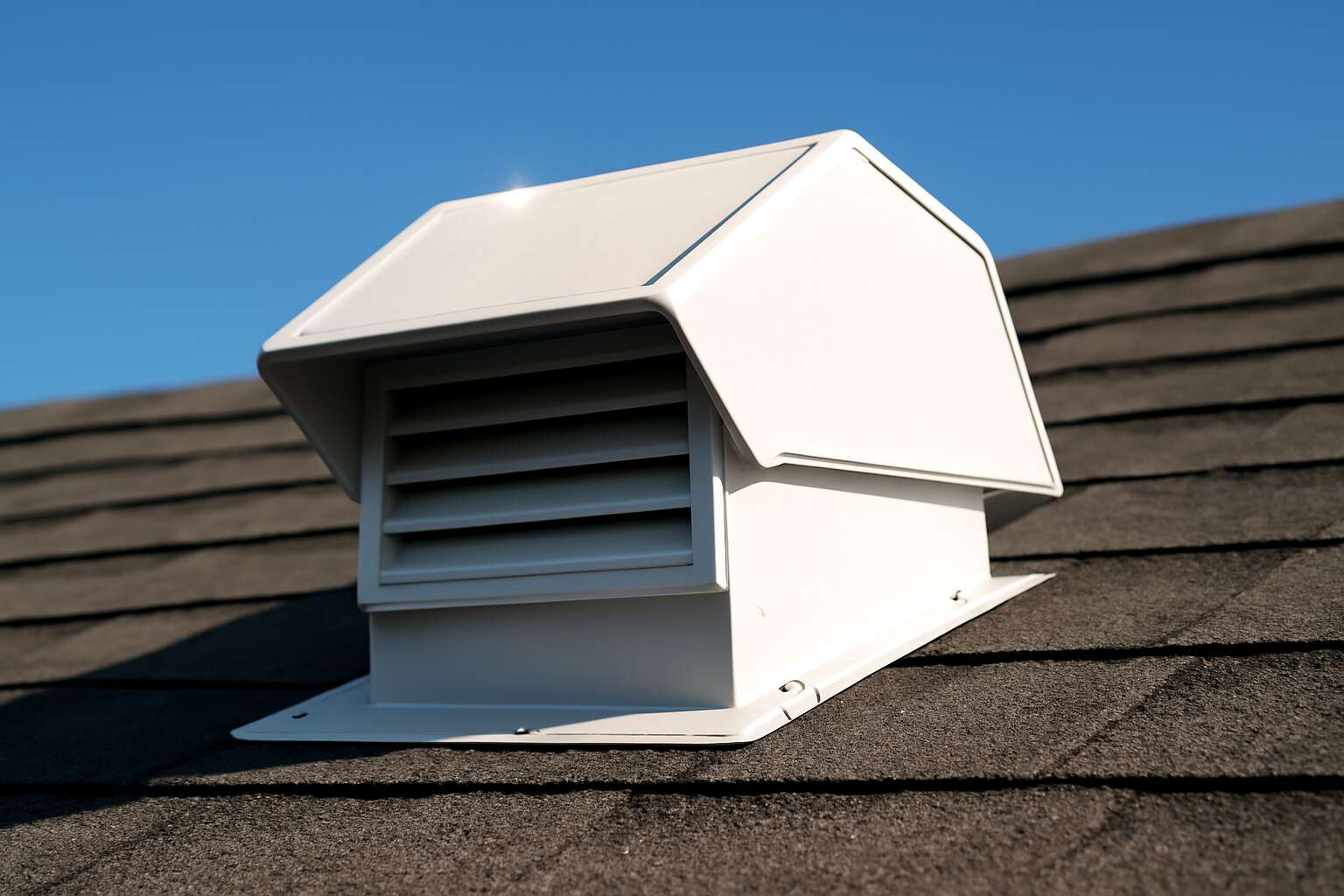
Fundamentals of baffle-equipped roof vents
What a baffle does in attic ventilation
Air moves where it is allowed; in the roof, the right design grants permission. “Ventilation is the unseen guardian of a comfortable home!” a veteran roofer likes to say, and in South Africa’s blistering summers that guardian keeps living spaces cooler and drier.
The roof vent with baffle guides a steady stream from soffit to ridge, creating an uninterrupted channel. It keeps airflow away from insulation, letting warm attic air rise while moisture escapes. In hot, humid climates, this quiet device makes a dramatic difference.
- Directs cooling air where it matters
- Prevents insulation from obstructing the airflow
- Minimizes wind-driven rain intrusions while ventilating
In South Africa’s diverse climate, a well-designed vent becomes the home’s quiet breath—bolstering comfort and longevity without ceremony.
How a baffle-equipped vent improves airflow
Air has a memory, they say; it remembers the shape of a roof. A roof vent with baffle carves a whisper-quiet corridor for cooling air, guiding it from soffit to ridge with minimal turbulence. The channel keeps airflow clean from insulation and invites warm attic air to rise while moisture escapes, a subtle drama that pays off during South Africa’s hot days.
Fundamentally, the baffle shapes the wind like a craftsman’s compass, aligning velocity with the roof’s angles and preventing pockets of stagnant air.
- Creates a persistent air curtain that travels gently along the channel.
- Keeps insulation out of the airflow, preserving thermal performance.
- Fends off wind-driven rain while allowing steady exhaust.
Bright light and practical science join here: a trusted vent that breathes through the hottest seasons.
Key components of a baffle-equipped vent
A roof vent with baffle is more than metal and mesh; it is a quiet corridor for air, sculpted to meet the sun-baked rhythm of our roofs. Quiet, persistent, it invites cool morning breezes to travel along the attic’s edge and release warmth at the ridge, turning heat into a measured dialogue rather than a shout.
Fundamentals of this craft lie in three threads that work in concert:
- Intake channel aligned with soffit openings
- Rigid baffle core that guides a steady path
- Weatherproof housing and mesh that deflects rain while letting exhaust escape
When these elements are understood as a whole, the system performs like a masterfully engineered chorus—elegant, resilient, and quietly confident under South Africa’s long, bright days!
Benefits for moisture control and energy efficiency
In South Africa’s bright, unyielding summers, air is a scarce ally. A single, thoughtful feature can shift that balance: the roof vent with baffle. It carves a measured corridor for warmth to escape at the ridge while rain remains kept at bay.
Moisture control and energy efficiency hinge on three quiet truths that this design embodies.
- Moisture control: prevents condensation on insulation.
- Rain deflection: weatherproof housing blocks water, air escapes.
- Thermal balance: steady airflow cuts attic heat.
- Longevity: drier spaces last longer.
When moisture stays outward and air circulates softly, homes stay cooler, healthier, and more economical—the attic’s ghost becomes a guardian.
How to identify quality baffle-equipped roof vents
Attic heat is the silent tax on your energy bill, and South Africa’s summer sun only makes it worse. A roof vent with baffle acts like a tiny air steward, guiding warm air out along the ridge while rain stays politely out of the party. Simple, clever, and surprisingly zippy.
Fundamentals of baffle-equipped roof vents hinge on keeping airflow smooth without inviting weather. The design of a roof vent with baffle and its geometry creates a protected corridor for air to exit, while the material—UV-stable metal or durable plastic—fights the SA sun. The design should suit your roof pitch and insulation depth.
- Sturdy, corrosion-resistant construction that stands up to SA weather
- UV-resistant materials and a secure, well-sealed housing
- Clear, unobstructed air path maintained by an effective baffle geometry
- Warranty and regional certifications (SABS) indicating quality
Choosing the right baffle-equipped roof vent
Roof type compatibility and sizing considerations
In South Africa’s sun-scorched roofs, a roof vent with baffle can turn a scorching attic into a whisper of breeze. “Ventilation is the breath of a home,” the master roofer murmurs, and I’ve seen that truth prove itself again and again.
Choosing the right roof vent with baffle hinges on compatibility with your roof type and precise sizing for your attic’s dimensions. I’ve learned that when the unit fits the roof’s drama—tile, metal, or shingle—and moves the correct volume, air flows as if the house itself exhaled.
- Roof type compatibility: tile, metal, and shingle configurations
- Sizing considerations: aligning airflow with attic volume and climate
- Baffle clearance: ensuring unobstructed air paths
When the pieces align, the attic becomes a calm, cool sanctuary.
Materials and durability for different climates
South Africa’s sun-scorched roofs turn attics into warm exhalations; on high-heat days, interior temps can climb 15–20°C above the open air. In that climate symphony, the right vent plays the cool refrain. A roof vent with baffle, crafted for enduring sun and coastal winds, acts as a patient breeze-tuner, inviting steady airflow while shrugging off UV glare and stubborn dust.
- UV-stabilized plastics (PVC/ABS) resist cracking and yellowing.
- Aluminium bodies with powder coatings withstand coastal salt and rain.
- Quality seals and corrosion-resistant fasteners prevent leaks and rust.
Durability for different climates hinges on UV resilience, sturdy gaskets, and warranties that stand up to heat, humidity, and wind. When these elements align, the vent remains dependable year after year.
Seal, flashing, and installation compatibility
Roofs bake; one honest claim anchors every attic: heat follows poor ventilation. The roof vent with baffle is engineered to turn that heat into a steady exhale, even under South Africa’s sun. It isn’t flashy—it’s a patient, precise mechanism that channels air while resisting glare.
Seal, flashing, and installation compatibility are the trio to examine. Ensure a watertight seal that blocks drafts, compatible flashing for your roof type (tiles or metal), and fittings that suit your roof pitch and ceiling clearance. In practice, verify that the vent’s baffle integrates with existing soffit and ridge ducts without forcing elbows or gaps.
Aesthetics and wind resistance
South Africa’s summers can turn attics into dry saunas—up to 60°C hotter than the air outside on the hottest days. A piercing reminder that ventilation isn’t decoration; it’s preservation.
Choosing the right roof vent with baffle is a study in balance: form that meets the roofline, and wind resistance that copes with SA gusts. A low-profile, glare-minimizing finish keeps aesthetics intact while the baffle guides air steadily, even when the wind shifts.
- Low-profile design that minimizes wind lift
- Corrosion-resistant materials for coastal climates
- Glare-reducing finishes that blend with tiles or metal
In the end, the roof vent with baffle is a quiet partner—an exhale that respects the roof’s silhouette and the sun’s roar.
Where to buy and how to compare models
SA summers push attic temps up to 60°C hotter than outside on the hottest days. A roof vent with baffle isn’t decoration; it’s a steady exhale that keeps the ceiling honest. Choosing the right model means weighing where you buy and how models stack up against your climate. Look for SA-friendly suppliers who offer datasheets, wind ratings, and finishes that resist coastal corrosion.
- Local hardware chains and building supply stores across SA
- Specialist ventilation distributors with baffle-equipped options
- Online South African retailers offering nationwide delivery
Compare models by airflow indications, baffle geometry, and wind-resistance features, then let the data guide your choice of roof vent with baffle in a way that mingles with the roofscape and the sun’s roar.
Installation and troubleshooting
Pre-installation assessment and roof safety
Airflow is a quiet partner in a durable roof. In SA homes, the difference between a good year and a costly one often comes down to pre-installation insight. A well-chosen roof vent with baffle can steer moisture and heat responsibly, turning an ordinary retrofit into lasting comfort.
Pre-installation assessment and roof safety begin with a simple, respectful gaze at the roof’s anatomy. Before any fitting, consider these checks:
- Structural integrity
- Moisture signs and insulation
- Flashing compatibility and clearance
- Safe access and weather windows
Troubleshooting after installation remains about listening to the attic’s whispers: unusual drafts, uneven temperatures, or unexpected dampness. If airflow seems stifled, recheck seals, flashing, and the baffle’s seating—small gaps invite big problems. Safety stays a compass: harnesses, ladders, and weather awareness guide every move!
Step-by-step installation overview for DIY
Every SA roof carries a quiet promise: cool air where it’s needed and damp kept at bay. In many homes, up to 40% of attic moisture issues trace back to venting gaps, underscoring the value of a thoughtful setup.
Installation and troubleshooting unfold as a step-by-step installation overview for a roof vent with baffle, told in a tone of careful hands and patient listening. The process emphasizes alignment with the roof’s rhythm, then letting the baffle guide air to where it’s needed, without forcing the attic to scream.
Close the chapter with safety first: good harnessing, steady ladders, and daylight windows invite calm work. If you hear unusual drafts or feel unexpected dampness, listen to the attic’s whispers and recheck seals and seating.
Common installation mistakes and how to avoid them
A roof vent with baffle promises airflow that meets the attic’s needs without shouting—until a misstep dulls its whisper. In South Africa’s varied roofs—tiles, sheets, and corrugations—common errors creep in: misalignment with the roof plane, gaps around seals, and insulation crowding the intake. When these occur, moisture lingers and heat climbs where it shouldn’t, turning a quiet path into an anxious draft.
- Misalignment between the roof vent with baffle and the roof plane can short-circuit airflow, letting damp air linger. Avoid by ensuring a flush, true fit with the ridge line and even seating of the baffle.
- Gaps around flashing or seals invite drafts and leaks. Avoid by ensuring continuous seals with weather-rated materials and compatible flashing.
- Insulation or debris encroaches on the baffle, choking intake and reducing performance. Avoid by maintaining clearance and preventing insulation from packing against the vent.
Inspecting flashing and sealant after installation
After the install, the true listening begins. A roof vent with baffle quietly guards your attic, but its peace rests on sound flashing and sealant. In SA’s climate, sun and sudden storms test those joints, revealing the truth in a gust or glint of rain.
Inspecting flashing and sealant after installation is a moment to notice, not to chase perfection. Look for clean lines along the flashing, a consistent bead, and no daylight at the edges.
- Visible gaps or misalignment along flashing
- Cracking or drying sealant in corners
- Debris or insulation crowding the vent path
After a storm, a quick interior check can reveal whether the vent still breathes freely and vents moisture without damp patches along the ridge.
Troubleshooting airflow and condensation issues
After the install, the true test begins. A roof vent with baffle quietly guards your attic, but its peace rests on sound airflow. In South Africa’s climate—scorching sun, sudden squalls—the trail of air through the loft reveals how well the system is performing.
Watch for clues that hint at trouble:
- Unexplained drafts or uneven airflow in the attic
- Condensation on insulation or rafters after humid days
- Musty odors or damp patches along the vent path
After a storm, the interior often reveals whether the vent breathes freely and moisture lingers along the ridge. That roof vent with baffle continues to guard the space, adapting to the next gust with quiet endurance.
Maintenance tips for long-term performance
“A roof is a poem written in sunlight and rain,” a roofer once told me, and the attic is where it whispers. In South Africa’s climate, airflow becomes memory—quiet, persistent, and surprisingly fragile.
Installing a roof vent with baffle is a vow to that memory. When maintenance routines keep the vent clear of compromise, its breath stays steady through scorching days and squally nights. The goal is long-term performance that feels effortless, a subtle guardian against moisture and heat loss.
Keep an eye on key indicators—the subtle signs of aging in the attic’s air that whisper when something shifts:
- Seal integrity around the vent
- Baffle orientation and clearance
- Moisture patterns and attic temperature trends
In the long run, those signs become a narrative of your home’s health, inviting periodic inspection by a professional who respects the house’s memory and the roof’s quiet labor.
Cost, incentives, and value
Upfront cost range by vent type and size
Costs are not just numbers; they’re a moral calculation as much as a budget item. A roof vent with baffle quietly optimises attic airflow, cutting heat buildup and moisture that erode structural wood over time.
- Small passive roof vent with baffle: about R350–R900 per unit
- Medium turbine or ridge vent with baffle: about R1200–R2500 per unit
- High-end or powered options (solar or electric) with baffle: about R6000–R15000, plus installation
Incentives can sweeten the deal—regional energy rebates, supplier promotions, and bulk-install discounts help trim the total. The value becomes clear over time in steadier indoor comfort and a lighter HVAC burden, a quiet victory that pays back beyond the initial price tag.
Labor costs: DIY vs professional installation
Cost isn’t just a ledger item—it’s a comfort decision. A roof vent with baffle comes in three tiers: small passive units around R350–R900, medium turbine or ridge vents around R1200–R2500, and high-end or powered options from R6000–R15000, plus installation. The right choice pays back with a cooler attic and drier moisture profiles.
Incentives can sweeten the deal—regional energy rebates, supplier promotions, and bulk-install discounts trim the total.
The value becomes obvious as indoor comfort stabilizes and the HVAC load lightens.
Labor costs matter. DIY can slash upfront fees, but a misfit seal or leaky flashing can undo gains. A professional install, while pricier, typically guarantees proper flashing and airflow performance.
- DIY: lower immediate cost, but higher risk of leaks and warranty issues.
- Professional: reliable seal, warranty protection, and faster turnaround.
Long-term energy savings and payback period
Cost is the opening act in the theatre of attic comfort. A roof vent with baffle comes in three tiers: small passive units around R350–R900, medium turbine or ridge vents around R1200–R2500, and high-end or powered options from R6000–R15000, plus installation. DIY can slash upfront fees, but a misfit seal or leaky flashing can undo gains. A professional install, while pricier, typically guarantees proper flashing and airflow performance.
Incentives can sweeten the deal—regional energy rebates, supplier promotions, and bulk-install discounts trim the total.
- regional energy rebates
- supplier promotions
- bulk-install discounts
Long-term energy savings unfold as the attic breathes easier and the HVAC work lightens. The roof vent with baffle helps keep summer heat out and moisture balanced, shortening the payback period to a few seasons in milder SA climates, or several years in cooler homes.
Warranty, lifespan, and reliability
Cost is the opening act in attic comfort, and it varies with size, materials, and whether you choose a humble passive vent or a more robust setup. DIY can trim the sticker price, but a misfit seal or leaky flashing can erase those gains; a pro install adds reliability and proper airflow, no pretzels required.
Incentives can sweeten the deal, trimming total costs as regional energy rebates, supplier promotions, and bulk-install discounts come into play:
- regional energy rebates
- supplier promotions
- bulk-install discounts
Warranty, lifespan, and reliability: The roof vent with baffle shines when installed right. Warranties vary by manufacturer but typically cover several years, with durable materials fending off SA heat and humidity. With sensible upkeep, expect steady performance that sustains comfort year after year.
Financing options and potential tax credits or rebates
Attic heat can push cooling costs up to 25% in the hottest months, and a well-installed roof vent with baffle can cut that drag without turning the attic into a wind tunnel. The upfront price varies with vent size and materials; DIY may trim the tag, but a misfit seal or leaky flashing can erase those gains. A pro install delivers reliable airflow and long-term steadiness.
Incentives can trim total cost via regional energy rebates, supplier promotions, and bulk-install discounts:
- regional energy rebates
- supplier promotions
- bulk-install discounts
Financing options and potential tax credits or rebates depend on local policy. Some regions offer energy-efficiency rebates or promotions from suppliers, and banks may provide eco-loans to spread the cost. In South Africa, rebates typically come from municipalities or energy providers rather than tax credits, so checking local programs is essential for maximizing value.
Resale value and home improvement impact
Cost considerations for a roof vent with baffle vary by vent size and materials; DIY installation may trim the price, but a misfit seal or leaky flashing can erase gains. A pro install delivers reliable airflow and long-term steadiness, turning cooling-season heat into manageable comfort.
Incentives can trim total cost via regional energy rebates, supplier promotions, and bulk-install discounts:
- regional energy rebates
- supplier promotions
- bulk-install discounts
In South Africa, rebates come from municipalities or energy providers; checking local programs is essential for maximizing value. Beyond incentives, improved attic ventilation lowers cooling loads, boosts HVAC efficiency, and enhances resale appeal—comfort and lower bills become selling points for potential buyers.


0 Comments