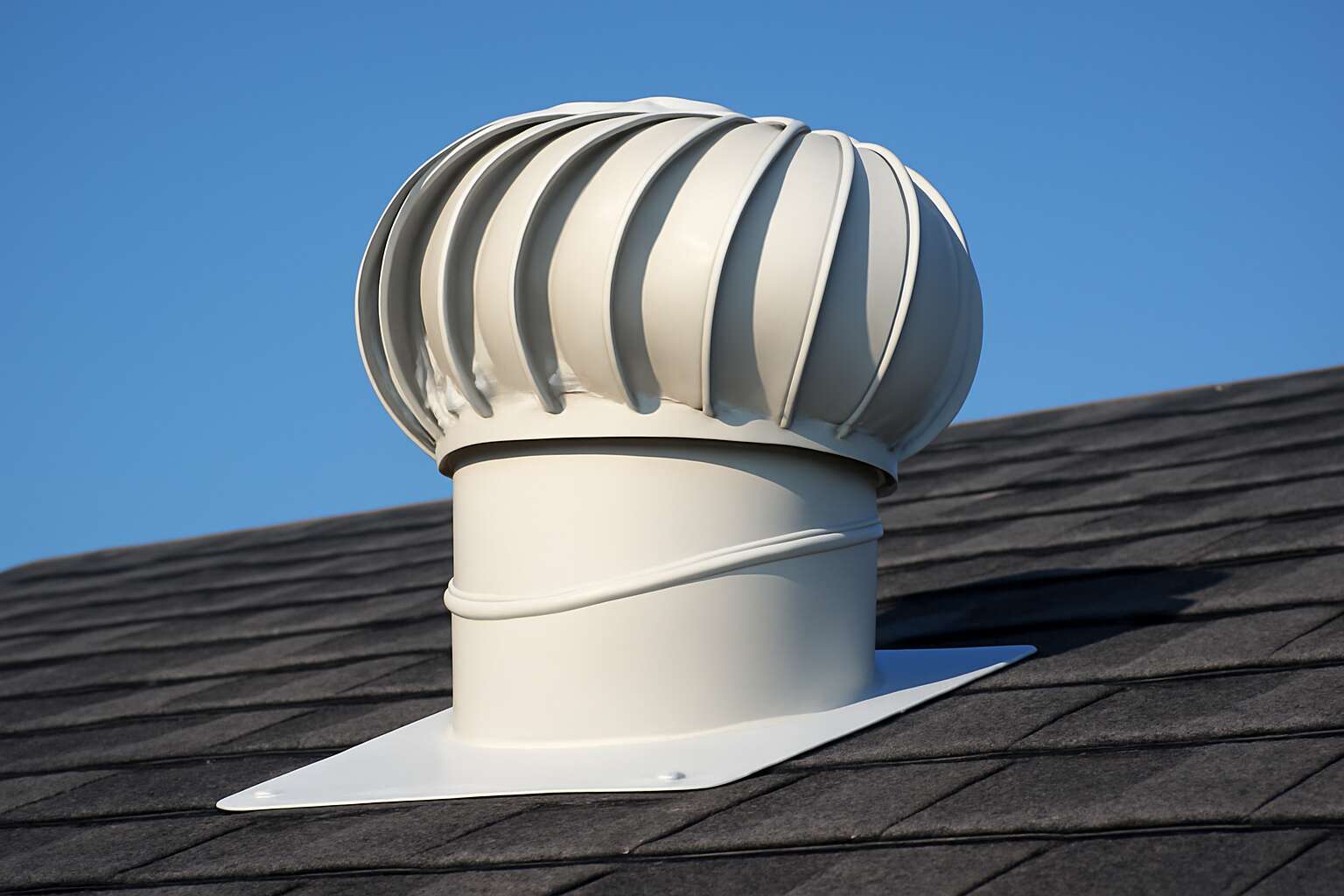
Ventilation benefits and climate impact
Overview of attic ventilation and air exchange
On South Africa’s blistering days, the attic hums like a hidden current of heat. Studies show that well-ventilated roofs can cool interiors by up to 5°C on peak days, a small miracle stitched into the climate. The whirlybird roof vent kit dances with the breeze, turning heat into air and letting the home breathe again.
- Lower attic temperatures and improved indoor comfort
- Moisture control and mold reduction
- Longer roof life through reduced condensation and wear
Attic ventilation works by encouraging a steady air exchange: hot air rises, escapes through roof vents, and cooler air is drawn in along the eaves. This simple-cycle keeps roof decks drier and living spaces more comfortable. Consider these benefits and the subtle harmony they bring to a home under the South African sun.
Impact on cooling costs and energy efficiency
South Africa’s blistering afternoons demand breath as well as shelter. On peak days, the attic can feel like a silent furnace, and every degree cooled is a testament to thoughtful design. The whirlybird roof vent kit choreographs the breeze, turning heat into air and letting the home breathe again.
Its effects travel beyond comfort into climate stewardship, yielding steadier indoor climates, drier ceiling spaces, and a gentler rhythm for the roofline.
By promoting a steady air cycle—hot air escapes through the vents while cooler air is drawn in along the eaves—the home stays drier and more comfortable without straining air conditioning. The result? More efficient cooling and gentler energy bills on South Africa’s radiant days.
How climate affects vent performance
South Africa’s long, blazing afternoons demand more than shade—they crave air that feels like mercy. Ventilation that’s quiet, steady, and design-driven keeps roofs from turning into ovens, and ultimately preserves interior finishes from heat stress. The whirlybird roof vent kit choreographs this gentle breeze, turning the attic into a space that breathes with the home rather than against it.
Climate shapes how these vents behave. On windy days, a gust can pull air through with ease, while still, scorching days test the system’s ability to exchange air quickly enough to stop moisture build-up and mould in ceilings. The kit’s efficiency rises where dew points stay elevated and dry air skims across rafters, ensuring steadier indoor climates.
- Hot air escapes naturally, reducing attic heat gain.
- Humidity stays in check, protecting ceilings and insulation.
Durability and maintenance considerations
In South Africa’s furnace afternoons, a well-timed breeze through a whirlybird roof vent kit can feel like mercy in motion. Field observations show attic temps dropping as hot air escapes efficiently, while dew and humidity stay in balance through steady air exchange. I’ve watched this kit’s design quietly convert heat into a manageable rhythm, letting interiors breathe with the home rather than against it.
- UV-stabilised housing resists sun fade and brittleness, keeping the unit looking and working like new.
- Corrosion-resistant materials withstand coastal winds and humid air.
- Low-friction bearings and sealed seals reduce wear and noise for longer life.
Durability translates into less upkeep and steadier performance across seasons; with periodic inspection, the whirlybird roof vent kit continues to shield rafters and insulation from heat stress without demanding constant tweaks.
Selecting the right roof vent system
Key features to compare: airflow, material, and design
Across South Africa, attic heat can crest above 50°C on blistering afternoons, turning roofs into ovens. A well-chosen whirlybird roof vent kit can tilt the balance back toward calm, inviting breezes to wander through rafters and carry the day’s heat away.
Key features to compare are airflow, material, and design—the trio that shapes comfort and durability.
- Airflow capacity (CFM or L/s) matched to attic size
- Material and finish: galvanised steel, aluminium, or UV-protected plastics
- Design and wind responsiveness: blade geometry, bearing quality, and seal integrity
Choosing a design that harmonizes with your roofline and climate lets the airflow become a companion, not a spectacle! The right kit balances aesthetics with performance, turning a simple roof vent into a quiet guardian of home comfort.
Sizing and capacity calculations for your space
South Africa’s late-afternoon heat can push lofts above 50°C, turning roofs into ovens—until a well-chosen whirlybird roof vent kit coaxes breezes to wander rafters and whisk away heat.
Selecting the right system hinges on sizing and capacity that match your space. Consider these factors as you weigh options:
- Attic volume and ceiling height to estimate the air volume at play.
- Target air changes per hour (ACH) for comfortable living spaces.
- Roof pitch, prevailing winds, and turbine orientation to optimize performance.
These considerations keep the installation harmonious with aesthetics and climate, letting a simple vent quietly guard the home with elegance.
Roof compatibility and installation considerations
Selecting the right roof vent system means more than chasing a breeze; it’s about harmony with your roof line and South Africa’s late-afternoon sun. A trusted whirlybird roof vent kit should fit the roof profile, flashing options, and wind patterns that kiss your home— this is where the right fit makes all the difference! Think tile, metal sheeting, or corrugated surfaces, and choose a unit that seals neatly without shouting its presence.
Roof compatibility and installation considerations matter as much as the unit’s looks.
- Roof type compatibility: tiles, metal sheets, or corrugated profiles with appropriate flashing.
- Flashing and sealing choices to prevent leaks during heavy rains.
- Professional installation and building-code alignment to preserve warranty and performance.
When aligned with your roof’s real needs, the system breathes with minimal noise and visual impact, delivering quiet comfort for the loft and home.
Aesthetics and roof line impact
Imagine a roof vent that looks as if it grew there; it breathes with your roof line and the South African late-afternoon sun, yet you hardly notice it. A well-chosen whirlybird roof vent kit is as much a piece of architecture as it is a vent. It should feel inevitable, like a natural extension of tile, metal, or corrugated profiles.
- Low-profile silhouette that respects your roof’s lines and ridges
- Finish and colour that blend with tiles, metal sheeting, or corrugated panels
- Flashing and seal options that stay neatly tucked away in heavy rain
Selecting the right kit is an act of quiet design, where function and form share the spotlight. When the vent sits in harmony with the roof, the space below breathes more easily and the house keeps its character through every sunset.
Installation process and best practices
Tools, safety, and preparation
South Africa’s sun doesn’t negotiate. A commonly cited figure says proper attic ventilation can shave cooling costs by up to 15%. The whirlybird roof vent kit slides in like a cool breeze, turning overheated rafters into civil space. Quiet, sturdy, and reliably worth the effort!
- Gloves, safety goggles, and non-slip boots
- Cordless drill with Phillips bit and suitable screws
- Measuring tape, pencil, and chalk line for accurate marks
- Roofing sealant or flashing tape to seal edges
- Ladder stabilisers or roof stand-offs for safe access
Best practices keep things crisp: dry, calm weather is ideal; the roof should show signs of soundness and alignment with the general venting approach. Preparation is about a quick attic assessment, debris awareness, and ensuring safe access. The whirlybird roof vent kit earns its keep.
Step-by-step installation overview
South Africa’s sun? merciless. Proper attic ventilation can shave cooling costs by up to 15%, a fact even the power bill will thank you for. The whirlybird roof vent kit slides in like a cool breeze, turning overheated rafters into civil space. Quiet, sturdy, and worth every palm-sweat moment when the air shifts.
- Assess placement with airflow in mind
- Position and brace the unit
- Secure edges and seal gaps
- Test rotation and verify weather resistance
In practice, calm weather and careful setup are your best allies for a long-lasting, efficient install.
Sealing, flashing, and leak prevention
South Africa’s sun can turn a roof into a greenhouse in a heartbeat, and cooling costs can swing by up to 15% without proper attic ventilation. The whirlybird roof vent kit slips into that story like a cool breeze—quiet, unassuming, and built to last. In our hands, the focus shifts from the tool itself to how it sits against the roof, how its edges seal, and how it earns its keep against rain and heat. Sealing and flashing are not afterthoughts; they are the backbone of a dependable install that breathes when the afternoon heat climbs.
Best practices for sealing, flashing, and leak prevention revolve around compatibility, cleanliness, and calm weather. When we consider a whirlybird roof vent kit, we look for a flush fit with the roofing surface, flashed contours that shed water, and sealing that endures sun and rain.
- Sealing integrity at joints and fasteners
- Flashing that follows the roof line and stays flush
- Material compatibility and environmental resistance
Testing and first-run performance
South Africa’s sun can turn a roof into a greenhouse in hours, and the right vent is the breath that cools it. The whirlybird roof vent kit slips into place with quiet confidence—flush to the surface, true to the roof line, and built to endure.
Key installation best practices include:
- Check roof compatibility and dry weather window
- Mark lines accurately, keep flashing aligned
- Seal joints and edges with weather-rated sealant
Testing and first-run performance matter most: a gentle airflow check inside the loft, listening for steadiness and quiet rotation, plus a quick leak test around seals. The result should feel like a cool, calm breeze on a hot day.
Common mistakes and how to avoid them
On a South African roof, the whirlybird roof vent kit is the quiet breath your loft craves when the sun scorches skin and slate alike. Begin in a dry spell and verify roof compatibility. Mark lines with intention, keep flashing true to the roof edge, and seal joints with weather-rated sealant for a flush, enduring fit.
Common missteps are easy to miss, especially under bright SA skies. Here’s what to notice:
- Lines out of plumb, misaligning flashing and fabricating gaps.
- Skipping the alignment check after cutting the opening.
- Over-tightening screws or distorting the housing.
- Using sealant that isn’t weather-rated for roof joints.
With patience, the whirlybird roof vent kit settles into place as a quiet ally—cool air, steady rotation, and a roof that breathes.
Cost, timing, and return on investment
DIY vs professional installation cost comparison
In SA homes, attic heat can spike quickly, and proper venting can trim cooling costs by up to 20%. A whirlybird roof vent kit offers a swift, low-disruption upgrade to comfort and efficiency. DIY installation slashes labour, but the risk to seal, flashing, and warranty can swallow savings. Professional installation costs more upfront, yet delivers guaranteed performance and a leak-free finish. Let the breeze do its quiet magic.
Timing matters: a weekend swap is common, but weather and supply lead times influence when you start saving. Return on investment hinges on your roof size and electricity rates, with most homes seeing payback within a season or two. The following factors shape cost and timing for a whirlybird roof vent kit:
- Material costs for the kit
- Labour and installation fees
- Warranty benefits and long-term energy savings
Estimated install time and scheduling
Cost for a whirlybird roof vent kit unfolds as a quiet triad: the kit’s price, installation to seal and flash, and the long-term energy savings that soften the outlay, as the attic exhales less heat. In SA homes, this upgrade often pays back as attic heat retreats and cooling needs fall.
- Material cost impact and value over time
- Quality seal and warranty as long-term protection
- Low-maintenance operation and predictable savings
Timing is seasonal and shaped by weather and lead times; a weekend swap is common, but delays happen. Estimated install time is a few hours in friendly conditions, with comfort restored by dusk.
Return on investment hinges on roof size and electricity tariffs; most SA homes see payback within a season or two. A whirlybird roof vent kit keeps doing its quiet work as the bill eases.
Long-term savings from improved ventilation
Summer heat climbs from the roof to the living room, and the whirlybird roof vent kit offers a quiet counterbalance. A well-chosen setup can trim attic heat and lower cooling demand, translating into real savings over time for SA homes.
- Material cost and warranty
- Installation to seal and flash
- Long-term energy savings
Timing is seasonal, with a typical install taking a few hours in favorable weather, often completed over a weekend. Comfort returns by dusk and disruption is minimal.
ROI depends on roof size and tariffs, but many SA homes see payback within a season or two as the attic breathes more freely and energy bills soften.

0 Comments