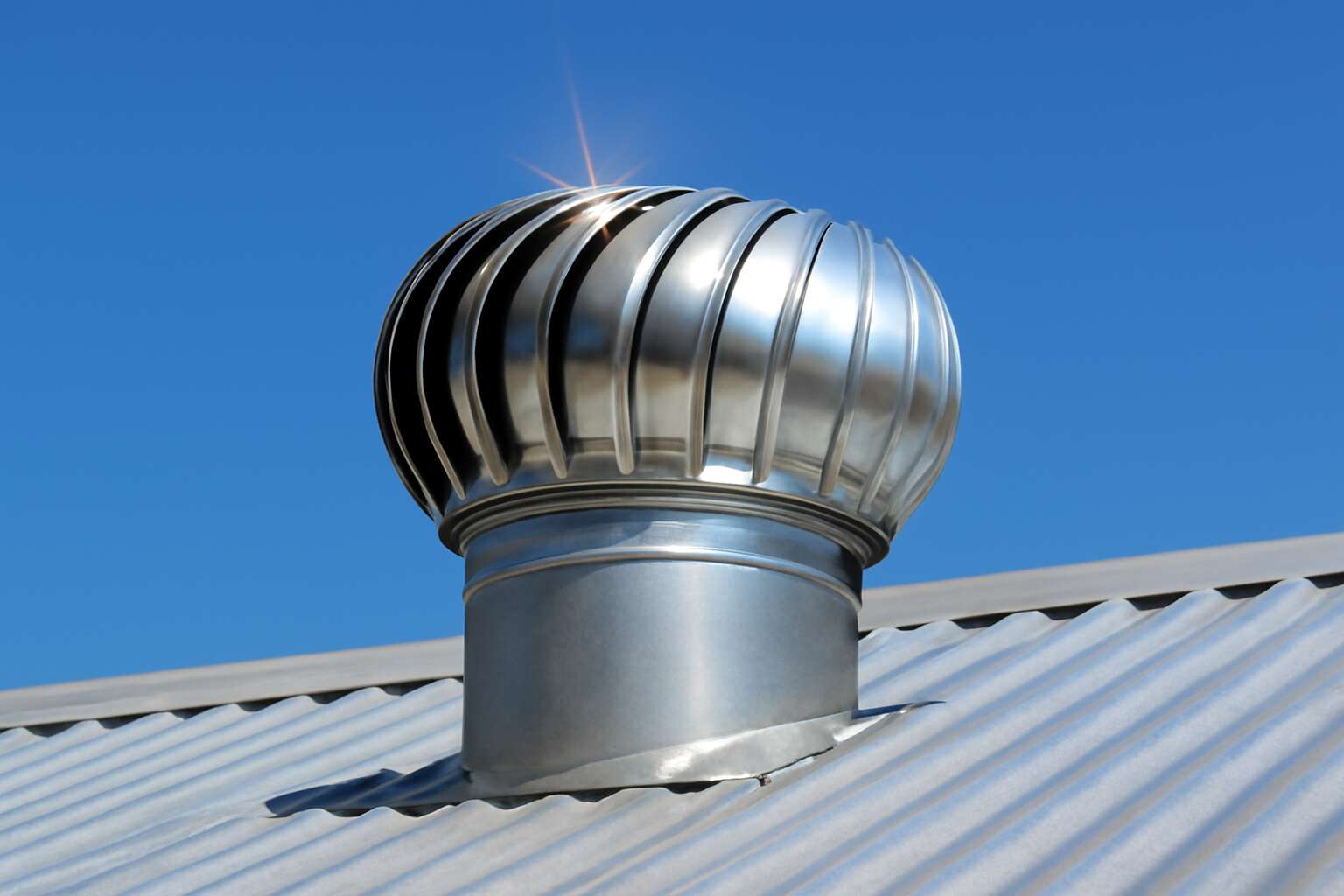
Whirlybird Vent Fundamentals for Metal Roofing
What is a Whirlybird Vent?
Metal roofs in South Africa drink in heat, and attic air can rise like a fevered dawn. The whir and whisper of a vent can calm that storm, turning stuffy into breathable space. The whirlybird roof vent on metal roof is a simple, dependable escape hatch: it spins with the wind, drawing hot air out and letting cooler air in. Its unassuming presence hides a fierce purpose: to balance moisture and temperature without ever flicking a switch.
- Efficient airflow without energy
- Durable, rust-resistant materials
- Low maintenance in coastal and inland SA climates
Placed with care, it becomes a quiet sentinel over the ridge, part of the roof’s aging story rather than its foe. I hear the attic sigh less when the wind rises, and the house feels steadier under the SA sun.
Why metal roofs need attic ventilation
In South Africa’s sun-burnished suburbs, heat inside metal roofs can feel relentless. The whirlybird roof vent on metal roof is a wind-driven ally, not a gimmick. It spins with the breeze, expelling hot air and inviting cooler air to drift in, restoring balance to the attic’s mood.
Fundamentally, rooftop ventilation is a quiet regulator that reduces moisture buildup and stabilises temperatures under SA skies. On a windy day, the vent becomes a sentinel on the ridge, moving air without power and letting the roof age gracefully rather than rumble with excess heat.
- Ridge placement for optimal air draw
- Material compatibility and rust resistance
- Clear pathways from soffits to ridge
- Low-maintenance design suited to SA climates
Common configurations and styles
South Africa’s roofs meet the sun with stubborn grace! A whirlybird roof vent on metal roof can shave heat from the attic without a drop of power, spinning with the breeze as if it remembers the season’s rhythm. It’s not a gimmick—it’s a simple, practical breath for homes, a quiet ally that helps the house breathe when the day scorches and the corrugated steel gleams with light.
Common configurations and styles follow the rhythm of the peak. From ridge-centred singles to wider stacks, they are designed to draw hot air up and out while inviting a cooler current to drift in.
- Ridge-centred single units for compact peaks
- Double-stack designs to boost air draw on long ridges
- Low-profile, rust-resistant finishes suited to SA climates
Look for configurations that respect soffit pathways and the house’s silhouette; the right choice sits quietly on the ridge, a companion to weathered zinc and painted steel alike. It’s the kind of detail that ages well with the land, turning the daily glare into a softer, steadier glow. In our towns and fields, the whirlybird roof vent on metal roof stands as a quiet companion through seasons.
Sizing, Placement, and Compatibility
Vent sizing considerations for metal roofs
Ventilation isn’t an afterthought; it’s the weather whisperer that keeps a metal roof from singing in heat. In SA roofs, heat climbs fast, and sizing matters more than looks. When done right, comfort arrives quietly, as the attic breathes easy!
Placement is where the plan meets the sky. For SA roofs, a whirlybird roof vent on metal roof channels air from the eaves to the ridge with the wind in mind. Consider:
- Ridge length and attic volume
- Insulation and ceiling openings
- Vent proximity and weather exposure
- Roof pitch and panel type
Compatibility ties the system together. In my experience, not all vents fit every metal roof profile—standing seam vs. corrugated matters. Look for flashing compatibility, corrosion resistance, and warranty alignment; these guard against leaks and rattles as seasons turn.
Optimal placement on corrugated and standing seam panels
Size isn’t vanity; it’s what keeps a SA summer from turning the attic into an oven. For metal roofs, vent capacity should match ridge length and attic volume, not curb appeal. Insulation and ceiling openings steer air flow just as surely as the breeze.
Placement is where the plan meets the sky. On corrugated panels, optimal placement nudges air from the eaves toward the ridge with the wind in mind. Standing-seam roofs demand careful alignment with flashing; proximity to weather exposure and roof pitch shape how air travels—it’s not magic, just physics with a hat!
Compatibility ties the system to your profile. Not every vent fits every metal roof—standing seam versus corrugated matters. Look for flashing compatibility, corrosion resistance, and warranty alignment; these guard against leaks and rattles as the seasons turn. The best fit is a whirlybird roof vent on metal roof that matches your panel profile and warranty.
Compatibility with underlayment and insulation
Heat climbs like a brass refrain; in SA homes, a well-sized vent trims cooling costs. Sizing ties breath to space, the whirlybird roof vent on metal roof must mirror attic volume and ridge length, not vanity. In South Africa’s sun-warmed homes, airflow scales with the space it serves, and with the insulation it guards.
- attic volume
- ridge length
- insulation level
Placement is where plan meets sky, and I hear the wind writing the sketch. On metal roofs, the breeze favors eaves to ridge flow, guided by wind and panel profile; near flashing, alignment matters. It’s not miracles—it’s physics wearing a hat of weather and purpose!
Compatibility with underlayment and insulation matters: a vent must sit with the layers beneath, resist corrosion, and respect warranties. A whirlybird roof vent on metal roof that harmonizes with your panel profile quiets leaks and rattles as the seasons turn.
Code and standards for roof vents on metal
Breath is the quiet architect of a cool home. Studies show that proper attic ventilation can reduce cooling costs by up to 15%. Sizing isn’t vanity; it’s physics dressed in paint. A whirlybird roof vent on metal roof must be sized to mirror attic volume and ridge length, not the ceiling’s bravado. In South Africa’s sun, proper sizing trims cooling costs.
Placement is where plan meets sky, and the wind writes the outline. On metal roofs, the breeze tends to move from eave to ridge, shaped by panel profile and flashing. Consider these flow basics:
Compatibility with code and standards matters: choose vents with corrosion resistance, compatible with underlayment and insulation, and compliant with local building regulations and warranties. A well-integrated vent reduces stress when storms roll in and seasons turn.
Impact on attic airflow and energy efficiency
Size isn’t vanity; it’s physics dressed in paint. A properly sized whirlybird roof vent on metal roof mirrors attic volume and ridge length, not the ceiling’s bravado. In practice, when the attic breathes freely, cooling loads ease and energy bills stay calmer through South Africa’s sun.
Placement is where plan meets sky, and the wind writes the outline. On metal roofs, breezes travel from eave to ridge, shaped by panel profile and flashing. A thoughtful layout keeps hot pockets from forming and lets fresh air sweep through the attic.
- Wind direction and ridge length
- Panel profile compatibility
- Flashing and sealing integrity
Compatibility matters: choose vents with corrosion resistance, compatible with underlayment and insulation, and compliant with local regulations and warranties. A well-integrated vent lowers storm stress and improves year-round comfort. That extra note keeps a whirlybird roof vent on metal roof performing at its best.
Installation, Durability, and Practical Tips
Preparation and safety steps for installation
Heat climbs fast on metal roofs, and South Africa’s sunny afternoons push attic temps up by 15–20°C. A vent designed for metal roofs fits neatly with corrugated or standing-seam panels, keeping air moving without marring the look. Location should respect panel geometry to maintain a tight seal and balanced ventilation; rely on manufacturer guidelines and local codes for reliability.
Durability on a metal roof means wind resistance, UV tolerance, and corrosion protection. The vent should use corrosion-resistant materials and seals that stay flexible in heat. When chosen well, it protects the attic from heat buildup while preserving roof integrity for years.
Preparation and safety steps for installation focus on planning and professional coordination, not do-it-yourself steps. Check compatibility with your panel type, and consider whirlybird roof vent on metal roof to balance airflow; review warranty terms and local regulations before proceeding.
Step-by-step overview of the install process
Installation on a metal roof is a choreography, not a sprint. The whirlybird roof vent on metal roof must be coordinated with the broader flashing plan, installed by a qualified crew, and checked for panel alignment before any sealant goes down. When all parts align, airflow improves without marring the roof’s clean lines.
Durability on South African roofs means standing up to wind, intense sun, and seasonal salt in coastal towns. Choose corrosion-resistant housings and seals that stay pliable in heat, so the vent continues to perform without rattling or leaking, year after year.
Practical Tips: A high-level, professional overview of the install process
- Engage a licensed roofer to verify compatibility with the metal panel system and confirm warranty terms.
- Schedule work within a dry, wind-stable window and coordinate with the building team to ensure safe access and proper sealing practices.
- Have the crew fit the vent with the correct flashing, sealants, and fasteners, followed by a thorough inspection of airtightness and airflow balance.
Flashing and sealant considerations on metal surfaces
Across South Africa’s sun-drenched roofs, proper attic ventilation can trim cooling costs by up to 15% in hot seasons. A well-integrated vent isn’t just a feature—it’s a rhythm that protects the roofscape.
Installation on a metal roof is a choreography; the whirlybird roof vent on metal roof must align with the broader flashing plan, be installed by a qualified crew, and be checked for panel alignment before sealant. When aligned, airflow improves without marring the roof’s clean lines.
Durability on South African roofs means standing up to wind, intense sun, and seasonal salt in coastal towns. Choose corrosion-resistant housings and seals that stay pliable in heat, so the vent continues to perform without rattling or leaking, year after year.
Practical Tips: A high-level, professional overview of the install process
- Flashing choices matched to metal panel types (standing seam, corrugated)
- Sealants that stay flexible under heat and salt spray
- Corrosion-resistant housings to minimize rattling and leaks
Preventing corrosion and leaks over time
Installation of a whirlybird roof vent on metal roof is more than bolting on a cap; it’s a careful balance of weight, seal, and airflow. A properly installed unit respects the flashing plan and panel geometry, sitting true and quiet rather than bulging at the seams.
Durability on South African roofs means braving coastal salt and fierce afternoon sun. Opt for corrosion-resistant housings and seals that stay pliable in heat, so the vent remains steady and leak-free after years of wind and sun.
Practical considerations: Preventing corrosion and leaks over time require thoughtful material choices and long‑lasting sealants.
- Corrosion-resistant housings and coatings designed for coastal spray
- Sealants that stay flexible under heat and salt spray
- Panel-type compatibility (standing seam vs corrugated) to minimize stress and rattling
Tools, materials, and common installer mistakes
Installation is a careful ritual rather than a careless bolt-on. A properly installed whirlybird roof vent on metal roof sits true and quiet, aligned with the flashing plan and panel geometry, so the wind does not sing of misfits and leaks at the seams. It follows the roof’s rhythm, a patient sentinel rather than a protruding eyesore.
Durability on South African roofs means braving coastal salt and fierce afternoon sun. Choose corrosion-resistant housings and seals that stay pliable in heat, so the vent endures years of wind and glare without creeping leaks.
Practical tips: Tools, materials, and common installer mistakes.
- Tools and materials: corrosion-resistant housing, heat-flex sealant, flashing kit compatible with standing seam or corrugated panels, and stainless fasteners.
- Common installer mistakes: ignoring panel type, over-tightening, skipping surface cleaning, or using the wrong sealant.
- Best checks: verify flashing seating, perform a light water test, and listen for any wobble in gusty conditions.
Maintenance, Cost, and Alternatives
Maintenance checklist for long-term performance
Maintenance keeps the whirlybird roof vent on metal roof performing its wind-driven duty. Regular checks of screws and flashing, debris removal, and a rotation test protect attic air and curb corrosion. Inspect the weather seal at panel joints and watch for signs of moisture or hail wear.
- Assessment of fasteners and flashing condition
- Evaluation of debris accumulation at the opening
- Observation of rotation behavior and sealant condition after weather events
Cost wise, upfront purchase and professional installation are the main outlay; ongoing upkeep remains modest. Regular maintenance reduces the risk of leaks and hot spots, boosting energy efficiency year after year.
Alternatives for attic ventilation on metal roofs include ridge vents and passive louvers; choosing the right mix depends on climate, roof form, and insulation strategy.
Cost breakdown: upfront vs long-term savings
On a night-silent South African roof, I watch the whirlybird roof vent on metal roof stand as a patient guardian, coaxing heat to drift away with the wind. Maintenance keeps this wind-driven sentinel performing. Regular checks of screws and flashing, clearing debris from the opening, and a rotation test after storms guard attic air and curb corrosion. Inspect the weather seal at panel joints and watch for signs of moisture or hail wear—the shadows that invite leaks and rotting rafters.
Cost wise, upfront purchase and professional installation are the main outlay; ongoing upkeep remains modest. From my experience, the whirlybird roof vent on metal roof pays long-term dividends by reducing leaks and boosting energy efficiency year after year.
- Upfront: unit price and installation
- Long-term: maintenance, sealant touch-ups, and occasional flashing checks
- Energy savings: cooler summers and steadier attic temperatures
Alternatives for attic ventilation on metal roofs include ridge vents and passive louvers; the right mix depends on climate, roof form, and insulation strategy. In South Africa’s varied weather, a thoughtful combination often yields balance—letting air flow through the ridge while shutters hold storms at bay, and preserving the life of the metal roof.
Comparing whirlybird vents to other venting options for metal roofs
Maintenance is the quiet insurance policy that keeps the whirlybird roof vent on metal roof from turning into a rusting relic. Wind and weather are mischievous allies, so I keep an eye on seal integrity and clear debris, especially after storms. A little upkeep preserves attic airflow and fends off corrosion.
Cost wise, the upfront price covers the unit and professional fitting, with ongoing upkeep remaining modest. In my experience, these vents deliver long-term dividends by cutting leaks and smoothing attic temperature swings, translating into cooler summers and steadier energy bills.
Alternatives for attic ventilation on metal roofs include ridge vents and passive louvers; the right mix depends on climate, roof form, and insulation strategy. In South Africa’s varied weather, a thoughtful combination often yields balance—letting air flow through the ridge while shutters keep storms at bay, preserving the life of the metal roof. A whirlybird roof vent on metal roof can complement these options when placed thoughtfully, balancing airflow with weather protection.
- Ridge vents
- Passive louvers
- Turbine vents
Warranty, durability expectations, and service life
Maintenance acts as a quiet policy that keeps the system from rusting into a relic. Careful attention to seals and the mechanism’s temperament after storms preserves attic airflow and shields metal from corrosion. In South Africa’s varied climate, regular upkeep is a modest investment that pays dividends in lasting performance.
On cost, the upfront investment covers the unit and professional installation, with ongoing upkeep remaining modest. In practice, the relief from leaks and steadier attic temperatures translate to calmer energy bills over time. A whirlybird roof vent on metal roof sits as a compact, reliable ally when storms roll in.
Alternatives, warranties, and durability expectations shape the service life. Ridge vents, passive louvers, and turbine options can balance airflow with weather protection, especially in SA’s climate. Look for warranties that cover seals and parts; with proper installation, service life often exceeds a decade of reliable performance.
Retrofitting and upgrading considerations
Maintenance is the quiet steward of longevity. Regular checks on seals and the turbine’s temperament after storms protect attic airflow and shield metal from early rust. In South Africa’s varied climate, disciplined upkeep remains a modest investment that yields enduring performance, especially for a whirlybird roof vent on metal roof.
Cost-wise, the initial outlay covers the unit and professional installation, while ongoing care stays affordable. The payoff appears as fewer leaks and steadier attic temperatures, which translate into more predictable energy bills over time.
Alternatives and retrofit considerations offer flexibility: ridge vents, passive louvers, and turbine options can balance airflow with weather protection in SA. When upgrading, look at warranties, compatibility with metal panels, and the potential for a longer service life with proper sealing and secure mounting.

0 Comments