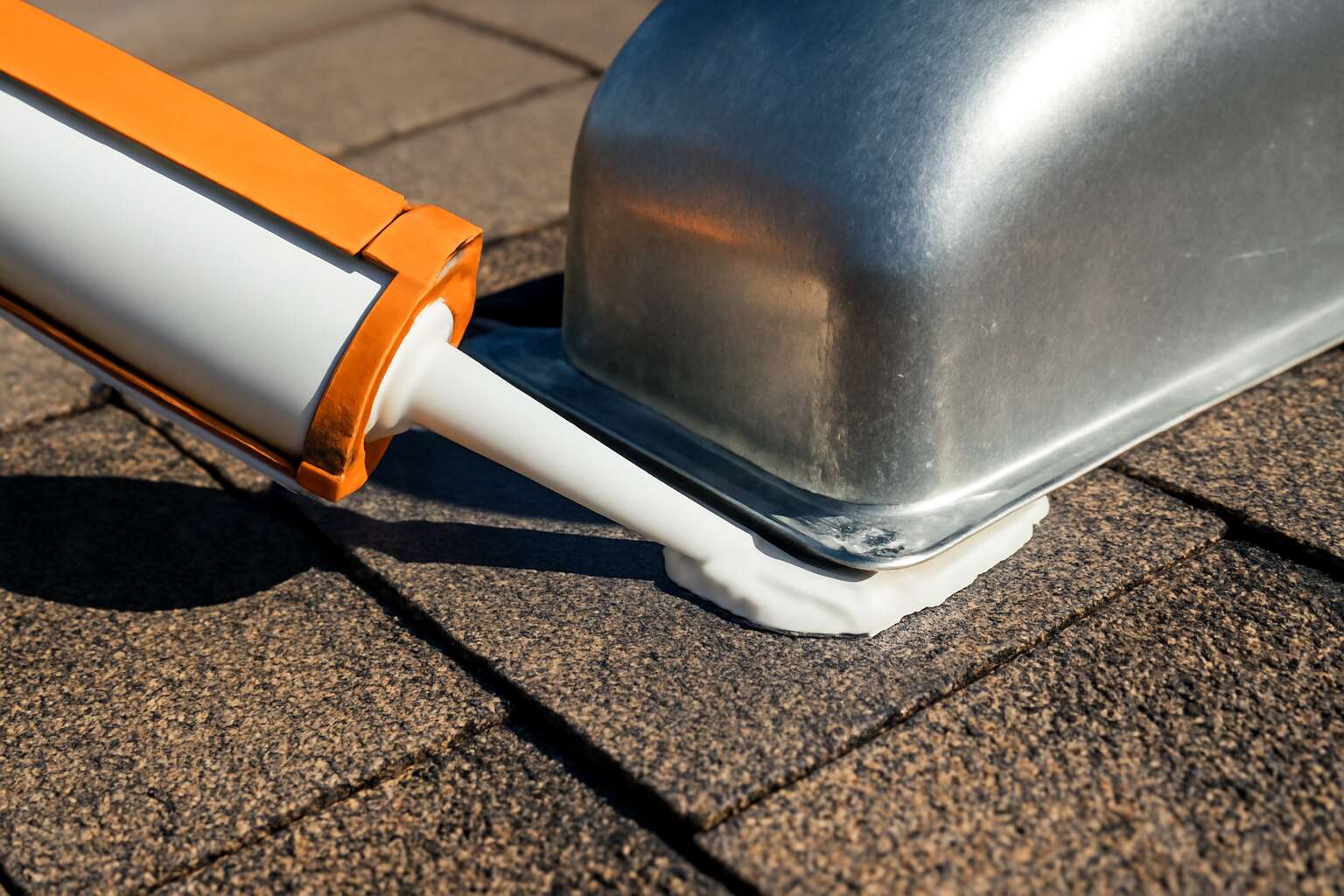
Comprehensive Guide to Roof Vents and Sealants
Understanding Roof Vents
From the shadowed eaves to the last ember of dusk, this Comprehensive Guide to Roof Vents and Sealants opens a doorway into weather-watched roofs. A single, faithful roof vent sealant can stand against rain and wind, a quiet guardian for South Africa’s varied skies. The seal we choose is more than material; it is a promise of durability and a wary lull against creeping damp.
Understanding vents means reading the roof’s heartbeat: turbines that whisper, static intakes that hold their breath, and proper flashing that refuses to betray a roof’s hidden edges! South Africa’s storms test their resolve, and the right choices endure.
Sealant Types for Roof Vents
Storms sweeping South Africa are not shy; 40% of damp roof problems trace to worn seals after five years. In this Comprehensive Guide to Roof Vents and Sealants, the quiet guardian—the roof vent sealant—keeps rain from slipping into the attic.
Sealant Types for Roof Vents means more than material choice; it’s about wind load, sun, and the roof’s thermal rhythm. A well-chosen roof vent sealant adapts, seals, and breathes with the vent’s metal and flashing, sparing you drama of creeping damp in SA’s varied skies.
Sealant types for roof vents include a few reliable families:
- Silicone-based sealants
- Polyurethane sealants
- Butyl rubber sealants
- Acrylic sealants
Choosing the right roof vent sealant isn’t purely technical; it’s a promise to a quieter, drier loft and a longer roof life under SA’s sun and storms. The right blend of durability, flexibility, and UV resistance makes all the difference.
Choosing and Buying Sealant
Across South Africa, storm-season dampness climbs by as much as 35% when vent seals wear and let moisture slip into the attic. The sealant you choose is less a cosmetic glaze and more a shield that breathes with the metals and flashing it bonds to. This Comprehensive Guide to Roof Vents and Sealants explores how to pick a partner for your roof—one that endures heat, rain, and heat again without cracking!
To navigate the buying fog, look for a product that blends durability, flexibility, and UV resistance. It should adhere well to common vent materials and stay effective across SA’s temperature swing. Here are key considerations:
- Adhesion to vent metals and flashing
- Elasticity that tolerates thermal movement
- UV and weather resistance for harsh sun
- Cure time and compatibility with existing sealants
Choosing the right roof vent sealant means peace of mind in a dry loft and a long-lived roof. The right formula locks out dampness and keeps the attic comfortable year-round in South Africa’s varied skies.
Installation and Maintenance of Roof Vent Seals
Storm-season dampness in South Africa can climb by 35% when vent seals fail, turning lofts into damp diaries. I’ve seen how the roof vent sealant you choose acts as a shield that breathes with the metals and flashing it bonds to, guarding against heat, rain, and relentless sun! This Comprehensive Guide to Roof Vents and Sealants invites you to see maintenance as a quiet promise to your roof.
Key qualities to consider in a durable sealant include:
- Adhesion to vent metals and flashing for a lasting seal
- Elasticity that tolerates thermal movement without cracking
- UV and weather resistance to survive South Africa’s harsh sun
- Compatible cure times with existing sealants and substrates
Maintenance becomes a patient ritual—a quiet watch over the loft’s dry calm and the roof’s long vigil. A good roof vent sealant protects the roof’s most exposed seams.


0 Comments