
Understanding Common Roof Vent Problems
Signs Your Roof Vent Isn’t Functioning Properly
Across South Africa, a roof vent not working can turn a bright attic into a stifling memory. Recent energy studies show up to 30% of indoor humidity issues trace back to faulty ventilation, quietly inflating cooling costs and dampening comfort. Small vents guard homes from heat, pests, and rot.
- Excess attic heat that never seems to dissipate
- Condensation or damp patches on rafters and insulation
- Unusual attic smells or mold growth
- Noisy or unresponsive vent when winds shift
Beyond the symptoms, the causes range from blocked intake to damaged seals, improper installation, or attic pressure from coastal winds. Understanding these signs helps homeowners imagine their roof’s hidden health and maintain comfort under the South African sun.
Why Attic and Roof Vents Matter for Comfort and Energy Efficiency
Across South Africa, studies link up to 30% of indoor humidity issues to faulty ventilation. That makes a roof vent not working a climate control fault hiding in the attic, quietly inflating cooling costs and dampening comfort when the sun is relentless!
Good attic ventilation matters for comfort and energy efficiency, guiding heat out and moisture down. A well-balanced system preserves insulation and lowers peak cooling demand. Ask how placement, seal integrity, and wind pressure affect performance:
- Vent sizing
- Seals and penetrations
- Coastal wind effects
In South Africa’s climate, proper venting means fewer hot spots and less damp in corners. A failed vent in such a setting undercuts this balance and quietly raises bills.
Typical Causes of Vent Blockage or Failure
In the quiet crawl of an attic, a roof vent not working can be the sleeper agent of comfort—quietly letting heat accumulate and humidity linger as the sun pushes its relentless arc. Understanding common roof vent problems reveals how blockages and wear steal ventilation’s quiet perfection.
Typical causes include:
- Debris, nests, and lint clogging the opening
- Worn seals and penetrations allowing damp air to bypass the vent
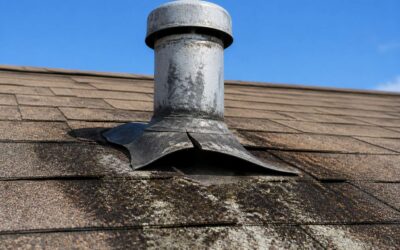
- Aging housings, rust, or damaged louvers that misdirect airflow
Coastal wind effects and temperature swings complicate vent performance, often pressing against seals and creating backdrafts when installations are imperfect.
Recognizing these patterns helps maintain comfort and energy balance across South Africa’s climate, even when the attic feels like a quiet furnace in summer.
Effects on Humidity and Comfort from a Misfunctioning Vent
South Africa’s inland sun hammers roofs with a patient fury; when the roof vent not working, the attic becomes a slow-burning chamber. Heat lingers like smoke in a quiet room, and humidity settles over lumber and plaster, dampening every sense of comfort. Understanding how a malfunctioning vent shapes moisture helps us read the attic’s mood—especially when coastal gusts press seals and inland temperature swings challenge the old architecture.
The effects arrive not as alarms but as whispering discomfort:
- Rising humidity that dampens walls and ceilings
- Condensation on rafters and hidden mold risk
- Air that feels heavier while cooling systems labor
In such hush, ventilation becomes the unseen mediator of humidity and comfort.
Diagnostics and Safety for Ventilation Systems
Safety First: Shutting Down Power and Safe Roof Inspection
Roofline mysteries hide in plain sight. A roof vent not working lets heat and humidity creep indoors, quietly lowering comfort and bumping energy bills. In South Africa, even minor vent faults ripple through homes, turning calm spaces into stuffy rooms.
Diagnostics and Safety for Ventilation Systems demand careful steps. Safety First: Shutting Down Power and Safe Roof Inspection set the tone for safe evaluation. Before touching anything, switch off the main power and verify the circuit is dead.
If the roof vent not working is suspected, a careful visual scan may reveal loose seals, corrosion, or debris blocking air paths. Signs of nesting or damaged flashing can point toward broader issues, leaving the next move to a careful professional assessment.
Inspecting External Vents for Obstructions
Heat clings to the roof like a stubborn rumor, and a roof vent not working becomes the whisper that travels from sunlit eaves into cooler rooms. Diagnostics begin with a patient eye on the exterior sentinel, where airflow should meet the breeze and the breath of a home. In South Africa’s diverse climates, the cost of a silent vent ripples into comfort and the ledger alike.
From the outside, certain signs reveal themselves to the patient observer:
- Accumulated debris and leaves obstructing the vent opening
- Bird nests or animal debris nesting in louvers
- Corrosion or damaged flashing that could corrode airflow
When these external clues appear, a professional assessment preserves roof integrity and indoor air balance, ensuring the home’s rhythm continues unbroken through seasons and city heat.
Testing Vent Operation with Simple Tools
When a roof vent not working, the heat in a South African attic can surge, turning a quiet afternoon into an energy bill shock. Diagnostics in this field prioritise calm, methodical checks that respect safety and structure while the home breathes on hot days.
Using simple tools, technicians focus on non-invasive cues that reveal airflow and system state.
- Visual cues from inside and outside the vent
- Basic airflow indicators such as tissue or smoke tests
- Notes on noise, vibration, and control responses
In South Africa’s diverse climate, a professional assessment preserves roof integrity and indoor balance, keeping comfort steady as seasons shift.
Using Thermal Imaging or Smoke Tests to Locate Leaks or Blockages
In South Africa, scorching afternoons turn attics into heat engines, and studies show up to 30% of cooling energy is wasted through hidden gaps in the roof. Diagnostics rely on calm, methodical tools: thermal imaging to read heat signatures and smoke tests to visualize air movement. Together, they illuminate how a ventilation system breathes on the hottest days, revealing differences between expectation and reality.
When a roof vent not working, these techniques locate the culprit without risky climbs or invasive measures.
- Thermal imaging highlights hotspots and cold pockets around duct joints and the vent collar.
- Smoke tests show airflow paths and leaks as visible trails without moving parts.
- Noticeable changes in sound, vibration, or pressure corroborate the imaging and smoke findings.
With safety at the fore, technicians respect the roof’s structure and the home’s comfort, guiding decisions as seasons shift across South Africa.
Common Causes and Practical Fixes
Clogged Vents and Debris Removal
On a sunlit South African roof, a simple breath of air becomes a stubborn puzzle. When a roof vent not working, the attic sighs with heat and humidity, and the home struggles to shed excess moisture. Airflow wavers, comfort fades, and energy efficiency slips away.
Common causes center on clogged vents and debris buildup. Leaves, dust, and pine needles can accumulate at the opening; birds may nest or webs form; wind-blown detritus nearby traps moisture and muffles the vent’s voice.
- Leaves, dust, pine needles clog the vent
- Bird nests or webs restrict airflow
- Nearby debris like mulch traps moisture
Practical fixes center on debris removal and restoring airflow. A professional assessment can verify seals, flashing, and duct connections, plus routine checks that keep SA homes comfortable through changing seasons. If the roof vent not working persists, seek expert evaluation.
Damaged Ducts, Dampers, and Seals
Roof vent not working turns a sunlit attic into a pressure cooker, and moisture clings like a stubborn fog. The culprits are damaged ducts, dampers, and seals—air mischief makers that allow leaks or choke airflow. Damaged ducts sag or crack, dampers seize or drift from their alignment, and seals around joints wear thin, inviting humid breath to seep into the living spaces.
- Damaged ducts can lose shape and leak precious air.
- Dampers may jam or misalign, throttling airflow.
- Joints and seals degrade, inviting leaks and moisture intrusion.
Practical fixes drift into the realm of professionals: a thorough assessment of duct integrity, replacement of worn components, and resealing joints to restore airflow’s rhythm. The aim is steady, quiet ventilation that supports comfort and energy efficiency. If this issue persists, seek expert evaluation.
Vent Cap and Louver Malfunctions
Vent caps and louvers do more than keep rain out; they regulate the attic’s breath, even on South Africa’s sun-baked roofs. When the cap is cracked, warped, or clogged with leaves and nests, the flow of air goes awry. The louver blades can seize, sag, or misalign after hail or years of sun. Debris and corrosion around the mounting point invite moisture and quiet, persistent leaks. If the roof vent not working, it’s often not a single loose part but a small chorus of wear working against it.
- Bent or corroded vent cap
- Jammed or stiff louvers
- Loose or degraded mounting seals
Professional assessment brings a patient, precise eye—identifying whether the cap or louvers are at fault and whether the mounting seals show wear. The aim remains a reliable attic ventilation that stays quiet through seasons and protects energy efficiency.
Improper Roof Pitch or Installation Errors
In SA’s sun-scorched air, a quiet verdict sits above our heads: the attic’s breath should be steady, not ragged. A veteran roofer once murmured, “If the vent breathes wrong, the whole house shivers.” When the roof vent not working, heat clings to the rafters and damp shadows creep in. Improper roof pitch or installation can miscast even the simplest vent as a reluctant guardian.
A few common culprits include:
- Incorrect pitch or orientation
- Faulty flashing or sealants
- Vent mismatch for attic volume
Consult a professional to revalidate roof geometry and vent compatibility. The right alignment restores quiet airflow and energy efficiency across seasons in South Africa’s climates.
Repair, Replacement, and Maintenance Options
DIY Fixes for Minor Blockages and Sealing Gaps
When a roof vent not working, the attic betrays itself with stuffy air and lingering heat. In South Africa, small, overlooked issues block airflow long before a dramatic failure. With practical DIY fixes, you can restore breathability and curb energy waste without a full replacement.
DIY fixes for minor blockages and sealing gaps center on measured repair and thoughtful replacement. Identify where airflow is impeded and consider resealing joints; if a damper or cap shows wear, replacing the component can restore consistent venting without tearing down the roof.
Maintenance and sealing gaps prevent recurrence. Regular checks keep exterior vents clear and flashing intact.
When to Replace a Roof Vent or Damper
Repair options can salvage a balky system. When a roof vent not working, the culprit is often a simple seal or damper issue, not a catastrophe in the making. Targeted repairs can restore breathability without a full roof overhaul.
Key options include:
- Repair: dampers and seals to restore airflow
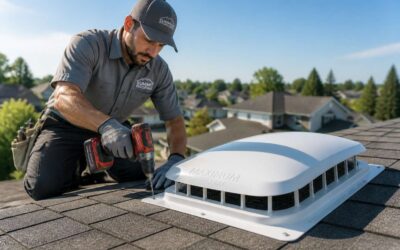
- Replacement: worn caps or dampers for reliable venting
- Maintenance: routine exterior vent checks to prevent recurrence in dusty SA climates
Replacement and maintenance: When to replace a roof vent or damper is a nuanced call; if weathered or warped, replacement helps maintain airflow. Ongoing maintenance—regular exterior vent checks and flashing integrity—prevents recurrence and preserves comfort and energy efficiency in South African homes.
Choosing the Right Vent Type and Materials
A stubborn roof vent not working can quietly drain comfort from a home and spike cooling costs. When simple seal and damper fixes are possible, a quick repair often restores airflow without a full roof overhaul. Dust buildup, warped components, or a jammed damper are common culprits that respond to targeted, non-invasive fixes rather than replacements.
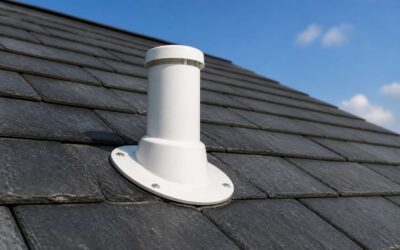
Replacement becomes sensible when seals crack, caps corrode, or dampers lose their mechanics. If the roof vent not working after repairs, replacement offers reliability. Choosing the right vent type and materials matters in South Africa’s variable climate. Aluminium or stainless steel vents resist corrosion and UV wear, while polymers offer lighter options for less exposed installations.
Maintenance keeps this system breathing easy. In dusty SA environments, regular exterior vent checks, debris removal, and flashing integrity help prevent recurrence and preserve energy efficiency. A simple cadence can extend life and maintain comfort without costly surprises.
Maintenance Schedule to Prevent Recurrence
Repairing a roof vent not working is often a matter of surgical, non-invasive fixes rather than a full roof overhaul. In SA homes, dust, warped components, and jammed dampers respond to targeted maintenance that restores airflow without upheaval.
- Clear exterior and interior debris
- Re-seal cracked joints or gaskets
- Lubricate dampers and hinges per manufacturer guidance
Replacement options come into play when repairs prove unreliable. Seals, caps, and dampers may finally fail; choose materials that resist SA weather—aluminium or stainless steel for longevity, polymers for lighter applications in less exposed locations.
Maintenance is simply a rhythm: quarterly exterior checks, seasonal debris sweeps, and an annual professional assessment to prevent recurrence. This cadence keeps the system breathing clean and cost-efficient.
- Quarterly exterior checks
- Semiannual debris review and seal inspection
- Annual professional performance assessment
Hiring a Professional: What to Expect and How to Prepare
Ventilation is the quiet heartbeat of a home, and when the roof vent not working, heat clings where it shouldn’t and moisture writes its own stubborn story. We approach repair as a refined craft—clean, targeted, and designed to preserve the roof’s integrity.
When repairs prove unreliable, replacement options come into play. Seals, caps, and dampers may finally fail; choose materials that resist SA weather—aluminium or stainless steel for longevity, polymers for lighter applications in less exposed locations.
Maintenance is a rhythm, not a ransom note on your roof. A professional assessment brings clarity: we test performance, recalibrate dampers, and seal gaps to prevent recurrence. Expect documentation, a tailored plan, and transparent timelines.
- System diagnostics and performance checks
- Seal, gasket, and damper inspection
- Lubrication guided by the manufacturer

0 Comments