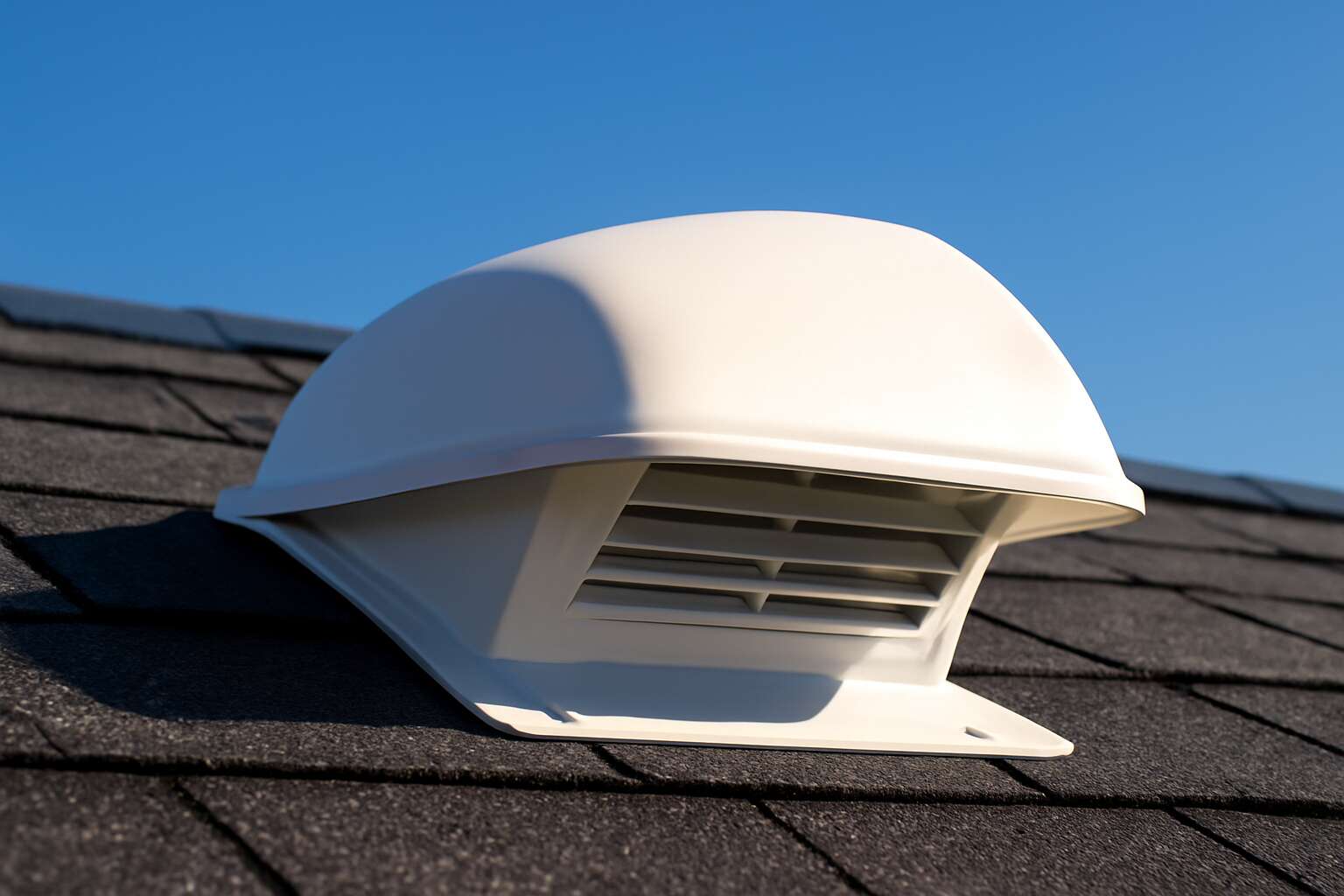
Understanding roof vent covers and their purpose
What is a roof vent cover
“Small but mighty,” a roof appears to the wind, guarded by a cover for roof vent, and the home breathes easier because of it. Across South Africa, these slim shields stop rain from waltzing into attic corners while letting warm air escape, keeping spaces drier and more comfortable inside. This is the first line of defense in roof health.
- Repels rain and pests from entering the vent
- Reduces debris buildup and blockages
- Supports energy efficiency by regulating ventilation
Understanding their purpose helps homeowners choose the right style—snug-fitting, weatherproof, and durable against SA’s sun and wind. A proper vent cover makes maintenance less frequent and the roof more resilient, a quiet guardian perched above the ridgeline.
How vent covers work
‘Small, but mighty,’ a cover for roof vent quietly guards the attic as the South African wind rattles tiles and rain drums on metal. It stands as a quiet sentinel, letting the home breathe while keeping the roof’s crown pristine.
These slim shields do more than keep rain out. They deter pests, block debris, and choreograph airflow so hot air escapes while dampness stays outside. A well-chosen cover for roof vent strikes a balance between protection and ventilation.
To spot the right fit, consider these features:
- snug fit around the vent opening
- weatherproof materials that resist SA sun
- easy maintenance and durable finish
Advantages of installing a vent cover
Behind every properly ventilated South African roof lies a quiet guardian: the cover for roof vent. It doesn’t shout when the wind rattles tiles or rain drums on metal; it works in the background, guiding airflow, fending off rain, and letting the attic breathe. Its purpose extends beyond rain protection—it’s a calibrated balance between shelter and ventilation.
- Deters pests and keeps debris out of the vent path
- Protects against sun-damaged interiors while preserving airflow
- Reduces attic heat buildup and improves cooling efficiency
Choosing the right cover for roof vent means thinking about fit, material, and maintenance—but the goal is reliability, not vanity. A SA-friendly design endures sun-worn days and dusty evenings, staying clean with minimal upkeep. When the vent is properly shielded, the home breathes more calmly and the roof crown stays pristine.
Common materials used for vent covers
In SA homes, attic heat can push cooling costs higher, with some estimates up to 15% in peak season. A cover for roof vent acts as a quiet guardian—guiding airflow, blocking rain and pests, and letting the attic breathe.
Understanding materials helps a lot. Common options include:
- Aluminium: light, durable, weather-resistant
- UV-stabilised plastic: affordable and versatile
- Galvanised steel: robust and long-lasting
Fit, sun resistance, and maintenance matter. A well-chosen cover for roof vent stays functional without fuss.
Choosing the right roof vent cover for your home
Sizing and compatibility with vent types
Choosing the right cover for roof vent starts with size and fit. A snug, purpose-built cover for roof vent keeps out rain while allowing airflow, and that balance matters for attic temperature and moisture control. For homes across South Africa, vent types vary from flat-plate intakes to round exhausts, and compatibility is key—one size does not fit all. Consider the opening diameter and whether the design sits over the lip or screws on for a clean finish.
Options to align with a vent’s geometry include:
- lip-over designs
- screw-on brackets
- round or square profiles
The right pick protects, preserves airflow, and adds a clean finish that lasts in sun and rain.
Material options and longevity
Sun and rain carve stories into every SA rooftop. A thoughtful cover for roof vent does more than block weather; it preserves airflow, guarding attic balance with quiet grace. In hot coastal regions, choosing a material that withstands our sun and salt is the first act of care I recommend. As one architect puts it, “the roof is the house’s quiet heartbeat.”
- Powder-coated aluminium for durability and light weight
- Marine-grade stainless steel for salt-prone climates
- UV-stabilised PVC or fibre-reinforced polymer for a budget-friendly, weatherproof option
- Galvanised steel with a corrosion-resistant finish
Material options that endure in South African sun and coastlines form the backbone of a lasting choice. Look for finishes with UV inhibitors and corrosion resistance, so the cover for roof vent remains elegant as it ages—an understated luxury that keeps the home comfortable and resilient.
Performance under different climates
Choosing the right roof vent cover for your home is a bit of an art, and South African rooftops aren’t just shelters; they’re weatherproof stage sets where sun and salt perform daily. A well-chosen cover for roof vent does more than hide hardware; it preserves airflow and attic balance under blistering summers and sea-breeze suspense. In coastal towns, the right guard against weather becomes a quiet, loyal ally—rugged enough to endure, polished enough to look at.
- UV stability to resist fading and brittleness
- Salt spray resilience for marine climates
- Lightweight handling with solid durability
Finish choices can make the difference between a vent cover that lasts a season and one that ages like a fine wine. UV-stable, corrosion-resistant options keep the cover for roof vent elegant as it ages—an unseen guardian over Cape summers and Durban humidity alike.
Aesthetic considerations and color options
“Color is a language of shelter,” says a seasoned roofer, and a cover for roof vent speaks it fluently. In choosing a vent cover, aesthetic coordination with roof tile, fascia, and walls defines the home’s curb mood. Subtle hues prevent visual noise and help reflect harsh SA sun while staying elegant on Durban humidity days.
Consider finishes that resist fading and match the home’s palette. Here are some color directions to consider:
- Sand or oyster neutrals for traditional SA brick and plaster
- Charcoal or graphite for contemporary silhouettes
- Sea-foam or ivory for coastal schemes
A well-chosen cover for roof vent remains an architectural whisper rather than a loud ornament, elevating the home’s exterior without shouting.
Budget and value considerations
Budget is the quiet architect of curb appeal. A well-chosen cover can quietly deliver long-term gains—lower attic heat, steadier humidity, and fewer repairs. In Durban’s searing sun and humid days, every rand spent wisely on a vent cover buys resilience and elegance without shouting. A veteran roofer reminds me: ‘The right cover is a calm shield against the storm!’
Consider these budget pillars to guide value:
- Upfront cost versus long-term savings
- Installation complexity and compatibility
- Warranty, durability, and maintenance needs
In the end, value means protection that outlives the price tag, especially in SA’s climate. Choose a cover for roof vent that pairs with your roof’s palette and your home’s rhythm.
Installation and maintenance of vent covers
Prep work and safety measures
A rooftop truth: small gaps invite rain, pests, and damp pockets; a robust cover for roof vent acts as a quiet guardian against South Africa’s capricious weather. When installed with care, it keeps airflow steady and moisture out, preserving the roofline’s character and the attic’s breath.
Prep work and safety measures set the stage. Begin with a calm assessment of the vent and surrounding surface, then align a compatible cover for roof vent. In the SA context, choose UV-stable finishes and corrosion-resistant hardware to weather the coastal winds and inland sun.
- Vent compatibility
- Weatherproof seal
- Safe access design
Maintenance unfolds as a quiet routine: periodic checks for signs of wear, gentle cleaning to preserve finish, and reassurance that fasteners stay snug. When the cover for roof vent is cared for, it continues to perform in SA’s varied climate, year after year.
Step by step installation for common vents
In SA’s capricious climate, the roofline is a quiet sentinel. One in three South African homes battles moisture from unprotected vents—a price paid in damp pockets and rising energy bills. A well-chosen cover for roof vent acts as a quiet guardian, letting airflow breathe while keeping rain at bay and pests out, preserving the attic’s breath and the roof’s character!
Installation is a ritual of fit and faith, a precise sequence for common vents.
- Assess the vent: diameter, flange, and existing stainless hardware.
- Choose a compatible cover for roof vent with UV-stable finishes to weather SA’s coastal winds and inland sun.
- Position, align the gasket, and prep a clean mounting surface.
- Secure with corrosion-resistant screws and snug them without overtightening.
Maintenance unfolds as a quiet routine: periodic checks for wear, gentle cleaning to preserve finish, and snug fasteners. In SA’s varied climate, this protective cover continues to perform year after year.
Sealing and weatherproofing tips
In South Africa’s capricious climate, the roofline is a quiet sentinel. A cover for roof vent stands as a silent guardian, letting the breeze breathe while rain and pests are kept at bay. The right choice keeps attic air fresh and the roof’s character intact.
Sealing and weatherproofing emerge as the art of restraint: choose a vent cover with UV-stable finishes to endure coastal winds and inland sun. Check that the gasket remains intact and the flange seats snugly against the surface; durable stainless or galvanised hardware preserves the seal against corrosion.
Maintenance unfolds as a quiet ritual: periodic checks reveal wear before it becomes a problem; the finish endures the years, and the cover continues to perform year after year.
Cleaning and preventive maintenance
Installation and maintenance of vent covers are treated as a quiet rite that keeps the roofline singing through SA’s changing weather. When fitting a cover for roof vent, align the flange, snug the screws, and verify the gasket’s seat. The right fit staves dampness and curbs pests, while a tidy silhouette preserves the roof’s character.
Maintenance unfolds as a seasonal vigil: clear leaves, nests, and debris that tether airflow. Clean the shield with a soft brush and mild soap; inspect hardware for corrosion, and replace any UV-damaged seals. Consider a quick annual re-seal where needed, to keep protection airtight.
- Bi-monthly visual checks for wear
- Annual seal and hardware inspection
- Prompt replacement of damaged components
With each season, the cover for roof vent stands guard, preserving airflow and attic air quality.
Troubleshooting common issues
Across South Africa, a misfit lid on a roof vent can quietly invite damp and pests. A well-chosen cover for roof vent acts like a silent sentinel; ‘Protection is quieter than any alarm,’ a veteran roofer says, and the seasons prove the point when wind and rain arrive.
Troubleshooting common issues calls for a calm, methodical eye.
- Check for gaps around edges and loose fasteners that let drafts through
- Inspect seals and gaskets for aging; replace if stiff or cracked
- Clear debris and nests that block airflow
- Look for UV damage on plastic or metal and replace promptly
Regular checks keep airflow steady and attic air quality high. A quick seasonal inspection, plus timely repairs, preserve the vent cover’s quiet guardianship—safeguarding comfort, energy use, and the roof’s character.
Buying guides, warranties, and best practices
Where to buy vent covers and what to look for
“A roof is only as strong as its vents,” a seasoned SA roofer likes to say. A cover for roof vent that shrugs off Karoo sun and sudden rain is more than looks—it guards the attic and trims energy waste. Clever protection, right!
Buying guides start with warranties, materials, and compatibility. Seek UV-stable plastics or marine-grade metals, reliable seals, and the right size for your vent type. Where to buy vent covers in South Africa? Reputable hardware stores, roofing specialists, and trusted online retailers. A cover for roof vent designed for SA conditions lasts longer.
To simplify the decision, consider these checkpoints:
- Warranty length and conditions
- UV resistance and weather seals
- Vent type compatibility
- Return or support options
How to measure accurately for a proper fit
Energy costs in SA climb with every sunbeam, and a stubborn attic draft can drain comfort—and dollars. A robust buying guide for vent protection starts with warranties, materials, and compatibility. UV-stable plastics or marine-grade metals fend off Karoo sun and sudden rain, while reliable seals and the right size match your vent type. A well-chosen cover for roof vent guards the attic and trims energy waste, quietly doing its job.
Accurate fit hinges on following the manufacturer’s sizing guidance rather than guesswork. Consult the vent type and the supplier’s sizing chart, and cross-check details before purchase. When the match is right, seals stay intact, temperature keeps to spec, and service calls stay rare. Warranty and return options complete the loop, giving SA homeowners confidence in any climate.
Warranty and return policies to understand
Energy costs rise with every sunbeam in SA, and a stubborn attic draft can swallow comfort—and cash. I’ve learned that a thoughtful warranty on a cover for roof vent is more than protection; it’s a quiet assurance when hail and heat test the roof’s resolve.
Warranties and return policies shape true value. They spell out duration, coverage scope, exclusions, and the terms of transfer if you sell or move. A clear claim process matters as much as the product itself.
- Warranty duration and what it covers
- Transferability if you sell or move
- Clear claim process and required proof
Best practices emerge from respect for the warranty: I’ve seen buyers store documentation, keep receipts, and honour maintenance guidelines that keep the cover performing through seasons. In this light, buying becomes more about certainty than price.
Safety considerations during installation
“A roof without the right cover is a drum for the wind,” and in the SA market buying guides for a cover for roof vent reveal resilience and value beyond price. Warranties spell out duration, coverage, exclusions, and the claim process, turning a purchase into lasting peace of mind. Best practices emerge when shoppers align their choice with these guarantees rather than the initial cost.
- PPE and protective gear should be regarded as essential considerations in every project
- Hazard awareness and stable access shape risk perception during installation
- Weather awareness informs whether a project proceeds under safe, clear conditions
Safety considerations during installation are equally formative: PPE, hazard awareness, and weather awareness shape the decision-making, keeping the cover for roof vent performing through seasons.
Energy efficiency and moisture prevention benefits
A roof without the right cover is a drum for the wind, and in South Africa’s storms that drum can steal comfort and money alike. Buying guides help you weigh value, fit, and reliability, while warranties spell out who stands behind the cover for roof vent and for how long. When chosen well, the right cover reduces energy losses and blocks moisture, delivering energy efficiency and moisture prevention benefits that endure through seasons.
- Durability under SA sun and storms
- Proper sizing and vent compatibility
- Clear warranty terms and simple claims
- Energy performance promises verified
Best practices emerge when shoppers read guarantees and align expectations with quality rather than price alone. A robust warranty gives lasting peace of mind and makes the purchase feel like a neighbour helping neighbour after a storm. When energy efficiency and moisture prevention benefits are part of the conversation, the choice becomes a durable ally for every season.
Environmental impact and sustainable options
Storm seasons in South Africa remind homeowners that a cover for roof vent is not a luxury but a first line of defence. Energy costs creep when drafts threaten comfort, and a sound buying guide cuts through the noise. Warranties spell out who will stand behind the product and for how long, turning risk into reassurance.
- Energy performance claims: verify lab-tested results and realistic expectations.
- Sizing and vent compatibility: confirm flange type, duct size, and clearance.
- Warranty terms and claim process: read duration, coverage, and how to lodge a claim.
Environmentally, the choice should lean toward sustainable options: recycled plastics, UV stabilisers, and durable coatings reduce waste and prolong life. A cover for roof vent built to endure SA sun and rain also trims energy use by limiting gaps and moisture ingress, delivering a gentler footprint on both wallet and world.


0 Comments