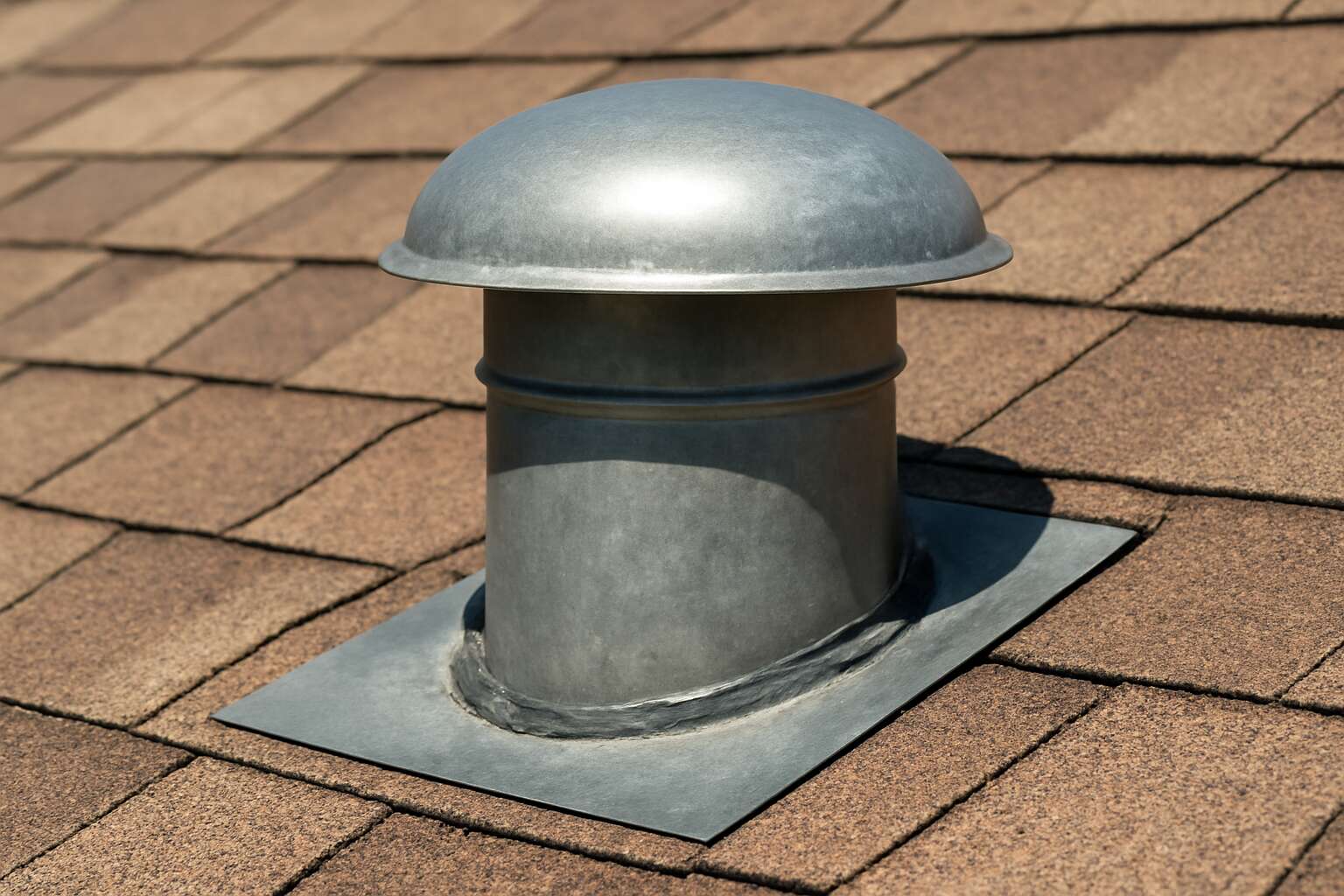
Comprehensive Outline for Roof Vents with a Five Hundred Millimeter Opening
Choosing the Right Five Hundred Millimeter Roof Vent
South Africa’s rooftops bake under an often merciless sun; ventilation is more than comfort—it’s a matter of protecting timber and insulation. A well chosen roof vent 500mm can tilt the balance toward cooler, drier interiors.
The comprehensive outline for roof vents with a five hundred millimeter opening centers on fit, durability, and airflow. A 500mm opening suits larger roof profiles, enabling steady exhaust and reduced heat buildup across the ceiling cavity.
Materials, seal integrity, and coastal versus inland exposure shape the long-term value of any five hundred millimeter solution. The design leans toward corrosion resistance, robust seals, and discreet profiles that blend with South African rooftops.
- Durable, weather-resistant housings
- Seals that handle humidity and dust
- Quiet operation in windy coastal zones
In South Africa, the right vent is less about novelty and more about enduring performance under sun and storm.
Installation and Fit for Five Hundred Millimeter Roof Vents
Across South Africa, attic heat bleeds into living spaces, driving up cooling costs. Up to 30% of cooling energy can slip through an inadequately vented roof. The roof vent 500mm provides a practical solution for larger roof profiles, promoting steady exhaust and reducing heat buildup in the ceiling cavity.
A comprehensive outline for roof vents with a five hundred millimeter opening centers on fit, durability, and airflow. When assessing installation and fit, consider how the unit sits with rafters, the integrity of seals, and exposure to coastal or inland conditions.
- Durable, weather-resistant housings
- Seals that handle humidity and dust
- Quiet operation in windy coastal zones
The design favors corrosion resistance and discreet profiles that blend with South African rooftops, ensuring long-term value regardless of sun or storm.
Performance and Maintenance of Five Hundred Millimeter Roof Vents
In the heart of South Africa’s furnace summers, the roof vent 500mm is more than metal—it is a patient guardian of comfort. It balances exhaust with robust seals, tempering the relentless climb of attic heat and standing firm against the tug of coastal gusts and inland dryness alike.
Performance and maintenance hinge on these essentials:
- Airflow stability through a wide opening delivers steady exhaust as attic heat climbs.
- Seal integrity resists humidity and dust for coastal and inland climates.
- Durability and quiet operation come from corrosion-resistant housings that endure wind.
Maintenance is a quiet ritual: regular inspections, gentle cleaning, and timely seal checks keep the system performing with grace and longevity.
Cost, Regulations, and Sustainability of Five Hundred Millimeter Roof Vents
Across South Africa’s blistering rooftops, a roof vent 500mm doesn’t merely breathe—it guards comfort. Attic heat can climb quickly, yet a well-sized opening channels steady exhaust and calmer air space. A five hundred millimeter throat balances wind, humidity, and sun, turning a hot corridor into a cooler sanctuary by afternoon. The size also stands up to coastal gusts and inland dryness, quietly proving itself as a steadfast ally in every SA home.
A comprehensive outline unfolds around three pillars:
- Cost considerations: upfront price, installation, and long-term energy savings from better attic cooling.
- Regulations: local building codes, wind-load standards, and SA-specific compliance for a roof vent 500mm.
- Sustainability: materials choice, recyclability, and lifecycle emissions of the unit.
Viewed through architecture and climate, this outline reveals stewardship; the roof vent 500mm becomes a durable, quiet hinge between sunlight-warmed rafters and living spaces, blending form with resilience across South Africa’s varied seasons.


0 Comments