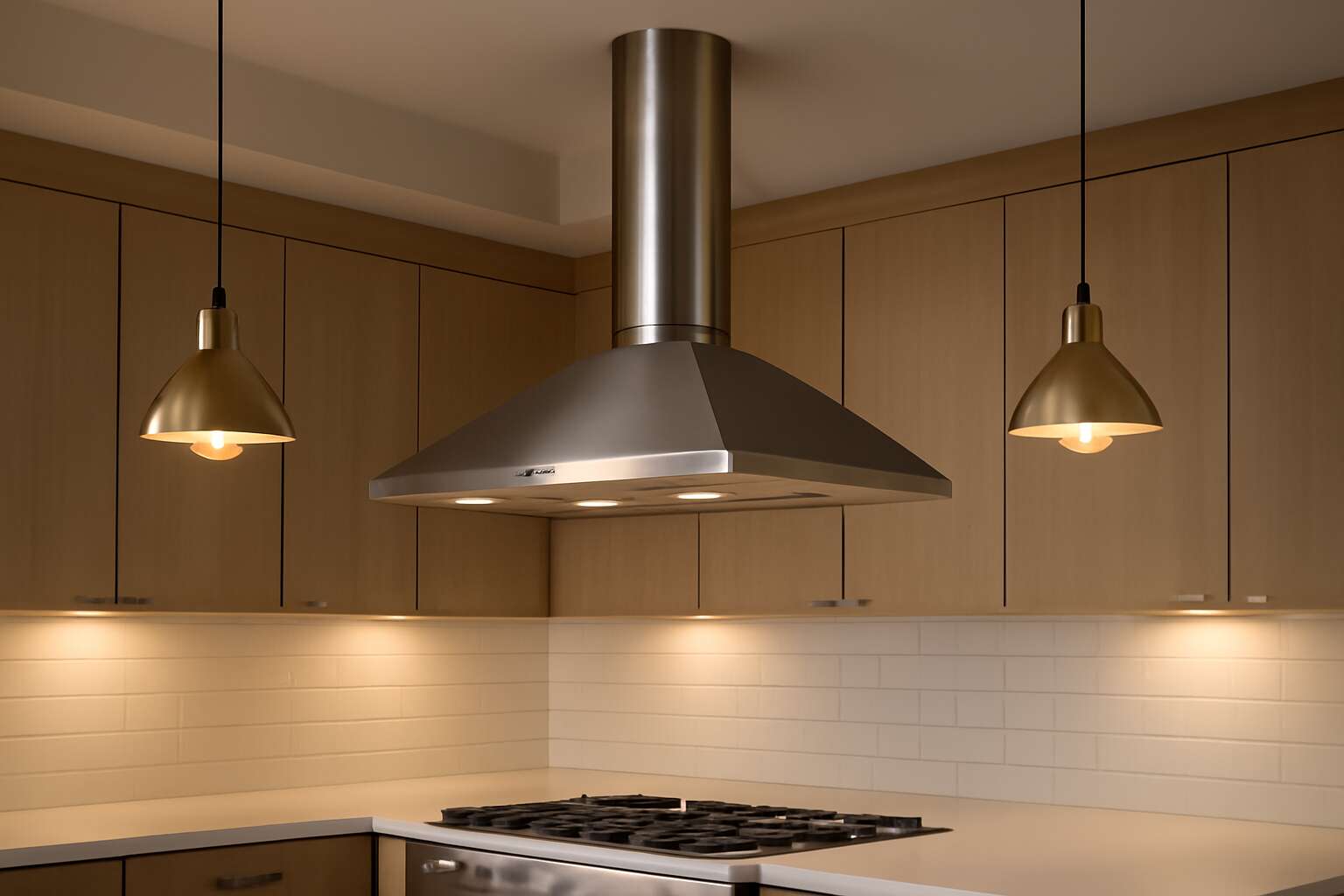
Comprehensive guide to roof vent range hood systems for modern kitchens
Understanding basics and terminology
Ventilation shapes more than smells—it tunes the entire kitchen atmosphere. In South Africa, a kitchen with weak exhaust can trap heat and moisture, dulling comfort. A well-ventilated space cuts stubborn odors by as much as 40%, and that matters!
Basics and terminology make specs sing. Think in practical terms:
- CFM: the airflow rate that pulls smoke away
- Ducting: the path to the outside—straight runs beat elbows
- Filters and housings: capture grease and ease cleaning
Choosing a roof vent range hood depends on space, roof height, and cooking style; a thoughtful pick sits quietly over the stove and vents cleanly to the outdoors. In South African homes, durability and minimal noise win the day.
Choosing the right model and configuration
In South Africa, a roof vent range hood does more than pull smoke; it sets the kitchen tempo with a whisper of air and a hint of mischief.
Choosing the right model and configuration means weighing duct routes, hood height, and how the unit sits above the stove. A ducted roof hood sends heat outside, while a recirculating design keeps lines clean—but filters must be up to the task. In modern homes, durability and minimal noise matter as much as looks.
Here are the design factors that matter, at a glance:
- Airflow versus noise balance
- Vent path and roof height compatibility
- Filter quality and ease of maintenance
- Finish, durability, and warranty
When the rhythm is right, the kitchen breathes—bright, calm, and ready for anything the day throws at it.
Installation, venting, and safety considerations
The kitchen’s tempo is set by a whispering current, and in South Africa that breath travels from braai nights to quiet mornings. A roof vent range hood does more than pull smoke; it carves calm from chaos, tying installation, venting, and safety into one elegant rhythm. Mounted above the stove, it follows ceiling lines and roofs, turning heat and steam into cooler air and quiet. When it hums at the right frequency, the room breathes—bright, calm, and ready for the day.
- Footprint and ceiling-height alignment
- Exhaust routing and roof penetration integrity
- Filter access and maintenance ease
In SA homes, roof structure, weather, and local codes shape the choice. Durability and quiet operation matter as much as aesthetics, with maintenance framed as a simple ritual. When the system harmonizes with the kitchen, aromas rise without overwhelm and the room keeps its bright, confident air.
Performance, maintenance, and troubleshooting
“Air is the unsung sous-chef,” a veteran installer whispers as we listen to the hood’s quiet hum. In modern South African kitchens, a roof vent range hood is more than a device—it’s a conductor of calm, shaping performance through climate, codes, and craft. The model you choose should respond to ceiling lines and roof angles, turning heat and steam into breathable air.
Performance thrives on balance: steady airflow, tolerable noise, and durability that survives SA heat and storms. Maintenance becomes ritual—filters, seals, and the motor’s health—keeping aromas from overwhelming the room while preserving a bright, confident mood from dawn to dusk.
Troubleshooting reveals the hood’s personality: waning airflow, odd vibrations, or unfamiliar whistles hint at ducting or mounting quirks. When problems arise, a seasoned eye knows these are conversations with the house, not enigmas to fear, and the roof vent range hood proves itself worthy of inspection.
Buying guide, costs, and installation services
In South Africa’s kitchens, air is the quiet advantage. “Air is the unsung sous-chef,” a veteran installer says as the hood hums. A roof vent range hood is more than metal—it makes heat and steam breathable.
A comprehensive buying guide for these ventilation systems covers budget, suppliers, and installer options. In SA, prices span entry to premium models, with installation services that handle mounting, duct routing, and power connections. Warranty matters in heat and storms.
Consider these essentials when weighing offers:
- Costs and warranties
- Installation timelines
- Aftercare options
This guide keeps choices practical and aligned with local codes and climate.


0 Comments