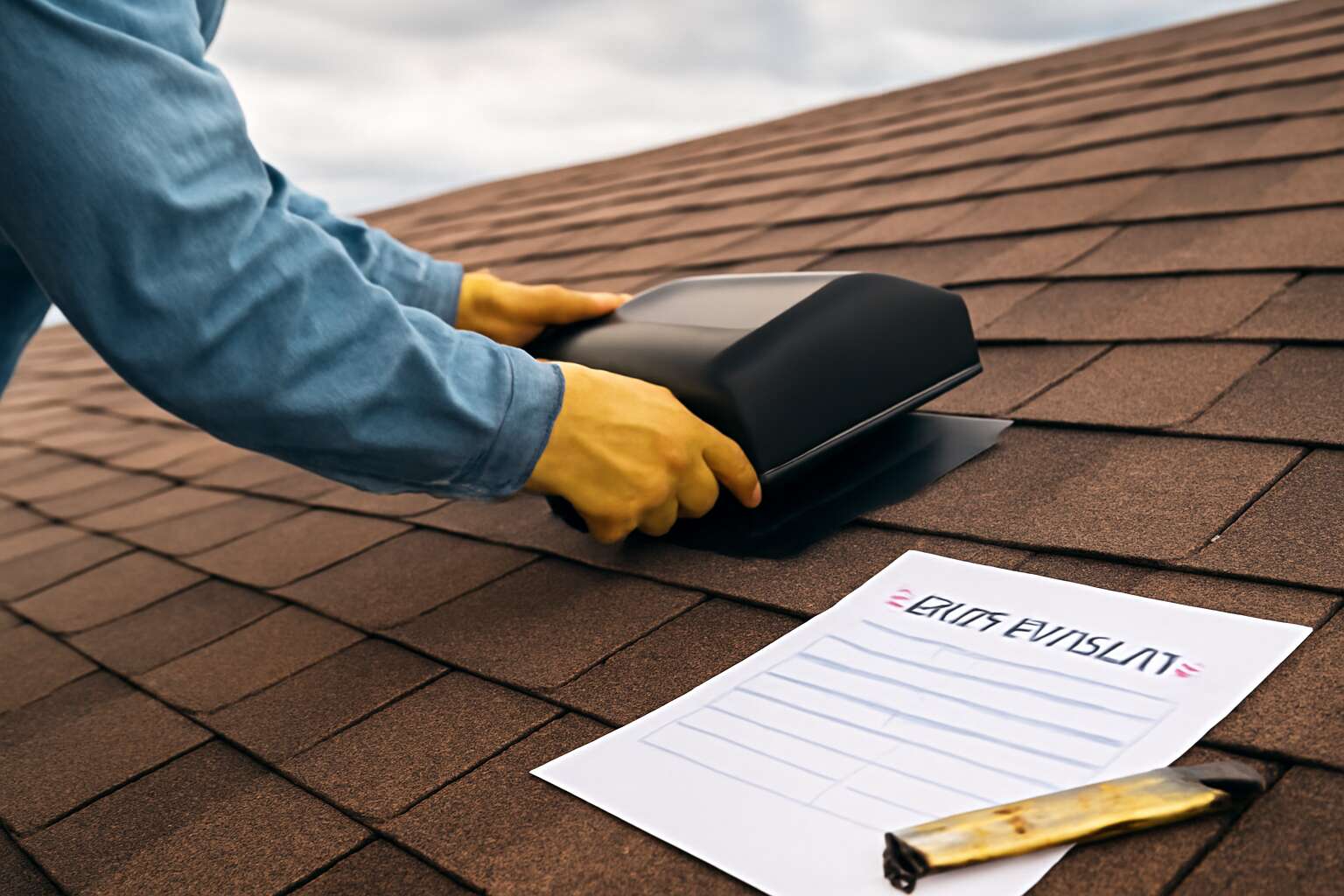
Understanding install roof vent cost
Overview of factors influencing install roof vent cost
Rooftops reveal comfort and risk! In South Africa’s scorching heat, a well‑vented roof trims cooling costs, making the install roof vent cost worth weighing beyond the sticker. The price isn’t just about a vent; it depends on roof type (tile, metal, or concrete), pitch, and attic access.
Several factors influence the cost:
- Roof pitch and access
- Vent type and quantity
- Materials and local labour rates
- Permits or inspections
The overall cost will reflect regional labour markets and roof complexity, shaping the final figure.
Material options and price ranges for roof vents
In South Africa’s blistering summers, a well‑vented roof feels like a quiet blessing. Industry estimates suggest a properly vented attic can trim cooling costs by up to a quarter on peak days, a saving that adds up for harvest‑season households and small‑town homes alike. Understanding install roof vent cost begins with the material choices and roof structure you face, since the figure is never one size fits all.
Material options range from basic plastic vents to sturdy metal boxes and ridge systems designed for tiled, metal, or concrete roofs. Price ranges reflect durability and installation complexity. Material costs can start at a few hundred rand per unit, rising to several thousand for specialized ridge or turbine configurations, with installed prices typically between roughly R600 and R1,800 per vent, depending on roof size and access.
Common options include:
- Plastic roof vents
- Metal turbine vents
- Ridge vents
- Tile‑compatible box vents
Labour rates, roof pitch, and attic access all play into the final install roof vent cost, and even the decision to include permits or inspections can nudge the total higher in some municipalities.
Labor costs and contractor rates by region
Skilled hands, not just the vents, determine the true price of venting a South African roof. The install roof vent cost hinges on more than the unit price—it rides on labour markets, access, and roof geometry that vary across urban and rural areas. Labour costs and contractor rates by region shape the final figure, especially in busy metros or remote towns.
- Urban centres tend to command higher hourly rates but offer quicker access to trades.
- Rural areas may incur travel and accommodation charges and longer lead times.
- Municipal permit and inspection requirements vary, nudging the bill upward in some regions.
- Roof access challenges (tight eaves, steep pitches) raise labour time and price.
Knowing these regional rhythms helps homeowners anticipate quote variability across municipalities.
DIY vs professional installation cost considerations
Ventilation is the unseen steward of a roof’s health, and in South Africa that wisdom pays clever dividends. Research suggests proper attic airflow can shave cooling costs by as much as 30%. When exploring install roof vent cost, the choice between DIY and professional installation cost considerations rests on more than the sticker price: safety on ladders, access to the loft, and wind-driven roof geometry all shape the final figure.
DIY can trim labour costs, but it carries time, risk, and a learning curve. Professionals deliver correct sizing, flashing, and warranty coverage that can save money in the long run. Weigh these factors with the local permit climate and roof design.
- Access and safety gear
- Vent type, size, and placement
- Permits and inspection requirements
Understanding these dimensions clarifies how costs can vary from town to town.
Typical install roof vent cost ranges by roof size and type
Heat has a way of creeping into a home, and a well-vented attic is your best ally. The install roof vent cost you’ll see on a quote depends on roof size, vent type, and how easy the install will be. On modest South African homes, a single box vent installed by a pro can start around R1,500 to R3,000. For larger roofs, or when choosing ridge or turbine systems to boost airflow, figures commonly range from R4,000 up to roughly R12,000.
Understanding this better helps families plan without compromising safety or warranty. Consider these factors when shaping the final number:
- Roof size and attic access influence labour time.
- Vent type, such as box, turbine, or ridge, changes upfront and ongoing performance.
- Placement and flashing affect sealing and potential leaks.
- Permits and inspections may apply in your municipality and add to cost.
Cost breakdown by vent type
Ridge and static vent costs and pricing
Roughly one-third of energy loss in South Africa escapes through poorly vented rooftops, and the install roof vent cost becomes a pivotal figure in long-term comfort. Attic ventilation tames heat and guards roof integrity, turning a single installation into lasting savings amid scorching days and cool nights.
The cost breakdown by vent type reveals distinct paths for ridge and static vents. The following ranges reflect typical market pricing in South Africa, before any roof-specific complexities.
- Ridge vent costs (materials and installation): approximately R2,000–R6,500 for an average South Africa roof, depending on length and roof pitch.
- Static vent costs (per unit): roughly R1,000–R3,000 per vent, plus labour.
- Additional considerations: flashing, sealing, and weatherproofing may add a few hundred to a couple thousand rand per roof.
These figures show the install roof vent cost is tied to roof geometry and climate, not a single universal price!
Whirlybird and turbine vent pricing
South Africa’s roofs drink summer heat, and roughly one-third of energy loss slips through poorly vented attics, a quiet thief of comfort. The install roof vent cost becomes a balancing act between airflow and roof longevity, with Whirlybird and turbine vents offering different benefits. Whirlybird pricing typically sits in the mid-range, while turbines excel in high-velocity exhaust for tougher climates. Both options reflect roof geometry and climate, not a single universal price tag, inviting a tailored fit for any home.
Here’s the lay of the land for these common vent types:
- Whirlybird (including installation): roughly R1,200–R3,400 per unit, depending on size and roof access.
- Turbine vent (including installation): roughly R900–R2,500 per unit, with labour and roof specifics influencing the total.
Soffit and eave vent options and costs
South Africa’s summer clings to rooftops, and attic heat can rise like a stubborn chameleon. Soffit and eave vents supply that critical airflow without loud mechanicals, and the install roof vent cost becomes a careful equation of intake, roof geometry, and climate. There’s no one-price fits all—each home deserves a tailored approach that respects longevity and comfort. A good plan makes all the difference!
Here are soffit and eave options and their costs:
- Perforated soffit vents (plastic or metal): approx R60–R150 per unit; installation adds roughly R200–R500 per run
- Continuous soffit vent runs: around R250–R500 per meter installed
- Eave vent grilles or intake strips: about R70–R180 per metre, installed
Total install roof vent cost for these options scales with roof length and access; a local pro can translate needs into a precise quote that fits your budget and climate.
Power vents and motorized options price range
Power vents and motorized options bring a disciplined breath to a stifled roof, offering active relief without the clatter of traditional fans. In South Africa’s climate, the install roof vent cost reflects more than the device—it accounts for roof geometry, access, and insulation gaps. I’ve seen the difference a well-chosen system makes.
Here’s a quick breakdown by vent type and price range:
- Basic motorized attic fan: R2,000–R5,000 installed
- Mid-range power vent: R5,000–R9,000 installed
- Smart, high-capacity units: R9,000–R15,000 installed
Prices vary with roof access and climate, and a local pro translates needs into a precise quote that fits your budget.
Comparing vent types for cost, efficiency, and payoff: install roof vent cost
A roof vent is more than a gadget—it’s a quiet regulator of summer heat. In South Africa, the install roof vent cost reflects geometry, access, and insulation gaps as much as the device itself. The payoff shows up as cooler roofs, calmer living spaces, and steadier energy bills when the sun is relentless.
Consider the vent types and how they compare on cost, efficiency, and payoff:
- Basic motorised attic fan: budget-friendly start, simple install, steady air exchange.
- Mid-range power vent: stronger airflow for larger spaces and hotter climates.
- Smart, high-capacity units: top-tier efficiency with automation and the most noticeable long-term savings.
Ultimately, a local pro translates needs into a precise quote that fits your budget, shaping the install roof vent cost into a smart, breathable choice.
Regional pricing and budgeting
Cost variance by region and climate
Across South Africa’s varied climates, venting numbers don’t land on a single price tag. The install roof vent cost can swing by region and season, driven by how each area handles heat, humidity, and wind. Coastal zones battle salt air and dampness, while inland highland areas lean on sturdier fittings and swifter installations, nudging quotes upward without changing the base price.
Regional budgeting hinges on local realities that tint the ledger with nuance:
- Labor costs and availability in the area
- Transport distances and material sourcing
- Climate-driven sizing and ventilation needs
These realities explain why SA projects rarely align with a single national figure for install roof vent cost.
Impact of local labor markets on install roof vent cost
Regional pricing isn’t just about the sticker on a vent. In South Africa, the local labor market acts like wind in a thatch roof—unseen but influential! The install roof vent cost can swing by as much as 15% when crews are in high demand, with travel time and safety checks tipping quotes as the market hums.
Several levers drive variability in labor-driven quotes. Here are the main ones:
- Availability of qualified tradespeople and subcontractors
- Distance to job sites and transport time for materials
- Seasonal demand, overtime rates, and inspection scheduling
Permits, inspections, and code requirements cost
Regional budgets are quietly steered by permits, inspections, and code requirements. The install roof vent cost isn’t only the price tag on a vent; it’s the sum of approvals that unlock work and the safety checks that follow!
- Permit applications and issuing fees
- Inspection scheduling and eligibility checks
- Local code updates and mandatory compliance measures
Municipal variance matters in South Africa; council fees, inspection frequencies and the pace of approvals can tilt the total, especially when codes shift with season. Build the budget around these permit and inspection realities, because the total will reflect how closely the project mirrors the letter of the rules.
Seasonal pricing and project scheduling tips
Regional pricing and budgeting shape the install roof vent cost across South Africa. Regional pricing swings are common, sometimes pushing the total by tens of percent. Local labor markets, material availability, and municipal fees all bend the final figure. The trick is to read the cost as a system, not a sticker: a higher permit queue or a slower inspection cycle can push the total higher, even when the vent itself is affordable. Seasonality adds another layer; demand, supplier lead times, and contractor availability swing the price at different times of the year.
Seasonal pricing and project scheduling influence when the total lines up with the budget. Winter months can slow crews; summer rains complicate access in coastal regions; shoulder seasons often offer a calmer pace and more stable pricing. Planning ahead and building a modest contingency cushions the total against regional realities rather than a best-case forecast.
Saving money: tips, financing, and warranties
Cost-saving installation tips and best practices
Attic air that won’t quit is cheaper than you think, and the install roof vent cost is often the best match for a cooler home. In hot seasons, many SA homes enjoy noticeably lower cooling bills when the attic stays cooler—a double-digit swing some days—and that punch of ventilation pays for itself, even before the ceiling fans gain a fan club.
To save without guilt, look at financing options and warranties. Some manufacturers offer extended warranties and service plans that cover performance over time, softening the blow of upfront costs. Bundling vent work with other roof projects can also unlock discounts; just avoid the temptation to cut corners on quality, because poor venting ages faster than a neglected warranty.
Bottom line: sound choices today reduce the risk of regret later; your wallet will thank you when the ceiling fans are spinning and the bills stay friendlier.
DIY considerations and safety for vent installation
A cool attic is more than comfort; it’s a savings signal for farmers and town folk alike. In SA homes, attic ventilation can trim cooling bills as the sun blazes. Understanding the install roof vent cost helps families plan confidently.
Financing and warranties soften the upfront hit. Some manufacturers offer extended warranties and service plans that cover performance over time. Bundling vent work with other roof projects can unlock discounts; resist skimping on quality, because good venting lasts.
DIY may be tempting, but safety and professional checks matter.
Financing options and loan terms for roof vent projects
In a South African heatwave, a cool attic is a quiet victory and a sly savings signal. The install roof vent cost becomes the hinge between blistering bills and a breath of shade. I’ve watched rooms fall into a calmer hush when the attic learns to breathe again.
Financing options and loan terms for roof vent projects soften the upfront hit—granting families time to align thirst and budget. Consider these avenues:
- Bank personal loan with a fixed rate
- Home improvement line of credit
- Manufacturer financing with promotional terms
Warranty options act as a shield against the long night; extended warranties and service plans guard performance over time. Bundling vent work with other roof projects can unlock discounts, and I have learned to resist skimping on quality, because good venting lasts.
Warranty, guarantees, and maintenance costs impact on total price
In a South African heatwave, attic heat can drive cooling costs up by as much as 30%. Keeping the attic breathable is more than comfort—it’s a quiet victory against blistering bills and wasted energy.
Saving money hinges on smart choices: financing options can soften the upfront hit, and warranties can lock in performance. Knowing the install roof vent cost helps balance short-term pain against long-term payoff, while maintenance plans keep the system vigilant and efficient.
Maintenance costs and warranty terms influence the total price; extended service plans can cover routine inspections, reducing surprise repairs later. Bundling vent work with other roof tasks can unlock discounts, ensuring quality venting endures without heavy markup. That makes the install roof vent cost part of a longer conversation about maintenance costs and warranties.

0 Comments