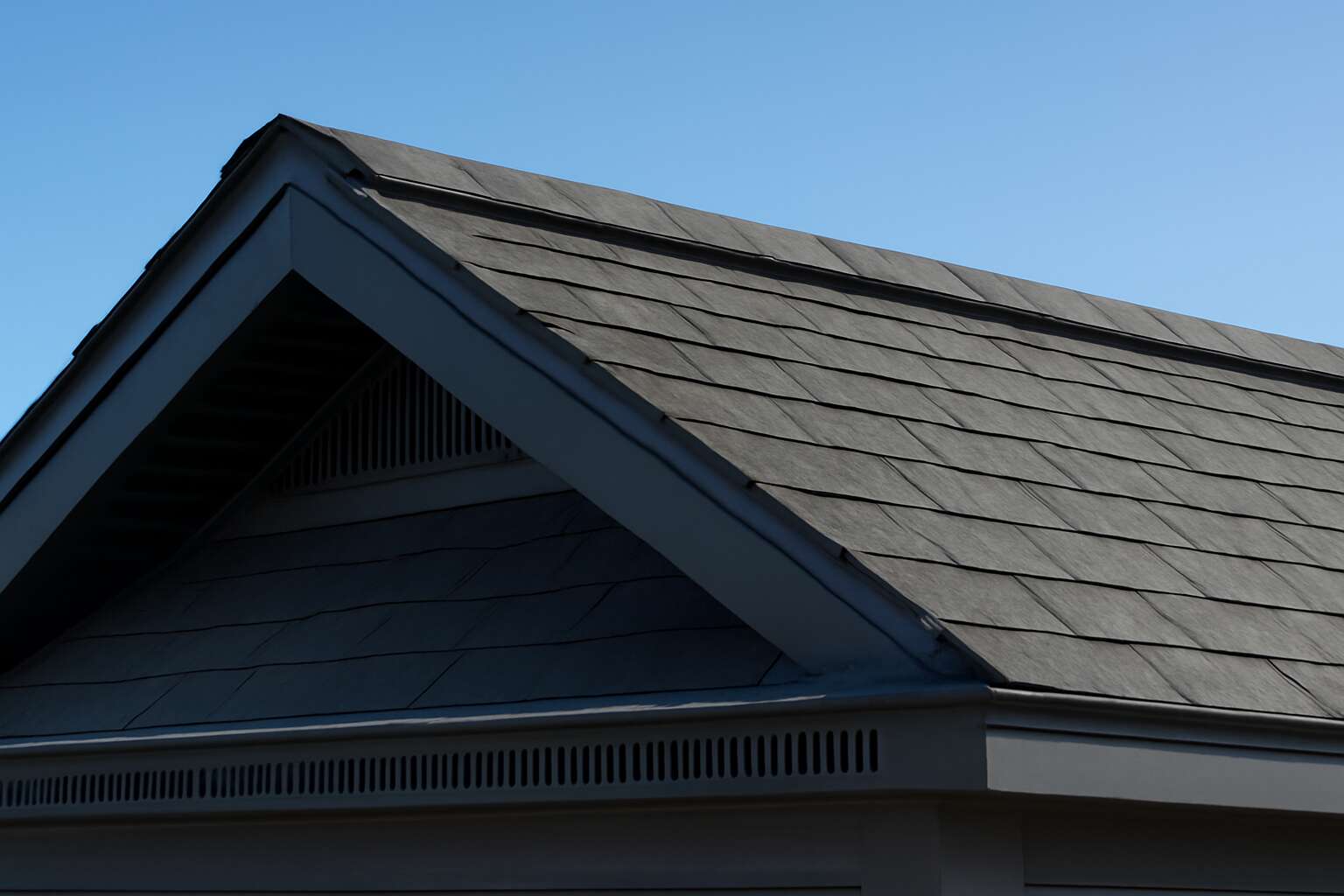
Understanding Roof Ventilation Systems
Overview of Roof Ventilation
Roof ventilation is more than just a box ticking exercise; it’s the backbone of a durable, energy-efficient home. Proper ventilation prevents heat buildup and moisture accumulation, both of which can cause long-term damage. When considering a vent roof without soffit, it’s crucial to understand how airflow is maintained without traditional intake vents. Many homes in South Africa rely on alternative methods to ensure proper airflow, especially in designs that lack soffit vents.
In these cases, ridge vents or sidewall vents become essential. They allow warm, moist air to escape while drawing in cooler air from other openings. This creates a natural airflow cycle that keeps the attic dry and prevents condensation. To optimize a vent roof without soffit, it’s important to balance exhaust and intake points, ensuring that air moves efficiently through the space without creating turbulence or dead zones.
Importance of Proper Ventilation
In the symphony of a well-ventilated home, each note plays a vital role in maintaining harmony between temperature and moisture. The importance of proper ventilation cannot be overstated; it is the silent guardian that ensures your roof remains resilient against the relentless forces of nature. For those exploring a vent roof without soffit, understanding how air flows through this unconventional pathway is crucial.
Without the traditional soffit vents, the airflow relies heavily on alternative outlets such as ridge vents or sidewall vents. These act as the opening crescendos where warm, moist air escapes, drawing in cooler, drier air from other openings. This natural cycle not only prevents condensation but also sustains the attic’s dryness, safeguarding your home’s structural integrity. Ensuring that intake and exhaust points are carefully balanced becomes a delicate dance—one that keeps turbulence at bay and promotes an uninterrupted flow of fresh air.
Types of Roof Ventilation
Understanding roof ventilation systems is essential, especially when you’re vent roof without soffit. Traditional attic ventilation often relies on soffit vents to usher in cool air, but in modern designs or specific scenarios, this isn’t always feasible. Instead, alternative methods step up to keep the air flowing—think ridge vents or sidewall vents. These clever outlets act as the exhaust, allowing warm, moist air to escape while drawing in fresh air from other openings. It’s a bit like a well-choreographed dance—air circulates smoothly without the need for soffit vents, provided the balance is just right.
For those exploring a vent roof without soffit, it’s crucial to understand the types of roof ventilation available. Some systems integrate intake vents higher up on the roof or walls, creating a natural stack effect that pulls air upward and out. This approach can be particularly effective in climates like South Africa’s, where temperature swings are common and moisture control is vital. Here are some common options:
- Ridge vents
- Sidewall vents
- Gable vents
Each type plays a vital role in ensuring your roof’s health remains uncompromised, even in the absence of soffit vents. When designed properly, a vent roof without soffit can be a robust solution—one that champions airflow without sacrificing aesthetic appeal or structural integrity.
Exploring Vent Roofs Without Soffit
What Is a Vent Roof Without Soffit?
In the tapestry of architectural innovation, a vent roof without soffit stands out as a bold yet practical choice, especially in regions like South Africa where climate nuances demand tailored solutions. Unlike traditional vented roofs that rely heavily on soffits to facilitate airflow, a vent roof without soffit offers a streamlined, minimalist aesthetic without sacrificing the vital function of ventilation.
This design harnesses alternative pathways—such as ridge vents, gable vents, or specially crafted intake vents—to ensure continuous airflow. It’s a testament to modern ingenuity, allowing homeowners and builders to preserve the integrity of their roofs while embracing a cleaner, more contemporary silhouette. Exploring vent roofs without soffit reveals a harmony between form and function, where ventilation becomes an unobtrusive yet essential element of design.
Advantages of Without Soffit Designs
In the symphony of architectural evolution, a vent roof without soffit emerges as a daring yet elegant movement—an ode to simplicity and efficiency. This innovative design unlocks a realm of possibilities, challenging the traditional reliance on soffits to channel airflow. Instead, it employs subtle yet effective pathways that breathe life into the roof’s structure, ensuring perpetual circulation without visual clutter.
Adopting a vent roof without soffit offers numerous advantages. It allows for a streamlined, minimalist aesthetic that complements modern South African homes, perfectly suited to the diverse climate zones across the region. Without soffits, the roof’s profile appears cleaner, more refined—an expression of understated sophistication. Furthermore, this design can reduce maintenance complexities, as there are fewer components prone to dirt accumulation or pest intrusion.
Moreover, the absence of soffits grants architects and homeowners greater flexibility in choosing alternative ventilation methods, such as ridge vents or gable vents, that seamlessly integrate into the roof’s silhouette. These options not only enhance airflow but also elevate the roof’s visual harmony—transforming ventilation from an afterthought into an architectural feature. For those seeking to marry form and function in their roofing design, the vent roof without soffit stands as an inspired choice—fueling innovation in South African homes where climate resilience is paramount.
Common Challenges and Solutions
Vent roof without soffit designs, while captivating in their sleek minimalism, come with unique challenges that demand careful consideration. One of the most common issues is ensuring adequate airflow. Without traditional soffits, the pathways for ventilation must be cleverly integrated elsewhere, or risk creating stagnant air pockets that can lead to moisture buildup and eventual roof deterioration. It’s a delicate balance—once airflow is compromised, the entire system’s efficiency is at stake.
To combat this, solutions often involve strategic placement of ridge vents or gable vents, which serve as effective alternatives. These options must be meticulously calculated to maintain the integrity of the airflow. Additionally, building in a vent roof without soffit requires precise sealing techniques to prevent pests and debris from infiltrating the roof space, which could otherwise undermine the design’s minimalist appeal.
- Careful planning of ventilation pathways
- Use of high-quality sealing materials
- Regular maintenance to monitor airflow and debris buildup
By understanding these common challenges and implementing tailored solutions, homeowners and architects can harness the full potential of vent roof without soffit—creating a harmonious blend of form and function that endures the test of South Africa’s diverse climate zones. The mystery lies in the balance—crafting a roof that breathes without the traditional elements, yet remains resilient against the elements and pests alike.
Design Considerations for Vent Roofs Without Soffit
Proper Airflow Pathways
Designing a vent roof without soffit demands a careful approach to maintain effective airflow. Without soffit vents, the natural path for air to circulate becomes less obvious, which can lead to poor ventilation and moisture buildup. To ensure proper airflow pathways, architects and builders must consider alternative vent placements that facilitate consistent air movement from the eaves to the ridge.
One critical consideration is the strategic placement of high and low vents, creating a chimney effect that encourages air to flow upward naturally. This may involve installing ridge vents or gable vents at key points along the roof’s peak and sides. Without soffit vents, it’s essential to focus on these alternative ventilation points to prevent heat and humidity from accumulating inside the roof space.
In some cases, incorporating a combination of continuous ridge vents and sidewall vents can compensate for the lack of soffit vents. The goal is to develop a balanced ventilation system that promotes unimpeded airflow, even in the absence of traditional soffit vents. Achieving this balance is vital for prolonging roof life and ensuring energy efficiency in South African climates.
Placement of Vents
Designing a vent roof without soffit requires a nuanced understanding of airflow dynamics, especially within the unique South African climate. The absence of soffit vents challenges conventional ventilation pathways, compelling architects to reimagine placement strategies that harness natural buoyancy and pressure differentials. It’s a delicate dance—balancing the placement of vents to foster a seamless chimney effect that encourages upward airflow, even without the traditional eaves’ intake points.
When considering a vent roof without soffit, the placement of ridge vents becomes paramount. These vents serve as the primary exhaust, drawing stale, humid air from the roof space. Complementing them with sidewall vents enhances this natural convection, creating a harmonious airflow that mitigates moisture buildup. Incorporating continuous ridge vents and strategically positioned gable vents can compensate for the lack of soffit vents, ensuring heat escapes efficiently and humidity remains in check.
In essence, the challenge lies in designing a balanced system—one that leverages architectural intuition and precise vent placement. This approach ensures longevity of the roof structure, energy efficiency, and an environment that remains comfortable despite the sometimes harsh South African weather. Vent roof without soffit is not merely a design choice but a sophisticated strategy demanding careful consideration of airflow pathways, vent positioning, and climate-specific needs.
Material Selection for Ventilation
In the shadowed corridors of architectural ingenuity, a vent roof without soffit emerges as a daring testament to reimagined ventilation. The choice of material selection for ventilation in such designs must be deliberate—each component whispering promises of durability and performance amidst South Africa’s unpredictable climate. Metal vents, with their resilience against corrosion, often stand as silent guardians, while high-grade plastics offer a lightweight alternative that withstands the relentless sun’s glare. The key lies in selecting materials that not only endure but also facilitate seamless airflow, ensuring the ominous buildup of moisture remains a ghost of the past.
In this spectral dance of air and element, the placement of vents becomes an art form. The strategic positioning—not just random punctuations—must harness the natural buoyancy of warm air, guiding it effortlessly out of the roof space. A well-considered combination of ridge vents and sidewall vents can conjure a harmonious convection, vital for a vent roof without soffit. The material choice here is intertwined with design considerations, as sturdiness and function must coalesce into a symphony of longevity and efficiency.
Installation of Vent Roofs Without Soffit
Step-by-step Installation Guide
Embarking on the installation of a vent roof without soffit is akin to orchestrating a delicate dance—precision and foresight are paramount. In South Africa’s diverse climate, ensuring optimal roof ventilation without the traditional soffit can be both a challenge and a triumph. A well-executed installation not only safeguards your home from moisture buildup but also enhances energy efficiency.
The process begins with selecting the right ventilation components tailored for a vent roof without soffit. Clear planning of airflow pathways is crucial; this ensures hot air escapes and fresh air circulates seamlessly. To streamline the installation, consider these steps:
- Mark the optimal vent locations based on the roof’s pitch and prevailing wind directions.
- Cut precise openings into the roof’s sheathing, avoiding structural elements.
- Secure the vents firmly, sealing around edges to prevent leaks or drafts.
- Ensure the vents are evenly spaced to facilitate uniform airflow.
A meticulous approach guarantees that your vent roof without soffit functions as an effective, aesthetically pleasing solution—proof that sometimes, ingenuity trumps tradition.
Tools and Materials Needed
Embarking on the installation of a vent roof without soffit demands more than just precise craftsmanship; it requires an arsenal of specialized tools and materials that elevate the process from mundane to meticulous. The absence of soffit means that every component must be chosen with an eye for durability and performance, especially given South Africa’s varied climate zones. Proper tools—such as a cordless drill, jigsaw, roofing sealant, and a measuring tape—are indispensable. These ensure clean cuts and airtight seals, fundamental to a vent roof without soffit’s effectiveness.
Equally critical are the materials selected. High-quality ventilation vents, weather-resistant flashing, and durable roofing membrane materials form the backbone of a successful installation. When working on a vent roof without soffit, attention to detail in sealing and placement is paramount. To streamline this, consider the following essentials:
- Ventilation components compatible with a vent roof without soffit.
- Weatherproof sealants to prevent leaks and drafts.
- Metal flashing to reinforce openings and direct airflow.
Every tool and material must harmonize to create a seamless, resilient system capable of withstanding South Africa’s climatic extremes, ensuring your vent roof without soffit operates at peak efficiency for years to come.
Safety Tips and Best Practices
Installing a vent roof without soffit demands a meticulous approach, where safety and precision are paramount. The absence of soffit leaves fewer natural barriers, making it essential to safeguard yourself against potential hazards like falling or misaligned components. Always wear sturdy gloves and eye protection, especially when handling sharp materials or working at heights. Securing the worksite with safety barriers or harnesses can prevent accidents from unexpected slips.
When working on a vent roof without soffit, attention to detail becomes a moral responsibility. Properly securing vents and flashing not only enhances airflow but also fortifies the roof against South Africa’s unpredictable weather. Consider following a logical sequence—start with the placement of vents, then proceed to sealing and flashing. This step-by-step method ensures each component aligns perfectly, reducing the risk of leaks or airflow obstructions.
To further elevate safety and efficiency, incorporate these best practices:
- Double-check measurements before cutting or installing components.
- Use weatherproof sealants to prevent drafts and leaks, especially in exposed areas.
- Ensure all tools are in good working order, and handle power equipment with caution.
Above all, patience and vigilance are your allies. A vent roof without soffit may seem straightforward, but it’s a delicate dance of craftsmanship and safety—one that, when executed with care, results in a resilient, long-lasting ventilation system tailored for South Africa’s climatic whims.
Maintenance and Upkeep
Regular Inspection Tips
Maintaining a vent roof without soffit isn’t just about occasional inspections; it’s about adopting a vigilant mindset that keeps your home breathing easy. Neglecting this can lead to a build-up of moisture and reduced airflow—two enemies of a healthy roof. Regular inspections are your best weapon against these sneaky issues. Think of it as a health check-up for your roof: look for signs of debris blocking vents, rust, or damage that could hinder airflow.
Since a vent roof without soffit relies heavily on properly positioned vents to facilitate airflow, it’s wise to keep these pathways clear. An easy way to do this is to schedule seasonal inspections, especially after heavy storms or windy days. During these checks, ensure vents are unobstructed by leaves or dirt, and verify that no pests have decided to make a home within your ventilation system.
- Check for rust or corrosion on vent covers
- Remove debris from around the vents
- Ensure vents are securely attached and undamaged
A proactive approach to maintenance not only prolongs the lifespan of your vent roof without soffit but also guarantees optimal airflow—keeping your home cool in summer and warm in winter.
Cleaning and Preventative Care
Maintaining a vent roof without soffit demands more than routine checks; it’s about cultivating a proactive mindset that safeguards your home’s ventilation system. Regular cleaning of vents is essential to prevent debris buildup, which can restrict airflow and lead to moisture retention—an insidious threat to roof integrity. A simple yet effective preventative measure is to schedule seasonal inspections, particularly after storms or high winds, to ensure vents remain unobstructed and functional.
During these inspections, look for signs of rust or corrosion on vent covers, and remove any leaves or dirt that may have accumulated around the vents. Ensuring that vents are securely attached and free from damage is equally important.
- Check for pest entry points
- Clean surrounding areas
- Verify vent integrity
By adopting diligent preventative care, homeowners can extend the lifespan of their vent roof without soffit, maintaining optimal airflow and preventing costly repairs. This vigilant approach keeps the home’s ventilation system resilient, fostering a healthier living environment indoors and preserving the roof’s overall integrity in South Africa’s diverse climate conditions.
Signs of Ventilation Issues
Signs of ventilation issues on a vent roof without soffit can be subtle but critical. If you notice persistent moisture buildup or mold around your roof vents, it indicates poor airflow. Over time, this can compromise the roof’s integrity and lead to costly repairs. Additionally, listen for unusual noises such as whistling or rattling—these often point to loose or damaged vents.
Another telltale sign is the presence of pests or debris around the vents. Leaves, dirt, or insects can block airflow pathways, reducing the vent roof without soffit’s effectiveness. Regular visual inspections are essential to catch these problems early.
To keep your ventilation system in top shape, consider creating a checklist. Here’s a quick overview:
- Check for rust or corrosion on vent covers.
- Remove leaves and dirt around the vents.
- Ensure vents are securely attached and undamaged.
- Look for pest entry points or signs of pest activity.
Proactive maintenance helps prevent airflow restrictions that can cause moisture retention, which is especially important in South Africa’s diverse climate. Recognizing these signs early on can save homeowners from costly repairs and extend the lifespan of their vent roof without soffit.
Comparing Vent Roofs With and Without Soffit
Pros and Cons
When comparing vent roof without soffit options, the differences can significantly impact the longevity and efficiency of your home’s ventilation system. Without soffits, the traditional intake vents are absent, forcing a different approach to ensuring proper airflow. This design can be advantageous in situations where soffits are impractical or aesthetically undesirable, but it does come with its own set of challenges.
One of the primary benefits of a vent roof without soffit is the streamlined appearance. It creates a cleaner, more minimalist roofline that suits modern architectural styles. However, this simplicity can sometimes hinder airflow if not carefully planned. Without soffit vents, you must rely on alternative intake methods, which could either improve or impair ventilation depending on how well they are executed.
- Enhanced aesthetic appeal for sleek, modern homes
- Potential for reduced maintenance, as fewer components are exposed to debris and pests
- Increased risk of poor ventilation if alternative airflow pathways are not properly designed
Ultimately, choosing between a vent roof without soffit and traditional soffited designs depends on balancing visual preferences with the necessity for effective airflow. Each approach carries its own set of pros and cons, and understanding these nuances can make all the difference in maintaining a healthy, energy-efficient roof structure in South Africa’s diverse climate.
Cost Considerations
When contemplating the cost considerations for a vent roof without soffit, understanding the financial implications is crucial. Traditionally, installing soffits and their associated vents can add to the overall expense, but they often simplify airflow design. Opting for a vent roof without soffit might initially seem more economical because it eliminates the need for soffit components and their installation. However, the cost savings can be offset if the alternative airflow pathways require specialized materials or more complex construction techniques.
In South Africa’s diverse climate, a vent roof without soffit often demands a tailored approach—sometimes involving high-quality ridge vents or soffitless intake systems—that can influence the overall budget. The key is to evaluate whether the streamlined design justifies potential additional expenses in custom ventilation solutions. The decision hinges on balancing aesthetic aspirations with long-term durability and energy efficiency. Ultimately, investing in proper ventilation for a vent roof without soffit ensures that the home remains resilient against the wear and tear of South Africa’s unpredictable weather patterns.
Suitability for Different Climates
In the dance of climate and architecture, choosing between a vent roof with or without soffit is akin to selecting a melody that echoes through time. For regions like South Africa, where weather can be a wild symphony of sun and storm, the suitability of a vent roof without soffit becomes a nuanced conversation. Such designs often appeal to those seeking a sleek, modern aesthetic, but their effectiveness hinges on the unique climatic demands.
While vent roof without soffit can sometimes be more cost-effective, especially when avoiding the installation of soffit components, it demands a keen eye on alternative airflow pathways. In hotter, drier climates, the absence of soffit might suffice, provided that high-quality ridge vents or soffitless intake systems are employed. Conversely, in more humid or variable conditions, this streamlined approach risks trapping moisture if not meticulously engineered.
- In arid zones, a vent roof without soffit often performs admirably, promoting natural convection without the need for complex soffit ventilation.
- In humid or coastal regions, however, additional measures to combat condensation and dampness become essential, challenging the simplicity of a soffitless design.
Ultimately, the suitability of a vent roof without soffit hinges on understanding the climate’s whims and the home’s specific ventilation needs, transforming architectural choices into a symphony of resilience and beauty.
Expert Tips for Optimizing Roof Ventilation
Hiring Professionals
Ensuring optimal roof ventilation without soffit can feel like unraveling a mystery. The secret lies in expert installation. Hiring professionals who understand the intricacies of vent roof without soffit is crucial. They can assess your roof’s unique architecture and design a ventilation system that maximizes airflow while preventing moisture buildup.
One of the most effective strategies is to incorporate ridge vents, gable vents, or soffit alternatives that facilitate continuous airflow.
- Proper placement of vents
- Choosing high-quality materials
- Sealing potential leaks
These steps ensure your roof breathes naturally, even without traditional soffit vents. Remember, a skilled contractor will evaluate your climate and roof structure to recommend the best configuration for vent roof without soffit, ensuring longevity and energy efficiency.
DIY Tips and Tricks
Achieving optimal ventilation in a vent roof without soffit requires a keen eye for detail and a strategic approach. One expert tip is to prioritize the placement of vents at high points, such as ridge or gable vents, which promote natural airflow without relying on traditional soffit vents. This creates a continuous path for fresh air to enter and stale air to exit, reducing moisture buildup and preventing mold growth.
Another crucial aspect is selecting high-quality, durable materials that withstand South Africa’s diverse climate conditions. Proper sealing of potential leaks around vents and ensuring unobstructed airflow pathways are essential steps in maintaining a healthy, breathable roof space. For DIY enthusiasts, installing ridge vents or alternative vent options can be rewarding, but always remember—precision in placement and sealing can make or break your vent roof without soffit’s efficiency.
Incorporating these expert tips will help you unlock the full potential of your roof’s ventilation system, ensuring longevity and energy efficiency while avoiding common pitfalls associated with vent roof without soffit. With careful planning and execution, your roof can breathe freely, even in the absence of traditional soffit vents!
Innovative Ventilation Solutions
Optimizing ventilation in a vent roof without soffit demands a blend of ingenuity and precision. One expert strategy is to focus on innovative vent solutions that promote continuous airflow, even without traditional soffit vents. Ridge vents, for instance, create a natural convection cycle, allowing warm, moist air to escape effortlessly from the highest point of the roof. This method enhances ventilation efficiency, reducing the risk of moisture accumulation and extending the lifespan of your roofing system.
Moreover, selecting high-quality, weather-resistant materials is essential—especially in South Africa’s diverse climate. Durable vent covers and sealing tapes ensure that air pathways remain unobstructed and leaks are minimized. To truly unlock the potential of a vent roof without soffit, consider integrating alternative vent options such as turbine vents or powered exhaust fans, which can be discreetly installed to boost airflow. Remember, the key lies in meticulous placement and sealing; small adjustments can significantly elevate the performance of your roof’s ventilation system.
Incorporating these expert insights turns a simple vent roof without soffit into a sophisticated climate control marvel—balancing aesthetic appeal with optimal breathability. The right combination of innovative solutions and careful execution transforms your roof into a resilient, energy-efficient shield against the elements. Truly, when ventilation is impeccable, your roof becomes a silent testament to craftsmanship and foresight.

0 Comments