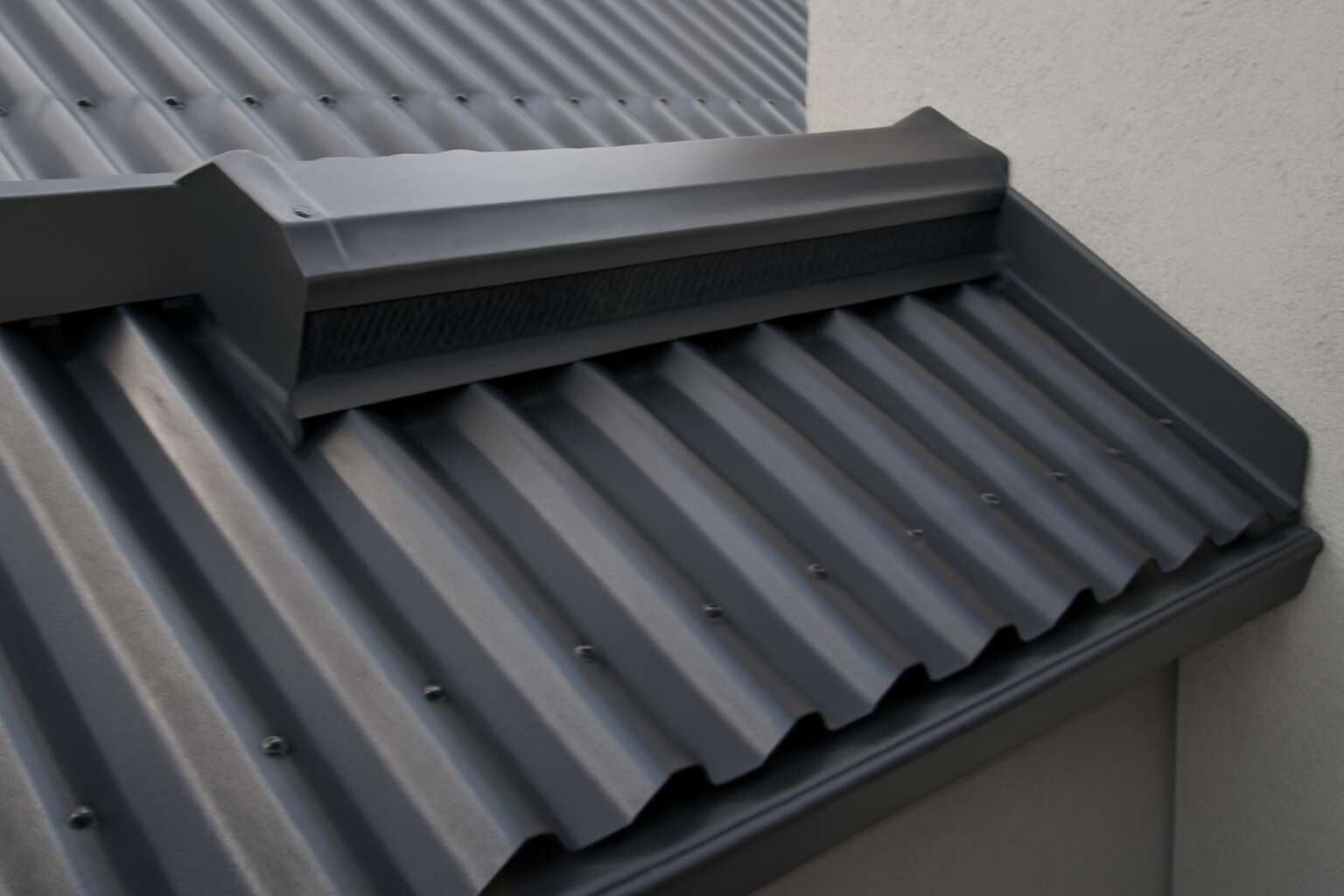
Understanding Cor-A-Vent Roof to Wall Ventilation Systems
Overview of Cor-A-Vent Products – Introduction to Cor-A-Vent brand and its product range
In the realm of building integrity, few innovations rival the ingenuity of Cor-A-Vent roof to wall ventilation systems. These marvels are designed to seamlessly blend functionality with durability, ensuring that your structure breathes with ease. Proper ventilation isn’t just a matter of comfort; it’s the cornerstone of longevity, especially in South Africa’s diverse climate. Cor-A-Vent products are engineered to prevent moisture buildup and temperature extremes that can compromise the integrity of your roof and walls.
Understanding the core of Cor-A-Vent roof to wall systems reveals a meticulous attention to detail. Their product range offers solutions that are both versatile and robust, tailored to meet the specific needs of different building types. From the innovative design of the Cor-A-Vent vent to the seamless integration with existing structures, these products stand out for their reliability and efficiency.
- Cor-A-Vent’s comprehensive range includes roof and wall vents designed for optimal airflow
- Durable materials ensure long-term performance against South Africa’s weather fluctuations
- Easy installation with a focus on maintaining structural integrity
When considering a cor a vent roof 2 wall system, it’s essential to recognize how these components work together to create a balanced ventilation environment. This synergy not only enhances energy efficiency but also preserves the aesthetic appeal of your building, making Cor-A-Vent a trusted name in the industry.
Importance of Roof to Wall Ventilation – Benefits of proper ventilation in roofing and wall systems
In the grand theatre of building design, few elements command as much silent respect as a well-ventilated roof to wall system. Proper ventilation isn’t merely a luxury; it’s the unsung hero that preserves the longevity of your structure, especially amidst South Africa’s capricious climate. When moisture lingers too long or temperatures soar unchecked, the very fabric of your building can succumb to deterioration. That’s where the importance of a cor a vent roof 2 wall system becomes glaringly obvious.
By facilitating a harmonious flow of air between the roof and walls, these systems prevent the buildup of condensation and temperature extremes. This equilibrium is crucial—not just for protecting your investment but also for maintaining indoor air quality and energy efficiency. Think of a cor a vent roof 2 wall as the respiratory system of your building; it breathes life into the structure, ensuring that it remains robust and resilient over time.
To understand the full scope of its benefits, consider:
- Enhanced moisture control, reducing the risk of mold and wood rot
- Improved energy efficiency, leading to lower utility bills
- Extended roof and wall lifespan, safeguarding your property’s value
In essence, a well-executed cor a vent roof 2 wall system acts as both protector and enhancer, quietly orchestrating an environment where structures can thrive despite South Africa’s weather whims. It’s an elegant solution that marries innovation with practicality—delivering peace of mind for those who demand durability and performance.
Applications of Cor-A-Vent Roof to Wall Vents – Common use cases in residential, commercial, and industrial buildings
In the shadowed corridors of construction, where every breath of air is a silent sentinel guarding the integrity of a building, the cor a vent roof 2 wall system emerges as an essential guardian. Its application stretches beyond mere architectural ornament—it’s a vital lifeline that preserves the soul of a structure, especially within South Africa’s unpredictable climate. The versatility of the cor a vent roof 2 wall system makes it a favored choice across diverse realms, from humble residences to sprawling industrial complexes.
In residential settings, these vents serve as the vigilant gatekeepers, preventing moisture buildup that can lead to mold or wood rot. Commercial buildings, with their expansive roofs and complex wall systems, depend on cor a vent roof 2 wall to facilitate the steady flow of air, ensuring indoor environments remain fresh and energy-efficient. Industrial applications, often exposed to harsher conditions, rely heavily on these systems to maintain structural resilience and operational safety.
Often, the application of cor a vent roof 2 wall involves simple, yet crucial, steps:
- Strategic placement along roof ridges and eaves
- Integration with wall panels for optimal airflow
- Ensuring compatibility with insulation and moisture barriers
Whether bolstering the integrity of a heritage building or safeguarding the modern marvels of industry, the cor a vent roof 2 wall system is an unassuming yet powerful ally—an unseen force that breathes life into the very bones of South African architecture. Its silent vigil ensures that, regardless of the tempest outside, the internal sanctum remains steadfast and enduring.
Design Features of Cor-A-Vent Roof to Wall Vents
Material Specifications – Durability, corrosion resistance, and quality standards
When it comes to ensuring long-lasting durability in your building’s ventilation system, the materials used in cor a vent roof 2 wall are nothing short of critical. These vents are engineered to withstand the harsh South African climate—think intense sun, heavy rain, and even coastal salt spray—without compromising performance. The materials are selected with meticulous precision, meeting stringent industry standards to guarantee both resilience and efficiency.
Cor-A-Vent roof to wall vents are crafted from high-quality, corrosion-resistant materials, primarily designed to endure the relentless elements. This ensures that your ventilation remains unobstructed over decades—saving costs and reducing maintenance. The materials’ durability is further enhanced by advanced manufacturing processes that align with international quality standards, providing confidence that each vent will perform reliably under demanding conditions.
For added peace of mind, many cor a vent roof 2 wall systems incorporate features such as UV stabilization and seamless sealing, which prevent deterioration over time. Whether installed in residential, commercial, or industrial settings, these vents stand as a testament to robust engineering. Their ability to resist corrosion and environmental wear makes them an indispensable choice for projects requiring longevity and consistent airflow.
Ventilation Efficiency – Airflow design, size options, and performance metrics
In the realm of architectural innovation, the design of cor a vent roof 2 wall systems exemplifies a meticulous balance between form and function. These vents are crafted to optimize airflow, ensuring that ventilation is not merely functional but a seamless extension of the building’s integrity. The airflow design considers not just volume but the quality of air exchange, reducing humidity and preventing mold growth, which is critical in South Africa’s diverse climate.
Size options are thoughtfully engineered to cater to a broad spectrum of applications—from compact residential spaces to expansive industrial complexes. The performance metrics of cor a vent roof 2 wall systems are impressive, often exceeding industry standards, thanks to advanced aerodynamic profiles and precision manufacturing. This ensures that every vent offers consistent airflow, even under fluctuating weather conditions.
What truly sets these systems apart is their adaptability and performance reliability. Incorporating features like adjustable dampers and seamless sealing, cor a vent roof 2 wall vents are designed to maintain optimal ventilation without compromise. Their ability to deliver superior airflow while resisting environmental wear underscores their importance in sustainable building practices.
Integration with Building Envelope – Compatibility with roofing and wall materials
When it comes to architectural harmony, the integration of cor a vent roof 2 wall systems with the building envelope is a masterpiece of compatibility and durability. These vents are engineered to seamlessly blend with a variety of roofing and wall materials, ensuring that the structure remains airtight yet breathable. This thoughtful compatibility is vital in South Africa’s diverse climate, where buildings must withstand both humid coastal air and arid inland conditions.
The design features of cor a vent roof 2 wall vents emphasize adaptability. Their construction allows for easy installation alongside different roofing materials such as metal, tile, or composite shingles, while also accommodating various wall finishes. To enhance versatility, these systems often include adjustable dampers and seamless sealing, securing the building’s envelope against environmental elements while maintaining optimal airflow.
Consider the following key aspects of cor a vent roof 2 wall integration:
- Compatibility with a broad spectrum of roofing materials
- Corrosion-resistant finishes suitable for South Africa’s coastal and inland climates
- Flexible mounting options to suit different wall structures
Ultimately, the design ingenuity behind cor a vent roof 2 wall ensures that ventilation is not just effective but also an integral part of the building’s overall resilience. This fusion of form and function safeguards the structure’s longevity, allowing it to breathe easy through every season—an essential trait for sustainable architecture in South Africa’s ever-changing environment.
UV and Weather Resistance – Protection against environmental elements
In the realm of architectural ingenuity, the durability of cor a vent roof 2 wall systems stands as a testament to engineering mastery against the relentless forces of nature. One of their most remarkable design features is their innate UV and weather resistance, ensuring longevity even under South Africa’s capricious climate. These vents are meticulously crafted with advanced polymers and protective coatings that defy the damaging effects of ultraviolet rays, preventing deterioration and maintaining their structural integrity over time.
Their weather-resistant design acts as a steadfast guardian, shielding the building’s interior from rain, wind, and dust infiltration. The seamless sealing and adjustable dampers further bolster this defense, allowing for controlled airflow while preventing environmental intrusion. For those seeking an extra layer of assurance, cor a vent roof 2 wall incorporates corrosion-resistant finishes, making them ideal for coastal zones with salty air or inland environments prone to dust and temperature fluctuations.
When it comes to safeguarding your investment, the resilient construction of cor a vent roof 2 wall is unmatched. Its ability to withstand South Africa’s diverse environmental elements makes it an essential component in sustainable building design—where form meets formidable function!
Installation Guidelines for Cor-A-Vent Roof to Wall Vents
Pre-Installation Planning – Site assessment and preparation
Embarking on the journey of installing a cor a vent roof 2 wall demands meticulous prelude—a symphony of site assessment and preparation that sets the stage for flawless integration. In South Africa’s diverse climate, understanding the unique environmental nuances is paramount; the wind’s whisper and the sun’s relentless gaze shape every decision. It’s a dance with nature, ensuring the building’s heart remains resilient and breathes freely.
The first step involves a thorough site assessment—evaluating existing structures, identifying potential obstructions, and understanding the airflow dynamics. Preparing the installation area requires removing debris, ensuring a clean, stable surface that guarantees optimal performance of the cor a vent roof 2 wall. Proper planning minimizes surprises and maximizes efficiency, turning a complex task into a harmonious process. When done right, this foundation elevates the entire ventilation system, promising durability and seamless integration with the building envelope.
Step-by-Step Installation Process – Detailed procedures for proper setup
Installing a cor a vent roof 2 wall demands precision and attention to detail. The process begins with careful measurement of the space, ensuring the vent aligns perfectly with the roof and wall surfaces. Proper sealing is crucial—any gaps can compromise airflow and weather resistance. During installation, secure the vent using the recommended fasteners, maintaining a tight fit that withstands South Africa’s diverse climate conditions.
Next, follow these steps for seamless integration:
- Position the cor a vent roof 2 wall at the designated opening, ensuring it sits flush against the building envelope.
- Attach the vent using corrosion-resistant screws, ensuring each fastener is snug but not over-tightened.
- Check that the airflow channels are unobstructed, allowing for maximum ventilation efficiency.
- Seal the edges with weatherproof sealant to prevent water ingress and ensure UV resistance.
Final inspection involves verifying the vent’s stability and sealing integrity. Proper installation not only guarantees optimal airflow but also extends the lifespan of your cor a vent roof 2 wall, making it a vital component in sustainable building design. Precision during setup is essential for achieving the performance standards expected of Cor-A-Vent products in South Africa’s demanding environment.
Common Installation Mistakes to Avoid – Tips to ensure optimal performance
In the intricate dance of building integrity, a single misstep can turn a symphony of ventilation into a discordant echo. When installing a cor a vent roof 2 wall, precision is not merely recommended; it is essential. A small oversight—such as improper sealing or misaligned positioning—can compromise airflow, inviting moisture and structural decay. South Africa’s diverse climate demands that each installation withstand the relentless march of sun, rain, and wind.
Common installation mistakes often stem from neglecting the importance of proper sealing around the edges or over-tightening fasteners, which can distort the vent’s form and function. To avoid these pitfalls, meticulous attention to detail is paramount. Ensure the cor a vent roof 2 wall sits flush against the building envelope, with all fasteners snug but not over-tightened. Consider the airflow channels—any obstruction here diminishes ventilation efficiency and defeats the purpose of the vent.
Remember, sealing with weatherproof sealant is the final safeguard—preventing water ingress and shielding against UV damage. An optimal installation harmonizes the vent’s design with the building’s materials, extending its lifespan and securing its performance against the elements. Embrace these guidelines, and the cor a vent roof 2 wall will serve as a steadfast guardian of airflow, weather resistance, and durability.
Tools and Accessories Needed – Required hardware and tools for installation
Achieving a seamless and durable installation of the cor a vent roof 2 wall requires more than just placing the vent in position; it demands the right tools and meticulous preparation. Proper hardware and accessories are essential to ensure that the vent functions optimally and withstands South Africa’s challenging climate. The selection of fasteners, sealants, and mounting brackets influences the longevity and performance of the system.
For a professional-grade installation, gather a comprehensive set of tools, including a drill, screwdrivers, a sealing gun, and measuring tape. Weatherproof sealant is non-negotiable—its application around the edges acts as a barrier against moisture ingress and UV degradation. The hardware list might include:
- Corrosion-resistant screws and fasteners
- Weatherproof sealant
- Mounting brackets and spacers
- Sealant gun for precise application
Ensuring each component is compatible with the cor a vent roof 2 wall’s design and the building’s structural elements is critical. The right tools and accessories transform a basic installation into a resilient, high-performance ventilation system, capable of withstanding South Africa’s sun, rain, and wind. Proper preparation and the use of quality hardware are the foundation of a successful and enduring cor a vent roof 2 wall installation.
Maintenance and Troubleshooting of Cor-A-Vent Roof to Wall Vents
Routine Inspection Tips – How to check for blockages, corrosion, or damage
In the shadows of your building’s façade, the cor a vent roof 2 wall silently guards the sanctity of your interior, but even the most steadfast guardians can falter. Routine inspection is the key to unmasking silent threats—blockages, corrosion, or unseen damage that lurk beneath the surface, threatening to compromise airflow and structural integrity. A neglected vent can become a conduit for moisture, mold, and decay, turning a simple maintenance task into a macabre dance against time.
Performing regular checks involves a keen eye and a gentle touch. Begin by visually inspecting the cor a vent roof 2 wall for signs of corrosion—rust streaks, discoloration, or warping. Next, test for blockages by gently clearing debris or obstructions that may have accumulated. If you notice any dents or cracks, it’s a signal that the vent has sustained damage—an unwelcome breach in your building’s natural defense system. Remember, consistent vigilance transforms a potential catastrophe into a manageable anomaly, ensuring your vent remains a silent sentinel rather than a gateway for chaos.
Cleaning Procedures – Maintaining optimal airflow and longevity
Maintaining your cor a vent roof 2 wall is more than just a chore; it’s a safeguard against silent, creeping hazards that could turn your building into a moldy mausoleum. Regular cleaning not only ensures optimal airflow but also extends the lifespan of your vent system. Over time, dirt, debris, and even small animals can settle in, obstructing vital ventilation pathways. Neglecting this can result in moisture buildup, which invites decay and mold—two uninvited guests nobody wants crashing the party.
Start by inspecting the exterior of your cor a vent roof 2 wall. Remove any accumulated debris gently, ensuring you don’t damage the vent’s delicate materials. For tougher grime, a soft brush or cloth dipped in mild soapy water usually does the trick. If you notice corrosion or cracks, it’s time to consider repairs or replacement—don’t wait until it’s too late! Remember, a clean and well-maintained cor a vent roof 2 wall is your building’s best defense against environmental wear and tear, helping maintain its structural integrity and airflow efficiency.
To streamline your maintenance routine, here’s a simple checklist:
- Clear debris from the vent opening
- Inspect for signs of corrosion or cracking
- Gently scrub the surface with suitable cleaning agents
- Check for any obstructions blocking airflow
- Ensure the vent’s sealants are intact and effective
Performing these steps regularly ensures your cor a vent roof 2 wall remains an unobstructed guardian—keeping moisture out and airflow flowing smoothly. Remember, prevention is always better than cure, especially when it comes to your building’s ventilation system. So, roll up your sleeves and give your cor a vent the TLC it deserves—your building’s health depends on it!
Common Issues and Solutions – Addressing leaks, blockages, and deterioration
Even the most robust cor a vent roof 2 wall systems can face unforeseen challenges over time. Leaks, blockages, and deterioration are common issues that threaten to compromise your building’s ventilation and structural integrity. Recognizing and addressing these problems early can save you costly repairs and ensure your ventilation system functions flawlessly.
Leaks often stem from damaged sealants or cracks that develop due to weather exposure. These can be tricky to detect at first but manifest as water stains or damp patches. Blockages, on the other hand, are typically caused by debris, dirt, or small animals nesting within the vent. Regular inspections can help spot these obstructions before airflow becomes severely restricted.
When troubleshooting a cor a vent roof 2 wall, start with a visual inspection. Check for signs of corrosion, cracks, or loose fittings. If you notice any deterioration, it’s essential to replace damaged sections promptly. For blockages, a gentle cleaning with a soft brush or compressed air can often clear the passageways. In persistent cases, consider professional assistance to ensure thorough maintenance.
- Inspect for visible leaks or water damage.
- Remove debris carefully to avoid damaging the vent’s delicate materials.
- Check the integrity of sealants and fittings.
- Clean out obstructions to restore proper airflow.
Addressing these common issues with diligence not only prolongs the lifespan of your cor a vent roof 2 wall but also guarantees optimal ventilation performance—protecting your building from moisture buildup and ensuring a healthy indoor environment. Remember, the key to long-term success with your vent system is proactive maintenance and timely troubleshooting!
Benefits of Using Cor-A-Vent Roof to Wall Vents
Enhanced Airflow and Ventilation – Improving indoor air quality and moisture control
When it comes to maintaining a building’s integrity, airflow isn’t just a nice-to-have; it’s the backbone of a healthy, moisture-free environment. Cor-A-Vent roof to wall vents are the unsung heroes in this saga, transforming what could be a stuffy, damp nightmare into a well-ventilated sanctuary. These vents facilitate enhanced airflow and ventilation, ensuring that hot, humid air escapes while fresh air circulates. This process not only preserves the structural elements but also upholds indoor air quality—something South African homeowners and builders alike truly appreciate.
What makes cor a vent roof 2 wall an especially clever choice is its ability to seamlessly integrate with various building envelopes, providing a natural path for air to flow. In regions where climate can be unpredictable, these vents act as a robust barrier against moisture buildup and condensation. Whether you’re safeguarding a cozy residence or a bustling industrial hub, the benefits of proper ventilation are undeniable. After all, nobody wants their walls to become a breeding ground for mold or their roofs to turn into sauna chambers!
Energy Efficiency – Reducing cooling and heating costs
Energy efficiency isn’t just a buzzword; it’s a vital component of sustainable building practices, especially in South Africa’s diverse climate. Cor-A-Vent roof 2 wall vents play a pivotal role in reducing heating and cooling costs by optimizing airflow within a structure. When hot air escapes through these expertly designed vents, it creates a natural cooling effect that diminishes the reliance on air conditioning, translating into significant energy savings.
The secret lies in their intelligent airflow design and versatile size options, which allow for seamless integration with various roofing and wall materials. This compatibility ensures that the building envelope remains airtight where needed, while still facilitating efficient ventilation. By maintaining a balanced internal environment, cor a vent roof 2 wall helps prevent energy loss caused by moisture buildup and temperature fluctuations.
In regions where climate unpredictability is a given, these vents not only contribute to energy efficiency but also protect against structural deterioration. The result? Reduced utility bills and a more sustainable footprint, making cor a vent roof 2 wall a smart investment for both residential and commercial properties. It’s a game-changer in the quest for a more energy-conscious approach to building design.
Compliance with Building Codes – Meeting industry standards and regulations
Compliance with building codes isn’t just a bureaucratic checkbox; it’s the backbone of safe, durable, and environmentally responsible construction. When it comes to cor a vent roof 2 wall, adherence to local standards and industry regulations ensures your ventilation system not only functions flawlessly but also passes inspection without a fuss. These vents are designed with strict compliance in mind, meeting South Africa’s evolving building regulations and energy efficiency mandates.
Using cor a vent roof 2 wall in your project guarantees that your structure aligns with the necessary safety and quality benchmarks. This means less risk of costly rework or penalties down the line. Plus, these vents often come with certification labels that make the approval process smoother and faster. In essence, choosing compliant cor a vent roof 2 wall solutions is a smart way to future-proof your building—because no one wants their latest masterpiece to be a regulatory headache!
Long-Term Cost Savings – Reduced maintenance and replacement costs
In an era where sustainability and cost-efficiency shape our architectural ambitions, the long-term financial benefits of choosing the right ventilation system are often underestimated. Cor-A-Vent roof to wall vents stand as a testament to this truth—delivering not only superior airflow but also remarkable savings over the lifespan of a building. When properly integrated, these vents significantly reduce the need for frequent maintenance, preventing the buildup of moisture and corrosion that can lead to costly repairs or replacements. The durability of cor a vent roof 2 wall, backed by high-quality materials, ensures that the initial investment pays dividends in the future, safeguarding your structure from environmental wear and tear.
- Reduced need for costly repairs due to corrosion or blockages
- Extended lifespan of the ventilation system and surrounding materials
- Lower energy costs owing to improved airflow and moisture control
Opting for cor a vent roof 2 wall solutions means fewer interruptions and less downtime, translating into tangible savings that resonate long after installation. In essence, these innovative vents are more than just a functional component—they are a strategic choice for those committed to durability, efficiency, and economic prudence in their building projects.
Choosing the Right Cor-A-Vent Roof to Wall Vent for Your Project
Factors to Consider – Building size, climate, and specific ventilation needs
When selecting the right Cor-A-Vent roof to wall vent for your project, it’s crucial to consider several key factors that can influence the overall effectiveness of your ventilation system. Building size plays a significant role—larger structures require vents with higher airflow capacity to prevent moisture buildup and ensure proper air circulation. Climate also impacts your choice; in humid South African regions, a Cor-A-Vent roof 2 wall with enhanced weather resistance can make all the difference in maintaining a dry, healthy environment.
Furthermore, specific ventilation needs should never be overlooked. Whether you’re working on a residential home or a commercial warehouse, the type of Cor-A-Vent roof 2 wall you select should align with your unique requirements. For example, some projects demand higher durability and UV resistance, especially in exposed outdoor settings.
A practical approach involves evaluating these elements carefully, ensuring the vent you choose maximizes airflow efficiency, withstands local climate conditions, and fits seamlessly into your building’s design.
Product Compatibility – Matching with roofing and wall materials
Choosing the ideal cor a vent roof 2 wall requires a keen eye for material compatibility—imagine a seamless symphony where every element harmonizes perfectly. The aesthetic and functional integrity of your building hinges on matching ventilation components with existing roofing and wall materials. When selecting a cor a vent roof 2 wall, consider whether your structure employs metal, tiled, or composite surfaces. Each material demands a tailored approach to ensure durability and optimal airflow.
Matching the vent to your building’s material not only enhances longevity but also fortifies the structure against environmental challenges. For instance, in South Africa’s unpredictable climate, where coastal humidity and intense sunlight are common, corrosion-resistant finishes are paramount. The compatibility between your cor a vent roof 2 wall and your building’s envelope ensures sustained performance, reducing long-term maintenance costs.
- Metal roofing requires corrosion-resistant coatings for the cor a vent roof 2 wall.
- Clay or concrete walls benefit from vents with robust UV stabilization.
- Composite surfaces demand flexible mounting options to prevent damage and ensure a secure fit.
By meticulously choosing a cor a vent roof 2 wall that aligns with your unique building materials, you forge a resilient barrier against the elements, ensuring efficient ventilation and peace of mind for years to come.
Expert Recommendations – Consulting with professionals for optimal selection
Choosing the right cor a vent roof 2 wall is a pivotal decision that can influence the longevity and performance of your building’s envelope. It’s not merely about selecting a product; it’s about understanding the nuanced interplay between ventilation and material integrity. An expert consultation can illuminate the path, ensuring that your choice aligns with both your aesthetic aspirations and structural requirements. When considering a cor a vent roof 2 wall, professionals evaluate factors like environmental conditions, building orientation, and material compatibility, tailoring solutions that withstand South Africa’s unique climate challenges.
For optimal results, engaging with specialists ensures the correct sizing, placement, and material compatibility of your cor a vent roof 2 wall. They can help you navigate the complexities of integrating ventilation components with roofing and wall surfaces, whether metal, tiled, or composite. Remember—every building has a story, and selecting the right vent is about safeguarding that story against the relentless march of time and weather. The right advice can make all the difference, transforming a simple installation into a resilient barrier that sustains your structure’s integrity for decades to come.

0 Comments