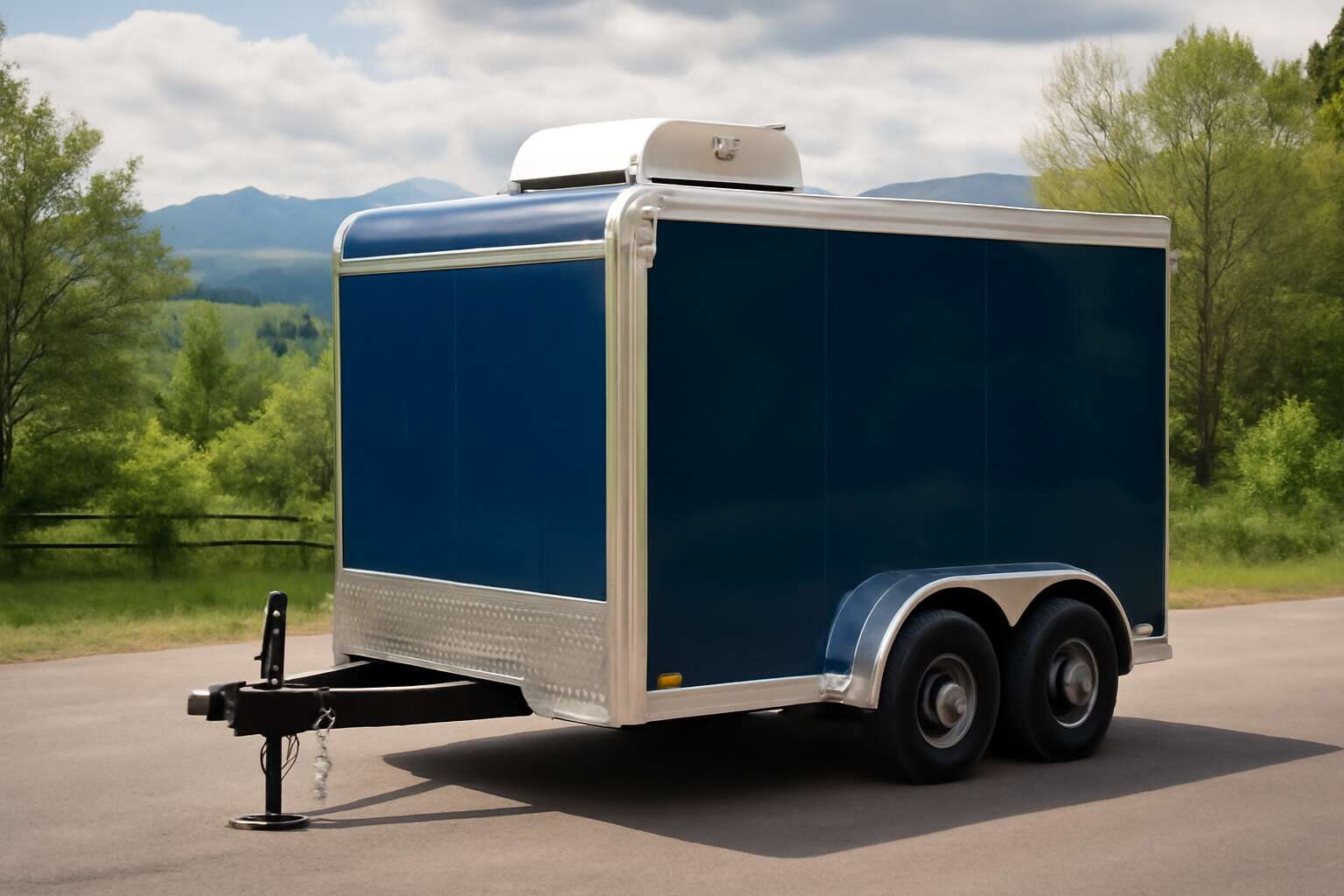
Understanding Roof Vent Enclosed Trailers
Definition and Overview – What is a roof vent enclosed trailer?
Key Features and Components – Essential parts of a roof vent enclosed trailer
In the world of transportation, efficiency and durability often hinge on subtle yet critical components—enter the roof vent enclosed trailer. This unassuming feature plays a pivotal role in maintaining optimal airflow and temperature regulation within the trailer, ensuring that cargo remains in pristine condition. Without proper ventilation, heat buildup can turn a simple trip into a sweaty ordeal for your goods, especially in South Africa’s sweltering climate.
Essential parts of a roof vent enclosed trailer include the vent itself, which acts as a gateway for fresh air, and the sealing mechanisms that prevent leaks and dust ingress. A well-designed roof vent will often incorporate adjustable louvers or automatic vents, offering a balance between ventilation and protection from the elements. The integration of these components is what elevates a basic trailer into a reliable workhorse, ready to face the rigours of daily use.
Furthermore, the construction of a roof vent enclosed trailer typically involves corrosion-resistant materials, ensuring longevity in diverse environments. Whether hauling perishable goods or delicate equipment, these key features work harmoniously to provide peace of mind for operators—because in the end, a well-ventilated trailer is a happy trailer.
Common Uses and Applications – Industries and activities that benefit from roof vent enclosed trailers
In the dynamic landscape of South African commerce and craftsmanship, certain tools and assets transcend mere functionality—becoming silent guardians of quality and reliability. The roof vent enclosed trailer exemplifies this principle, serving as an essential component for a variety of industries and activities. Its capacity to facilitate superior airflow and temperature control makes it indispensable for transporting sensitive goods or equipment, especially in regions where the climate can be unforgiving.
Many sectors benefit profoundly from a roof vent enclosed trailer’s capabilities. Food and beverage companies, for instance, rely on these trailers to keep perishables fresh during transit, combating the intense heat typical of South Africa’s summers. Similarly, the agricultural sector uses them to transport produce without compromising freshness. Construction and trade services also find value in these trailers, as they often carry delicate tools or materials that require a stable environment. For these applications, the importance of proper ventilation cannot be overstated.
- Perishable goods transportation
- Equipment and machinery logistics
- Trade and construction materials
- Event equipment and mobile setups
Ultimately, the versatility and resilience of a roof vent enclosed trailer make it a cornerstone in many operational workflows. The ability to adapt to diverse needs—whether in a bustling urban setting or a remote farm—underscores its vital role in South Africa’s vibrant economy. As industries evolve, so does the significance of this underestimated yet critical asset, ensuring that no matter the challenge, your cargo remains protected and well-ventilated.
Benefits of Installing Roof Vents in Enclosed Trailers
Enhanced Air Circulation – How roof vents improve airflow inside the trailer
Proper airflow isn’t just comfort — it’s essential for preserving your cargo. Installing a roof vent enclosed trailer significantly enhances air circulation, preventing heat buildup and moisture accumulation. Without these vents, trapped heat can turn a good job into a ruined one, especially in South Africa’s sweltering summers. A well-placed roof vent acts like a natural exhaust, drawing stale air out and pulling fresh air in. This constant exchange keeps the interior environment stable, protecting sensitive equipment, tools, or even perishables stored inside.
In fact, improved ventilation reduces the risk of rust, mold, and deterioration, extending the lifespan of your trailer’s contents. For those working in construction, agriculture, or transport, a roof vent enclosed trailer isn’t just a luxury — it’s a necessity. It’s a simple upgrade that makes a big difference in maintaining optimal conditions inside your trailer, no matter the weather outside. Plus, with multiple vent options available, you can customize your roof vent enclosed trailer for maximum airflow and efficiency.
Temperature Regulation – Maintaining optimal temperatures for cargo
Temperature regulation within a roof vent enclosed trailer is more than a mere comfort—it’s a safeguard for your valuable cargo. South Africa’s blazing summers can turn a confined space into a furnace, risking damage to delicate equipment, perishables, or tools. Installing a roof vent transforms your trailer into a sanctuary of controlled climate, where heat escapes effortlessly and fresh air flows in like a gentle breeze through an open window.
By facilitating natural airflow, a roof vent enclosed trailer helps maintain consistent temperatures, preventing the sweltering heat from seeping into every corner. This simple addition can make the difference between a well-preserved load and spoilage. For those who rely on their trailer for professional or personal ventures, the benefits are undeniable. A well-ventilated trailer ensures your cargo remains in pristine condition, no matter the weather outside.
Consider the various options available; some roof vents feature adjustable louvers or automated fans that respond to temperature changes. Such features enhance the trailer’s ability to regulate internal conditions, creating an environment where heat rises and escapes with ease. The result is a cooler, safer space—one that significantly extends the lifespan of your contents and reduces the risk of deterioration.
Ultimately, investing in a roof vent enclosed trailer is an act of foresight. It’s a silent guardian against the relentless heat, a partner in preserving your assets, and a testament to thoughtful craftsmanship. When the sun beats down fiercely, your trailer’s ventilation system works tirelessly—an unseen hero ensuring your cargo stays just right, no matter the season.
Moisture Control and Prevention of Mold – Reducing humidity and preventing damage
In the shadowed corners of cargo sanctuaries, moisture lurks like a silent predator, waiting to strike at the heart of your valuable possessions. A roof vent enclosed trailer acts as a vigilant guardian, banishing dampness and thwarting the insidious spread of mold. The relentless South African sun and humid nights conspire to turn enclosed spaces into breeding grounds for decay, yet a carefully installed roof vent transforms this battleground into a battalion of airflow—an invisible army fighting to preserve integrity.
By reducing humidity levels, a roof vent enclosed trailer creates an environment where moisture cannot flourish. This essential feature prevents the formation of mold and mildew, which threaten to corrode and damage your cargo over time. The natural ventilation ensures that dampness evaporates before it can embed itself into the fabric of your trailer’s interior. In a land where the climate oscillates unpredictably, this silent protector becomes a vital asset, tirelessly working behind the scenes.
In fact, the benefits extend beyond mere moisture control. Proper airflow not only preserves the physical integrity of your cargo but also maintains a healthier environment inside the trailer. For those who transport perishable goods or delicate equipment, this can mean the difference between success and catastrophic loss. When investing in a roof vent enclosed trailer, you’re embracing a safeguard that quietly ensures your assets endure the relentless march of time and weather.
Ventilation for Safety and Comfort – Ensuring safety for users and protecting sensitive materials
In the vast landscapes of South Africa, where the sun’s relentless glare meets humid nights, safety and comfort inside your cargo trailer are paramount. A roof vent enclosed trailer stands as a silent sentinel, fostering a sanctuary where air flows freely, and the risks of suffocation or heat exhaustion diminish. Proper ventilation is not merely a feature; it is a lifeline—ensuring that everyone who steps inside remains at ease, shielded from the oppressive heat and stale air that can compromise safety.
Beyond human comfort, the roof vent enclosed trailer plays a crucial role in safeguarding sensitive materials and equipment. Overheated or poorly ventilated spaces can accelerate deterioration, especially for delicate electronics or perishable goods. To illustrate, an effective roof vent creates a natural pressure difference, drawing in fresh air and expelling harmful fumes or moisture. This continuous exchange of air prevents the build-up of dangerous gases and maintains an environment where safety is woven into every detail.
Consider the following benefits of installing a roof vent in your enclosed trailer:
- Enhanced safety for users, reducing risks associated with heat and toxic fumes.
- Protection of valuable cargo from temperature fluctuations and moisture damage.
- Improved air quality, fostering a healthier environment inside the trailer.
With these advantages, the roof vent enclosed trailer becomes more than a transportation solution—it transforms into a haven of security and well-being, where every journey is backed by the assurance that safety and comfort are built into its very fabric. The elegance of well-designed ventilation lies in its quiet power—an unassuming guardian that preserves life, property, and the pursuit of the South African dream.
Types of Roof Vents for Enclosed Trailers
Ridge Vents – Design and advantages of ridge vents
Among the various types of roof vents for an enclosed trailer, ridge vents stand out as a marvel of engineering and design. These vents run along the peak of the trailer’s roof, creating a natural pathway for hot air to escape and fresh air to flow in seamlessly. The elegance of ridge vents lies in their ability to provide continuous ventilation without compromising the trailer’s aerodynamic profile or exterior aesthetics.
One of the greatest advantages of a roof vent enclosed trailer equipped with ridge vents is their capacity to maintain a consistent airflow, even during the hottest South African summers. As warm air rises, the ridge vent acts like a chimney, drawing out the heat and moisture, which enhances the overall climate inside the trailer. This natural ventilation system reduces the need for powered fans, making it a highly energy-efficient choice.
In addition to temperature regulation, ridge vents significantly improve moisture control, preventing the build-up of mold and mildew. For those who transport sensitive equipment or perishables, this feature offers peace of mind. For a roof vent enclosed trailer, the blend of functionality and durability makes ridge vents an essential component in safeguarding cargo and ensuring optimal conditions during transit.
Gable Vents – Features of gable-mounted roof vents
In the shadowy realm of enclosed trailers, where darkness often lurks just beneath the surface, gable vents emerge as silent guardians—watchers perched high on the trailer’s facade. These roof vents for enclosed trailers are more than mere openings; they are sentinels that facilitate an unceasing exchange of air, whispering tales of airflow that keep the interior from succumbing to stagnation. Their distinctive triangular or rectangular shape, mounted at the gable end, allows them to harness natural convection, pulling stale air out while inviting fresh breath in.
Unlike ridge vents that trace the crest of the trailer, gable vents serve a more targeted purpose—ventilating specific compartments or sections within the enclosed trailer. Their simplicity conceals an intricate dance of heat and humidity, which they manage with stoic grace. They often feature louvers or screens, shielding the interior from debris and unwanted trespassers, while still permitting the vital currents of air to flow freely. When the heat of South African summers intensifies, these vents become vital—transforming the enclosed space into a refuge, a sanctuary from the oppressive sun.
- Durability against the elements, often constructed with galvanized steel or weather-resistant plastics, ensuring longevity in harsh conditions.
- Ease of installation—mounted directly onto the gable end, they seamlessly integrate into the roofline, maintaining the trailer’s aerodynamic integrity.
- Adjustable louvers or shutters to control airflow, allowing owners to tailor ventilation according to the cargo’s needs or weather conditions.
In essence, gable vents for a roof vent enclosed trailer are the silent sentinels of ventilation—guardians of comfort and safety amid the shadows. They do not shout their presence but work tirelessly behind the scenes, ensuring the dark, enclosed space remains a bastion against the encroaching chaos of moisture, heat, and stagnation. A perfect symphony of function and form, they whisper the secrets of airflow that preserve the sanctity of cargo, even in the most unforgiving environments.
Powered Vent Fans – Electric options for enhanced airflow
In the realm of ventilation options for a roof vent enclosed trailer, powered vent fans stand out as the maestros of airflow. Unlike passive vents that rely solely on natural convection, these electric marvels actively draw out stale air and usher in fresh breezes, transforming enclosed spaces into breezy sanctuaries. Their motorized blades spin with purpose, humming a lullaby of improved interior conditions while seamlessly integrating into the trailer’s roofline.
For those seeking precision in airflow management, powered vent fans often come with adjustable speed settings. This feature ensures tailored ventilation—whether you’re airing out a freshly painted cargo or maintaining a cool environment during South Africa’s blistering summer days. Some models even boast thermostatic controls, activating only when temperatures rise beyond a preset threshold, conserving energy and prolonging their lifespan.
Consider these key features:
- Electric operation for reliable, consistent airflow
- Adjustable speed and temperature controls for custom ventilation
- Weather-resistant construction to withstand harsh outdoor conditions
In the grand tapestry of a roof vent enclosed trailer, powered vent fans provide an extra layer of control—an indispensable tool for safeguarding your cargo against the perils of excess humidity and heat. They are the silent artisans behind a well-ventilated interior, ensuring that your enclosed trailer remains a bastion of comfort, no matter the climate’s caprice.
Passive Vents – Simple, manual ventilation options
While passive vents may seem humble in comparison to their powered counterparts, they play a vital role in the ventilation ecosystem of a roof vent enclosed trailer. These simple, manual options harness the natural forces of wind and temperature differences to promote airflow without the need for electricity. Their unobtrusive design allows them to blend seamlessly into the trailer’s roofline, making them an attractive choice for those seeking a cost-effective and low-maintenance solution.
Passive vents typically feature adjustable louvers or flaps, enabling users to control the degree of airflow. When the wind blows, these vents open naturally, releasing stale air and drawing in fresh breezes. Conversely, during calmer conditions, they remain partially closed, reducing heat loss or entry of unwanted elements. For those who prefer a straightforward approach, these vents provide reliable, no-fuss ventilation that complements powered systems in a roof vent enclosed trailer.
In some models, installation involves simple mounting and sealing, making it accessible even for the less technically inclined. They are especially effective in moderate climates, where natural ventilation suffices to maintain suitable interior conditions. Whether for protecting sensitive cargo or enhancing comfort, passive vents serve as the silent guardians of airflow—an essential element in the complex tapestry of roof vent enclosed trailer design.
Factors to Consider When Choosing a Roof Vent
Size and Capacity – Matching vent size to trailer dimensions and airflow needs
Choosing the right roof vent size for your roof vent enclosed trailer can feel like navigating a labyrinth—each decision impacting airflow, temperature, and the safety of your cargo. The key is to match the vent’s capacity to the dimensions of your trailer, ensuring optimal ventilation without sacrificing structural integrity.
A larger roof vent may seem appealing, but it can lead to excessive airflow, causing temperature fluctuations that compromise sensitive materials. Conversely, a vent that’s too small won’t provide enough circulation, risking moisture buildup and mold.
Consider the trailer’s volume and typical load conditions. For example, a 7’ by 14’ enclosed trailer may require a roof vent with a capacity that balances airflow needs with durability. An effective approach involves assessing the trailer’s cubic footage and the expected humidity levels—this is where understanding the importance of matching vent size to your trailer’s specific needs becomes crucial.
In essence, selecting the perfect roof vent for an enclosed trailer hinges on a nuanced understanding of airflow dynamics and the trailer’s unique specifications—an art as much as a science.
Material Durability – Selecting weather-resistant materials
When selecting the perfect roof vent enclosed trailer, durability of the vent material is paramount. The rugged South African climate, with its intense sun, sudden storms, and coastal humidity, demands materials that can withstand the elements without deterioration. A vent crafted from weather-resistant substances ensures longevity, maintaining its integrity through years of exposure and heavy use.
Opt for materials like galvanized steel, aluminum, or high-grade plastics—these are known for their resilience against rust, corrosion, and UV damage. The choice of material not only impacts the lifespan of the roof vent but also influences the overall safety and efficiency of your enclosed trailer. Consider the environmental factors specific to your region, and prioritize options that offer robust protection against the relentless outdoor conditions.
In addition, some roof vents feature protective coatings or sealants that enhance durability—these small yet significant features can dramatically extend the life of your roof vent enclosed trailer. Remember, investing in a high-quality, weather-resistant material is an investment in peace of mind, ensuring your trailer remains a reliable haven for your cargo, regardless of the weather outside.
Installation Compatibility – Ensuring compatibility with your trailer type
Choosing the right roof vent enclosed trailer isn’t just about style or brand; it hinges on compatibility. Ensuring the vent seamlessly integrates with your trailer type is crucial for optimal airflow and safety. Different trailers—be it flatbed, cargo, or specialty units—have unique structures and mounting points that can influence vent selection.
Before installation, evaluate the trailer’s roof design and material. For example, some roof vents are better suited for trailers with a reinforced or insulated roof, while others excel in lightweight, uninsulated models. This compatibility not only guarantees a secure fit but also maintains the structural integrity of your enclosed trailer during heavy use or adverse weather conditions.
- Measure the existing roof opening precisely to match the vent dimensions.
- Check the trailer’s roof thickness and material to choose a compatible mounting system.
- Review the electrical requirements if opting for powered vent fans, ensuring seamless integration with your trailer’s power source.
- Compatibility issues can lead to leaks, reduced airflow, or even damage to the trailer’s structure.
- Choosing the right roof vent enclosed trailer ensures long-lasting performance, especially in South Africa’s unpredictable climate.
In the end, a well-matched vent system enhances ventilation efficiency and provides peace of mind, knowing your cargo is protected by a carefully selected, compatible roof vent enclosed trailer. The key lies in understanding your trailer’s specific needs and ensuring the vent aligns perfectly with those parameters—after all, perfect harmony in design can make all the difference in harsh outdoor conditions!
Energy Efficiency – Opting for low-energy or manual options
When choosing a roof vent for your enclosed trailer, energy efficiency becomes a significant factor, especially given South Africa’s diverse climate. Opting for low-energy or manual roof vent options not only reduces electricity consumption but also minimizes operational costs over time. Manual vents, for instance, require no power source, making them a sustainable choice that aligns with eco-conscious practices.
For those seeking enhanced airflow without sacrificing efficiency, powered vent fans can be integrated seamlessly—though they demand a reliable electrical setup. To maximize energy savings, consider vents with adjustable louvers or thermostatic controls, which activate only when necessary.
A practical approach involves assessing your trailer’s ventilation needs through a simple calculation:
- Determine the size of your enclosed trailer.
- Estimate the volume of air that needs to be exchanged regularly.
- Select a vent with the appropriate capacity and energy profile to match these parameters.
Choosing an energy-efficient roof vent for your roof vent enclosed trailer ensures optimal airflow, reduces power consumption, and supports long-term durability even amidst unpredictable South African weather. The right balance between manual ingenuity and powered convenience can make all the difference in maintaining a well-ventilated, safe, and cost-effective cargo environment.
Installation and Maintenance Tips
Proper Installation Procedures – Step-by-step guidance for optimal setup
Installing a roof vent enclosed trailer isn’t just about attaching a vent; it’s about orchestrating a symphony of airflow that keeps your cargo safe and sound. Proper installation procedures ensure the vent functions optimally, preventing costly mistakes down the line. Start by carefully selecting the right location—preferably at the highest point of the roof—where hot air naturally rises. Use a high-quality sealant to prevent leaks, and make sure the vent fits snugly into the cutout to avoid drafts and moisture ingress.
Next, secure the vent with durable fasteners, following manufacturer instructions meticulously. For those seeking a seamless setup, consider these steps:
- Check the trailer’s roof structure for any obstructions or weaknesses.
- Mark the precise vent placement, ensuring proper alignment with existing roof components.
- Cut the opening carefully, using appropriate tools to avoid damaging the trailer’s integrity.
- Apply weather-resistant sealant around the edges before fastening the vent in place.
Regular maintenance of your roof vent enclosed trailer is equally vital. Clean the vents periodically to prevent dust buildup, inspect for signs of corrosion or damage, and reapply sealant if necessary. A well-maintained vent system not only extends its lifespan but also guarantees optimal airflow, temperature regulation, and moisture control—keeping your cargo pristine in any South African climate.
Regular Inspection and Cleaning – Maintaining vent functionality and appearance
Maintaining your roof vent enclosed trailer is a dance with nature’s elements—an ongoing ritual that preserves its vitality and function. Regular inspection is the silent guardian that ensures your vent system remains a beacon of airflow and moisture control. A quick glance every few months reveals hidden rust, loose fittings, or cracks that could compromise the integrity of the entire enclosure. Dust, grime, and debris can silently choke the vent’s performance, so a gentle clean with a soft brush or damp cloth keeps it pristine and free-flowing.
In the heart of South Africa’s diverse climate, an efficient roof vent enclosed trailer needs vigilant care to stand resilient against the elements. An easy yet vital step is to check the sealant around the vent’s edges. Over time, weather exposure can erode these barriers, inviting moisture and drafts. Reapplying weather-resistant sealant restores the fortress—ensuring your trailer remains a sanctuary for your cargo. When inspecting, pay special attention to signs of corrosion or damage, especially on metal components, and address any issues promptly to extend the lifespan of your vent system.
For seamless maintenance, consider implementing a routine that includes:
- Visual inspection for rust, cracks, or loose fasteners
- Cleaning the vent’s exterior and interior surfaces
- Reapplying high-quality sealant where needed
- Checking the operation of powered or passive vents for smooth airflow
These simple acts of care ensure your roof vent enclosed trailer continues to breathe freely, providing optimal airflow, temperature regulation, and moisture prevention—essentials for safeguarding your valuable cargo in any South African climate. Remember, a well-maintained vent isn’t just about function; it’s about preserving peace of mind, knowing your trailer’s heart beats with the rhythm of proper ventilation.
Troubleshooting Common Issues – Addressing leaks, blockages, or damage
In the shadowed corridors of cargo security, a silent menace lurks—leaks, blockages, and unseen damage that threaten the sanctity of your roof vent enclosed trailer. Troubleshooting these issues demands a keen eye and a steady hand, for even the faintest crack or obstruction can throw the delicate balance of ventilation into chaos.
When leaks seep through, they whisper of compromised sealants or corroded fittings—an insidious breach that invites moisture to invade your cargo’s sanctuary. Blockages, often concealed beneath layers of debris or dust, suffocate airflow and cause overheating or humidity build-up. Addressing these problems swiftly is vital; a simple inspection can reveal telltale signs of trouble, such as rust streaks or unusual drafts.
For a systematic approach, consider this sequence:
- Identify the source of leaks, inspecting sealant integrity and metal joints.
- Clear any obstructions or debris from passive and powered vents to restore seamless airflow.
- Replace damaged components or reapply weather-resistant sealant to reinforce defenses against nature’s assault.
Troubleshooting a roof vent enclosed trailer is more than maintenance—it’s an act of preservation. Every crack sealed and every blockage cleared ensures your trailer remains a fortress of proper ventilation, guarding against moisture, mold, and the relentless South African climate.
Top Brands and Products of Roof Vents for Enclosed Trailers
Leading Manufacturers – Established brands known for quality
Among the constellation of brands that illuminate the landscape of roof vent enclosed trailers, a handful stand out like guiding stars—each renowned for their unwavering commitment to quality and innovation. These leading manufacturers craft roof vents that blend durability with performance, ensuring your trailer remains a sanctuary of airflow and safety. Whether it’s the legendary craftsmanship of **Vortex Ventilation** or the cutting-edge efficiency of **E-Z Breeze**, these brands have earned their reputation through decades of excellence.
For those seeking a harmonious balance between form and function, products like ridge vents and gable vents from top-tier brands deliver unparalleled airflow, safeguarding your cargo from moisture and heat build-up. The market’s most trusted options often feature materials designed to withstand the harsh elements, ensuring your roof vent enclosed trailer remains resilient against South Africa’s diverse climate conditions.
- Vortex Ventilation Ridge Vents
- E-Z Breeze Gable Vents
- Maxair Powered Vent Fans
- WhisperFlow Passive Vents
Choosing the right product from these established brands guarantees a seamless integration, elevating your trailer’s ventilation system to new heights of reliability and efficiency. When it comes to the top brands and products of roof vents for enclosed trailers, quality is never a compromise—it’s the foundation of every journey.
Best-Selling Models – Popular options with high customer ratings
When it comes to choosing the best roof vent enclosed trailer, certain brands have earned their reputation for delivering top-tier performance and durability. These best-selling models are favored by industry professionals and enthusiasts alike, thanks to their high customer ratings and proven reliability. In South Africa’s unpredictable climate, selecting a model from a trusted brand can make all the difference in safeguarding your cargo and ensuring smooth operations.
Leading brands like **Vortex Ventilation** and **E-Z Breeze** consistently produce roof vents that excel in airflow and weather resistance. Their models often feature innovative designs that improve ventilation while resisting corrosion caused by humidity and salt air. For example, the popular Vortex Ridge Vents are celebrated for their seamless integration with roof structures, providing unobstructed airflow and preventing heat build-up inside the trailer.
Among the most sought-after products are the **Maxair Powered Vent Fans** and **WhisperFlow Passive Vents**, which cater to different needs—whether electric-powered or manual. These options are among the top choices for those seeking high-quality ventilation solutions in their roof vent enclosed trailer. With such a range of options, selecting the right model becomes easier, ensuring your trailer remains a safe and comfortable environment for your valuable cargo.
Price Range and Value – Balancing quality and affordability
In the realm of the roof vent enclosed trailer, finding the perfect balance between price and value is akin to discovering a rare gemstone—bright, resilient, and worth every cent. Top brands such as **Vortex Ventilation** and **E-Z Breeze** offer a spectrum of options that marry durability with affordability, making them ideal choices for discerning trailer owners. These manufacturers have cultivated reputations for producing roof vents that withstand South Africa’s unpredictable climate, from humid coastal air to arid inland dryness.
When selecting a roof vent enclosed trailer, it’s crucial to consider both the initial investment and long-term reliability. For instance, models like the **Maxair Powered Vent Fans** provide electric-powered airflow that ensures optimal ventilation, while passive options such as **WhisperFlow Vents** offer a manual, energy-efficient solution. The following list highlights some key features to keep in mind:
- Material quality—weather-resistant plastics and corrosion-proof metals.
- Size compatibility—matching vent dimensions to trailer size for maximum efficiency.
- Installation ease—ensuring seamless integration without extensive modifications.
Whether you prioritize budget-friendly manual vents or high-end powered systems, the *roof vent enclosed trailer* market offers a plethora of choices that deliver exceptional value for every rand spent. These trusted brands and their various models underscore that quality does not have to come at a prohibitive cost, especially when safeguarding cargo and enhancing operational efficiency in South Africa’s diverse environments.

0 Comments