Understanding thermostat-based roof ventilation
South Africa’s summers turn roofs into heat engines. A roof vent with thermostat helps tame that furnace by sensing attic temperature and opening or closing vents to keep living spaces cooler.
Understanding thermostat-based roof ventilation means looking at how it performs in everyday SA homes. The thermostat sits in the attic, reads temperature, and modulates venting so hot air exits before it seeps into living areas. The result is less humidity, longer roof life, and steadier indoor comfort. It’s a practical solution for hot days and stormy seasons alike!
- Automatic operation that responds to attic heat
- Quiet motors built for coastal humidity and inland heat
- Rugged housings that stand up to SA weather
Benefits and efficiency improvements
South Africa’s blistering afternoons can push attic temperatures well above living spaces, turning roofs into heat engines. In this climate, a roof vent with thermostat steps in as a quiet conductor, modulating airflow to tame that furnace and steady indoor comfort without drama!
- Lower attic humidity and reduced condensation protect rafters and insulation
- Energy savings as cooling demands ease and air circulates more effectively
- Longer roof life thanks to stabilized temperatures and fewer thermal shocks
Together, these dynamics translate to steadier mornings, calmer evenings, and a home that breathes with grace rather than fighting the sun. From coastal humidity to inland heat, the approach remains beautifully practical, blending science with daily life.
Choosing the right thermostat-powered roof vent
South Africa’s hottest afternoons turn roofs into reluctant furnaces, with attic temperatures often climbing higher than living areas. If you want the indoors to stay civil without shouting at the sun, a well-chosen roof vent with thermostat can be your quiet superhero. The right unit modulates airflow automatically, preventing hot spots and chasing away that stuffy, energy-sucking air!
Consider these subtly sovereign features:
- Rapid reaction from sensors to real attic heat
- Durable weather seals for coastal humidity and inland heat
- Sizing that matches existing soffit or ridge vents
Ultimately, the right model reads as a calm collaborator—quiet, durable, and honest about what the roof feels. It should blend with your roofline, deliver steady airflow, and earn its keep across the seasons without drama.
Installation and maintenance best practices
South Africa’s hottest afternoons push attic temperatures 20°C above living spaces, turning roofs into reluctant furnaces. A roof vent with thermostat acts as a quiet guardian, modulating airflow without shouting. It keeps ceilings civil and helps HVAC systems work smarter, not harder.
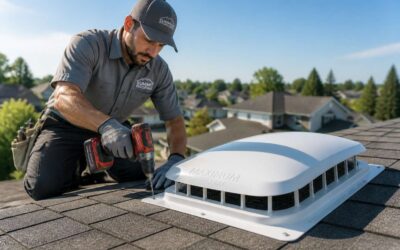
Installation and upkeep are about respecting the roof’s language and ensuring quiet, reliable performance. A professional touch confirms flashing and weather seals are tuned to coastal humidity and inland heat, while the thermostat integrates smoothly with the home’s wiring.
- Flashing and seals matched to your roof type
- Thermostat calibration and sensor checks by a pro
- Regular debris, corrosion, and airflow inspections
Think of it as a calm sentinel perched above the roofline, designed to blend with your tiles and ridge. When properly kept, this roof vent with thermostat earns its quiet duty across seasons, turning hot days into stories you tell at the dinner table.

0 Comments