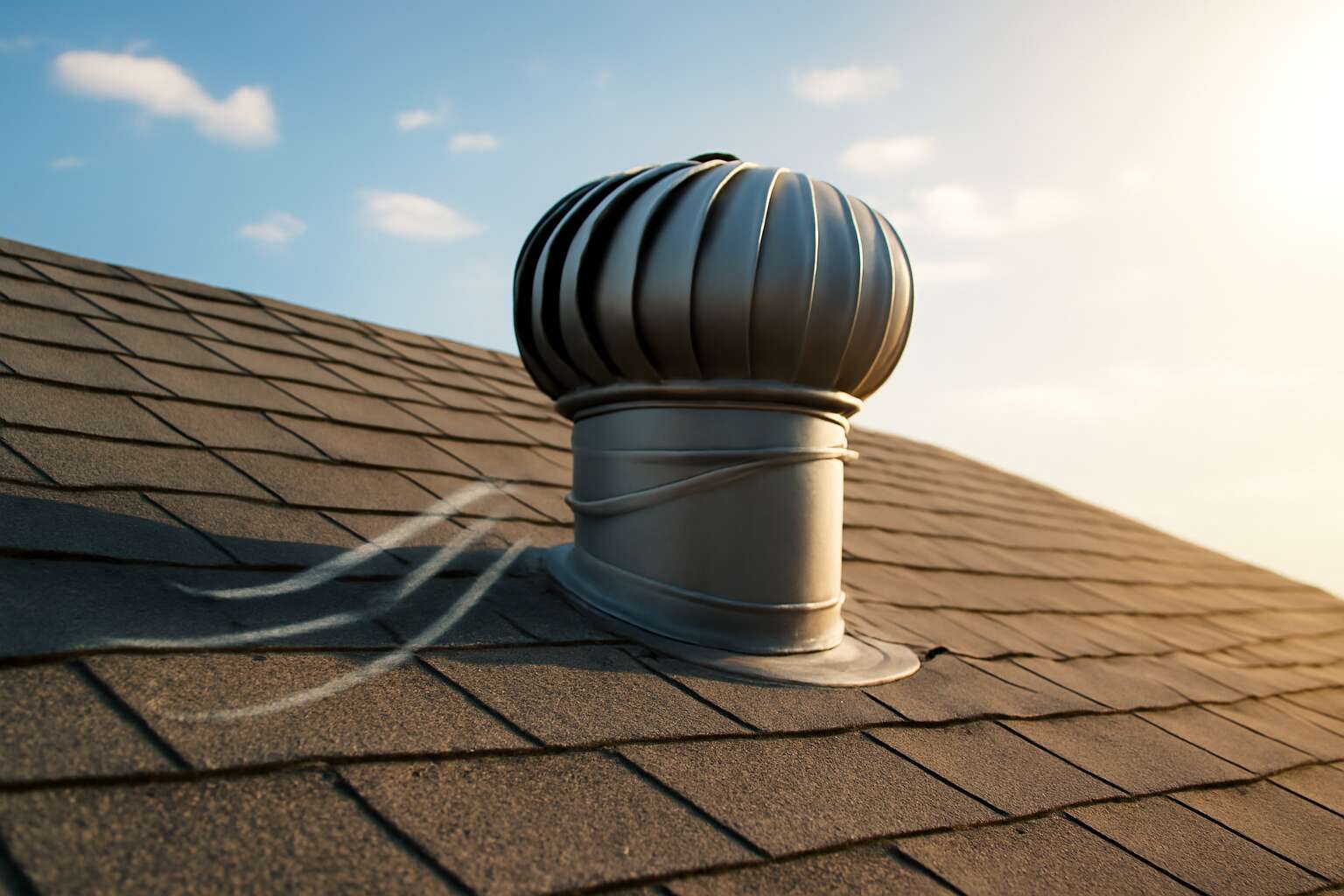
Roof Ventilation Systems: How They Work
Understanding the mechanics of roof ventilators
In South Africa, a well-ventilated roof can cut summer heat and energy costs, with studies hinting at measurable savings when attics breathe freely. Understanding roof ventilator works reveals how a loop of warm air exits while cooler air enters.
During the day, hot air rises and finds its escape through ridge or turbine vents, while cooler air is drawn in from soffits or eave vents. The result is a gentle, continuous current that tames moisture and protects timbers from condensation damage.
- Ridge vents channel the rise of warm air along the peak
- Soffit or eave vents feed in fresh air from below
- Turbine or roof vents expel stale air with minimal effort
When these elements work in harmony with insulation, roofs stay drier, cooler, and longer-lasting.
Types of roof ventilators and their operating principles
Sun-scorched South Africa roofs carry a quiet promise: breath equals balance. When roofs breathe, summer heat eases and timbers stay truer longer. “A roof that breathes is a home that lasts,” a seasoned builder notes, and in the attic you feel the quiet patience of roof ventilator works behind the scenes.
Types of roof ventilators harness distinct paths for air, yet share a single rhythm of escape and entry. Types include:
- Ridge vents: channel warm air along the peak
- Soffit/eave vents: draw in cool air from below
- Turbine vents: expel stale air with minimal effort
When these elements work in harmony with insulation, attics stay drier and cooler, reducing condensation risk and extending timber life.
Performance factors that influence operation
South Africa’s heat can creep into a home even before the sun climbs high. A roof that breathes keeps interior temperatures steadier and timber drier through the long dry season. The roof ventilator works, moving air where it matters and balancing hot lofts with cool living spaces!
Performance depends on how air flows, not just the number of vents. Key factors include flow path integrity, wind-driven pressure, and the stack effect. Insulation quality, roof geometry, and attic volume tune how quickly heat leaves and moisture drops away. When intake and exhaust openings are balanced and sealed where needed, the system performs smoothly.
Factors that influence operation:
- Airflow path clarity and vent placement
- Balancing intake (soffit/eave) and exhaust (ridge or turbine) openings
- Insulation level and air sealing
- Weather patterns, wind, and seasonal humidity
Maintain this balance and the attic stays drier.
Troubleshooting and optimization tips
South Africa’s heat can make rooftops feel like a sunlit forge; in midsummer, attic temperatures can surge 3–5°C above living spaces, unless the roof ventilator works its quiet magic. A well-tuned system keeps rafters dry and interiors cooler without inflating cooling costs.
Troubleshooting hinges on flow path clarity, wind-driven pressure, and the stack effect. If intake and exhaust openings are blocked or misaligned, air stalls and moisture lingers. Watch for blocked soffits, warped membranes, or drafty ridges that mute air movement.
- Uneven room comfort
- Rising attic humidity or condensation
- Unusual attic noises or airflow changes
Optimization grows from keeping the path clear, balancing openings, and reinforcing insulation and sealing. By aligning roof geometry, attic volume, and seasonal weather, the system works harmoniously with the home, letting heat escape and cool air settle in.


0 Comments