Understanding climate considerations for roof ventilators in Kenya
Choosing the right ventilation strategy for Kenyan roofs
Hot roofs don’t sleep. A well-tuned vent system keeps homes cooler and roofs healthier.
Understanding climate is the first step. Kenya swings between dry heat and rainy spells, with dusty winds that interfere with attic moisture and insulation. For roof ventilators kenya, the goal is steady airflow that reduces heat while guarding against moisture. These insights also resonate with South Africa’s heat and moisture patterns.
Choosing the right ventilation strategy for Kenyan roofs means matching design to weather, roof profile, and humidity. Consider a mix of passive and wind-assisted options to stay effective year-round.
- Ridge and soffit interaction
- Dust-filtered intake
- Wind-driven exhausts
A thoughtful setup blends materials and airflow, so interiors stay comfortable without overtaxing the building shell.
Key Kenyan climate factors influencing ventilation
Last year, Nairobi logged record heat, and many homes felt indoor temperatures rise by about 4°C during the dry spells. If you listen closely to the house, you’ll hear the attic sigh—an invitation to a smarter, cooler air flow.
Kenya swings between blistering sun and sudden downpours, with dusty Harmattan winds and wide diurnal swings that wring moisture from the air. For roof ventilators kenya, the goal is steady airflow that cools hot days while venting humidity during the rains. Coastal regions wrestle with humidity; highland roofs sweat in heat-spikes. These climate quirks dictate vent placement, filters, and exhaust paths, ensuring moisture never lingers and heat never settles.
Across South Africa, similar patterns echo; the trick is reading the wind and designing with durable materials that breathe with the house. A thoughtful system blends passive draws with sun-washed exhausts, inviting the attic to sing a cooler tune.
Common installation challenges in Kenyan buildings
Heat writes its own script in Nairobi’s heatwaves, but the attic holds the message. Understanding climate considerations for roof ventilators kenya means gauging sun, dust, and humidity as they press on the roofline, inviting cooling currents to rise. I hear the attic sigh when ventilation finds the right rhythm.
Common installation challenges in Kenyan buildings often blur the line between dream and retrofit. To flow with the climate, crews must navigate tight spaces, variable roof structures, and aging fasteners. Here are the hurdles:
- Old or low-pitched roofs complicate flashing and sealant work.
- Dust and coastal humidity clog filters and ducts.
Still, durability wins. For South African homes drawn to Kenyan-inspired climate wisdom, the approach is simple: plan around wind and rain, and choose corrosion-resistant materials. The attic, once neglected, becomes a quiet advocate for comfort.
Impact of roof type and insulation on ventilation performance
A startling 30% of cooling energy can slip through roofs in hot climates, a quiet alarm bell for builders and homeowners. Understanding climate considerations for roof ventilators kenya reveals how sun, dust, and humidity press on the roofline—and how the attic’s breath becomes a message when air moves with intention. I’ve watched attics sigh as the right rhythm returns comfort.
The pairing of roof type and insulation shapes ventilation performance. Roof geometry redirects currents; insulation moderates heat flow, deciding how quickly cool air rises while stale air escapes.
In markets across Southern Africa, these factors translate into a quieter, more predictable attic climate.
- Roof geometry alters air paths and vent requirements
- Insulation quality changes heat transfer and draft behavior
- Dust and humidity stress filters and seals
Types of roof ventilators suitable for Kenyan homes and businesses
Ridge and turbine vents for Kenyan roof profiles
Heat climbs roofs like a quiet thief, and the attic becomes a furnace until a single vent shifts the balance. For Kenyan homes and businesses, roof ventilators kenya quietly modulate temperature and humidity, turning blistering afternoons into calmer interiors. A well-ventilated roof lowers cooling needs and lengthens roof life.
Types that suit Kenyan roof profiles include ridge vents and turbine vents, each with a distinct rhythm of exhaust and air intake.
- Ridge vents: long, low-profile channels along the ridge that deliver steady, uniform exhaust
- Turbine vents: wind-driven cups that actively exhaust hot air and invite cooler air in
With any choice, roof geometry and regional winds shape performance; across Southern Africa, the same balance between ridge and turbine vents informs urban and rural roofs, insisting on durable housings and corrosion-resistant finishes to weather dust and humidity.
Solar-powered roof vents for off-grid areas
Heat climbs roofs like a quiet thief, and in Kenyan climates the attic can feel like a furnace by afternoon. A seasoned installer once whispered, “A cooler roof changes the whole day,” and that truth guides every thoughtful installation.
Types that suit Kenyan homes include a few dependable choices:
- Ridge vents: long, low-profile channels along the ridge for steady exhaust
- Turbine vents: wind-driven cups that actively exhaust hot air and invite cooler air in
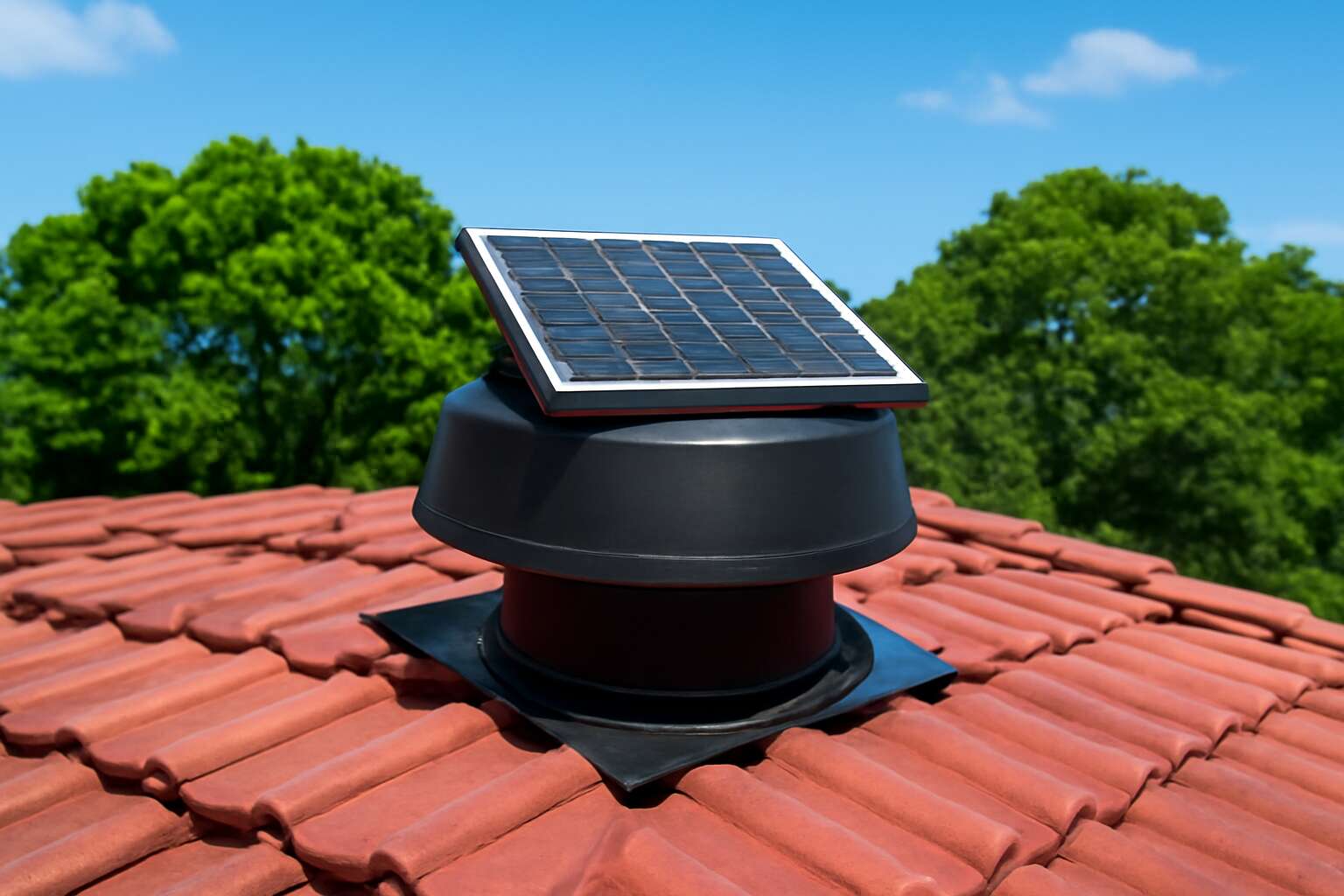
- Solar-powered roof vents: off-grid options that run purely on daylight, keeping spaces fresh without drawing on the main supply
For remote sites, roof ventilators kenya powered by solar panels deliver continuous airflow even where the grid falters.
In Southern Africa’s climate, durability matters—look for housings that resist dust and humidity and finishes that shrug off corrosion.
Passive ventilation options for affordable housing
Heat climbs roofs like a stealthy thief, and in Kenyan climates the attic can feel like a furnace. Roof ventilators kenya offer a simple, reliable respite that doesn’t depend on the grid. A seasoned installer might grin and say, “A cooler roof is a smarter budget”—and that truth still rings true under South Africa’s suns.
Passive ventilation options for affordable housing keep costs down while lifting comfort. Consider these natural take-offs from the roofline:
- Ridge vents and eave channels that use the stack effect for steady exhaust
- Wind-driven turbine vents that actively pull hot air out
- Clerestory openings and louvers to encourage cross-ventilation
Durability matters: for roof ventilators kenya, choose housings that shrug off dust, humidity, and corrosion so the benefit lasts through many seasons of heat.
Commercial-grade roof ventilators for large facilities
Across Kenyan rooftops, comfort travels with the wind. The right vent turns heat into a steady breeze, not a furnace. For Kenyan climates, roof ventilators kenya come in a handful of trusted formats that suit homes and small offices. Durable housings shrug off dust and humidity, keeping pace through the seasons.
Consider these types, designed for varied roofs and budgets:
- Peak-line exhaust channels along the roof edge that pull rising air outward
- Wind-driven exhaust turbines that respond to a breeze, twirling into action
- Clerestory-inspired openings and adjustable louvers for cross-ventilation
- Solar-assisted panels for off-grid reliability when the sun shines
Commercial-grade roof ventilators for large facilities deliver high airflow with rugged durability. Heavy-duty housings, galvanized steel or powder-coated aluminum, withstand dust and temperature swings. Modular designs enable scalable installations for warehouses, clinics, and schools, keeping exposures manageable while demand for cooling grows!
Hybrid ventilation systems combining exhaust and intake
Breathing roofs turn heat into comfort, and in Kenyan settings a smart approach to roof ventilation can reshape a home’s climate. Imagine cutting indoor heat by up to 30% with the right system, turning a stuffy attic into a sanctuary.
Hybrid ventilation systems combining exhaust and intake offer the best of both worlds for homes and small offices. They pull rising hot air out while inviting cooler air in through carefully placed inlets, creating a steady breeze that dances along the ceiling.
- Interlocking exhaust and intake paths to balance pressure
- Adaptive dampers that respond to wind and temperature
- Modular components for quick upgrades or retrofit
For roof ventilators kenya, this hybrid approach scales with your needs— from a snug bungalow to a small clinic—delivering consistent airflow and peace of mind.
Cost, ROI and energy savings of roof ventilators in Kenya
Initial investment versus long-term savings
Cost is the first ripple in the decision to install roof ventilators kenya. The upfront price covers the unit, mounting hardware, and professional fitting. In many markets, including our climate here in South Africa, sturdy housings and corrosion-resistant components add to the tag—but they also deliver endurance in the sun’s forge. Over time, cooler lofts become a soft dawn inside the home, and your air conditioning sighs to rest, letting utility bills drop and heat transform into a quiet asset.
- Lower cooling load reduces AC use
- Less indoor humidity and better comfort
- Fewer maintenance costs due to passive airflow
ROI comes from energy savings and extended equipment life. I’ve watched projects prove payback in as little as 1 to 3 years, depending on tariffs and how the building is used. The savings accumulate year after year as the system harvests cooler air without costly electricity. Consider these drivers:
Estimating payback periods in Kenyan shillings
Cost is the opening ripple in the budget talk around roof ventilators kenya. The upfront price covers the unit, mounting hardware, and professional fitting. In our climate, sturdy housings and corrosion-resistant components push the tag, but they deliver years of sun-tested endurance.
ROI arrives through energy savings and longer equipment life. With tariffs guiding the ledger and building usage shaping demand, payback can tighten gracefully when cooling needs are heavy.
- Tariffs and rate structures shaping annual savings
- House occupancy and ventilation needs affecting performance
- Long-term maintenance costs and equipment life impacting ROI
Energy savings translate into quieter utility bills as lofts stay cooler and fans idle. A typical roof ventilator kenya installation can save roughly 5,000–12,000 Kenyan shillings per year, bringing payback into a few years when usage and climate cooperate.
Impact on indoor comfort and health outcomes
Heat crowds in, but a rooftop breath can rewrite the day. roof ventilators kenya whisk stale air out and invite a gentler current.
Costwise, the opening ripple covers the unit, mounting hardware, and professional fitting. In Kenya’s sun, sturdy housings and corrosion-resistant components push the tag—but they endure.
- Upfront investment reflects components, sizing, and skilled installation
- Longer life reduces ongoing maintenance
ROI arrives through energy savings and longer equipment life. Typical installations save 5,000–12,000 Kenyan shillings per year, bringing payback into a few years.
Beyond numbers, these systems transform indoor comfort and health—lower humidity, reduced mold risk, and calmer spaces that support focus and well-being in homes and offices.
Financing options and incentives available in Kenya
Buildings that breathe stay cooler and smarter, and the numbers back it up: even a modest roof ventilation installation can slash cooling loads. The upfront investment for roof ventilators kenya covers the unit, mounting hardware, and professional fitting. In Kenya’s sun, sturdy housings and corrosion-resistant components push the tag, but they endure, delivering steady comfort year after year. South African readers will recognize the same logic across markets, yet Kenya-specific incentives shape the math here.
- Supplier financing or installment plans
- Bank-backed energy-efficiency loans
- Government incentives and utility rebates
ROI arrives through energy savings and longer equipment life. Typical installations save 5,000–12,000 Kenyan shillings per year, bringing payback into a few years. Financing options soften the upfront hit, while incentives in Kenya help you stretch every shilling for roof ventilators kenya.
Installation best practices for Kenyan climates
Pre-installation site assessment and roof integrity checks
Breathable roofs don’t just cool spaces; they breathe life into a home! In Kenyan climates, thoughtful planning boosts reliability year-round, and the phrase roof ventilators kenya signals a commitment to steady airflow from the first bolt. South African readers may recognize the universal truth in this approach.
Pre-installation site assessment lays the groundwork for safe, lasting installation. Consider these factors:
- Roof structure adequacy and load paths for additional equipment
- Material compatibility with chosen ventilator type and corrosion risks
- Access routes for installation and future maintenance
Roof integrity checks focus on weatherproofing and wind resilience. Inspect flashing, ridge lines, gutters, and existing insulation, ensuring fasteners and brackets resist local coastal or inland conditions. When the roof and its bones are sound, the rest of the process follows with greater confidence and fewer surprises.
Ventilator placement guidelines to maximize cross-ventilation
When the afternoon sun hits a rooftop, air becomes a design asset. In Kenyan climates, a roof ventilators kenya strategy can lower indoor heat by several degrees, turning stifling rooms into comfortable havens. The goal is not just airflow but a confident breath through the home—one that South African readers will recognize as a shared, practical wisdom.
For installation best practices, place intake and exhaust to harness prevailing winds and create a gentle cross-ventilation path. Think about stack effect: warm air rises and escapes, drawing cooler air in at lower levels. Align vents with roof lines and avoid obstructions like dense eaves or bulky ducts that block the breeze.
- Consider wind corridors and roof geometry for natural pull
- Allow for maintenance access without compromising airflow
- Ensure materials resist local coastal or inland corrosion
That breath is what roof ventilators kenya promise—quiet, effective relief for heat and humidity across coastal and inland settings alike.
Compliance with local building codes and permits in Kenya
On Kenyan rooftops, breath is a design asset—one that can shave heat and hum away humidity. roof ventilators kenya turn stifling rooms into cool havens, a quiet promise that your home finally speaks the breeze instead of the sun.
Best-practice installation means harmonizing with prevailing winds, allowing for low-profile maintenance access, and choosing corrosion-resistant materials suited to coastal and inland Kenya. Compliance with local building codes and permits in Kenya ensures the system is legally sound and backed by warranties. Work with licensed installers who understand roof geometry and the stack effect that carries cool air to living spaces. These principles travel beyond Kenya, resonating with South African builders.
Consider a quick checklist for compliance and long-term reliability:
- Local building codes and permits in Kenya: confirming approvals.
- Structural compatibility and roof integrity checks by a qualified professional.
- Material corrosion resistance tailored to coastal or inland exposure.
Professional installation versus DIY considerations
In the Kenyan sun, a single roof vent can shave heat by several degrees, turning stifling rooms into breezy havens. Roof ventilators kenya are not mere hardware but a whisper of relief, inviting the breeze to choreograph the house’s temperature.
Professional installation versus DIY: A licensed installer understands roof geometry and the stack effect that nudges cool air into living spaces, and they tailor the setup to coastal or inland exposures. DIY can risk leaks, warranty voids, and mis-sizing—costly in the long run, even across South Africa’s varied climates.
- Licensed installers ensure warranty protection and code compliance
- Proper sealing and mounting align with roof structure to resist wind uplift
- Material choices factor corrosion resistance for Kenyan climates
When choice meets craft, the vent becomes a quiet companion to daily life, a breeze you can feel rather than hear.
Maintenance, troubleshooting and durability tips
Routine maintenance schedules and filter care
In Kenya, where sun and dust sculpt the air, roof ventilators kenya stand as quiet guardians of cooler, healthier interiors. They endure long seasons of heat with grace when cared for, turning mere airflow into a steady breeze of endurance!
Routine maintenance schedules and thoughtful filter care keep the heartbeat of these systems strong. A light touch during seasonal checks, attention to seals, and occasional noninvasive cleaning help appliances resist corrosion and fatigue, extending service life without drama or downtime.
When troubles arise, listen for unusual hums, loss of air movement, or unexpected moisture near housings. Regularly inspecting for wear, tightness, and rust can forestall costly repairs and preserve performance in Kenyan rooftops and southern Africa markets.
- Visual checks for seals and housings
- Listen for unusual noises or vibration
- Monitor airflow and performance
Common failure modes and troubleshooting steps
Maintenance on roof ventilators kenya is less about drama and more about durable comfort. A quick inspection, clean seals, and the occasional gentle wipe can keep interiors cooler even under Africa’s fiercest sun. In South Africa and the wider Southern Africa region, these units shrug off heat and dust when cared for—often delivering interior cooling of up to 4°C during peak sun—turning hot air into a friendly breeze rather than a mob of irritants.
- Bearings or motor wear causing unusual hums
- Seal degradation inviting moisture and drafts
- Filter neglect reducing airflow and efficiency
- Rust and corrosion on housings from coastal dust
Durability comes from robust construction and timely attention when symptoms appear, so keep an eye on performance with a professional touch as needed.
Seasonal considerations for Kenyan weather
Heat on Kenyan roofs is unrelenting, and good ventilation makes a real difference. Maintenance on roof ventilators kenya is about durable comfort, not drama. Regular checks keep interiors cooler when the sun blazes and dust roars across the plains.
Durability comes from robust construction and timely, professional attention. When symptoms appear—noise, drafts, or reduced airflow—it’s a cue to have a technician assess the unit.
Kenya’s seasons test these systems differently: scorching dry spells, dusty winds, and the occasional coastal humidity. For peak performance of roof ventilators kenya, materials and seals should resist heat and corrosion, while fans and housings tolerate dust without performance loss. Partnering with a professional for regular checks keeps interiors comfortable year-round.
Durability tips and warranty considerations
Heat on Kenyan roofs is unrelenting, and maintenance is a protective shield, not performance theater. A robust roof ventilators kenya setup pays off in cooler mornings and interiors that don’t turn into saunas when dust storms hit.
- Unusual noises or rattling indicating bearing wear
- Drafts or uneven cooling near vents
- Visible wear on seals or corrosion at edges
Durability tips and warranty considerations for roof ventilators kenya hinge on heat- and dust-resistant materials, sealed joints, and a warranty that actually covers corrosion and bearings. Keep receipts and model numbers, understand the terms, and lean on qualified technicians to verify performance—after all, a well-backed unit means cooler interiors season after season.

0 Comments