Australian Roof Ventilation: Comprehensive Outline for Optimised Home Ventilation
Choosing the right ventilation approach for Australian climates
Heat clings to a roof like a living fever. Across Australian homes, up to 30% of cooling energy leaks away when attic air remains stagnant, turning comfort into a frugal negotiation with the day. I’ve seen spaces crave movement, a better breeze—a thermodynamic draft!
- Ridge and soffit vent integration
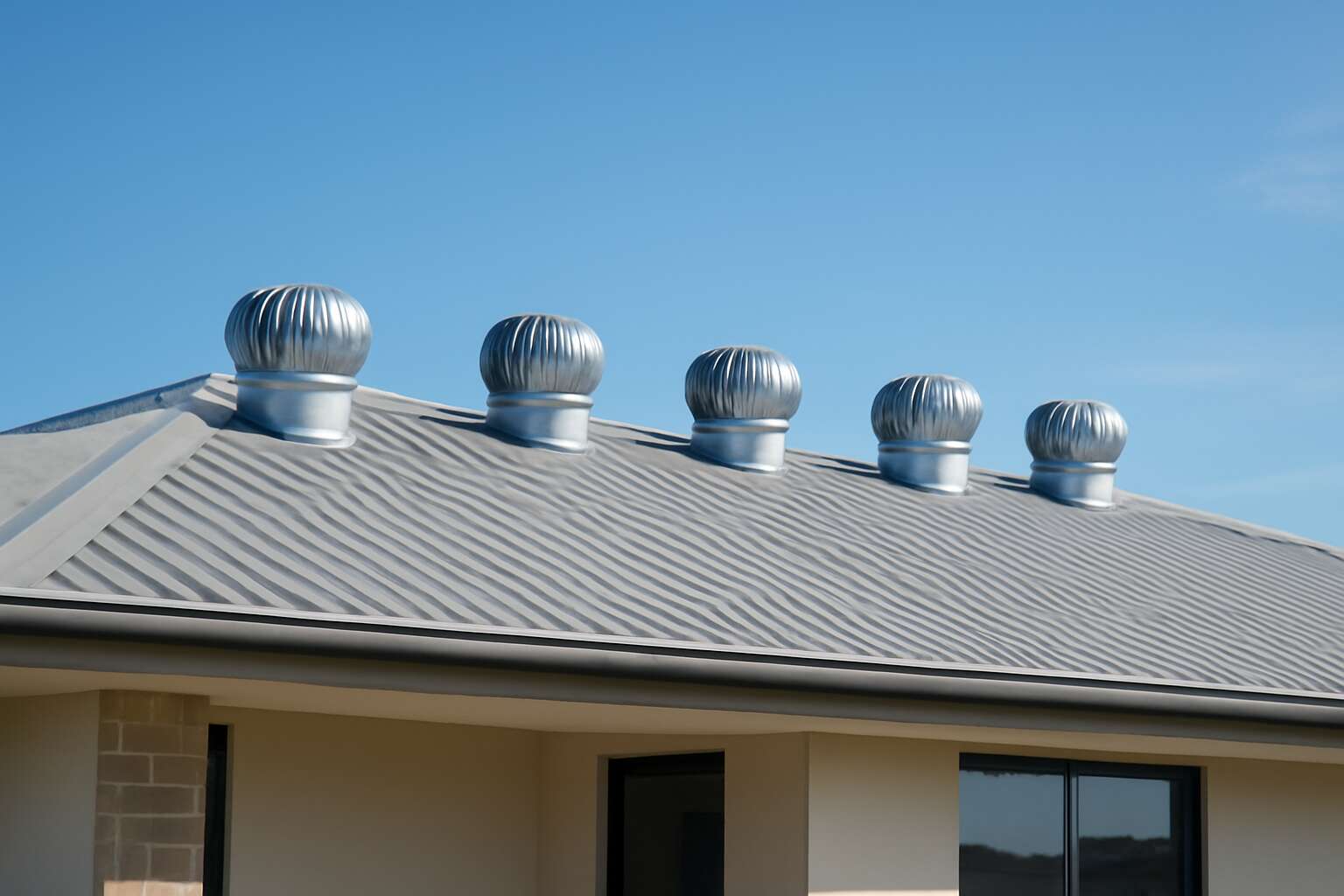
- Turbine vents for relentless heat
- Solar-powered attic exhausts
For the Australian climate, roof ventilators australia require nuance: arid heat on the rooftops, humid nights inland, and sudden storms at the coast! The aim is to restore air, ease damp pockets, and extend roof life.
<pI've learned that South African readers share the same breath of sun and wind; these ventilators become keepers of quiet, humane interiors.
Types of roof ventilators suitable for Australian homes
Heat clings to roofs like a scrappy houseguest, and SA readers know the feeling all too well. Up to 30% of cooling energy can leak away when attic air stagnates, turning comfort into a frugal negotiation with the day. Roof ventilators australia just might redraw that conversation.
Australian homes deserve a nuanced playbook—not a one-size-fits-all gadget. Think of ventilation as staged airflow: passive movement when the wind cooperates, augmented exhausts when storms roar. The goal is to restore air, chase damp pockets, and protect the roof’s life span.
- Climate variability and storm resilience
- Roof geometry and attic access
- Maintenance frequency and noise
- Initial and running costs
Those considerations guide a comprehensive outline for optimised home ventilation, tailored to the Australian climate and adaptable for South African summers that mirror the same heat quirks. The result is steadier comfort and a roof that breathes with the weather.
Energy efficiency, comfort, and cost considerations
An attic’s sigh is more than mood; it’s a ledger of comfort. In South Africa’s blistering summers and Australia’s sun-baked days, cooling energy slips away when air refuses to stir. A roof that breathes—steady, patient—steals back the day, turning glare into shade and tin into something almost civilized.
roof ventilators australia demand a measured blueprint: balance energy efficiency, lasting comfort, and the long arc of costs. The outline favors staged airflow—passive currents when wind cooperates, augmented exhausts when storms roar—while guarding the roof’s life against the weather’s mood swings.
- Energy performance aligned with local climate realities
- Acoustic comfort and quiet operation
- Maintenance rhythm and long-term roof health
Installation, maintenance, and compliance in Australia
Heat waves batter the attic, turning a roof into a furnace. Across South Africa and Australia, some homes report attic heat dropping by up to 25% after airflow improvements. roof ventilators australia promise a steady, patient breeze that calms glare.
This comprehensive outline for optimised home ventilation installation, maintenance, and compliance in Australia starts with design. It blends passive currents with controlled exhausts, tuned to roof geometry and wind.
- System sizing and placement
- Quiet operation
- Durable materials
- Maintenance rhythm
Acoustic comfort and long-term roof health ride on quiet operation and durable materials, shaping a calmer interior during scorchers.
Compliance with the Australian Building Code and product certifications guides safety and efficiency while honouring climate realities across coastal winds and inland heat.

0 Comments