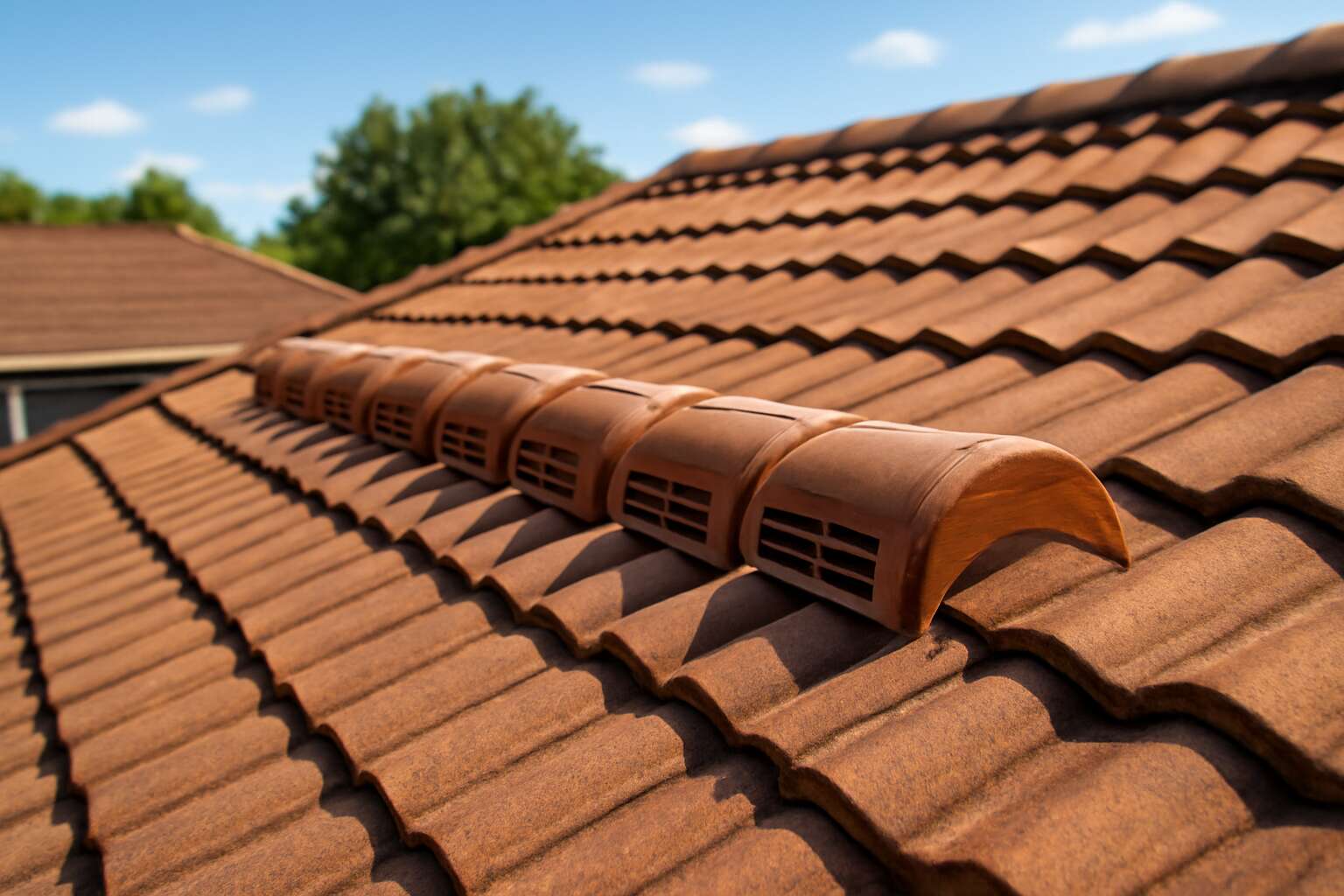
Understanding roof vent tiles and their purpose
What are roof vent tiles and where they are used
Ventilation is the unseen architect of a long-lasting roof, and in South Africa’s heat it can decide between a dry attic and a damp mystery. A seasoned roofer says proper venting turns stress into resilience, quietly regulating humidity and temperature. Understanding roof vent tiles means seeing them as the roof’s breath, not decoration.
Roof vent tiles are designed tiles or attachments creating openings for air exchange along ridges, hips, or eaves. In SA climates, they sit at the threshold of heat and humidity, letting warm air escape and damp air leave. Homeowners often ask: do roof vent tiles work in real homes?
- Ridge vents that run along the roof apex
- Vent inserts that slot into existing tile courses
- Ventilated caps for exposed tile roofs
When paired with proper design, they help curb condensation and protect timber decking, extending roof life across SA’s varied climates.
How vent tiles help attic ventilation and moisture control
Across South Africa’s scorching afternoons, attic air can feel like a furnace. The question on every homeowner’s lips: do roof vent tiles work? The answer hinges on breathability—these tiles or inserts create deliberate openings that let warm air escape and damp air drift out with it, turning heat into relief.
Designed to sit along ridges or eaves, they act as quiet sentinels for attic ventilation and moisture control in our varied climates. When you invest in the right tile, you realize the attic learns to breathe; I’ve seen how quiet vents tame humidity and keep timber decking from soaking up trouble.
Here are the tangible benefits:
- Balanced attic temperatures and reduced condensation
- Protection for timber decking against rot and mould
- Elevated comfort and potential energy savings from improved airflow
The result is a roof that breathes with the home—subtle, steady, and lasting.
Key features and design elements of vent tiles
In South Africa’s heat, attic temperatures can spike by as much as 15°C on peak afternoons, turning roofs into heat engines. In the end, one nagging question remains: do roof vent tiles work? The answer hinges on breathability—well-designed vent tiles give warm air an escape route while damp air drifts out with it.
Understanding their form helps: they sit along ridges or eaves and integrate with your roof profile while resisting weather. Key features and design elements include:
- Strategic openings that promote consistent airflow without leaking
- Durable, weather-resistant materials suited to high sun and rain
- Simple integration with existing tiles and reliable debris protection
When installed correctly, these tiles keep attics cooler, reduce condensation, and protect timber and finishes—proof that the roof can breathe!
Common misconceptions about vent tiles vs other roof vents
Across South Africa, attic heat can spike by as much as 15°C on blazing afternoons, turning roofs into sun-bright engines. Breathability becomes the deciding factor. People often ask, do roof vent tiles work, and the answer lies in a simple truth: they provide a pathway for warm air to escape while damp air moves out with it.
Common misconceptions about vent tiles versus other roof vents linger, yet the difference is about balance—airflow without leaks, weather resistance, and seamless integration with tiles.
- They’re only for roofs that leak
- They replace insulation or a proper roof vent
- They eliminate all condensation on their own
On the contrary, when integrated with existing tiles and weatherproofing, vent tiles form a dialogue with the roof. They help reduce attic temps, curb moisture, and protect timber. The advantage is quiet and persistent—like a careful neighbour keeping an eye on the ridge.
Measuring effectiveness and performance
Assessing airflow and attic temperature impact
South African summers don’t leave your roof fans a moment’s peace. Attic heat can jump 10°C by noon, turning lofts into saunas. That’s why we ask: do roof vent tiles work? The best answer comes from listening to the numbers: airflow patterns, attic temperatures, and moisture behavior measured over a few sunny days.
Measuring effectiveness means watching how the attic temperature tracks the day’s heat and whether air moves freely from intake to exhaust without stalling. When airflow balances, you’ll notice steadier attic temps, reduced condensation, and a more comfortable upstairs—facts you can feel, not just guess.
- Airflow balance between intake and exhaust paths
- Attic temperature delta during peak heat
- Humidity and condensation indicators in roof space
These signals help gauge performance without guessing, keeping the focus on real-world comfort.
Evaluating moisture control and condensation reduction
On South Africa’s hottest days, attic heat can surge as quickly as noon shadows recede. The nagging question remains: do roof vent tiles work? The truth surfaces in data—airflow patterns, attic temperatures, and moisture behavior gathered over several sunny days.
Measuring effectiveness means watching how air moves from intake to exhaust without stalling, and whether attic temps track heat steadily rather than spiking. Real tests reveal whether condensation is held back as humidity shifts with the day’s rhythm.
When the numbers balance, you feel the upgrade: steadier upstairs comfort, fewer damp patches, and a residence that breathes easier through the seasons. This is how it’s proven that do roof vent tiles work in practice.
Weather durability and wind resistance
SA’s hottest days turn roofs into heat engines, and measuring effectiveness means watching air move from intake to exhaust without stalling, and noting attic temperatures rise steadily. Do roof vent tiles work?
Weather durability and wind resistance are as vital as airflow. In testing, tiles must endure sun, storms and gusts while keeping their openings clear. Real-world conditions reveal how UV exposure, coastal salt spray, and thermal cycling affect performance.
- Wind-driven rain tolerance without compromised sealing
- UV aging and colour retention under long SA summers
When the data align, I sense an upgrade: steadier attic climate, fewer damp patches, and a system that breathes with the seasons—proof that the concept stands up in practice.
Real world performance across climates and roof pitches
Across South Africa’s varied climate, the question remains urgent: do roof vent tiles work. Real-world tests show success when airflow from intake to exhaust stays unblocked and attic temperatures stay within a stable range. Effectiveness hinges on keeping openings clear and resisting UV degradation over time.
Measuring performance across climates and roof pitches reveals how winds and slopes change outcomes. Real-world performance is a blend of the tile design, installation quality, and site conditions that push the system to breathe in every season!
- Climates from coastal humidity to inland heat test airflow and moisture control.
- Roof pitches from steep to gentle affect intake/exhaust dynamics and wind-driven rain tolerance.
- Wind exposure and debris loading determine maintenance needs and opening clearance.
When the data align, the verdict is clear: do roof vent tiles work, by delivering a steadier attic climate and fewer damp patches as the season turns.
Types, materials, and configurations for vent tiles
Clay, concrete, and terracotta vent tiles
Ventilation isn’t a luxury; it’s the roof’s lifeblood. Clay, concrete, and terracotta vent tiles bring architectural texture and breathable performance to the roofline. do roof vent tiles work, and the answer hinges on correct sizing, fit, and the way porous surfaces interact with heat and moisture.
Clay and terracotta vent tiles offer natural porosity and timeless patina, while concrete vents punch above their weight with robust channels and wind resistance. Lighter alternatives exist, but these three materials cover most South African roof profiles and pitches, balancing airflow with roof integrity.
Configurations matter: staggered runs break convection barriers, while interlocking layouts minimize gaps. When paired with lintel or ridge motifs, they knit into the roofline without shouting for attention.
- Interlocking vent tiles for continuous airflow
- Louvered channels that guide air along the soffit
- Perimeter-edge vents for the outer roof edge
Metal and composite vent tile options
Metal and composite vent tiles are reshaping the ventilation map along South Africa’s roofs. do roof vent tiles work? They do, when the material speaks to the roof’s tempo—lightweight frames that breathe with heat and the subtle rush of moisture as it climbs toward the ridge.
Two families dominate the field, each with its own trade-offs:
- Metal vent tiles: aluminium, steel, or zinc—light, durable and easily coated for coastal or high-salt environments.
- Composite vent tiles: glass-reinforced polyester (GRP) or fiber-reinforced cement—rigid, UV-stable, and low maintenance.
- Finishes: powder coatings or PVDF paints extend life in SA sun and humidity.
Configurations matter: interlocking profiles, staggered runs for continuous airflow, and discreet louvers guide air along the soffit, preserving roofline aesthetics while boosting ventilation efficiency.
Vent tile shapes, patterns, and installation layouts
Across South Africa’s roofs, vent tiles act like a tiny sentry against heat and humidity. Shape and layout do more than look right; they steer air where it’s needed, turning a roof’s quiet breath into a steady draft. “do roof vent tiles work”—and the answer hinges on how shapes invite air from soffit to ridge with minimal resistance. Material choices—lightweight, rigid, UV-stable—also play their part.
Shapes and patterns come in several flavors that maximize airflow without shouting for attention.
- Rectangular flat-panel tiles with clean seams for a discreet rooftop line
- Curved barrel shapes that coax airflow along the slope
- Micro-louvered rows built into the tile for targeted exhaust
Installation layouts should balance continuous airflow with visual calm: linear runs from eaves toward the ridge, with subtle offsets at joins to keep air moving and the roof looking composed. The bottom line: do roof vent tiles work when patterns and layouts align.
Cost, value, and return on investment considerations
Types and configurations determine how the roof breathes. Rectangular flat-panel tiles offer a discreet line; curved barrel shapes coax air along the slope; micro-louvered rows guide exhaust with pinpoint precision. do roof vent tiles work? The answer hinges on how designs invite air from soffit to ridge with minimal resistance.
Materials vary from clay, concrete, and terracotta to metal and advanced composites. In South Africa’s sun, lightweight, rigid, UV-stable options that resist warping stay reliable longer. Configurations—continuous runs, subtle offsets, or staggered stacks—keep the breeze moving while preserving a calm roofline.
Cost, value, and return on investment unfold with each choice. Upfront price depends on material and profile, yet the payoff shows in cooler attics, drier rafters, and longer roof life.
- Upfront material and installation costs
- Maintenance and durability expectations
- Energy savings and thermal comfort
- Impact on resale value and roof aesthetics
Lifecycle and warranty expectations
In South Africa, a well-designed vent tile system can cut attic temperatures by up to 25% on peak-sun days. The question do roof vent tiles work? The answer hinges on designs that invite air from soffit to ridge with minimal resistance.
In our experience, materials span clay, concrete, terracotta, metal, and advanced composites; in our sun-drenched climate, lightweight, UV-stable options resist warping and fading. Configurations—from continuous runs to offset rows—keep the breeze moving while preserving a calm, tidy roofline.
- Lifecycle expectations: what to expect from each material over decades
- Warranty windows: typical terms and what’s covered
- Installation quality: how workmanship influences performance and claims
Lifecycle and warranty expectations vary by material and supplier, but the core message stays steady: durable profiles paired with proper airflow deliver long-lasting peace of mind.
Installation, maintenance, and best practices
Installation steps and important considerations
South Africa’s sun is relentless, and attic heat is real—yet a smart vent-tile strategy can curb it without ruining curb appeal. When installed thoughtfully, vent tiles help exhaust hot air and vent humidity, cutting the risk of condensation in cooler evenings. do roof vent tiles work! The answer is climate-sensitive and design-aware, not a blanket yes or no.
In installation, keep these general steps and considerations:
- Confirm roof pitch and tile compatibility to prevent gaps.
- Ensure underlayment and flashing suit the vent tile design.
- Orient tiles to preserve airflow and minimize water ingress.
- Coordinate with roof accessories to avoid dead air zones.
Maintenance matters: inspect annually for loose tiles and clogged vents, keep debris clear, and reseal seals; best practices emphasize reliable flashing and symmetry to maintain steady airflow.
Sealing flashing and leak prevention best practices
South Africa’s sun can turn a roof space into an oven, and the question lingers: do roof vent tiles work? When installed with care, they become a quiet engine for airflow, not a gusty afterthought.
- Confirm roof pitch and tile compatibility to prevent gaps.
- Ensure underlayment and flashing suit the vent tile design.
- Orient tiles to preserve airflow and minimize water ingress.
- Coordinate with roof accessories to avoid dead air zones.
Maintenance matters: inspect annually for loose tiles and clogged vents, keep debris clear, and reseal seals; best practices emphasize reliable flashing and symmetry to maintain steady airflow. Annual checks catch wear before leaks.
Sealing flashing and leak prevention best practices rely on clean joints, compatible sealants, and regular inspection. Keep flashing crisp, bend lines smooth, and reseal at the seams after storms; small details protect the whole roofscape.
Maintenance cleaning and inspection routines
Maintenance on SA roofs is a quiet shield; recent data suggests up to 60% of attic moisture issues stem from neglected vents. Installation sets the stage, but upkeep writes the ending. do roof vent tiles work when their openings stay clear and tiles sit snugly against the underlayment? The answer unfolds in routine checks rather than dramatic overhauls.
- Seasonal debris removal and gentle brushing.
- Sealant and flashing inspection after storms.
- Airflow verification to prevent dead zones.
Regular cleaning and inspection routines keep the system honest. Clean joints, treat seals, reseal seams; these small acts preserve steady airflow and deter leaks. do roof vent tiles work even in heat of SA summers when the roof is stressed by sun? Yes, with disciplined maintenance!
Professional versus DIY installation considerations
Installation is the opening act where precision matters more than bravado. When vent tiles sit snug against underlayment, with flashing properly bedded and fasteners anchored to battens, airflow stays honest and leaks stay away. do roof vent tiles work in the SA climate? They do, but only when the system breathes freely from eave to ridge and corners near chimneys or skylights are treated with care. Professional or DIY, success hinges on meticulous layout, correct tile orientation, and compatible sealants.
Maintenance and best practices keep performance long after installation. Regular debris removal and seal checks preserve airflow and deter leaks. When choosing between professional and DIY, consider safety, warranty terms, and local codes, especially for complex roofs.
- Assess roof structure and ventilation needs with a professional before attempting DIY.
- Expect to adhere to warranty conditions that may require licensed installation.
- Plan seasonal maintenance—inspections, cleaning, resealing joints—to sustain system performance.



0 Comments