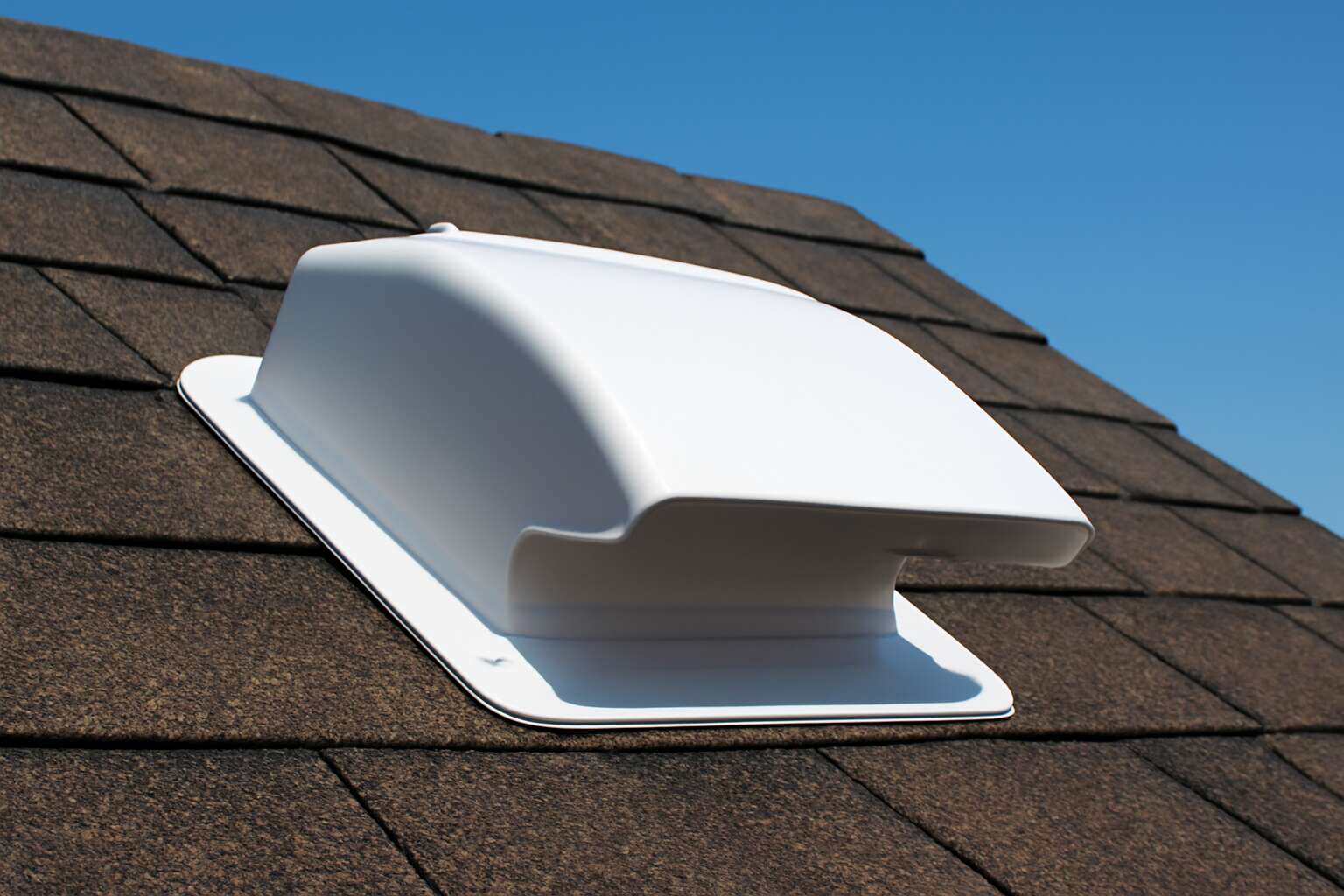
Choosing the right roof vent for bathroom exhaust
Bold air and damp corners dance in many South African homes, and a roof vent for bathroom exhaust fan stands as a quiet guardian of breathability. Recent South African data show humidity can climb by up to 15% in bathrooms without proper venting, inviting mildew and that lingering bathroom sting. The right choice turns a bathroom into a sanctuary rather than a damp cave.
Choosing the right roof vent for bathroom exhaust fan is a study in balance—weatherproofing, quiet operation, and a touch of Cape Town character all at once. Considerations include:
- Durable, UV-stable housing that withstands SA sun
- Raindrop and wind resistance to keep interiors dry
- Sizes and mounting compatibility with common bathroom fans
Subtle design details let light and air mingle rather than fight, turning a practical roofline into a small theatre of airflow—enchanting, efficient, and quietly essential for every SA home.
Installation foundations and requirements
A roof vent for bathroom exhaust fan begins at the quiet, stubborn frontiers of the roof structure, where stability and weather meet. In South Africa, the foundations must support a penetrating fixture without warping the deck or inviting leaks, all while preserving the fan’s balance and the home’s breathability. The right alignment with the fan’s ductwork matters as much as the exterior aesthetic, so the installation foundations and mounting footprint speak to durability and longevity.
Beyond mere fit, the installation foundations embrace safety, code, and climate harmony. The penetration is expected to be sealed with UV-stable flashing, and wiring housed within moisture-rated conduits and accessible junction points.
Performance and efficiency optimization
Humidity is a daily visitor in South African bathrooms, and a well-tuned roof vent for bathroom exhaust fan can tilt the balance toward lasting comfort. The key to performance is marrying airflow with duct reality: short, straight runs, gentle elbows, and a properly sized unit minimize resistance and keep the fan from working overtime.
A little attention to acoustics and vibration matters as much as power. A muted, well-balanced system wastes less energy and stays effective at the crucial hours when humidity spikes. Maintenance—clean grilles, verify weather seals, and inspect joints—safeguards efficiency and reduces mold risk, turning a simple vent into a steady ally for home health and longevity!
Maintenance, troubleshooting, and replacement
Humidity clings to South African bathrooms, and the roof vent for bathroom exhaust fan stands as the quiet guardian against it. Regular maintenance keeps this sentinel alert: a clean grille, intact seals, and a clear duct path. When it stays vigilant, comfort endures through peak humidity hours.
If airflow falters or a strange buzz crawls through the ducts, the causes are familiar: dust, loose joints, worn bearings, or a blocked run. The warning signs whisper of mould risk when the vent stalls—clear indicators, not mysteries. Consider the usual suspects; replacement may be wiser than repair.
- Grille and duct cleanliness
- Weather seal integrity
- Joints and insulation condition
- Bearings or motor sound
When signs persist, replacement becomes the practical turn in the story. A well-chosen roof vent for bathroom exhaust fan aligned with room size and climate can reclaim efficiency and quiet, especially in South Africa’s variable humidity.


0 Comments