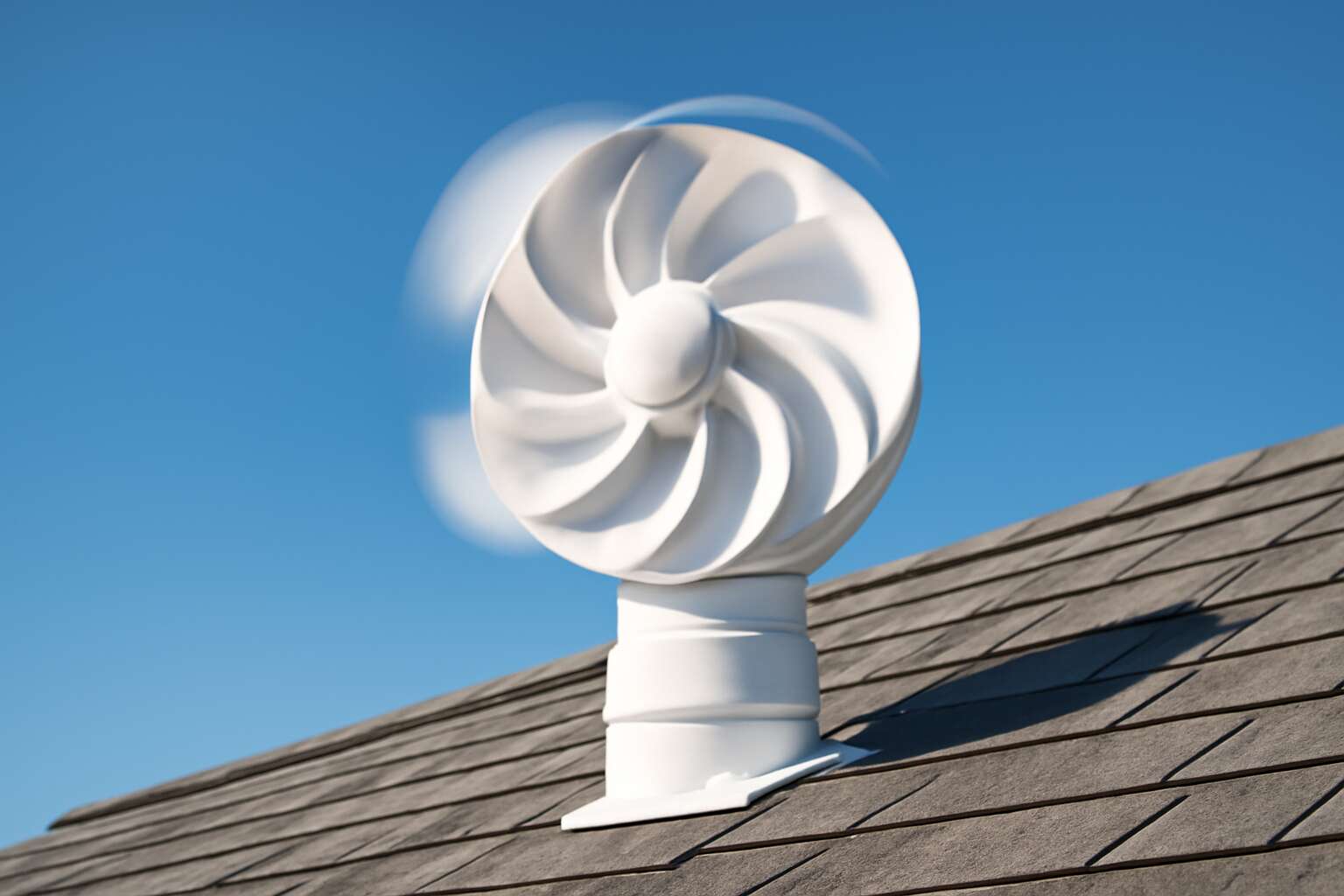
Rooftop Turbine Ventilation Systems Outline
Understanding Rooftop Turbine Ventilation
Heat on African rooftops climbs fast, turning attic space into a greenhouse. In SA cities, rooftop temperatures can outpace shade by up to 25°C on hot days, driving indoor cooling costs higher and comfort lower. A smarter roof starts with ventilation.
Rooftop turbine ventilation uses wind-driven rotors that pull stale air from the attic and replace it with fresh air. The roof ventilator wind turbine spins with even a light breeze, exhausting hot air and reducing humidity. This approach guards against heat buildup without electrical fans!
Key advantages include these points:
- Low running costs and minimal maintenance
- Robust against harsh SA coastal and desert climates
- Quiet operation that respects living spaces
Materials and placement should resist sun and coastal air; corrosion-resistant metals and seals extend life. Proper sizing and airflow balance ensure the system performs without adding complexity to the roof structure.
Benefits, Energy Savings, and ROI
On average, SA rooftops spike 25°C above shade on hot days, turning an attic into a greenhouse and your cooling bill into a budget villain you’re keen to outsmart. A roof ventilator wind turbine quietly spins, extracting stale air and inviting a cooler breeze—without a single power cord.
From what I’ve seen, the payoff is tangible: calmer spaces, lower energy bills, and a quieter roofline.
- Energy savings: reduces cooling loads by keeping attic heat in check.
- Durability: corrosion‑resistant materials stand up to coastal salt spray and desert dust.
- ROI and maintenance: long service life with minimal upkeep boosts overall value.
Installation, Maintenance, and Compliance
South Africa’s peak summers push attic temps well above ambient; 40°C isn’t unusual on hot days. A roof ventilator wind turbine quietly pulls that heat out, inviting cooler air beneath and cutting heat buildup without a power cord.
Installation should fit your roof type and pitch, with proper flashing to prevent leaks and correct sizing for the attic. A licensed roofer ensures a clean, code-compliant fit.
- Site assessment for wind exposure
- Secure mounting and flashing
- Code-compliant electrical connections (where required)
Maintenance is simple: annual checks for rust, sealant wear, and bearing movement. Keep debris away, and inspect corrosion-resistant parts after severe weather.
Compliance matters: obtain permits, follow building and electrical standards, and use models tested to South African specs. A compliant install protects durability and keeps the roofline quiet—the roof ventilator wind turbine should work for years.
Buying Guide and SEO Strategy for Roof Ventilation Systems
Rooftop turbine ventilation is quiet, practical, and often overlooked. In South Africa, attic heat can eclipse ambient temperatures by 10–15°C on peak days, turning roofs into ovens. A roof ventilator wind turbine pulls that heat out and invites cooler air beneath, lowering inside temps without a power cord!
Outline for selecting a unit includes wind exposure, roof type, flashing compatibility, and durable bearings. The following factors matter:
- Wind exposure and roof slope compatibility
- Materials, corrosion resistance, and bearing life
- Flashing, sealant, and mounting options
- Compliance with South African standards and testing
From an SEO perspective, structure matters: using roof ventilator wind turbine in headings, alt text, and narrative signals relevance within South Africa’s building context.

0 Comments