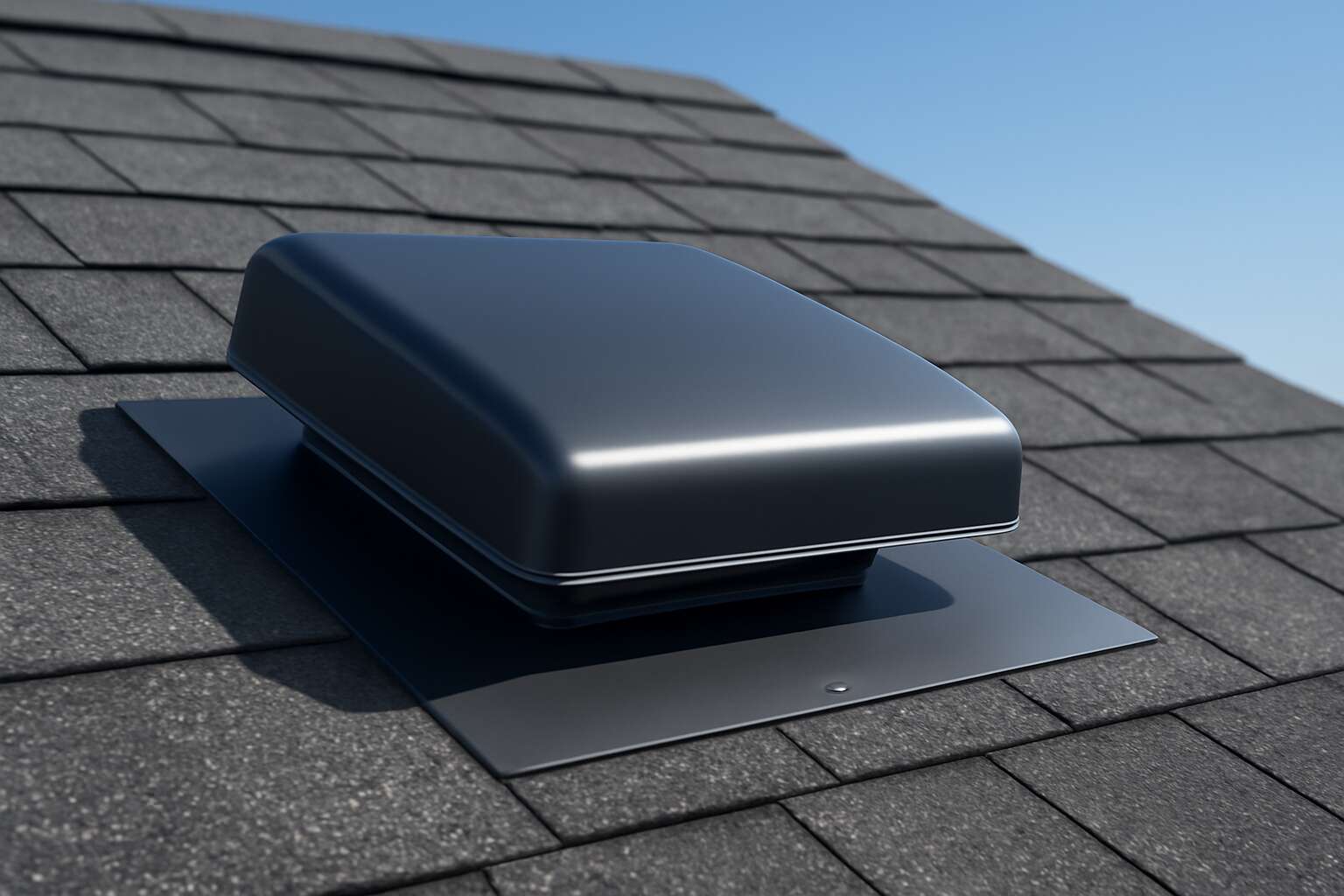
Understanding 8×8 Roof Vents
What is an 8×8 Roof Vent?
An 8×8 roof vent is more than just a functional component; it embodies a silent guardian of your home’s integrity. These vents, measuring precisely 8 inches by 8 inches, serve as crucial passageways for air to circulate within your attic or roofing system. They are designed to combat the relentless buildup of heat and moisture, which, left unchecked, can lead to costly structural damage and mold growth. In essence, the 8×8 roof vent becomes a moral compass for homeowners—reminding us of the importance of proactive maintenance and sustainable living.
What makes the 8×8 roof vent truly vital is its ability to balance airflow efficiently, ensuring that your home breathes naturally while protecting it from the corrosive effects of trapped humidity. These vents are versatile, fitting seamlessly into various roof styles and materials. Whether you opt for static, turbine, or ridge varieties, the core principle remains: proper ventilation keeps your roof healthy and your living space comfortable. Recognizing the significance of such a small yet powerful element underscores a deeper truth: resilience begins with awareness and the right choices.
Types of 8×8 Roof Vents
Understanding the various types of 8×8 roof vents reveals a fascinating array of options tailored to meet diverse roofing needs. Each type offers a unique approach to ventilation, designed to optimize airflow while maintaining aesthetic harmony with your home. For homeowners in South Africa seeking durability and efficiency, choosing the right vent becomes an essential puzzle piece in safeguarding structural integrity.
Among the most common variants are static vents, turbine vents, and ridge vents. Static vents, often overlooked, serve as silent sentinels—providing continuous airflow without moving parts. Turbine vents, with their spinning mechanism, harness wind power to draw heat and moisture out of the attic. Ridge vents, seamlessly integrated along the roof’s peak, offer a discreet yet highly effective solution for even air distribution.
- Static vents
- Turbine vents
- Ridge vents
Each type plays a critical role in ensuring your 8×8 roof vent system performs at peak efficiency, balancing airflow with minimal maintenance demands.
Choosing the right 8×8 roof vent depends on factors like climate, roof style, and specific ventilation requirements. The variation in design, from traditional static models to innovative turbine options, underscores the importance of tailored solutions. When installed correctly, these vents work in harmony, transforming your attic into a well-orchestrated environment of airflow and moisture control. After all, a well-ventilated roof isn’t just about comfort—it’s the key to long-term resilience against the elements.
Materials Used in 8×8 Roof Vents
The materials chosen for 8×8 roof vents are more than mere construction elements—they are the silent guardians of your home’s integrity. In South Africa’s contrasting climate, where intense sun and seasonal rains collide, selecting durable, resilient materials can mean the difference between a well-ventilated sanctuary and costly repairs. The craftsmanship behind an 8×8 roof vent involves a delicate balance of strength and finesse, ensuring that each component withstands the relentless march of time and weather.
Common materials include galvanized steel, aluminum, and durable plastics, each offering unique advantages. Galvanized steel, with its corrosion-resistant coating, provides formidable strength, ideal for the harsh coastal environments. Aluminum, lightweight yet robust, resists rust and requires minimal maintenance—perfect for those seeking longevity without fuss. Plastic variants, often reinforced with UV stabilizers, excel in affordability and ease of installation, making them a popular choice among homeowners.
To understand the nuances, consider this overview:
- Galvanized steel – unmatched strength, corrosion-resistant, suitable for extreme weather.
- Aluminum – lightweight, rust-proof, and highly durable, balancing functionality with elegance.
- Reinforced plastics – cost-effective, easy to install, with excellent UV resistance.
Each material contributes to the overall performance of an 8×8 roof vent, ensuring optimal airflow while resisting the elements. The choice reflects not only aesthetic preference but also a commitment to long-term resilience—an essential consideration for South African homes navigating diverse climatic challenges.
Advantages of Using an 8×8 Roof Vent
Proper ventilation is often overlooked, yet it plays a crucial role in maintaining a healthy, energy-efficient home. An 8×8 roof vent offers a straightforward solution, providing continuous airflow that helps regulate temperature and humidity levels. This simple addition can significantly reduce the risk of mold growth and structural damage caused by excess moisture, especially in South Africa’s diverse climate zones.
One key advantage of using an 8×8 roof vent is its ability to facilitate natural ventilation without relying on electrical systems. This not only lowers energy costs but also reduces the home’s carbon footprint. Additionally, an 8×8 roof vent can help prevent heat buildup in the attic during scorching summers, keeping living spaces cooler and more comfortable. Its design ensures that stale air escapes efficiently, pulling fresh air into the home.
When considering an 8×8 roof vent, it’s important to evaluate its installation location and material compatibility. Proper placement maximizes airflow, while durable materials ensure longevity against South Africa’s seasonal rains and intense sun. The right choice of an 8×8 roof vent can be a game-changer—enhancing your home’s resilience, lowering maintenance costs, and improving overall indoor air quality.
Factors to Consider When Choosing an 8×8 Roof Vent
Compatibility with Your Roof Type
Choosing the right 8×8 roof vent isn’t merely a matter of fitting a standard component; it’s an intricate dance with the very soul of your roof’s architecture. In South Africa’s diverse climate, where hot summers and sudden storms are commonplace, compatibility with your roof type becomes paramount. An ill-suited 8×8 roof vent can compromise the integrity of your structure, leading to moisture buildup or inadequate ventilation.
When contemplating compatibility, consider the material of your roof—whether it’s clay tile, corrugated metal, or asphalt shingles. Each demands a specific type of 8×8 roof vent designed to ensure a snug, weatherproof fit. For example, metal roofs often require vents with corrosion-resistant coatings, while tiled roofs benefit from models with secure mounting options that won’t crack or shift over time.
In some instances, a simple checklist can serve as a guiding beacon — ensuring the vent adheres to your roof’s unique specifications:
- Material compatibility
- Mounting and sealing options
- Weather resistance suited to local climate conditions
- Proper airflow capacity for your roof’s size
Matching an 8×8 roof vent to your roof type isn’t just a pragmatic decision; it’s an act of safeguarding your home’s longevity and comfort amid South Africa’s capricious environmental tapestry. The right choice ensures your roof breathes freely, maintaining structural health and peace of mind for years to come.
Ventilation Needs and Airflow Requirements
In the dance of ventilation, size alone is insufficient—your 8×8 roof vent must breathe in harmony with your home’s needs. South Africa’s capricious climate demands a meticulous assessment of your ventilation requirements; a space poorly ventilated can become a sanctuary for moisture, mold, and structural decay. The question is: how do you determine the perfect airflow capacity for your roof?
Understanding your roof’s volume is crucial. Larger roofs with expansive attic spaces require vents that can move a significant volume of air, preventing stagnation and dampness. To gauge this, consider the following:
- The total square footage of your attic or roof space
- The typical temperature fluctuations and humidity levels in your locale
- The presence of insulation—more insulation may necessitate increased ventilation to maintain optimal airflow
These factors shape the airflow needs, transforming your 8×8 roof vent from a mere accessory into a vital organ of your home’s respiratory system. A vent that matches these demands ensures your roof remains an unbreachable fortress of comfort, standing resilient against South Africa’s environmental whims.
Material Durability and Weather Resistance
Choosing the right material for your 8×8 roof vent isn’t merely a matter of aesthetics; it’s an investment in your home’s longevity. South Africa’s climate, with its capricious mix of scorching summers and chilly winters, demands a vent that can withstand the relentless assault of weather. Durability and weather resistance are paramount—your 8×8 roof vent should be as resilient as it is functional.
Opting for materials like galvanized steel or premium UV-resistant plastics ensures your vent resists corrosion, rust, and cracking. After all, a fragile vent is as useful as a screen door on a submarine. When selecting your vent material, consider these factors:
- Corrosion resistance, especially in coastal areas where salty air is relentless
- Impact strength, to endure hail or accidental knocks during maintenance
- UV stability, preventing deterioration from prolonged sun exposure
In essence, your 8×8 roof vent should be a fortress against South Africa’s environmental whims, seamlessly blending durability with practicality. After all, a vent that can stand the test of time will keep your home breathing easy for years to come!
Installation and Maintenance
Choosing an 8×8 roof vent is not merely a matter of selecting a fitting size; it’s an exercise in strategic foresight, where installation precision and ongoing maintenance become the keystones of your home’s ventilation integrity. In a climate as unpredictable as South Africa’s—where searing heat can bake rooftops and winter chills seep into every crevice—the way you install and care for your 8×8 roof vent can profoundly influence its longevity and performance.
When considering installation, focus on ensuring a snug fit that seals out moisture and debris, preventing potential leaks or blockages. Proper placement—preferably near the ridge or soffit—maximizes airflow and promotes natural cooling. Maintenance, often underestimated, is equally vital; regular inspections for rust, debris buildup, or damage ensure your vent continues to serve as a resilient barrier against the elements. An overlooked aspect is the ease of access: a well-designed installation simplifies cleaning and repairs, reducing long-term costs and hassle.
- Assess the local environmental conditions and select an 8×8 roof vent with appropriate corrosion resistance.
- Schedule routine inspections to detect early signs of wear or damage, especially after severe weather events.
- Ensure proper sealing around the vent to prevent water infiltration and maintain optimal airflow.
Ultimately, thoughtful installation and diligent maintenance transform a simple 8×8 roof vent into a steadfast guardian for your home’s interior climate—an investment that pays dividends in comfort, durability, and peace of mind.
Cost and Budget Considerations
Choosing the right 8×8 roof vent isn’t solely about size; it’s about balancing costs with quality and longevity. As you weigh your options, consider your budget carefully—an 8×8 roof vent is an investment in your home’s comfort and durability. High-quality vents with superior corrosion resistance may have a higher upfront cost but can save you money in the long run by resisting rust and damage caused by South Africa’s unpredictable climate.
Price isn’t the only factor—think about your specific ventilation needs and the environment surrounding your home. An 8×8 roof vent designed for harsh weather conditions, such as intense heat or winter chills, will perform better over time. To help streamline your decision, some suppliers offer a tiered pricing structure, often categorized as:
- Basic models suitable for mild climates.
- Mid-range options with enhanced durability.
- Premium vents engineered for extreme weather resistance.
Remember, the right 8×8 roof vent strikes a balance between affordability and resilience, ensuring your home remains well-ventilated without stretching your budget too thin. The goal is to find a product that provides lasting performance while fitting comfortably within your financial plan, giving you peace of mind for years to come.
Installation Guide for 8×8 Roof Vents
Preparation Before Installation
When it comes to installing an 8×8 roof vent, preparation is half the battle won. A methodical approach ensures not only a seamless installation but also maximizes the vent’s efficiency in managing airflow. Before drilling or cutting into your roof, inspecting the area for potential obstructions is crucial — hidden beams, electrical wiring, or outdated flashing can turn a straightforward task into a costly mistake. Gathering the right tools and materials ahead of time, like a sturdy saw, roofing sealant, and mounting brackets, lays the groundwork for success.
Understanding your roof’s structure is paramount. Confirming the exact location for the 8×8 roof vent involves careful measurement and marking. To facilitate the process, consider following this sequence:
- Measure and mark the desired vent placement precisely.
- Check for structural integrity and ensure the area is free of obstructions.
- Gather all necessary installation materials and safety gear.
- Verify the weather forecast to avoid installation during rain or high winds, which could jeopardize safety and quality.
By thoroughly preparing, the installation of an 8×8 roof vent becomes a straightforward task, transforming a potentially complex project into a smooth operation. Remember, meticulous prep work is the secret to lasting performance and optimal airflow management in your roofing system.
Step-by-Step Installation Process
Embarking on the installation of an 8×8 roof vent might sound as thrilling as watching paint dry, but the truth is, it’s a craft that demands precision and a dash of finesse. A haphazard approach can turn what should be a straightforward upgrade into a saga of leaks and inefficiency. So, how does one master this delicate art? The secret lies in a carefully choreographed sequence of steps designed to ensure both proper fit and optimal airflow.
First, confirm your measurements—accuracy here is paramount. Mark the precise location for the 8×8 roof vent, making sure it aligns with your roof’s structural framework. Once marked, double-check for potential obstructions—hidden electrical wiring or compromised rafters could sabotage your effort. Before you lift your tool kit, gather all necessary materials, from roofing sealant to mounting brackets, along with safety gear to keep you unscathed during the process.
When ready, follow this simple sequence:
- Cut the opening carefully along your marked lines, ensuring a clean, precise cut.
- Apply roofing sealant around the perimeter of the cut to guarantee a weatherproof seal.
- Secure the 8×8 roof vent into position with mounting brackets, ensuring it sits flush against the roof surface.
- Fasten the vent with appropriate screws, avoiding overtightening that could crack the material.
- Finish by sealing all edges thoroughly, preventing water ingress during South Africa’s unpredictable thunderstorms.
Patience and meticulous attention to detail are the true allies in installing an 8×8 roof vent. When executed with care, this process transforms an ordinary roof upgrade into a strategic move for superior ventilation, ensuring your home remains cool and dry in the face of nature’s caprices.
Tools and Materials Needed
Embarking on the installation of an 8×8 roof vent requires more than mere manual dexterity; it demands a symphony of tools and materials orchestrated with precision. To transform your roofing project from a mundane chore into a masterpiece of craftsmanship, gathering the right equipment is essential. A well-stocked toolkit not only expedites the process but also ensures a seamless, durable finish that withstands South Africa’s unpredictable weather patterns.
First, you’ll need a sturdy power drill equipped with the correct drill bits—preferably high-quality titanium or masonry bits for cutting through roofing materials with ease. A tape measure is indispensable, ensuring your markings align perfectly with your roof’s structural framework. To seal the vent and prevent leaks, roofing sealant—preferably one that boasts weather-resistant properties—is vital. Safety gear, including gloves, goggles, and a harness, is non-negotiable for safeguarding against potential accidents during installation.
In addition to these essentials, having the following materials on hand will streamline your project:
- 8×8 roof vent
- Mounting brackets and screws suitable for roofing materials
- Roofing sealant to ensure weatherproofing
- Utility knife for clean cuts
- Chalk line for accurate measurements
Equipped with these tools and materials, you’ll be well-prepared to execute a flawless installation—transforming your roof into a bastion of ventilation and durability. Every element, from the sturdy screws to the weatherproof sealant, plays a vital role in unlocking the full potential of your 8×8 roof vent, promising a home that breathes freely and remains resilient against South Africa’s fierce storms and sun-drenched days alike.
Common Installation Mistakes to Avoid
Installing an 8×8 roof vent might seem straightforward, but overlooking common mistakes can turn a simple project into a costly nightmare. In South Africa’s unpredictable climate, a poorly installed vent can lead to leaks, drafts, and compromised airflow. One frequent error is not properly sealing the vent’s edges, which leaves gaps vulnerable to water ingress and weather damage. Ensuring a tight seal with weather-resistant roofing sealant is crucial for longevity and performance.
Another mistake is misaligning the vent, which can impact airflow efficiency. Using the wrong screws or mounting brackets not only weakens the installation but also risks damaging the roofing material. To avoid this, double-check compatibility with your roof type and follow manufacturer guidelines closely. Remember, an 8×8 roof vent is designed to improve ventilation, but only if installed with precision and care.
Missteps during installation are often rooted in rushing or neglecting proper measurements. For optimal airflow, the vent should be positioned away from obstructions and in a location that maximizes its function. Take your time with measurements and markings, and don’t skip the importance of a chalk line for accuracy. When installed correctly, your 8×8 roof vent will serve as an essential component in maintaining a healthy, resilient roof—one that withstands South Africa’s diverse weather conditions.
Maintenance and Troubleshooting of 8×8 Roof Vents
Routine Cleaning and Inspection
Maintaining an 8×8 roof vent is essential to ensuring its longevity and optimal performance. Regular cleaning and inspection not only prevent debris build-up but also safeguard against potential damage that can compromise airflow and ventilation. Over time, dust, leaves, and even bird nests may accumulate, obstructing the vent’s effectiveness and leading to moisture buildup inside the roof cavity.
Scheduling routine checks every few months can make a significant difference. During these inspections, look for signs of corrosion, cracks, or warping—especially in regions prone to harsh weather conditions. Keeping the vent free of obstructions guarantees proper airflow, which is vital for maintaining a healthy roof environment and avoiding costly repairs.
- Remove any debris lodged in the vent opening.
- Check for rust or corrosion on the metal components.
- Ensure the vent cap is securely attached and functioning correctly.
Addressing minor issues early can prevent larger problems down the line. Remember, an 8×8 roof vent is more than a simple fixture; it’s a gateway to sustainable roofing health and a testament to diligent craftsmanship. Regular maintenance echoes the resilience of a well-loved home—an enduring symbol of care and protection in the face of South Africa’s dynamic climate.
Identifying and Fixing Common Issues
An 8×8 roof vent plays a pivotal role in maintaining the delicate balance of a home’s ventilation system. When issues arise, they often stem from overlooked maintenance or environmental factors that hasten deterioration. Recognizing and addressing common problems promptly can extend the lifespan of your 8×8 roof vent and preserve the health of your roof space.
One frequent issue is the buildup of debris, which can block airflow and cause moisture to accumulate. Inspecting the vent regularly for leaves, dirt, or nests is essential. Rust and corrosion on metal components signal the need for immediate attention, as these can compromise structural integrity and lead to leaks. If the vent cap becomes loose or damaged, it may allow water ingress or pests to enter, disrupting ventilation efficiency.
To troubleshoot effectively, follow a straightforward process:
- Examine the vent for visible obstructions or debris.
- Check the condition of the metal parts, noting any signs of rust or warping.
- Ensure the vent cap is securely attached and functioning properly.
Addressing minor issues early—like tightening loose components or removing debris—can prevent costly repairs later. When problems persist, consulting a roofing professional ensures that your 8×8 roof vent remains an efficient and resilient component of your roofing system. After all, a well-maintained vent isn’t just a fixture; it’s a testament to the care and craftsmanship that sustains the integrity of your home amidst South Africa’s diverse climate challenges.
Repair vs. Replacement: When to Consider It
A well-functioning 8×8 roof vent is essential for maintaining optimal airflow and preventing moisture buildup—yet, even the sturdiest models can suffer from wear and tear over time. When contemplating whether to repair or replace your 8×8 roof vent, it’s crucial to assess the extent of the damage. Minor issues, such as loose caps or debris obstruction, often lend themselves to straightforward repairs. A simple tightening or cleaning can restore efficiency without breaking the bank.
However, persistent problems like extensive rust or warped components signal that replacement might be the wiser choice. If your 8×8 roof vent has suffered corrosion that compromises its weather resistance or if it no longer provides adequate ventilation, consulting a roofing professional becomes a prudent step. Sometimes, the cost of repeated repairs outweighs the investment in a new vent, especially considering South Africa’s diverse climate conditions which can accelerate deterioration.
When in doubt, weigh the severity of the issue against the age of the vent—after all, a resilient 8×8 roof vent should be a testament to sound craftsmanship, not an ongoing source of frustration!
Comparing 8×8 Roof Vents with Other Vent Types
Versus Ridge Vents
When comparing an 8×8 roof vent to other vent types, the distinction often comes down to efficiency and versatility. Ridge vents, for example, offer a continuous airflow along the roof’s peak, making them ideal for larger spaces. However, an 8×8 roof vent can be a game-changer in more targeted ventilation solutions, especially in structures where space is limited or specific areas require focused airflow. These vents are engineered to provide optimal air exchange without sacrificing the aesthetic appeal of the roof.
While ridge vents excel in passive ventilation, the 8×8 roof vent stands out for its durability and ease of maintenance. Its robust construction makes it suitable for harsh South African weather conditions—think intense sun, heavy rain, and occasional storms. For those weighing their options, consider the following:
- Targeted airflow capabilities
- Ease of installation and maintenance
- Weather resistance and durability
In essence, the choice between an 8×8 roof vent and ridge vents hinges on the unique ventilation needs of your roof. Each has its strengths, but understanding how they compare ensures you make an informed decision that maximizes airflow and longevity for your structure.
Versus Soffit Vents
When evaluating the effectiveness of an 8×8 roof vent compared to other ventilation options, the debate often centers on their distinct roles within different roof configurations. Unlike soffit vents, which primarily facilitate intake airflow, the 8×8 roof vent acts as a powerful exhaust point—drawing stale air upwards and out of the space. This targeted approach can be particularly advantageous in structures where precise airflow control is needed, or where soffit vents alone may not suffice.
While soffit vents excel in creating a natural airflow cycle, their effectiveness diminishes in complex or larger roof spaces. An 8×8 roof vent, with its robust design, can provide superior exhaust capacity, especially in environments prone to high humidity or heat buildup. In some cases, combining soffit vents with an 8×8 roof vent creates a balanced system that maximizes ventilation efficiency. It’s a strategic choice for ensuring consistent airflow, especially in climates like South Africa’s, where weather conditions can be unpredictable and severe.
Ultimately, selecting between an 8×8 roof vent and soffit vents depends on the specific airflow dynamics of your roof. For those seeking a more concentrated and efficient exhaust solution, the 8×8 roof vent offers resilience and precision—attributes that make it an indispensable component of a comprehensive ventilation strategy.
Versus Powered Ventilation Systems
In the intricate dance of roof ventilation, the 8×8 roof vent emerges as a striking performer—an elegant yet powerful tool designed to draw out the stagnation and excess heat that can compromise a building’s integrity. When comparing 8×8 roof vents to other vent types or powered ventilation systems, the conversation shifts from mere technicality to the poetry of natural airflow. Unlike electric fans that rely on power, the 8×8 roof vent harnesses the force of thermal dynamics, offering a silent, resilient solution that stands firm against South Africa’s capricious weather.
While powered ventilation systems can provide rapid airflow, they often demand ongoing energy expenditure and maintenance. An 8×8 roof vent, in contrast, embodies a harmony of form and function—requiring minimal upkeep yet delivering consistent performance. For those seeking an eco-friendly approach, the natural draw created by an 8×8 roof vent ensures a sustainable, long-term solution that aligns with a greener future.
To truly appreciate the efficacy of an 8×8 roof vent, consider this: its ability to function passively makes it an indispensable element of a balanced ventilation system, especially when combined with soffit vents or ridge vents. The result is a symphony of airflow that prevents heat buildup and moisture retention, crucial for preserving the longevity of your roof and the comfort of your interior space.
Pros and Cons of Each Type
When weighing the merits of different roof ventilation options, the 8×8 roof vent stands out as a silent sentinel—an unassuming yet powerful guardian of your roof’s health. Unlike powered ventilation systems, which rely on electricity and mechanical parts, the 8×8 roof vent operates passively, harnessing natural airflow driven by thermal differences. This means fewer parts to break down and less ongoing maintenance, making it an attractive choice for those seeking durability and simplicity.
However, each vent type has its own story to tell. For instance, ridge vents facilitate a continuous flow of air along the roof’s peak, creating a gentle but effective ventilation cascade. Meanwhile, soffit vents excel at drawing cool air in from beneath, setting the stage for a balanced system. Yet, the 8×8 roof vent’s advantage lies in its ability to function effortlessly without external power, making it especially suitable for regions like South Africa’s unpredictable climate.
- The 8×8 roof vent offers a sustainable, eco-friendly solution with minimal operational costs.
- Powered systems can quickly move large volumes of air but often demand constant energy input and maintenance.
- In contrast, the 8×8 roof vent’s passive design ensures longevity and reliable performance, regardless of power outages or weather conditions.
Choosing between these options ultimately depends on your specific needs—whether you prioritize energy savings, quick airflow, or long-term resilience. The 8×8 roof vent’s natural airflow capabilities make it an intriguing choice for those aiming to maintain a healthy, balanced ventilation system without sacrificing eco-consciousness or simplicity.
Where to Buy and How to Choose the Best 8×8 Roof Vent
Top Retailers and Online Stores
When it comes to acquiring the perfect 8×8 roof vent, the journey begins with selecting reputable top retailers and online stores that prioritize quality and authenticity. In South Africa, a handful of trusted sources stand out, offering a curated selection of durable, weather-resistant 8×8 roof vents tailored for varied roofing needs. These suppliers often boast extensive inventories, ensuring you find the exact model that fits your ventilation requirements and budget.
For those who prefer the convenience of digital shopping, renowned online platforms such as local hardware giants and specialized roofing suppliers provide seamless purchasing experiences. Look for vendors that offer comprehensive product descriptions, customer reviews, and warranties, as these details can illuminate the true value of your 8×8 roof vent choice. To aid your decision-making, consider evaluating the following factors:
- Product authenticity and quality certifications
- Availability of technical support and installation guides
- Competitive pricing and shipping options
Whether browsing in-store or clicking through online catalogs, choosing a reliable retailer ensures your 8×8 roof vent will perform flawlessly, offering years of efficient ventilation and peace of mind.
Tips for Selecting a Quality Vent
Finding the perfect 8×8 roof vent begins with knowing where to buy from trusted sources. In South Africa, reputable retailers and online stores stand out for their commitment to quality, ensuring your investment in ventilation pays dividends for years to come. Visiting well-established hardware outlets or browsing specialized roofing suppliers online can make all the difference, especially when they offer detailed product descriptions, customer reviews, and warranties.
When choosing an 8×8 roof vent, focus on authenticity and durability. Look for vendors that provide clear certifications and technical support, helping you select a vent that matches your roof’s unique needs. Comparing prices and shipping options can also ensure you get the best value. Remember, a quality 8×8 roof vent isn’t just about affordability—it’s about securing reliable airflow and long-lasting performance for your home or building project.
Reading Product Reviews and Ratings
When hunting for the perfect 8×8 roof vent, the journey begins with trusted sources. In South Africa, reputable retailers and online stores are your gateways to quality, offering peace of mind that your investment will stand the test of time. Exploring well-established hardware outlets or browsing specialized roofing suppliers online can reveal hidden gems—products with detailed descriptions, genuine customer reviews, and robust warranties. These elements serve as guiding stars in choosing a reliable 8×8 roof vent that fits your specific needs.
Reading product reviews and ratings is an essential part of the selection process. They provide honest insights into real-world performance, durability, and installation ease. Look for feedback that highlights how well the 8×8 roof vent performs in South Africa’s varied climate, ensuring it withstands heat, rain, and wind. Focus on vendors that offer authentic products with clear certifications and technical support—this ensures the vent’s compatibility with your roof and guarantees long-lasting airflow.
Ensuring Proper Fit and Compatibility
Finding the perfect 8×8 roof vent starts with knowing where to shop. In South Africa, reputable hardware outlets and specialized roofing suppliers are your best bet for securing a quality product. Trusted local stores often carry a wide selection of 8×8 roof vents, ensuring you can compare options and find one that matches your specific requirements. Online stores, on the other hand, offer convenience and access to detailed product descriptions, customer reviews, and warranties that underpin confidence in your purchase.
Choosing the right 8×8 roof vent hinges on ensuring proper fit and compatibility with your roof structure. It’s essential to measure accurately and verify the vent’s dimensions against your roofing specifications. Many vendors provide helpful guidance, including compatibility charts and technical support, to help you make an informed decision. A well-fitted 8×8 roof vent not only optimizes airflow but also mitigates the risk of leaks and structural issues, making your investment a long-term solution for effective ventilation.


0 Comments